
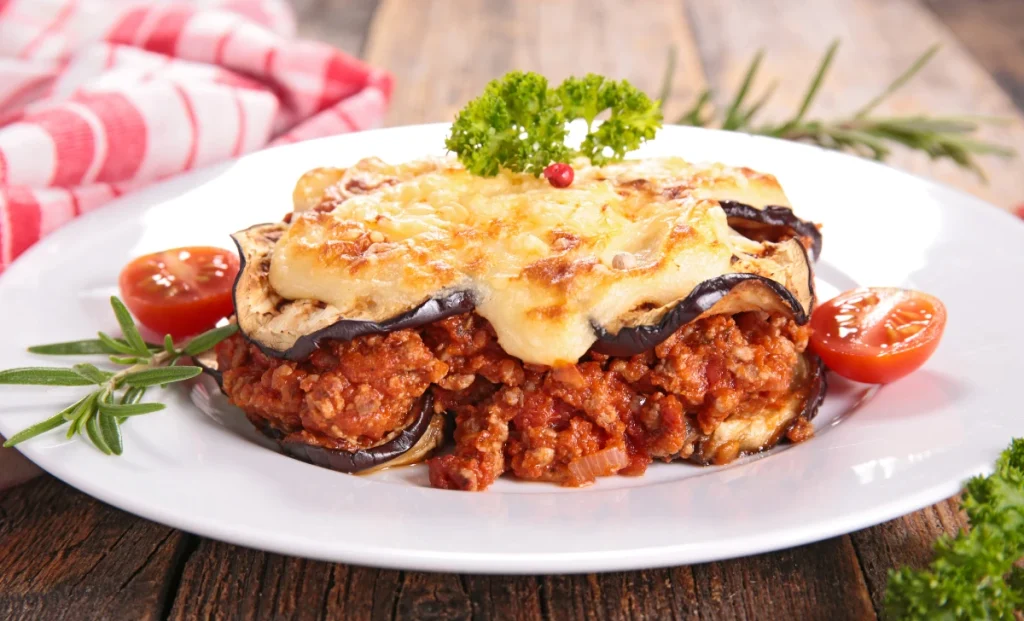

This article serves as a comprehensive guide to mastering the ‘Resep Seafood Moussaka Ala Yunani’ (Greek Style Seafood Moussaka Recipe). While the traditional meat version is rich and wintery, the seafood adaptation offers a delicate complexity that pairs perfectly with the salinity of the Mediterranean palette. It is a dish that demands patience and attention to detail, but the reward is a centerpiece meal that is both visually stunning and gastronomically profound.
The Anatomy of a Perfect Moussaka
Understanding Moussaka requires analyzing its architecture. It is not merely a stew or a bake; it is a construction of three distinct, crucial elements that must stand on their own before being united. These are the vegetable foundation, the protein-rich middle layer, and the crowning glory of the béchamel sauce. In a seafood version, the balance of these layers is even more critical, as the delicate flavor of fish and shellfish can easily be overpowered if not handled correctly.
The first layer typically consists of sliced vegetables. In the classic version, eggplant (aubergine) is king. For our seafood variation, we continue to honor the eggplant but often introduce sliced potatoes and zucchini to provide structural integrity and a variation in texture. The potatoes absorb the juices from the seafood, while the zucchini adds a fresh, vegetal sweetness that complements shrimp and white fish.
The final layer is the Béchamel sauce. This is not just a white sauce; it is a custard-like topping enriched with egg yolks and cheese (typically Kefalotyri or Graviera). It acts as a sealant, keeping the moisture inside the layers below while baking into a golden, soufflé-like crust that provides a creamy contrast to the textured layers beneath.
Step 1: Preparing the Vegetables
The preparation of the vegetables is the most labor-intensive part of the process, but it is the foundation of flavor. Start with 2-3 large eggplants. Slice them lengthwise into planks about 1/4 inch thick. A common mistake is slicing them too thin, which leads to them dissolving into mush, or too thick, which prevents them from cooking through. Consistency is key.
Once sliced, lay the eggplant planks on a baking sheet or in a colander and sprinkle them generously with salt. This step is non-negotiable. The salt draws out the bitter moisture (sweating) and collapses the air pockets in the sponge-like flesh. This prevents the eggplant from absorbing excessive amounts of oil during cooking. Let them sit for at least 30 to 45 minutes, then rinse the salt off and pat them thoroughly dry with paper towels.
While the eggplant sweats, prepare 3-4 medium russet or Yukon Gold potatoes. Peel them and slice them into rounds of similar thickness. Do the same with 2-3 zucchinis. While traditional recipes often call for frying the vegetables in olive oil, a modern and lighter approach involves roasting them. Brush the vegetable slices with high-quality olive oil, season with salt and pepper, and roast in a 400°F (200°C) oven until golden and tender. This reduces the heaviness of the dish significantly.
Step 2: The Seafood Ragu
The filling is where this recipe diverges from tradition. You will need approximately 1kg (2.2 lbs) of mixed seafood. A recommended blend includes 500g of firm white fish (such as cod, halibut, or snapper), 300g of peeled and deveined shrimp, and 200g of calamari rings or scallops. Chop the fish and shrimp into bite-sized chunks, but not so small that they disappear into the sauce.
Begin by sautéing a large diced onion and 3-4 cloves of minced garlic in olive oil until soft and translucent. Add a splash of dry white wine (like an Assyrtiko or Sauvignon Blanc) to deglaze the pan, scraping up any fond. Once the alcohol has evaporated, introduce crushed tomatoes or high-quality tomato purée. Season this base with a teaspoon of sugar to cut the acidity, salt, black pepper, a stick of cinnamon, and a pinch of dried oregano.
Simmer the tomato sauce until it thickens considerably. A watery sauce is the enemy of a good Moussaka; it leads to the layers sliding apart when served. Once the sauce is thick and rich, remove the cinnamon stick and gently fold in the raw seafood mix. Cook for only 2-3 minutes—just until the outside of the seafood changes color. Remember, it will cook for another 45 minutes in the oven. Remove from heat immediately.
Step 3: The Velvety Béchamel
The Béchamel for Moussaka is thicker than what you might use for lasagna. Start by melting 100g of unsalted butter in a saucepan over medium heat. Whisk in 100g of all-purpose flour. Cook this roux for 2-3 minutes to remove the raw flour taste, but do not let it brown; it should remain a pale blonde color.
Gradually whisk in 1 liter of warm whole milk. Adding the milk warm prevents lumps from forming. Whisk constantly until the sauce comes to a gentle boil and thickens enough to coat the back of a spoon. Remove from the heat. This is the moment to temper in the richness. In a separate bowl, beat 2-3 egg yolks. Slowly drizzle a ladle of the hot white sauce into the eggs while whisking vigorously to bring the eggs up to temperature without scrambling them.
Pour the tempered egg mixture back into the main pot of sauce. Stir in a generous handful of grated cheese—Parmesan is acceptable, but for an authentic flavor, try to find Greek Kefalotyri or Pecorino Romano. Finish with a grating of fresh nutmeg, which provides that distinctive, warming aroma associated with Greek comfort food.
The Assembly
Preheat your oven to 375°F (190°C). Grease a large, deep rectangular baking dish (roughly 9×13 inches) with butter or olive oil. Sprinkle a little breadcrumb mixture on the bottom to help absorb excess juices.
Layer 1: Arrange the potato slices in a single overlapping layer at the bottom. The potatoes are placed first because they are the sturdiest and form a solid base for serving.
Layer 2: Add a layer of the roasted eggplant slices followed by the zucchini. You can intersperse them or do separate layers depending on your preference. Ensure there are no large gaps.
Layer 3: Pour the seafood ragu evenly over the vegetables. Use a spatula to spread it to the corners, ensuring an even distribution of shrimp and fish chunks.
Layer 4: Pour the luscious Béchamel sauce over the seafood layer. Smooth the top with a spatula or the back of a spoon. For the signature golden crust, sprinkle additional grated cheese and a few breadcrumbs over the top of the white sauce.
Baking and The Crucial Rest
Place the baking dish in the center of the oven. Bake for approximately 45 to 50 minutes. You are looking for the top to turn a deep, golden brown with charred spots of cheese, and the sauce should be bubbling around the edges.
Once removed from the oven, you will encounter the most difficult step of the entire recipe: Waiting. Do not attempt to cut into the Moussaka immediately. Straight out of the oven, the layers are too hot and fluid; cutting it now will result in a delicious but unpresentable collapse of ingredients.
Allow the Moussaka to rest for at least 30 to 45 minutes. During this time, the Béchamel sets into a custard-like consistency, the juices redistribute, and the layers firm up. This patience ensures that when you slice a square, it comes out clean, revealing the beautiful stratification of potatoes, greens, red seafood sauce, and white topping.
Flavor Profile and Variations
The flavor profile of this Seafood Moussaka is a sophisticated interplay of savory, sweet, and creamy. The cinnamon and cloves in the tomato sauce provide a warmth that contrasts beautifully with the brine of the seafood. The roasted vegetables offer an earthy sweetness, while the Béchamel adds a luxurious, creamy mouthfeel that ties everything together.
For those looking to experiment, consider adding fresh dill or parsley to the seafood mixture for a herby kick. Some regional variations also include a splash of Ouzo in the tomato sauce, adding an aniseed note that pairs exceptionally well with fennel and seafood.
If you are catering to dietary restrictions, this dish can be adapted. For a gluten-free version, use a gluten-free flour blend or cornstarch for the Béchamel. Dairy-free versions are more challenging due to the heavy reliance on milk and cheese, but high-quality plant-based substitutes and nutritional yeast can yield a decent approximation.
Serving Suggestions
Greek Seafood Moussaka is a rich and filling dish, so it pairs best with lighter sides. A classic Greek salad (Horiatiki) is the perfect accompaniment. The crisp cucumbers, juicy tomatoes, sharp red onions, and tangy feta cheese cut through the richness of the Béchamel. A simple green salad with a lemon-dill vinaigrette also works wonders.
Wine Pairing: To complement the seafood and the creamy sauce, opt for a medium-to-full-bodied white wine. A Greek Assyrtiko from Santorini is the ideal choice; its high acidity and mineral notes cleanse the palate. Alternatively, an oaked Chardonnay or a Viognier can stand up to the creaminess of the dish.
Conclusion
Creating a Seafood Moussaka is a labor of love. It is not a 30-minute meal, but rather a project for a Sunday afternoon or a special dinner party. It encapsulates the spirit of Greek hospitality—generous, flavorful, and meant to be shared. By swapping the heavy meat for fresh seafood, you create a dish that honors tradition while offering a fresh, coastal perspective.
Whether you call it ‘Resep Seafood Moussaka Ala Yunani’ or simply Greek Seafood Pie, the result is the same: a comforting, elegant, and unforgettable meal that transports you straight to the Mediterranean coast. Gather your ingredients, pour a glass of wine, and enjoy the process of building this culinary masterpiece layer by delicious layer.