
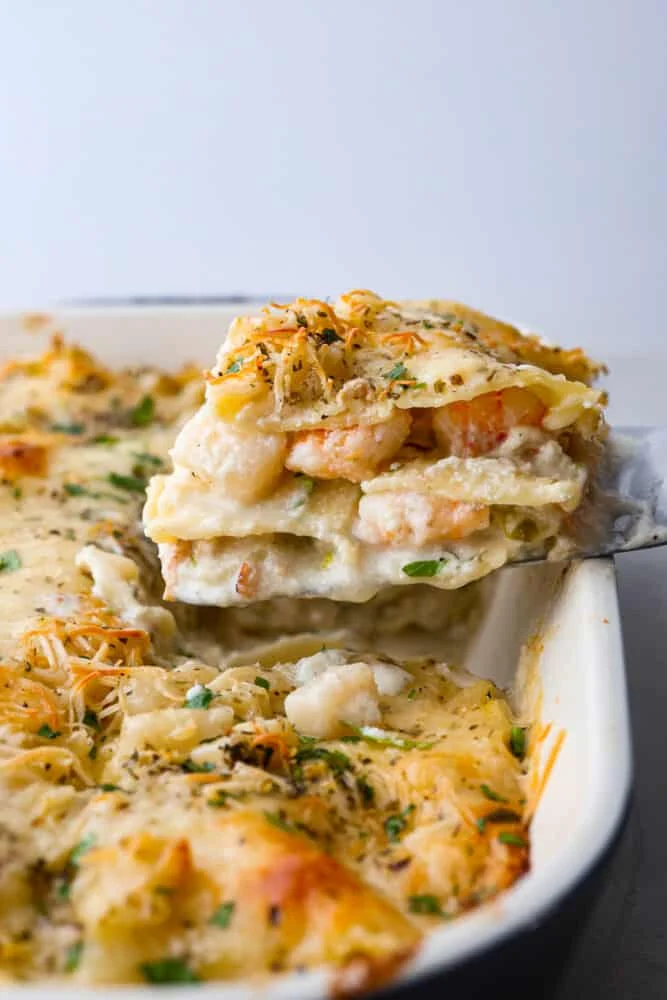

The key to an exceptional seafood lasagna lies in the quality of your ingredients and the balance of your sauce. We’ll guide you through selecting the freshest seafood, crafting a luscious béchamel, and layering everything to perfection. Get ready to impress your family and friends with a dish that is both elegant and deeply satisfying.
Let’s begin by discussing the star of the show: the seafood. A well-rounded seafood lasagna often features a medley of textures and tastes. Common choices include shrimp, scallops, crab meat, and white fish like cod or tilapia. For a truly luxurious experience, consider adding lobster or mussels. The key is to use seafood that cooks relatively quickly and holds its shape well during the baking process.
When selecting shrimp, opt for medium to large-sized ones. Ensure they are peeled and deveined for ease of use. Scallops should be firm and free of any strong odor. For crab meat, lump crab meat is ideal as it provides distinct pieces of crab rather than finely shredded meat. If using white fish, choose fillets that are firm and flaky, and cut them into bite-sized pieces.
A crucial step in preparing seafood for lasagna is to avoid overcooking it. Seafood cooks much faster than pasta or the sauce. Therefore, it’s often best to lightly sauté or steam the seafood just until it’s opaque, then set it aside. It will finish cooking in the oven as part of the lasagna.
Now, let’s talk about the pasta. While you can use fresh lasagna noodles, dried noodles are more commonly used and readily available. If using dried noodles, it’s essential to cook them al dente according to package directions. Overcooked noodles will become mushy in the lasagna. Some recipes opt for no-boil lasagna noodles, which absorb moisture from the sauce during baking, offering a convenient alternative.
The soul of any creamy lasagna is its sauce. For seafood lasagna, a rich béchamel sauce is the classic choice. A béchamel, also known as a white sauce, is made from a roux (butter and flour cooked together) and milk. The richness can be enhanced by adding heavy cream or half-and-half.
To make a basic béchamel, melt butter in a saucepan over medium heat. Whisk in an equal amount of all-purpose flour to create a smooth paste. Cook the roux for a minute or two to eliminate the raw flour taste. Gradually whisk in warm milk, a little at a time, ensuring no lumps form. Continue to cook, stirring constantly, until the sauce thickens to your desired consistency – it should coat the back of a spoon.
Seasoning the béchamel is where you can truly elevate the flavor. Salt and freshly ground black pepper are essential. A pinch of nutmeg is a classic addition that complements creamy sauces beautifully. For a seafood lasagna, consider adding a splash of dry white wine to deglaze the pan after sautéing any aromatics (like garlic or shallots) before making the roux, or stir it into the finished béchamel for an extra layer of flavor.
Garlic and shallots are aromatic powerhouses that add depth to the sauce. Finely mince them and sauté them in a little butter or olive oil before adding the butter for the roux. This infuses the entire sauce with their savory notes. Don’t be tempted to skip this step!
Cheese is another non-negotiable component of a great lasagna. For seafood lasagna, a blend of cheeses works wonders. Mozzarella provides that classic cheesy pull, while Parmesan adds a salty, nutty depth. Ricotta cheese, when mixed with eggs and herbs, creates a creamy, luscious layer that is characteristic of many lasagnas.
When incorporating cheese into the béchamel, be mindful of the type and quantity. A good quality Parmesan cheese, freshly grated, will melt beautifully and impart superior flavor. You can also stir some grated cheese directly into the béchamel for an even richer sauce.
The ricotta mixture is where you can add freshness and herbaceous notes. Combine ricotta cheese with a beaten egg (this helps bind the mixture), salt, pepper, and a generous amount of fresh herbs like parsley, chives, or even a hint of dill, which pairs wonderfully with seafood. Some people also like to add a touch of lemon zest to the ricotta for a bright, zesty counterpoint.
Layering is an art form in lasagna making. It dictates how the flavors meld and how the structure holds up. Start with a thin layer of sauce at the bottom of your baking dish. This prevents the noodles from sticking and ensures even cooking.
Next, arrange a layer of cooked lasagna noodles over the sauce. Ensure they don’t overlap too much. If using no-boil noodles, make sure they are fully covered by sauce and other ingredients to soften properly.
Follow with a layer of your creamy béchamel sauce. Spread it evenly over the noodles. Then, distribute a portion of your prepared seafood mixture over the béchamel. Don’t overcrowd this layer; even distribution is key.
Dot spoonfuls of the ricotta cheese mixture over the seafood layer. This adds pockets of creamy goodness throughout the lasagna.
Sprinkle a generous amount of shredded mozzarella and grated Parmesan cheese over the ricotta layer. This is where the magic of melted cheese begins.
Repeat the layering process: noodles, béchamel, seafood, ricotta, and cheese. Aim for three to four layers, depending on the depth of your baking dish. The top layer should be noodles, generously covered with béchamel sauce and a substantial amount of cheese.
Baking is the final transformation. Preheat your oven to a moderate temperature, typically around 375°F (190°C). Cover the lasagna tightly with aluminum foil. This traps the steam and ensures the noodles cook through and the lasagna heats evenly without the top burning.
Bake covered for about 25-30 minutes. Then, remove the foil and continue baking for another 15-20 minutes, or until the top is golden brown and bubbly. The cheese should be melted and slightly caramelized in spots.
Allowing the lasagna to rest after baking is a critical, often overlooked, step. Let it sit for at least 10-15 minutes before slicing and serving. This allows the layers to set, making it easier to cut clean portions and preventing it from falling apart.
For a truly enhanced seafood flavor, consider adding a seafood stock or clam juice to your béchamel. This can be done by reducing the amount of milk used or by incorporating it alongside the milk. Ensure it’s well-seasoned, as stocks can vary in saltiness.
Variations abound! You can add sautéed mushrooms, spinach, or sun-dried tomatoes to the seafood mixture for added flavor and texture. A pinch of red pepper flakes can introduce a subtle warmth.
Another popular variation involves using a creamy tomato sauce as one of the layers, or even incorporating a small amount of tomato paste into the béchamel for a hint of color and acidity. This can provide a lovely contrast to the richness of the seafood and cheese.
For a gluten-free option, use gluten-free lasagna noodles. Ensure your other ingredients, like flour for the roux, are also gluten-free (e.g., rice flour or a gluten-free flour blend).
If you’re short on time, consider using pre-cooked shrimp and crab meat. Just ensure they are high quality. The key is still to avoid overcooking them during the initial preparation.
When serving, a simple green salad with a light vinaigrette is the perfect accompaniment. It cuts through the richness of the lasagna and provides a refreshing contrast. Crusty bread is also excellent for soaking up any extra sauce.
Leftover seafood lasagna can be stored in an airtight container in the refrigerator for up to 3-4 days. Reheat gently in the oven or microwave, being careful not to overcook the seafood.
Freezing is also an option. You can freeze the assembled, unbaked lasagna, or bake it first and then freeze portions. If freezing unbaked, thaw completely in the refrigerator before baking, and if freezing baked, reheat from frozen at a lower temperature until heated through.
The beauty of seafood lasagna is its versatility. Feel free to experiment with different types of seafood based on availability and your preferences. A lasagna featuring mussels and clams can be just as spectacular as one with shrimp and scallops.
Remember to taste and adjust seasonings at every stage. The béchamel, the ricotta mixture, and even the seafood itself should be seasoned appropriately. This attention to detail will pay dividends in the final dish.
Creating a creamy seafood lasagna is a rewarding culinary adventure. By focusing on fresh ingredients, a well-balanced sauce, and careful layering, you can achieve a dish that is truly memorable. Enjoy the process and savor the delicious results!
This comprehensive guide has walked you through every step, from selecting your seafood to the final bake. With practice and a little intuition, you’ll be creating your own signature seafood lasagna in no time. Bonne appétit!