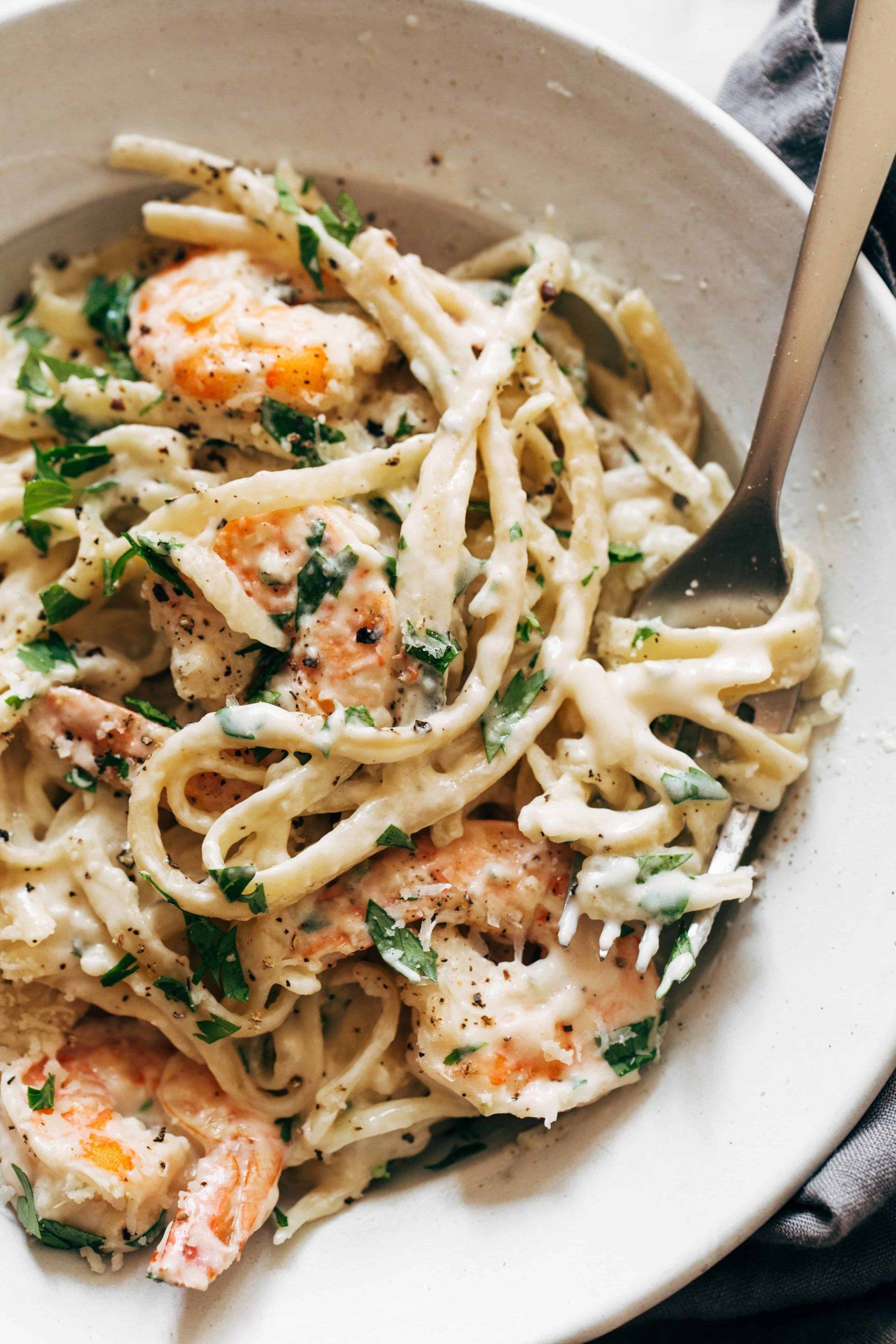
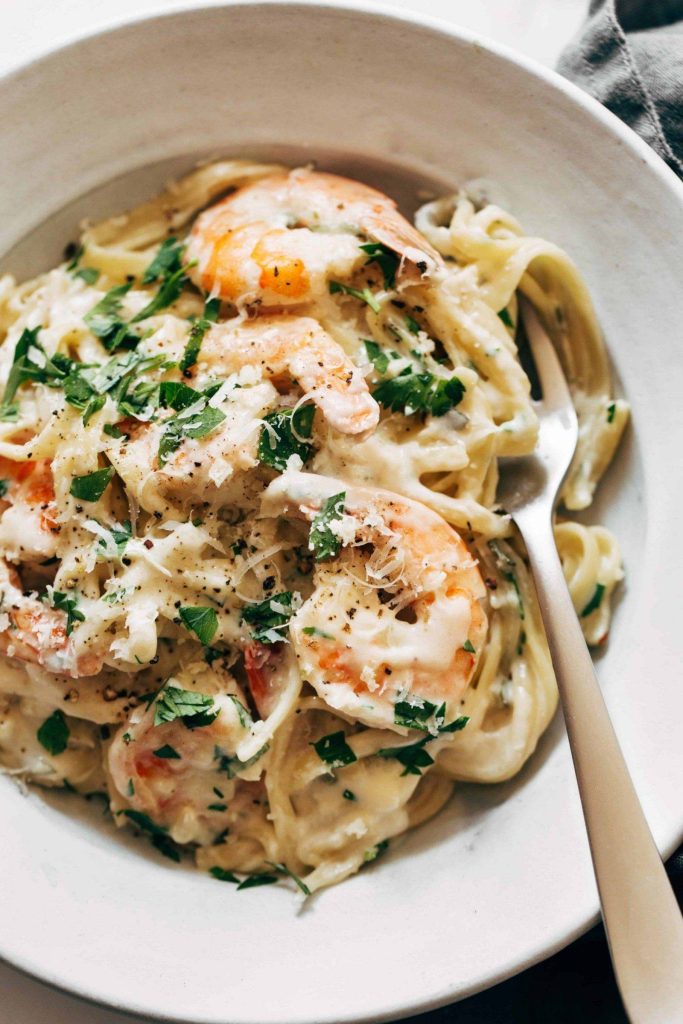

The allure of seafood linguine with a white sauce, often a rich cream or butter-based concoction, is undeniable. It’s a dish that speaks of comfort and indulgence, yet it carries an air of refined sophistication. Unlike its tomato-based counterparts, a white sauce allows the natural sweetness and brininess of the seafood to shine through, complemented by aromatic herbs and a subtle richness that coats every strand of pasta.
This comprehensive guide is designed to empower you with all the knowledge and techniques required to craft this magnificent dish with confidence. We will delve into the selection of the freshest ingredients, walk you through each preparation step with meticulous detail, and share expert tips to ensure your seafood linguine is nothing short of perfection. Whether you are a seasoned cook or new to seafood preparations, this article will serve as your ultimate resource.
At its heart, Creamy Seafood Linguine is a celebration of fresh, high-quality ingredients. The foundation begins with the pasta itself. Linguine, meaning ‘little tongues’ in Italian, is a flat, narrow pasta shape, wider than spaghetti but not as wide as fettuccine. Its unique shape is ideal for capturing and holding rich, creamy sauces, ensuring that every bite is imbued with flavor. The slight chewiness of perfectly al dente linguine provides a delightful contrast to the tender seafood.
The white sauce is the unifying element, binding all the components together with its luscious embrace. Typically, this sauce is a derivative of a classic Alfredo or a simple cream sauce, enriched with butter, garlic, white wine, and Parmesan cheese. Its velvety texture and savory depth elevate the entire dish, transforming simple ingredients into a gourmet masterpiece. The key is to achieve a balance that is rich but not heavy, allowing the seafood to remain the focal point.
Let’s break down the essential ingredients you’ll need to create this culinary delight. Sourcing quality components is paramount to the success of your dish, so always aim for the freshest options available.
For the Pasta: We recommend 500g of high-quality linguine. While fresh pasta offers a superior texture, dried linguine from a reputable brand will also yield excellent results. Ensure it’s made from durum wheat semolina for that ideal al dente bite.
For the Seafood Medley: Aim for a total of 500-700g of mixed seafood. A popular combination includes
- 250g large shrimp, peeled and deveined (tail on or off, as preferred)
- 150g sea scallops, pat dried
- 100g fresh mussels, scrubbed and de-bearded
- 100g fresh clams, scrubbed
You may also consider adding calamari rings, firm white fish (like cod or halibut), or even lobster for an extra touch of luxury.
For the Aromatics:
- 4-5 cloves garlic, minced
- 1 small shallot or ½ small onion, finely diced
These provide the foundational flavor base for your sauce, adding depth and warmth.
For the Dairy and Liquids:
- 60g unsalted butter
- 250ml heavy cream (full-fat is recommended for richness)
- 120ml dry white wine (e.g., Pinot Grigio or Sauvignon Blanc)
- 120ml chicken or vegetable broth
- Freshly grated Parmesan cheese, about 60g, plus more for serving
- Pasta water, reserved from cooking the linguine
For the Herbs and Seasonings:
- 2 tablespoons fresh parsley, finely chopped, plus extra for garnish
- Salt and freshly ground black pepper to taste
- A pinch of red pepper flakes (optional, for a subtle heat)
- 2 tablespoons olive oil
Now, let’s embark on the step-by-step preparation of your Creamy Seafood Linguine. Precision and timing are key to ensuring all components come together perfectly.
Step 1: Prepare the Seafood. If using frozen seafood, ensure it is fully thawed and patted dry. Patting dry is crucial, especially for shrimp and scallops, to ensure they sear beautifully and don’t steam. Clean mussels and clams thoroughly under cold running water, scrubbing any grit and removing ‘beards’ from mussels. Discard any mussels or clams that are open and do not close when tapped.
Step 2: Cook the Linguine. Bring a large pot of generously salted water to a rolling boil. Add the linguine and cook according to package directions until it is al dente – firm to the bite. Before draining, reserve about 250ml of the starchy pasta water. This liquid is your secret ingredient for achieving the perfect sauce consistency later. Drain the linguine and set aside, tossing with a drizzle of olive oil to prevent sticking.
Step 3: Sauté the Aromatics and Seafood. In a large skillet or Dutch oven, heat 1 tablespoon of olive oil and 30g of butter over medium-high heat. Add the shrimp and scallops. Cook for 1-2 minutes per side until just opaque and lightly golden. Be careful not to overcook them, as they will continue to cook slightly when added back to the sauce. Remove the cooked shrimp and scallops from the skillet and set aside.
Step 4: Build the White Sauce Base. In the same skillet, reduce the heat to medium. Add the remaining 1 tablespoon of olive oil and 30g of butter. Add the minced shallots (or onion) and cook until softened, about 2-3 minutes. Add the minced garlic and red pepper flakes (if using) and cook for another minute until fragrant, being careful not to burn the garlic.
Step 5: Deglaze and Simmer. Pour in the dry white wine and scrape up any browned bits from the bottom of the pan. Let the wine simmer and reduce by half, which concentrates its flavor. Then, add the chicken or vegetable broth and bring to a gentle simmer.
Step 6: Cook Mussels and Clams. Add the cleaned mussels and clams to the skillet. Cover with a lid and cook for 3-5 minutes, or until the shells have opened. Discard any mussels or clams that do not open after cooking.
Step 7: Create the Cream Sauce. Stir in the heavy cream and bring the sauce to a gentle simmer. Reduce the heat to low and stir in the freshly grated Parmesan cheese until it is melted and fully incorporated, creating a smooth, luscious sauce. Season the sauce with salt and freshly ground black pepper to taste. Remember that Parmesan cheese is salty, so adjust accordingly.
Step 8: Combine and Finish. Add the cooked linguine, shrimp, and scallops back into the skillet with the sauce. Toss gently to coat all the pasta and seafood evenly. If the sauce appears too thick, add a splash of the reserved pasta water, a tablespoon at a time, until it reaches your desired consistency. The starch in the pasta water helps emulsify and thicken the sauce beautifully.
Step 9: Garnish and Serve. Stir in the fresh chopped parsley. Transfer the creamy seafood linguine to serving bowls. Garnish with additional fresh parsley and a sprinkle of extra Parmesan cheese. Serve immediately, ensuring the pasta is enjoyed warm and fresh.
Achieving perfection with Creamy Seafood Linguine involves a few key considerations and techniques that can elevate your dish from good to extraordinary.
Sourcing Fresh Seafood: This is perhaps the most critical tip. Always opt for the freshest seafood available from a reputable fishmonger. Fresh seafood has a clean, ocean-like aroma, not a strong ‘fishy’ smell. For frozen options, ensure they are individually quick-frozen (IQF) and thaw them properly in the refrigerator overnight.
Avoid Overcooking Seafood: Seafood, especially shrimp and scallops, cooks very quickly. Overcooked seafood becomes rubbery and loses its delicate texture. Cook them just until opaque, as they will continue to cook slightly when added back to the warm sauce. A good rule of thumb is to remove them from heat just before they are fully cooked.
The Magic of Pasta Water: Never underestimate the power of reserved pasta water. Its starch content helps to emulsify the sauce, creating a silkier, more cohesive texture that clings perfectly to the linguine. It also helps to adjust the sauce’s consistency without diluting its flavor.
Seasoning in Layers: Season your dish at various stages – season the pasta water, lightly season the seafood as it cooks, and finally, season the sauce. This layered approach ensures a well-balanced flavor profile throughout the entire dish.
Quality Ingredients Matter: From high-quality linguine to fresh heavy cream and authentic Parmesan cheese, the caliber of your ingredients directly impacts the final taste. Invest in good quality; it truly makes a difference in a dish with relatively few components.
Don’t Rush the Sauce: Allow the shallots and garlic to soften properly, and let the wine reduce thoroughly. These steps build layers of flavor that are essential for a rich and complex white sauce. Patience here will be rewarded.
One of the joys of cooking is the ability to adapt recipes to suit personal preferences and available ingredients. Creamy Seafood Linguine is wonderfully amenable to various customizations.
Seafood Variations: Feel free to experiment with different types of seafood. Firm white fish like cod or halibut can be gently flaked into the sauce. Lobster tails or crab meat add a luxurious touch. For a more economical option, a mix of frozen seafood medley (calamari, shrimp, small fish pieces) can work well.
Adding Vegetables: Incorporate some vibrant vegetables for added color, texture, and nutrients. Sautéed spinach, cherry tomatoes (halved), asparagus tips, or even thinly sliced zucchini can be stirred in towards the end of cooking.
A Spicy Kick: If you enjoy a bit of heat, increase the amount of red pepper flakes or add a dash of cayenne pepper to the sauce. A squeeze of fresh lemon juice at the end can also brighten the flavors and cut through the richness.
Herb Alternatives: While parsley is traditional, consider other fresh herbs. Fresh dill pairs exceptionally well with seafood, as does a hint of fresh thyme. Chives can also offer a delicate oniony note.
Gluten-Free and Dairy-Free Options: For those with dietary restrictions, gluten-free linguine is widely available. For a dairy-free white sauce, you can use plant-based heavy cream alternatives (like cashew cream or coconut cream, though the latter will impart a subtle flavor) and nutritional yeast or vegan Parmesan for cheesy notes.
To complete your gourmet experience, consider these thoughtful pairings for your Creamy Seafood Linguine.
Wine Pairing: A crisp, dry white wine is the perfect accompaniment. Think Pinot Grigio, Sauvignon Blanc, or a light Chardonnay. The acidity in these wines beautifully cuts through the richness of the cream sauce and complements the delicate seafood flavors.
Bread: A crusty baguette or garlic bread is essential for soaking up every last drop of that delectable white sauce. Lightly toasted and brushed with garlic butter, it’s a simple yet perfect addition.
Salad: A simple, fresh green salad with a light vinaigrette dressing provides a refreshing counterpoint to the rich pasta. It cleanses the palate and adds a vibrant, healthy element to the meal.
While this dish is best enjoyed fresh, you might have leftovers. Store any remaining seafood linguine in an airtight container in the refrigerator for up to 2 days. Reheating can be tricky, as seafood tends to overcook easily. Gently reheat on the stovetop over low heat, adding a splash of milk, cream, or broth to revive the sauce’s consistency. Avoid microwave reheating if possible, as it can make the seafood rubbery.
Crafting Creamy Seafood Linguine with White Sauce is more than just following a recipe; it’s an exercise in balancing flavors, textures, and aromas to create a truly memorable dish. With fresh ingredients, careful preparation, and a touch of culinary passion, you can transform your kitchen into a gourmet seafood haven.
This dish is a testament to the fact that elegant dining can be achieved right at home. So, gather your ingredients, follow these steps, and prepare to impress yourself and your loved ones with a plate of exquisite, homemade Creamy Seafood Linguine. Buon appetito!