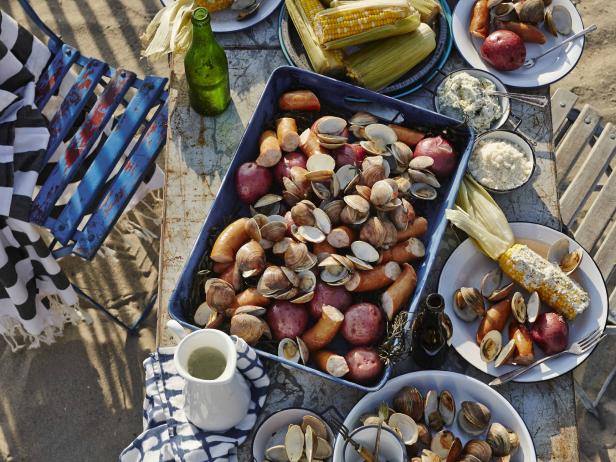
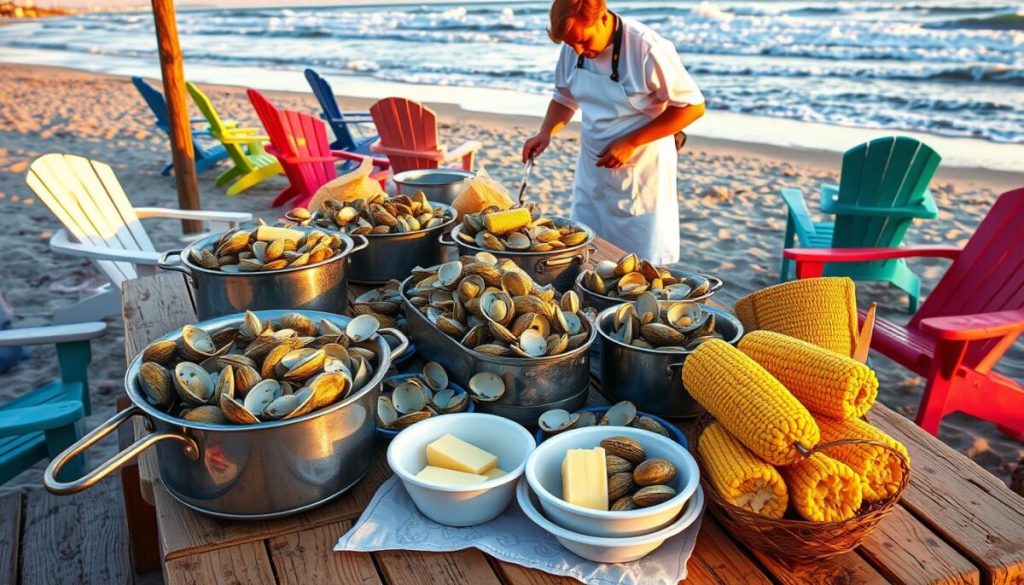

The essence of a ‘Resep Clam Bake Ala Pantai Amerika’—or an American Seaside Clam Bake recipe—lies in its simplicity and the quality of its ingredients. It is a one-pot wonder where timing and layering are paramount. The steam generated from a flavorful broth cooks a variety of seafood, sausages, and vegetables simultaneously, allowing the flavors to meld together into a harmonious, savory masterpiece. Whether you are hosting a large gathering or preparing a special family dinner, mastering the art of the clam bake is a rewarding endeavor.
The Historical Roots of the Clam Bake
To truly appreciate this dish, one must understand its origins. The clam bake is rooted in Indigenous American culture. Native American tribes in New England have been cooking seafood in sand pits for thousands of years. They would heat stones in a fire, layer wet seaweed over them to create steam, and then pile on clams, lobsters, and corn. European settlers adopted this method, and over centuries, it evolved into the quintessential American summer tradition we recognize today.
Selecting the Best Seafood
The star of the show is, undeniably, the seafood. For an authentic experience, variety is key. The foundation usually consists of hard-shell clams, such as Littlenecks or Cherrystones, or soft-shell clams known as ‘steamers.’ These provide the briny base that flavors the entire pot. When purchasing clams, ensure they are alive; their shells should be tightly closed or should snap shut when tapped. Discard any with cracked shells.
Beyond clams, mussels are a popular addition. They offer a sweeter, softer texture compared to the chewiness of the clams. Rope-grown mussels are often preferred for their cleanliness and sustainability. Like clams, they should be alive at the time of cooking. Scrubbing the shells and removing the ‘beard’—the fibrous threads used by the mussel to attach to surfaces—is a necessary preparation step.
For those looking to elevate the dish to a luxurious level, lobster is the ingredient of choice. In a traditional New England bake, whole lobsters are used. However, for a stove-top or large pot version, lobster tails or claws are often more manageable and cost-effective. Shrimp is another excellent addition, adding sweetness and a pop of color. Large, shell-on shrimp are recommended as the shells contribute flavor to the broth and protect the meat from overcooking.
The Importance of Sausage
A crucial, non-seafood element in a clam bake is the sausage. It provides a smoky, savory counterpoint to the sweet seafood. Traditional recipes often use Linguiça or Chouriço, Portuguese smoked sausages that became staples in New England due to the influence of Portuguese fishermen. If these are unavailable, a high-quality Andouille or Kielbasa works beautifully. The fat renders out during the cooking process, seasoning the broth and the vegetables.
Vegetables: The Supporting Cast
The vegetables in a clam bake are not merely sides; they absorb the flavorful steam and become delicacies in their own right. Fresh corn on the cob is mandatory. Cut into manageable rounds, the corn adds sweetness and a satisfying crunch. Potatoes are the other essential starch. Small red potatoes or Yukon Golds are ideal because they hold their shape well and have a creamy texture that pairs perfectly with drawn butter.
Onions and garlic form the aromatic base. A large yellow onion, quartered or thickly sliced, along with a whole head of garlic (halved horizontally), infuses the steam with savory depth. Some chefs also include fennel bulbs for a subtle anise flavor that complements seafood wonderfully.
The Broth: Creating the Steam
While the ingredients release their own juices, a liquid base is required to start the steaming process. A dry white wine (like Pinot Grigio or Sauvignon Blanc) is a classic choice, offering acidity to cut through the richness of the butter and sausage. Alternatively, a light lager or pilsner beer adds a malty, earthy dimension that is very traditional. For a non-alcoholic version, seafood stock or water with lemon juice is perfectly acceptable.
Seasoning the Pot
The seasoning profile of a clam bake is distinct. Old Bay seasoning is the gold standard in American seafood cooking. It is a blend of celery salt, black pepper, crushed red pepper flakes, and paprika, among other spices. Generous amounts of Old Bay, along with fresh thyme, bay leaves, and black peppercorns, create the signature flavor profile. Fresh lemon is also essential; the acidity brightens the heavy flavors.
Preparation: The Purging Process
Before any cooking begins, preparation is vital, particularly for the clams. Clams live in sand and mud, and nothing ruins a clam bake faster than grit in your teeth. To purge them, place the clams in a bowl of cold water with sea salt (simulating ocean water) for 30 minutes to an hour. This encourages them to expel any sand they are holding. Afterward, lift them gently out of the water (do not pour into a colander, or you will dump the sand back over them) and scrub the shells under cold running water.
Equipment Needed
If you aren’t digging a pit on a beach, you will need a very large pot. A stockpot with a capacity of at least 16 to 20 quarts is ideal for feeding a group. If you have a lobster pot with a steamer insert, that is even better, as it keeps the ingredients out of the direct boiling liquid, allowing them to steam properly. If you don’t have a steamer basket, you can create a makeshift rack using crumpled aluminum foil or a layer of onions and potatoes at the bottom.
The Layering Technique
The secret to a successful indoor clam bake is the layering. Ingredients cook at different rates, so they must be added in a specific order or layered strategically. The ingredients that take the longest to cook go at the bottom, closest to the heat source, while delicate items go on top.
Start by searing the sausage in the bottom of the pot with a little oil until it is browned and the fat has rendered. Remove the sausage and set it aside, leaving the flavorful oil in the pot. Sauté the onions and garlic in this fat until fragrant. This forms the flavor foundation.
Add your liquid (wine, beer, or stock) to the pot. It should only be about an inch or two deep; remember, we are steaming, not boiling. Bring this liquid to a vigorous boil. Now, begin the layering. The potatoes go in first. They are the densest item and require the most time and heat to become tender.
Building the Layers
After the potatoes have cooked for about 8-10 minutes in the covered pot, it is time to add the next layer. Place the corn and the browned sausage on top of the potatoes. Sprinkle a generous amount of Old Bay seasoning over this layer. Cover and cook for another 5 minutes. The steam is now circulating through the potatoes and corn, carrying the aroma of the sausage.
Next, add the clams and mussels. These should be placed gently on top of the corn. If you are using lobster, it should also go in at this stage, depending on the size. If using shrimp, they should be the very last addition, placed at the very top, as they cook in just a few minutes. Sprinkle more seasoning and perhaps some fresh herbs like parsley or thyme over the seafood.
The Steaming Process
Once all ingredients are in the pot, cover it tightly with a lid. If your lid isn’t heavy, you can weigh it down or place a sheet of aluminum foil under the lid to create a tighter seal. The goal is to trap every bit of steam. Lower the heat to medium-high and let it steam. The total cooking time once the seafood is added is usually between 10 to 15 minutes.
Checking for Doneness
Resist the urge to open the lid frequently, as this releases the precious steam. After about 10 minutes, check the pot. The clams and mussels should have opened their shells wide. The shrimp should be opaque and pink, and the lobster shells should be bright red. If the clams haven’t opened, cover and steam for another 2-3 minutes. Note: Any clams or mussels that remain closed after thorough cooking should be discarded, as they were likely dead before cooking and are not safe to eat.
The Finishing Touches
While the pot is steaming, prepare the dipping sauce. The classic accompaniment is drawn butter. Melt high-quality salted butter slowly, allowing the milk solids to separate and sink to the bottom. Skim off the foam from the top and pour the clear, golden butter into small ramekins. Serve with wedges of fresh lemon.
For a modern twist, you can also prepare a spicy garlic aioli or a remoulade sauce. However, the sweetness of the fresh seafood usually shines best with simple butter and lemon. Chopped fresh parsley and a final dusting of Old Bay over the cooked pot add a vibrant finish.
Serving the Feast
Serving a clam bake is an event in itself. Forget fine china and tablecloths. The traditional way to serve this is ‘family style’ on a table covered in butcher paper or newspaper. This absorbs the moisture and makes cleanup incredibly easy. Use a large slotted spoon or spider strainer to lift the ingredients out of the pot and pile them onto the center of the table or into large communal platters.
Provide guests with the necessary tools: lobster crackers, small forks for picking meat from shells, and plenty of napkins or bibs. Eating a clam bake is a tactile, hands-on experience that can get messy, but that is part of the fun. Place large bowls on the table for discarded shells.
Pouring the Broth
Do not discard the liquid left at the bottom of the pot! This broth, known as ‘pot liquor,’ is liquid gold. It is concentrated with the juices of the clams, the starch of the potatoes, the spice of the sausage, and the sweetness of the corn. Strain this broth carefully through a fine-mesh sieve or cheesecloth to remove any grit, and serve it in mugs or small bowls alongside the butter for dipping the seafood and bread.
Beverage Pairings
To complement the rich, salty, and savory flavors of the clam bake, beverage selection is important. Ice-cold beer is the traditional American pairing; a crisp lager, pilsner, or a summer ale works best. For wine lovers, a high-acid white wine is necessary to cleanse the palate. A dry Riesling, Albariño, or an unoaked Chardonnay are excellent choices. For non-alcoholic options, fresh lemonade or iced tea provides a refreshing contrast.
Side Dishes
Because the clam bake is a complete meal containing protein, starch, and vegetables, heavy side dishes are unnecessary. However, a few light additions can round out the menu. A crisp, vinegar-based coleslaw provides a crunchy, acidic contrast to the warm, soft seafood. Crusty bread, such as a baguette or sourdough, is essential for soaking up the delicious broth and butter.
Variations on the Theme
While this guide focuses on the New England style, there are regional variations. A ‘Low Country Boil’ from the American South is similar but typically involves boiling the ingredients directly in heavily spiced water (often with Cajun spices) rather than steaming them, and usually omits the clams in favor of more shrimp and crawfish. Understanding these nuances allows you to customize your clam bake to your personal taste preferences.
Safety and Sustainability
When sourcing seafood, always try to buy from sustainable sources. Ask your fishmonger about the origin of the clams and shrimp. Freshness is paramount not only for flavor but for food safety. Seafood should smell like the ocean, never fishy or ammonia-like. Keep all seafood on ice until the very moment it goes into the pot.
Conclusion
Hosting an American Seaside Clam Bake is about more than just feeding people; it is about creating a memory. It captures the relaxed, abundance-focused spirit of coastal living. Whether you are cooking in a sleek city kitchen or on a patio grill, the combination of steaming clams, sweet corn, and spicy sausage brings the atmosphere of the beach directly to your table. So, gather your friends, chill the drinks, and prepare to get your hands dirty with this ultimate seafood feast.