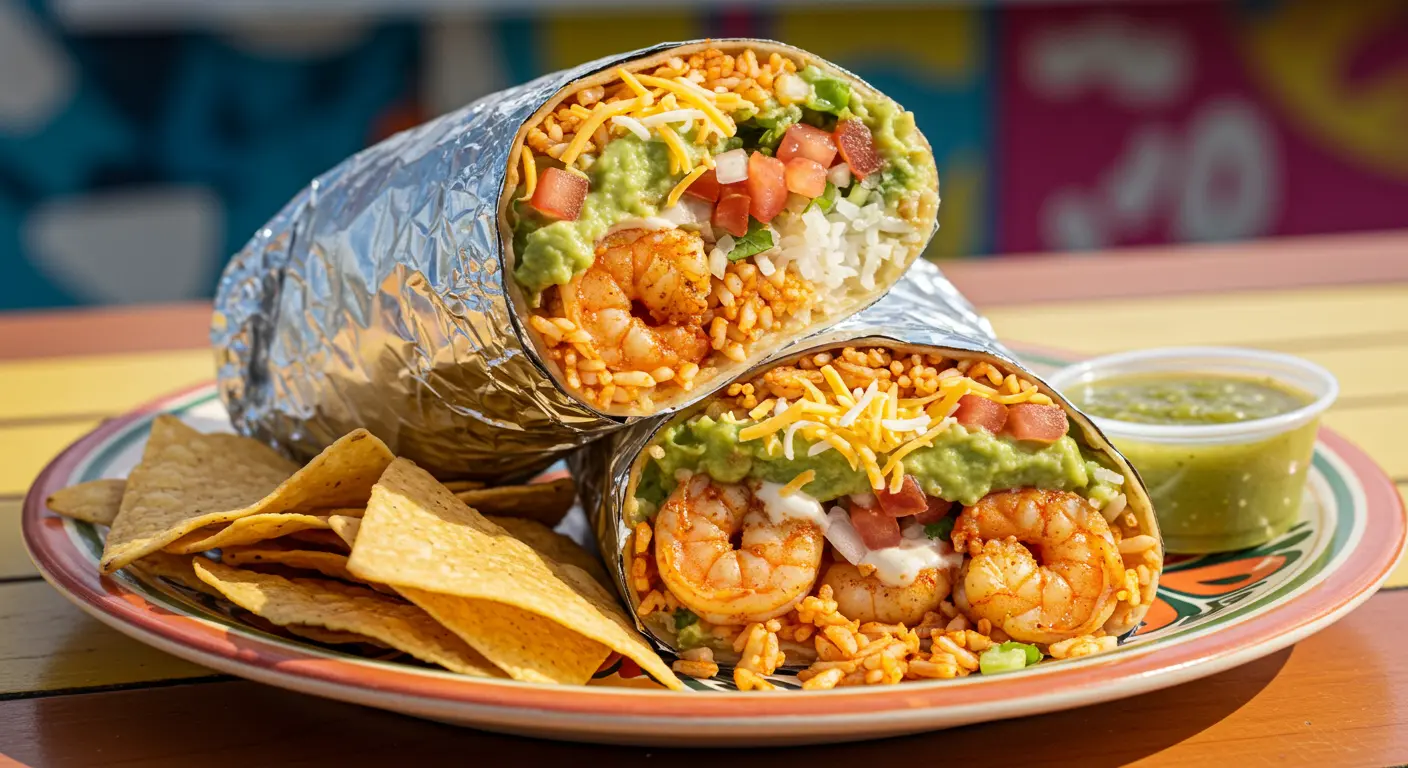
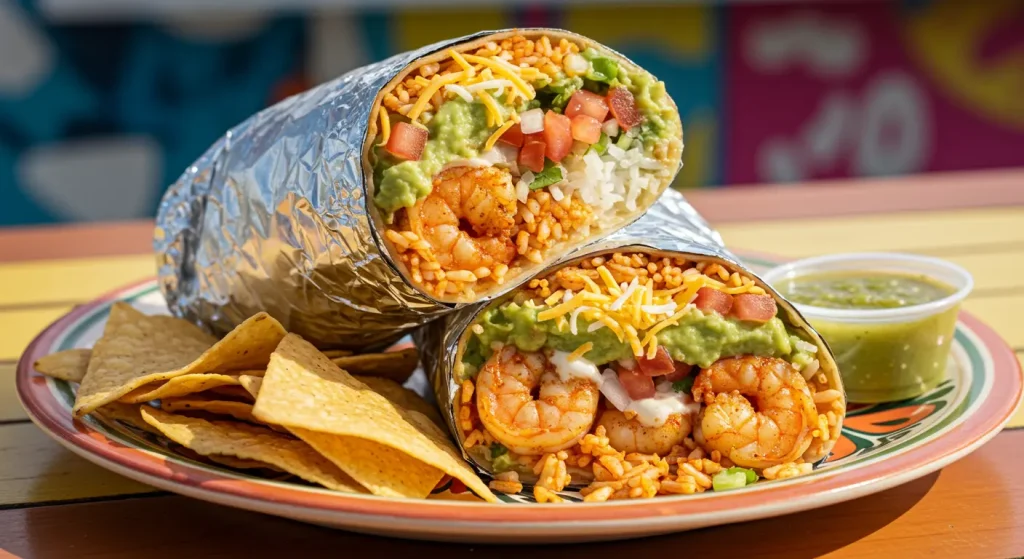

Imagine a warm, soft tortilla generously filled with succulent, perfectly seasoned seafood, complemented by fresh vegetables, creamy sauces, and perhaps a hint of zesty lime. This isn’t just a meal; it’s a culinary journey that transports your taste buds to coastal paradises. Crafting a truly delicious seafood burrito, however, goes beyond simply combining ingredients; it requires attention to detail, an understanding of flavour profiles, and a passion for fresh produce.
This comprehensive guide is designed to empower you with all the knowledge and tips you need to master the art of making exquisite seafood burritos at home. We’ll delve into everything from ingredient selection and preparation to assembly techniques and creative variations, ensuring your next seafood burrito is nothing short of spectacular.
- Shrimp: Quick-cooking, sweet, and incredibly popular. Opt for medium to large shrimp, peeled and deveined.
- Fish: Flaky white fish like cod, mahi-mahi, snapper, or even tilapia work wonderfully. Ensure it’s firm and fresh.
- Scallops: For a touch of elegance, pan-seared scallops add a sweet, tender bite.
- Calamari: Lightly fried or grilled calamari can offer an interesting texture.
- Crab Meat: Fresh or high-quality imitation crab meat can add a luxurious sweetness.
Regardless of your choice, freshness is paramount. When selecting fish, look for clear, bulging eyes, bright red gills, and firm, shiny flesh. Shrimp should be firm and translucent with a mild, ocean-like smell. Avoid any seafood with a strong, ‘fishy’ odour, as this indicates it’s past its prime.
Preparing the seafood properly is key to its flavour and texture. For shrimp, a quick sauté or grill is ideal. Season them simply with salt, pepper, garlic powder, paprika, and a squeeze of lime juice. Cook until just pink and opaque to avoid rubberiness. For fish, pan-searing, grilling, or baking are excellent methods. Marinate fish fillets in a mixture of olive oil, lime juice, chili powder, cumin, and oregano for at least 15-20 minutes to infuse flavour.
When cooking fish, aim for a delicate, flaky texture. Overcooking will result in dry, tough seafood, which can ruin the entire burrito experience. A good rule of thumb is to cook fish until it flakes easily with a fork. For pan-searing, a hot skillet with a little oil will give you a beautiful crust.
Next up are the essential supporting characters: rice and beans. These add substance, texture, and classic Mexican flavour to your burrito. While optional for a lighter version, they are highly recommended for a truly satisfying meal.
Mexican rice, often seasoned with tomato, onion, garlic, and chicken broth, provides a comforting base. Alternatively, plain white or brown rice can be used. For beans, black beans or pinto beans are the most common choices. You can use canned beans (rinsed thoroughly) for convenience or cook them from scratch for superior flavour. Season your beans with cumin, chili powder, garlic, and a touch of onion for an authentic taste.
- Shredded Cabbage or Lettuce: Adds a crisp, refreshing element.
- Pico de Gallo: A classic salsa made with diced tomatoes, onions, cilantro, and jalapeños, brightened with lime juice.
- Corn Salsa: A sweet and savoury mix of corn kernels, red onion, bell peppers, and cilantro.
- Avocado or Guacamole: Essential for creamy texture and healthy fats.
- Pickled Red Onions: Adds a tangy, sharp contrast.
- Roasted Bell Peppers and Onions: For a sweeter, smoky flavour profile.
- Monterey Jack or Oaxaca Cheese: Excellent melting cheeses that offer a mild, creamy flavour. Shredding your own cheese is always better than pre-shredded for meltability.
- Sour Cream or Mexican Crema: A dollop adds a cool, tangy contrast.
- Chipotle Crema: Mix sour cream or Greek yogurt with adobo sauce from canned chipotle peppers for a smoky, spicy kick.
- Cilantro-Lime Crema: Blend sour cream or Greek yogurt with fresh cilantro, lime juice, and a pinch of salt.
The sauce is where much of the magic happens, elevating your seafood burrito from good to unforgettable. Don’t shy away from making your own; it’s often simpler than you think and yields superior results.
- Salsa Roja: A classic cooked tomato-based salsa, offering depth and mild heat.
- Salsa Verde: Made from tomatillos, this salsa is tangy and bright.
- Mango Habanero Salsa: For a sweet and spicy tropical twist that pairs wonderfully with seafood.
- Avocado Crema: A lighter, fresher alternative to guacamole, perfect for drizzling.
- Spicy Mayo: Simply mix mayonnaise with sriracha or a pinch of cayenne pepper.
First, lay a warmed tortilla flat on a clean surface. Imagine the tortilla divided into thirds horizontally. Place your base layer (usually rice or beans) in the bottom third of the tortilla, leaving about an inch clear on the sides. This forms a sturdy foundation.
Next, layer your seafood directly on top of the rice/beans. Distribute it evenly but avoid overloading. Then, add your vegetable fillings – lettuce, pico de gallo, corn salsa, avocado – ensuring they are somewhat contained within the central area. Finally, drizzle your chosen sauces and sprinkle cheese over the fillings.
To fold, start by folding the bottom edge of the tortilla up and over the fillings, tucking it in tightly. Then, fold in the left and right sides of the tortilla towards the centre. While holding the sides in, continue to roll the burrito upwards from the bottom, applying gentle pressure to keep it snug. The goal is a compact, cylindrical shape that holds all the delicious contents securely.
Pro Tip: Don’t overfill! This is the most common mistake. It makes rolling impossible and leads to a messy, falling-apart burrito. It’s better to make two smaller burritos than one gargantuan, unwieldy one.
Serving your seafood burritos is just as enjoyable as making them. They are perfect on their own, perhaps with a side of extra salsa or a wedge of lime. For a complete meal, consider serving them with tortilla chips and guacamole, a fresh green salad, or a simple side of seasoned black beans.
The beauty of burritos lies in their endless customization. Don’t be afraid to experiment with different seafood combinations, unique vegetable pairings, or homemade sauces. Consider adding a touch of smoky flavour with grilled pineapple salsa, or a spicy kick with a ghost pepper hot sauce if you dare.
For those mindful of health, seafood burritos can be easily adapted. Opt for whole wheat tortillas, load up on extra vegetables, and go light on the cheese and creamy sauces. Grilling or baking your seafood instead of frying also significantly reduces fat content. Greek yogurt can be a fantastic, protein-rich substitute for sour cream or crema.
Making seafood burritos can also be a great option for meal prepping. You can prepare most of the components ahead of time: cook the rice and beans, chop vegetables for salsa, and even cook the seafood. Store them separately in airtight containers in the refrigerator. When you’re ready to eat, simply warm the components and assemble your burrito fresh.
While this guide focuses on burritos, remember that these delicious seafood fillings and components can also be used to create amazing seafood tacos, bowls, or even quesadillas. The principles of fresh ingredients and balanced flavours remain the same.
In conclusion, crafting a truly delicious seafood burrito is a rewarding culinary experience. It’s a dish that celebrates fresh ingredients, vibrant flavours, and the joy of creating something wonderful with your own hands. By following these tips – from careful ingredient selection to mastering the art of assembly – you’ll be well on your way to making seafood burritos that impress and delight every single time. So, gather your ingredients, unleash your inner chef, and prepare to embark on a flavourful adventure!
Enjoy the process, and savour every bite of your homemade seafood masterpiece!