
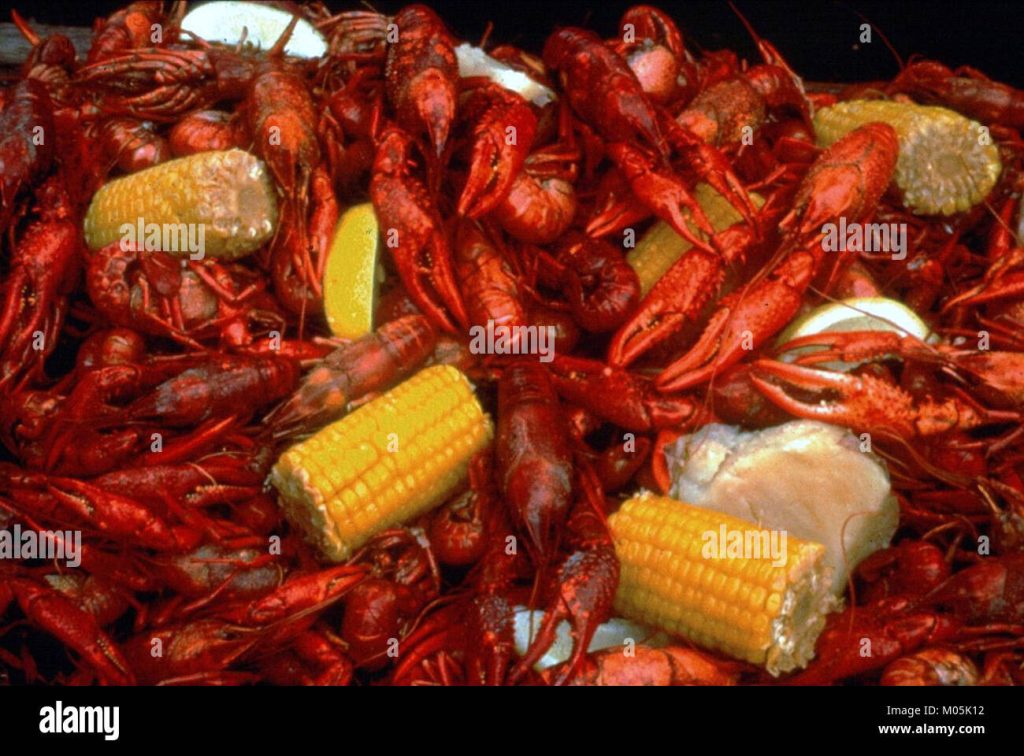

The word étouffée is derived from the French verb étouffer, which translates literally ‘to smother’ or ‘to suffocate.’ In culinary terms, this refers to a method of cooking where the main ingredient—typically shellfish like shrimp, crawfish, or crab—is simmered in a small amount of liquid, smothered in a rich sauce made from a roux, vegetables, and seasonings. Unlike a soup or a gumbo, which have higher liquid contents, an etouffee is thicker, richer, and designed to cling lovingly to a bed of fluffy white rice.
Understanding the Distinction: Creole vs. Cajun
Before igniting the stove, it is essential for any aspiring chef to understand the nuance between Creole and Cajun cuisines, as this dictates the ingredient list. Cajun food is born from the rustic countryside of Louisiana, utilizing available fats like lard or oil and generally eschewing tomatoes. Creole cuisine, however, is the cosmopolitan food of New Orleans, influenced by French, Spanish, African, and Italian settlers. Consequently, a Creole Etouffee often incorporates butter for the roux and, crucially, includes tomatoes, giving the dish a slightly reddish hue and a complex acidity that cuts through the richness.
The Foundation: The Holy Trinity
At the heart of almost every savory Louisiana dish lies the ‘Holy Trinity’ of vegetables. This consists of onions, celery, and bell peppers (usually green). This aromatic mirepoix is the non-negotiable base upon which the flavor profile is built. For a professional-grade etouffee, the ratio is typically two parts onion to one part celery and one part bell pepper. The vegetables must be chopped uniformly to ensure they cook evenly and melt into the sauce, providing a savory background rather than chunky distractions.
The Soul of the Dish: The Roux
If the vegetables are the foundation, the roux is the soul. A roux is a mixture of fat and flour cooked together to create a thickening agent. For a Creole Etouffee, butter is the preferred fat, offering a silky, creamy mouthfeel that oil cannot replicate. The flour and butter are cooked together until they reach a specific color. While gumbo requires a dark, chocolate-colored roux, etouffee calls for a ‘blonde’ or ‘peanut butter’ colored roux. This lighter roux retains more thickening power and offers a nuttier, more toasted flavor profile without the intense smokiness of a dark roux.
The Importance of Seafood Stock
Water should never be the primary liquid in a high-quality etouffee. To achieve a depth of flavor that resonates with every bite, you must use a robust seafood stock. If you are peeling your own shrimp or crawfish, save the shells and heads. Simmer these shells with onion skins, celery ends, peppercorns, and a bay leaf for 45 minutes to extract their essence. This homemade stock will elevate your dish from good to restaurant-quality. If time is a constraint, a high-quality clam juice or store-bought fish stock can serve as a substitute, though homemade is always superior.
Detailed Ingredients List
To begin, ensure you have your mise en place ready. You will need: 1 pound of peeled and deveined shrimp (or crawfish), 1 stick of unsalted butter, 1/2 cup of all-purpose flour, 2 cups of diced onions, 1 cup of diced celery, 1 cup of diced green bell pepper, 4 cloves of minced garlic, 1 cup of crushed tomatoes or tomato sauce (for the Creole touch), 2 to 3 cups of seafood stock, Worcestershire sauce, hot sauce, fresh parsley, green onions, and a blend of Creole seasonings (paprika, cayenne, garlic powder, onion powder, oregano, thyme, salt, and black pepper).
Step 1: Creating the Roux
Begin by melting the butter in a heavy-bottomed pot or Dutch oven over medium heat. Once the butter begins to foam, sprinkle in the flour. Whisk constantly. This is the most critical stage; if you stop stirring, the flour will burn, and you will have to start over. Cook the mixture for approximately 10 to 15 minutes. You are looking for a color resembling peanut butter or caramel. The aroma should shift from raw flour to a nutty, toasted scent.
Step 2: Sautéing the Aromatics
Once the roux reaches the desired shade, immediately add the Holy Trinity (onions, celery, bell peppers). The water content in the vegetables will stop the roux from darkening further. Stir the vegetables into the roux, coating them completely. Lower the heat slightly and cook for about 8 to 10 minutes until the vegetables are soft and translucent. Do not rush this step; the vegetables need to release their sugars to balance the savory elements.
Step 3: Building the Flavor Layer
Add the minced garlic to the pot and cook for another minute until fragrant. Be careful not to burn the garlic, which can turn bitter. Next, introduce your tomatoes. Since this is a Creole Etouffee, the tomatoes add a necessary brightness. Stir in the crushed tomatoes and cook for 2-3 minutes, allowing them to caramelize slightly and integrate with the roux-coated vegetables.
Step 4: Incorporating the Liquid
Slowly pour in the seafood stock, whisking constantly to ensure no lumps form. The mixture will thicken rapidly as the roux absorbs the liquid. Bring the sauce to a gentle simmer. At this point, add your seasonings: the Creole spice blend, a dash of Worcestershire sauce, a bay leaf, and your preferred hot sauce. The amount of heat is subjective; start with a little and adjust later. Let this sauce simmer uncovered for about 20 to 30 minutes. This simmering period allows the flour taste to cook out completely and the flavors to meld.
Step 5: Texture and Consistency
Check the consistency of your sauce. An etouffee should be thick enough to coat the back of a spoon but not pasty. If it is too thick, add a splash more stock or water. If it is too thin, continue simmering to reduce. The texture should be velvety and glossy, a hallmark of the butter-based roux.
Step 6: Adding the Seafood
The final cooking step is adding the seafood. Shrimp and crawfish cook very quickly and can become rubbery if overexposed to heat. Stir in your raw seafood and lower the heat to a gentle simmer. Cover the pot and cook for roughly 5 to 7 minutes. The shrimp will turn pink and opaque, and crawfish tails will curl. If using lump crab meat, fold it in gently at the very last minute just to warm it through, preserving its delicate lumps.
Step 7: Final Seasoning and Herbs
Turn off the heat. Stir in a generous handful of chopped fresh parsley and green onions (scallions). Squeeze half a lemon into the pot; the acid will brighten the heavy, rich flavors and pull everything together. Taste the etouffee. Does it need more salt? More heat? Adjust accordingly. Remember, the flavors will continue to develop as it sits.
Serving Suggestions
Etouffee is traditionally served over steamed long-grain white rice. The neutral rice acts as the perfect canvas for the rich, spicy sauce. To serve, place a scoop of rice in the center of a shallow bowl and ladle the etouffee generously over and around it. Garnish with extra green onions and perhaps a sprinkle of paprika for color.
Accompaniments
To create a complete meal, serve your Creole Seafood Etouffee with crusty French bread or garlic butter baguettes. The bread is essential for mopping up every last drop of the sauce. A side of braised greens or a simple crisp green salad with a vinaigrette can help cut through the richness of the dish. For beverages, an amber beer or a crisp white wine like Sauvignon Blanc pairs beautifully.
Storage and Reheating
Like many stews, etouffee often tastes even better the next day as the flavors have had more time to marry. It can be stored in an airtight container in the refrigerator for up to three days. When reheating, do so gently over low heat on the stove. You may need to add a splash of water or stock to loosen the sauce, as the starch will have tightened it during refrigeration. Avoid microwaving if possible, especially if containing shrimp, to prevent rubbery textures.
Common Mistakes to Avoid
One of the most common pitfalls is burning the roux. High heat is the enemy here; patience is your friend. Another mistake is overcooking the vegetables. They should be soft, almost melting, not crunchy. Finally, resist the urge to over-season with salt early in the process, especially if using store-bought stock or Cajun seasoning blends which can be high in sodium. Season at the end to ensure perfect balance.
Variations on the Classic
While this guide focuses on the Creole style, you can experiment. Some chefs add a splash of heavy cream at the end for an even richer texture, though purists might debate this. Others might incorporate Andouille sausage for a smoky, meaty element, although this pushes the dish closer to a gumbo profile. The beauty of etouffee lies in its versatility within the constraints of the technique.
The Role of Spices
A note on ‘Creole Seasoning’: While you can buy pre-made blends, making your own allows for control. A standard blend includes paprika (for color and mild earthiness), cayenne pepper (for heat), garlic powder, onion powder, dried oregano, dried thyme, salt, and black pepper. Freshly ground black pepper and high-quality paprika make a significant difference in the final outcome.
Conclusion
Cooking Creole Seafood Etouffee is more than just following a recipe; it is an exercise in technique and timing. From the nutty aroma of the roux to the fresh snap of the green onions at the finish, every step contributes to a symphony of flavors that define New Orleans dining. By mastering this dish, you bring a piece of Southern hospitality into your home, offering a meal that is comforting, sophisticated, and deeply satisfying.