
The origins of gumbo are as rich and layered as the dish itself, reflecting a fascinating fusion of West African, French, Spanish, and Native American culinary traditions. The name ‘gumbo’ is widely believed to derive from the West African word ‘kingombo,’ meaning okra, one of the traditional thickening agents. Over centuries, as various cultures converged in Louisiana, gumbo evolved, with distinct Creole and Cajun styles emerging, each with its own nuances and preferred ingredients.
While both Creole and Cajun gumbos share foundational elements, seafood gumbo, in particular, showcases the abundant marine life of Louisiana’s coastal waters. From succulent shrimp to flaky fish, tender crab, and briny oysters, a well-made seafood gumbo is a symphony of flavors that transports you straight to the bayou. This guide will walk you through every step, ensuring you master the art of this beloved dish, from the crucial roux to the final garnish.
The Roux: The Soul of Gumbo. Without a doubt, the roux is the most critical component of any authentic gumbo. It is more than just a thickening agent; it is the flavor foundation, providing a deep, nutty base that defines the gumbo’s character and color. A roux is a mixture of fat (typically oil or lard) and flour, cooked together over medium heat until it achieves a specific color and aroma. Rushing the roux is the cardinal sin of gumbo making.
For seafood gumbo, a medium to dark brown roux is generally preferred. This color, often described as peanut butter or milk chocolate, offers a rich, toasted flavor that complements the delicate sweetness of the seafood without overpowering it. Achieving this color requires patience and constant attention, as the roux can burn quickly if left unattended, rendering it bitter and unusable.
Next in line is the Holy Trinity: diced onions, celery, and green bell peppers. This aromatic trio is the flavor backbone of countless Louisiana dishes, providing a fresh, vibrant counterpoint to the deep richness of the roux. Sautéing these vegetables until softened and fragrant builds another layer of complexity, releasing their essential oils and sweetening their flavors before the liquid is added.
A good quality stock is equally important. While chicken or vegetable stock can be used, a homemade seafood stock made from shrimp shells and fish bones will elevate your seafood gumbo to an unparalleled level. Its delicate flavor enhances the natural taste of the seafood, creating a cohesive and deeply satisfying experience.
Now, let’s gather our ingredients for an authentic Louisiana Seafood Gumbo. The quality and freshness of your seafood are paramount for a truly exceptional dish. Do not compromise here; seek out the best available.
Ingredients List:
- For the Roux: 1 cup vegetable oil (or lard), 1 cup all-purpose flour
- The Holy Trinity: 2 large yellow onions, diced; 2 stalks celery, diced; 1 large green bell pepper, diced
- Aromatics: 4-6 cloves garlic, minced
- Stock: 8-10 cups seafood stock (or chicken/vegetable stock)
- Seafood: 1.5 lbs medium shrimp, peeled and deveined; 1 lb firm white fish (e.g., cod, snapper), cut into 1-inch pieces; 1 lb lump crab meat (fresh or pasteurized); 1 pint fresh oysters, shucked (optional, added at the very end)
- Seasonings: 1-2 tsp salt (to taste); 1 tsp black pepper; 1/2 tsp cayenne pepper (or more, to taste); 1 tsp dried thyme; 2-3 bay leaves; Fresh parsley and green onions, chopped (for garnish)
- Optional Thickener: 1-2 tbsp filé powder (sassafras leaves, added off heat) or 1 cup sliced fresh okra (added earlier in cooking)
- Serving: Cooked white rice, hot sauce (e.g., Tabasco)
Selecting your seafood carefully is crucial. For shrimp, opt for fresh, firm shrimp with a mild smell. Peeling and deveining them yourself ensures freshness, and you can use the shells to make a quick, flavorful stock. If using frozen shrimp, thaw them completely and pat dry before adding to the gumbo.
Crab meat, whether fresh lump crab or pasteurized, adds a luxurious sweetness. If you have access to fresh blue crabs, boiling and picking them yourself provides an unmatched flavor, though it is a more time-consuming process. Ensure all shell fragments are removed.
Oysters, if you choose to include them, should be shucked just before use to maintain their briny freshness. They are delicate and should be added at the very last moment to prevent them from becoming tough. Their liquor can also be added to the gumbo for extra depth.
For fish, a firm, white-fleshed variety like cod, snapper, or even catfish works well. Avoid delicate fish that might fall apart too easily. Cut the fish into manageable pieces, ensuring they are roughly uniform in size for even cooking.
Essential Equipment: To embark on your gumbo journey, you’ll need a few key pieces of kitchen equipment. A heavy-bottomed pot, ideally a Dutch oven, is indispensable for making the roux and simmering the gumbo evenly. A sturdy whisk is crucial for continuously stirring the roux, and a good chef’s knife and cutting board will make your mise en place much smoother.
Step 1: Preparing Your Ingredients (Mise en Place). Before you even think about lighting the stove, chop all your vegetables: onions, celery, bell peppers, and mince the garlic. Peel and devein your shrimp, cut your fish, and have your stock measured out. This preparation ensures a smooth cooking process, especially during the critical roux-making stage.
Step 2: Mastering the Roux. This is where patience truly pays off. In your heavy-bottomed Dutch oven, combine the oil and flour over medium heat. Stir constantly with your whisk, ensuring there are no lumps and the mixture cooks evenly. The roux will gradually change color, starting as a pale blonde, then moving to a peanut butter shade, and finally to a rich milk chocolate color. This process can take anywhere from 20 to 45 minutes.
As the roux darkens, its aroma will transform from a raw flour smell to a nutty, toasted fragrance. It’s crucial to maintain constant stirring, especially as it darkens, to prevent burning. If you see any black flecks, discard the roux and start over, as burnt roux will impart a bitter taste to your entire gumbo. The moment it reaches the desired milk chocolate color, proceed immediately to the next step.
Step 3: Building the Flavor Base with the Holy Trinity. Once your roux has reached the perfect color, immediately add the diced onions, celery, and green bell peppers to the pot. The residual heat of the roux will begin to cook them, and the moisture from the vegetables will help stop the roux from cooking further. Stir continuously for 8-10 minutes, or until the vegetables have softened and become translucent.
After the holy trinity has softened, add the minced garlic. Stir for another minute or two until fragrant, being careful not to burn the garlic, as it can quickly turn bitter. The aroma filling your kitchen at this stage is truly captivating, a testament to the layers of flavor you are building.
Step 4: Introducing the Stock. Gradually add the seafood stock to the pot, a cup or two at a time, whisking vigorously after each addition to prevent lumps from forming. The mixture will be very thick at first, but as you add more stock, it will loosen into a smooth, rich liquid. Once all the stock is added, bring the gumbo to a gentle simmer, stirring occasionally and scraping the bottom of the pot to ensure nothing sticks.
Allow the gumbo to simmer gently for at least 30 minutes, or even up to an hour, uncovered. This simmering time is essential for the flavors to meld and deepen. The roux will continue to thicken the gumbo as it cooks, and the vegetables will soften further, releasing their full potential into the broth.
Step 5: Seasoning Your Gumbo Base. Now is the time to season your gumbo. Add the salt, black pepper, cayenne pepper, dried thyme, and bay leaves. Start with the recommended amounts, but remember that seasoning is a personal journey. Taste the gumbo and adjust as needed. You might find you want more cayenne for a spicier kick, or a bit more salt to bring out the flavors. Remember, it’s easier to add more than to take away.
Step 6: Adding the Seafood. The timing of adding seafood is crucial to prevent overcooking. Shrimp cook very quickly, so they should be added towards the end. Similarly, fish and oysters are delicate. If you are using pre-cooked crab meat, it also goes in near the end to simply warm through.
Add the fish pieces to the simmering gumbo first, allowing them to cook for about 5-7 minutes, until they are opaque and just cooked through. Then, add the peeled and deveined shrimp. Cook for only 3-5 minutes, or until the shrimp turn pink and opaque. Overcooked shrimp become rubbery, so watch them closely.
If using lump crab meat, gently fold it in along with the shrimp, allowing it to warm through without breaking up the delicate lumps. If you are adding fresh shucked oysters, add them in the last 2-3 minutes of cooking. They will plump up and curl slightly when done. The goal is to cook the seafood just until tender and succulent.
Step 7: The Thickening Agents (Optional but Traditional). Some traditional gumbos incorporate either filé powder or okra as additional thickeners and flavor enhancers. If using okra, slice it and add it to the gumbo along with the stock, allowing it to cook down and release its natural mucilage, which thickens the stew. If using filé powder, stir it into the gumbo after you’ve removed it from the heat, just before serving. Adding filé to boiling gumbo can make it stringy. Filé also imparts a distinct earthy, citrusy flavor.
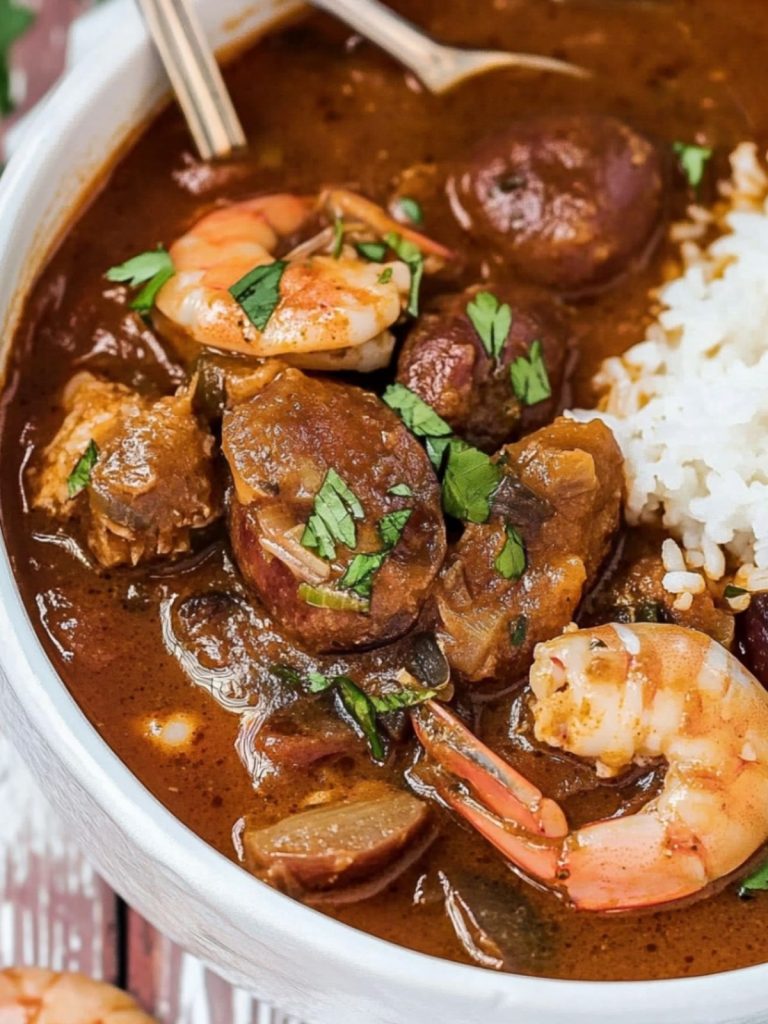
Serving Your Authentic Seafood Gumbo. Once your gumbo is complete, remove the bay leaves. Ladle generous portions over a mound of fluffy white rice. Garnish with a sprinkle of fresh chopped parsley and green onions. Serve immediately with a bottle of your favorite hot sauce on the side for those who desire an extra layer of heat. The contrast of the hot gumbo with the cool rice and fresh herbs is truly delightful.
Tips for Gumbo Perfection:
- Don’t Rush the Roux: This cannot be stressed enough. Patience is your best friend. A properly cooked roux is the bedrock of a great gumbo.
- Quality Stock Matters: A homemade seafood stock adds incredible depth. If using store-bought, choose a low-sodium option to control the salt content.
- Taste and Adjust: Seasoning is a continuous process. Taste your gumbo at various stages and adjust salt, pepper, and cayenne as needed.
- Don’t Overcook the Seafood: Seafood, especially shrimp and oysters, cooks quickly. Add it towards the end to ensure it remains tender and juicy.
- Let it Rest: Like many stews, gumbo often tastes even better the next day as the flavors continue to meld.
Variations and Customizations: While this guide focuses on seafood gumbo, don’t be afraid to experiment. Many gumbos include smoked sausage, such as Andouille, which adds a spicy, savory kick. If adding sausage, brown it before adding the holy trinity, or cook it with the vegetables to render its fat and infuse flavor. You can also vary the types of seafood based on seasonal availability and personal preference.
For those who enjoy a spicier dish, increase the amount of cayenne pepper. Some recipes also call for a dash of Worcestershire sauce or a splash of white wine for added complexity. Remember, while there are traditional guidelines, gumbo is also a dish that encourages personal expression and adapting to what’s available.
Storage and Reheating: Gumbo is an excellent dish for meal prepping or enjoying leftovers. Store cooled gumbo in an airtight container in the refrigerator for up to 3-4 days. To reheat, gently warm on the stovetop over low heat, stirring occasionally, until heated through. You may need to add a splash of stock or water to loosen it up if it has thickened considerably. Avoid boiling it vigorously, especially if it contains delicate seafood.
Making an authentic Louisiana Seafood Gumbo is a rewarding culinary adventure. It’s a dish that demands attention and respect for its traditions, but the effort is richly repaid with every spoonful. The deep, smoky roux, the aromatic holy trinity, and the fresh, succulent seafood come together in a symphony of flavors that is truly unforgettable.
This dish is more than just food; it’s a celebration of Louisiana’s heritage, a symbol of hospitality, and an invitation to gather around the table and share in a truly special meal. So, roll up your sleeves, embrace the process, and prepare to bring the soulful taste of the bayou into your home. Laissez les bons temps rouler! (Let the good times roll!)
We hope this comprehensive guide empowers you to create a seafood gumbo that rivals those found in the finest Louisiana kitchens. Enjoy the journey and the delicious destination!