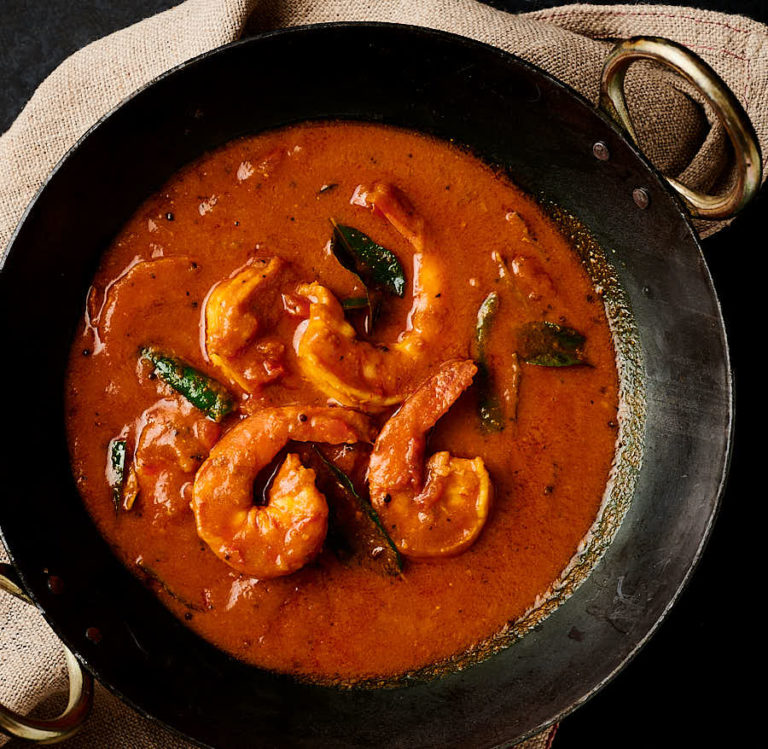
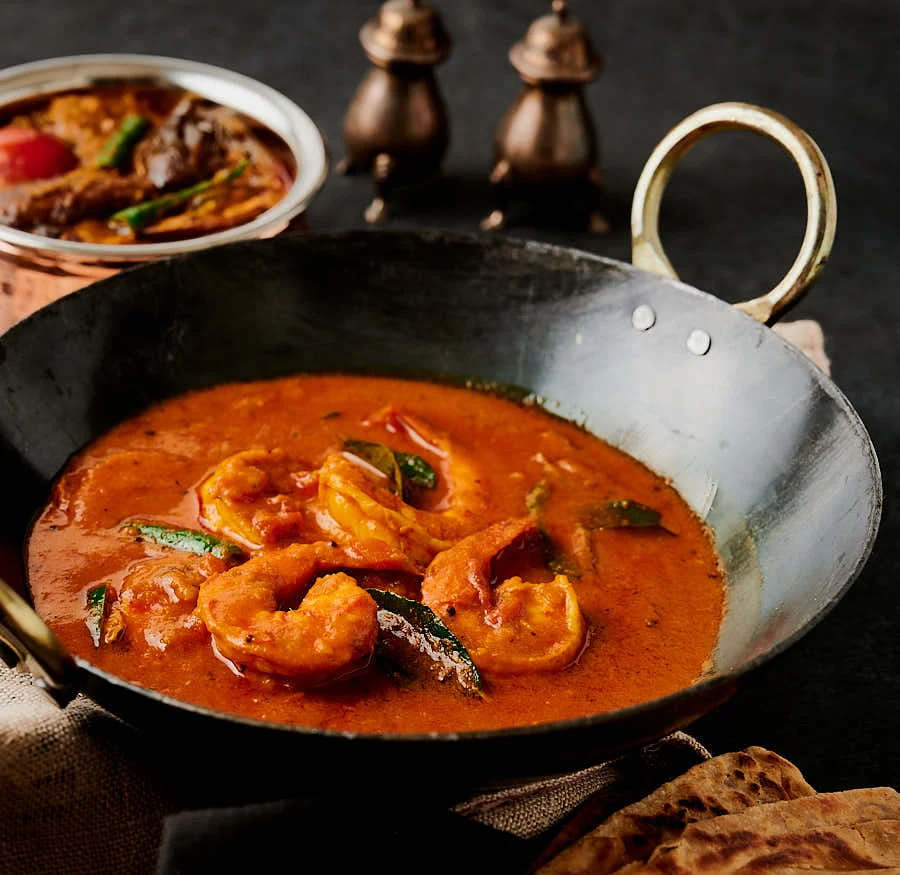

From the bustling coastal regions of India, where the freshest prawns are plucked from the ocean, to the aromatic spice markets brimming with exotic ingredients, this dish reflects the rich heritage and diverse culinary traditions of the country. Whether you are a seasoned chef or a novice cook, this guide will equip you with the knowledge and techniques to create a prawn curry that will transport your taste buds to the vibrant lands of India.
This guide will delve into every aspect of preparing this culinary masterpiece. We will explore the essential ingredients, the crucial techniques, and the subtle nuances that elevate a good prawn curry to a truly exceptional one. Get ready to unlock the flavors of India and impress your friends and family with your newfound culinary prowess.
Before we dive into the recipe, let’s appreciate the star of the show: the prawns. Choosing the right prawns is paramount to the success of your curry. Look for prawns that are firm to the touch, with a fresh, slightly briny aroma. Avoid prawns that have a strong ammonia smell, as this indicates they are not fresh.
You can use either fresh or frozen prawns. If using fresh, ensure they are thoroughly cleaned and deveined. Frozen prawns should be thawed completely before use. The size of the prawns is also a matter of personal preference. Larger prawns offer a more substantial bite, while smaller prawns cook more quickly and absorb the flavors of the curry more readily.
Onions: Onions form the base of the curry and provide a sweet and savory foundation. Use yellow or red onions, finely chopped.
Ginger and Garlic: Freshly grated ginger and minced garlic are crucial for adding depth and complexity to the flavor profile.
Green Chilies: Green chilies provide the heat. Adjust the quantity according to your spice preference.
Tomatoes: Tomatoes add acidity and sweetness, balancing the richness of the curry. Use fresh, ripe tomatoes, either chopped or pureed.
Turmeric Powder: Turmeric adds a vibrant color and earthy flavor, as well as its well-known health benefits.
Cumin Powder: Cumin lends a warm, earthy aroma and flavor.
Coriander Powder: Coriander provides a citrusy and aromatic note.
Garam Masala: Garam masala is a complex blend of spices that adds a final layer of depth and complexity.
Red Chili Powder: Red chili powder adds heat and a vibrant red color. Adjust the quantity to your liking.
Mustard Seeds: Mustard seeds, when tempered in hot oil, add a nutty flavor and a slight pop.
Curry Leaves: Curry leaves are essential for an authentic flavor. They add a unique aroma and a distinct flavor that is hard to replicate.
Coconut Milk: Coconut milk adds richness, creaminess, and a subtle sweetness. Use full-fat coconut milk for the best results.
Prawns: The star of the show! Choose fresh or frozen prawns, cleaned and deveined.
Oil: Use a neutral oil with a high smoke point, such as vegetable oil or canola oil.
Salt: To taste.
Now that we have gathered our ingredients, let’s move on to the techniques that will bring your prawn curry to life. The key to a flavorful curry lies in building the flavors gradually, allowing the spices to bloom and meld together.
Prepare the Base: Heat the oil in a large, heavy-bottomed pan or pot over medium heat. Add the mustard seeds and let them splutter. Then, add the curry leaves and sauté for a few seconds until fragrant.
Sauté the Aromatics: Add the chopped onions and sauté until they turn golden brown and caramelized. This step is crucial for developing the base flavor of the curry. Add the ginger, garlic, and green chilies and sauté for another minute until fragrant.
Bloom the Spices: Add the turmeric powder, cumin powder, coriander powder, and red chili powder. Sauté for a minute, stirring constantly, to bloom the spices and release their aromas. Be careful not to burn the spices.
Add the Tomatoes: Add the chopped or pureed tomatoes and cook until they soften and break down, about 5-7 minutes. If using fresh tomatoes, you may need to add a splash of water to prevent sticking.
Add the Prawns: Add the prawns to the pan and cook until they turn pink and opaque, about 3-5 minutes. Be careful not to overcook the prawns, as they will become tough.
Add the Coconut Milk: Pour in the coconut milk and bring the curry to a simmer. Season with salt to taste. Reduce the heat and simmer for 5-10 minutes, allowing the flavors to meld together.
Finish and Serve: Stir in the garam masala. Taste and adjust the seasoning as needed. Garnish with fresh coriander leaves (cilantro) and serve hot with rice, naan bread, or roti.
For those who enjoy a bit of extra heat, you can increase the amount of red chili powder or add a few more green chilies. You can also add a pinch of cayenne pepper for an extra kick. Alternatively, if you prefer a milder curry, reduce the amount of chili powder and green chilies.
Consider adding other vegetables to your prawn curry. Potatoes, bell peppers, and spinach are all excellent choices. Add the potatoes along with the onions, and the bell peppers towards the end of the cooking process.
Experiment with different spice blends to create your own signature prawn curry. Try adding a pinch of fenugreek seeds for a slightly bitter and savory flavor, or a touch of cardamom for a floral aroma.
The quality of your ingredients directly impacts the final flavor of your curry. Use fresh, high-quality spices and fresh coconut milk for the best results. If you cannot find fresh curry leaves, you can substitute with dried curry leaves, but the flavor will not be as authentic.
When cooking the prawns, be careful not to overcook them. Overcooked prawns become rubbery and tough. Cook them just until they turn pink and opaque.
Serve your prawn curry with a variety of accompaniments to enhance the dining experience. Steamed rice is a classic pairing, but you can also serve it with naan bread, roti, or paratha. Raita (yogurt with cucumber and spices) and a fresh salad are also excellent choices.
To achieve a richer flavor, you can sauté the onions for a longer time, until they are deeply caramelized. This will add a depth of flavor to the curry that is hard to replicate.
For a creamier curry, you can add a tablespoon of cashew paste or blanched almonds paste towards the end of the cooking process.
If you prefer a thicker curry, you can simmer the curry for a longer time to allow the sauce to reduce and thicken. Alternatively, you can add a slurry of cornstarch and water to thicken the sauce.
Prawn curry is a versatile dish that can be adapted to suit your preferences. Don’t be afraid to experiment with different spices, vegetables, and techniques to create your own unique version of this classic Indian dish.
Vegetarian Variations: For a vegetarian version, you can substitute the prawns with paneer (Indian cheese), tofu, or vegetables such as cauliflower, potatoes, and peas.
Seafood Variations: You can also adapt this recipe to other types of seafood, such as fish or scallops. Adjust the cooking time accordingly.
Regional Variations: Indian prawn curry recipes vary from region to region. Research the different regional variations to discover new and exciting flavor combinations.
Once you master the basic recipe, the possibilities are endless. Don’t be afraid to experiment and personalize the recipe to your liking. The most important thing is to enjoy the process and savor the delicious flavors of your homemade Indian prawn curry.
With this comprehensive guide, you are now equipped with the knowledge and skills to create an authentic and flavorful Indian-style prawn curry. Embrace the journey, experiment with flavors, and enjoy the culinary adventure that awaits you. Happy cooking!
Storage: Leftover prawn curry can be stored in an airtight container in the refrigerator for up to 3 days. Reheat gently on the stovetop or in the microwave.
Freezing: Prawn curry can be frozen for up to 2 months. Allow the curry to cool completely before freezing. Thaw in the refrigerator overnight before reheating.