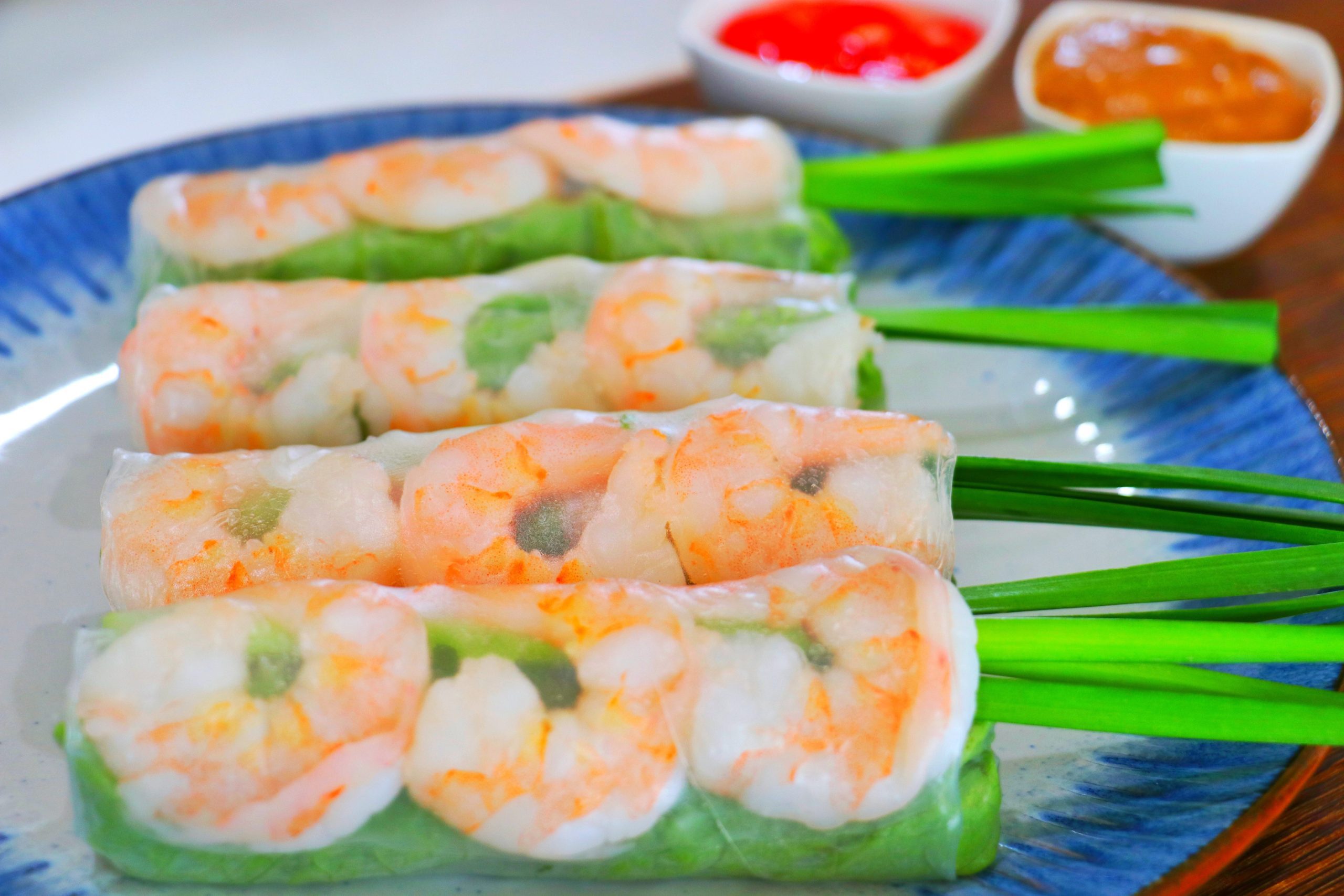
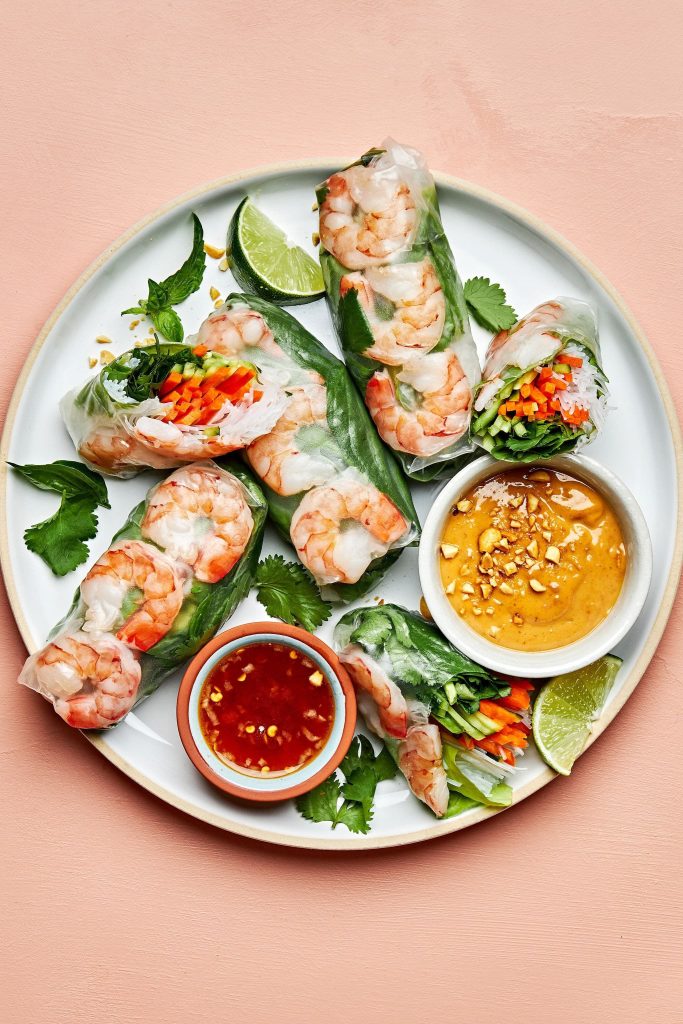

This comprehensive guide will take you on a culinary journey, demystifying the process of creating authentic fresh Vietnamese seafood summer rolls. We’ll delve into selecting the finest ingredients, mastering the delicate art of wrapping, and preparing the essential dipping sauces that elevate these rolls from simple appetizers to an unforgettable meal. Prepare to impress your taste buds and your guests with this light, nutritious, and incredibly flavorful dish.
At its core, a Vietnamese summer roll is a testament to balance – a harmonious blend of textures and tastes. The chewiness of rice paper, the crunch of fresh vegetables, the softness of noodles, and the tender bite of seafood all come together, complemented by the aromatic burst of fresh herbs. This balance is not just culinary; it’s a reflection of Vietnamese food philosophy, emphasizing freshness and natural flavors.
Unlike their fried counterparts, spring rolls, summer rolls are served fresh and uncooked, making them an incredibly healthy option. They are naturally low in fat, high in fiber, and packed with vitamins and minerals from the abundance of fresh produce. Opting for seafood further enhances their nutritional profile, providing lean protein and essential omega-3 fatty acids.
Before embarking on the rolling adventure, it’s crucial to understand the foundational components that make a summer roll truly exceptional. Each element plays a vital role in contributing to the overall flavor and texture profile, ensuring a delightful bite every time.
The primary wrapper for summer rolls is Bánh tráng, or Vietnamese rice paper. These thin, translucent discs, made from rice flour, water, and salt, become pliable when briefly dipped in water. They come in various sizes and thicknesses; for beginners, a medium-thickness paper (around 22cm diameter) is often easiest to handle, offering durability without being too thick. Look for brands that are flexible and don’t tear easily.
Bún, or rice vermicelli noodles, provide the necessary bulk and a delightful chewiness to the rolls. They are typically thin, white, and cooked quickly by boiling or soaking in hot water. Once cooked, they should be rinsed with cold water to prevent sticking and to stop the cooking process, resulting in perfectly al dente noodles.
For our seafood summer rolls, the protein is, naturally, seafood. The most common choices include:
- Shrimp: Cooked, peeled, and deveined shrimp are a classic. Their sweet, tender flesh pairs beautifully with the fresh ingredients.
- Crab Meat: Fresh lump crab meat adds a luxurious touch and delicate flavor. Ensure it’s fully cooked and flaked.
- Calamari/Squid: Lightly blanched or grilled calamari rings can offer a unique texture and subtle brininess.
- Fish: Flaky white fish, such as cod or tilapia, lightly steamed or grilled, can also be incorporated for a different profile.
Fresh herbs are non-negotiable for authentic summer rolls. They infuse the rolls with vibrant aromas and complex flavors. Essential herbs include:
- Mint: Provides a refreshing, cooling sensation.
- Cilantro: Adds a bright, citrusy, herbaceous note.
- Thai Basil: Offers a distinct anise-like flavor that is uniquely Vietnamese.
- Lettuce: Often used as a base layer for crunch and to prevent other ingredients from tearing the rice paper.
Complementing the herbs are crisp vegetables that add texture and freshness. Common choices include:
- Cucumber: Thinly sliced into matchsticks for a refreshing crunch.
- Carrots: Julienne-cut carrots add a hint of sweetness and vibrant color.
- Bean Sprouts: For an extra layer of crunch and freshness.
These vegetables should be fresh, thoroughly washed, and dried before use.
The success of your seafood summer rolls hinges significantly on the quality and preparation of your seafood. Always opt for the freshest available ingredients to ensure the best flavor and texture.
For shrimp, choose firm, translucent shrimp with no strong odor. If using frozen, thaw them slowly in the refrigerator. To cook, bring a pot of lightly salted water to a boil, add the shrimp, and cook for 1-2 minutes until they turn pink and opaque. Immediately transfer them to an ice bath to stop cooking and preserve their tender texture. Peel and devein them, then slice them in half lengthwise for easier rolling and better presentation.
If using fresh crab meat, ensure it’s pasteurized and comes from a reputable source. Jumbo lump crab meat is ideal for its substantial size and sweet flavor. Flake it gently to avoid breaking up the delicate pieces too much. If using imitation crab, shred it finely.
Calamari or squid should be firm and white. Clean them thoroughly, removing the quill, entrails, and skin. You can score the inside of the body tube in a crosshatch pattern before quickly blanching them in boiling water for no more than 1-2 minutes until opaque and tender. Overcooking will make them rubbery.
For fish, select a firm, flaky white fish like cod, snapper, or halibut. Steam or gently poach the fillets until just cooked through. Flake the cooked fish into bite-sized pieces, ensuring no bones remain. Season lightly with salt and pepper.
The most intimidating part for many is handling the rice paper. With a few tips, you’ll master it in no time. Prepare a shallow dish or pie plate with warm water – not hot, as hot water can make the paper too sticky and prone to tearing. Briefly dip one rice paper wrapper into the warm water for about 15-20 seconds, or until it becomes pliable but still slightly firm. It will continue to soften as you fill it. Do not oversoak, or it will become mushy and unworkable.
Once softened, lay the rice paper flat on a clean, damp surface (a cutting board or large plate works well). Arrange your ingredients strategically. Start with a layer of lettuce or a large basil leaf towards the bottom edge of the paper, followed by a few shrimp halves (cut side up for presentation) or crab meat, then a small bundle of vermicelli noodles, and finally, a selection of herbs and julienned vegetables.
To roll, fold the bottom edge of the rice paper over the filling, tucking it in tightly. Then, fold in both sides of the paper over the filling. Finally, roll the entire package upwards, away from you, creating a snug, cylindrical roll. The key is to roll tightly enough to hold the ingredients together but gently enough to avoid tearing the delicate paper. Practice makes perfect!
Thoroughly wash all your fresh herbs and vegetables under cold running water. Pat them completely dry with paper towels or use a salad spinner. Excess moisture can make the rolls soggy and difficult to handle. For herbs, gently pluck the leaves from their stems. For vegetables like cucumber and carrots, julienne them into thin, uniform matchsticks for an appealing presentation and consistent texture.
The dipping sauces are arguably as important as the rolls themselves. They add the crucial layer of flavor that complements and enhances the fresh ingredients. Two sauces are traditionally served: the classic Nuoc Cham and a rich Hoisin Peanut Sauce.
Nuoc Cham (Vietnamese Dipping Sauce) is the quintessential accompaniment. It’s a delicate balance of sweet, sour, salty, and spicy. To make it, combine:
- 1/4 cup fish sauce (good quality is essential)
- 1/4 cup fresh lime juice (from 1-2 limes)
- 1/4 cup granulated sugar
- 1/2 cup warm water
- 1-2 cloves garlic, minced
- 1-2 small bird’s eye chilies, thinly sliced (optional, adjust to taste)
Stir until the sugar dissolves completely. Taste and adjust for your preferred balance of flavors. It should be bright, tangy, and slightly sweet.
For a creamy alternative, Hoisin Peanut Sauce is a popular choice, especially with seafood. To prepare this rich sauce, you’ll need:
- 1/4 cup hoisin sauce
- 2 tablespoons creamy peanut butter
- 1-2 tablespoons warm water (to thin)
- 1 teaspoon rice vinegar
- 1/2 teaspoon chili garlic sauce (Sriracha can be substituted)
- 1/2 teaspoon sugar (optional, to balance)
Whisk all ingredients together until smooth. Add water gradually until you reach your desired consistency. Taste and adjust seasonings as needed.
Before you begin rolling, ensure all your ingredients are prepped, cooked, and arranged neatly on a platter or cutting board. This ‘mise en place’ approach makes the assembly process smooth and enjoyable. Have your warm water for the rice paper ready, along with your prepared seafood, noodles, herbs, and vegetables.
Take one rice paper wrapper and briefly dip it in the warm water, ensuring it’s fully moistened but not soggy. Lay it flat on your clean, damp surface. Towards the bottom third of the wrapper, lay a piece of lettuce or a large basil leaf.
Next, arrange a few shrimp halves (cut side up for visual appeal through the translucent paper) or a portion of crab meat on top of the lettuce. Follow with a small handful of vermicelli noodles. Overlap with a selection of julienned cucumber, carrots, bean sprouts, and a sprig of mint and cilantro.
Carefully fold the bottom edge of the rice paper over the filling, pulling it snugly towards you. Then, fold in the left and right sides of the wrapper. Finally, roll the entire package tightly upwards, away from you, creating a firm, cylindrical roll. The goal is a compact roll that holds its shape but is not so tight that the paper tears.
Repeat the process with the remaining ingredients, taking care not to overfill each roll. As you gain confidence, you can experiment with the placement of ingredients to achieve different visual effects, such as having the shrimp or colorful herbs visible through the top layer of the rice paper.
While the core recipe provides a fantastic starting point, Vietnamese summer rolls are incredibly versatile. Feel free to experiment with different seafood combinations or add other ingredients to customize your rolls.
Consider adding thinly sliced avocado for a creamy texture, or a sprinkle of toasted sesame seeds for an extra layer of nutty flavor. For a spicy kick, you can include finely chopped jalapeños or a dash of chili flakes directly into the roll.
Although this guide focuses on seafood, you can easily incorporate other proteins like grilled marinated tofu for a vegetarian option, or thinly sliced grilled pork or chicken. The principles of rolling and fresh ingredients remain the same, allowing for endless creative possibilities.
Summer rolls are best enjoyed fresh, immediately after preparation. Arrange them beautifully on a platter, perhaps garnished with extra herbs or a lime wedge. Serve them alongside small bowls of both Nuoc Cham and Hoisin Peanut Sauce, allowing each person to choose their preferred dipping experience.
If you must store them, place the rolls in an airtight container, separated by parchment paper or a damp paper towel to prevent sticking. They will keep in the refrigerator for a few hours, but the rice paper can become tough and dry over time. For optimal freshness, it’s always recommended to prepare them just before serving.
One of the greatest appeals of Vietnamese summer rolls is their inherent healthiness. They are a light, low-calorie meal packed with nutrient-dense ingredients. The lean protein from seafood, coupled with the abundance of fresh vegetables and herbs, makes them an excellent choice for a balanced diet.
They are naturally gluten-free (ensure your fish sauce is also gluten-free if strict), and the cooking methods (steaming, boiling) are gentle, preserving the nutritional integrity of the ingredients. They offer a refreshing alternative to heavier fried foods, perfect for a light lunch or a vibrant appetizer.
Even experienced cooks can make small errors. Avoid over-soaking the rice paper, which leads to tearing. Don’t overfill the rolls, as this makes them impossible to wrap neatly. Ensure your herbs and vegetables are completely dry; excess moisture can make the rolls soggy and difficult to handle. Finally, don’t be discouraged if your first few rolls aren’t perfect – practice truly makes perfect when it comes to rolling.
Crafting fresh Vietnamese seafood summer rolls is more than just cooking; it’s an art form that engages all the senses. From the vibrant colors of the ingredients to the aromatic herbs and the delicate balance of flavors, each roll is a miniature culinary masterpiece. This guide provides you with the knowledge and techniques to create these delightful rolls with confidence and flair.
Embrace the process, experiment with your favorite seafood and herbs, and most importantly, savor the fresh, clean flavors that define Vietnamese cuisine. Whether for a casual family meal or an elegant gathering, these seafood summer rolls are sure to be a refreshing and memorable addition to your culinary repertoire. Enjoy the journey of creating and sharing this exquisite dish!
So gather your ingredients, set up your workstation, and prepare to embark on a delightful culinary adventure. The reward is a dish that is as beautiful to behold as it is delicious to eat, embodying the very essence of freshness and healthful indulgence.