
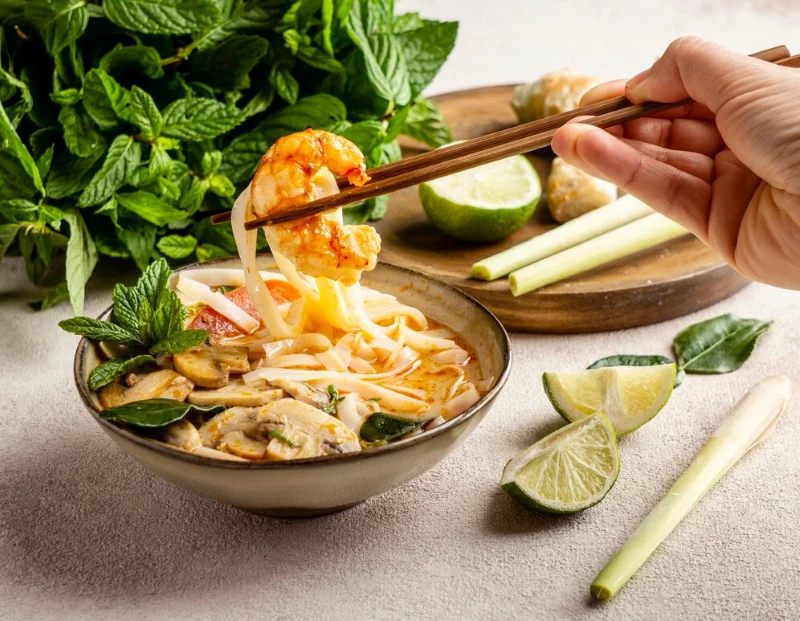

The soul of any pho lies in its broth. For seafood pho, this broth needs to be delicate enough to complement the seafood’s natural sweetness without overpowering it, yet robust enough to carry the characteristic pho spices. The foundation is typically built upon a combination of fish bones, shrimp shells, and aromatic vegetables like onion, ginger, and star anise.
Preparing the broth is a labor of love, often requiring several hours of simmering to extract maximum flavor. Start by thoroughly cleaning and rinsing the fish bones and shrimp shells. Roasting the aromatics – onions and ginger – until slightly charred adds a smoky depth that is crucial for authentic pho flavor. This charring process caramelizes the sugars, imparting a richer color and taste to the broth.
Key spices that define pho include star anise, cinnamon sticks, cloves, cardamom pods, and coriander seeds. These spices are typically toasted briefly to release their fragrant oils before being added to the simmering broth. The careful balance of these spices is what gives pho its signature aroma and complex flavor profile. Too much of one spice can dominate, so precision is key.
While traditional pho broths often use beef or chicken bones, for seafood pho, a lighter base is preferred. We will focus on using fish bones (such as snapper or cod) and the shells and heads of shrimp. These elements provide a subtle oceanic sweetness and body to the broth. A small amount of chicken or pork bones can be added for extra depth if desired, but keep the seafood focus primary.
The simmering process for seafood pho broth should be managed carefully. Avoid boiling vigorously, as this can make the broth cloudy. A gentle simmer for at least 2-3 hours is recommended to allow the flavors to meld beautifully. Skim off any impurities that rise to the surface regularly to maintain a clear and pristine broth.
Once the broth has simmered and its flavors have developed, it needs to be strained meticulously. Use a fine-mesh sieve, possibly lined with cheesecloth, to remove all solids. This ensures a silky smooth texture, which is characteristic of high-quality pho broth. Seasoning is the final critical step: salt, fish sauce, and a touch of sugar are essential for achieving the perfect balance of savory, umami, and subtle sweetness.
The choice of seafood is paramount to the success of your seafood pho. A variety of textures and flavors will elevate the dish. Consider using fresh, high-quality ingredients such as plump shrimp, tender squid, firm white fish fillets (like cod, snapper, or sea bass), and perhaps some mussels or clams for an extra layer of oceanic richness.
Preparing the seafood requires attention to detail. Shrimp should be peeled and deveined, with shells reserved for the broth. Fish should be cut into bite-sized pieces. Squid can be scored and sliced. Mussels and clams should be scrubbed clean and debearded. The goal is to have seafood that cooks quickly and remains tender.
Rice noodles, known as ‘bánh phở’, are the carbohydrate base of pho. For seafood pho, medium-width fresh or dried rice noodles are ideal. If using dried noodles, follow package instructions for cooking – they should be tender but still have a slight chew, ‘al dente’. Fresh noodles, if available, offer a superior texture and are usually just blanched briefly.
The assembly of seafood pho is an art form. In a large bowl, place a generous portion of cooked rice noodles. Arrange the prepared seafood attractively over the noodles. This includes the quick-cooking items like fish and squid, which will gently cook in the hot broth.
Ladle the piping hot, fragrant broth generously over the noodles and seafood. The heat of the broth will cook the more delicate seafood pieces, ensuring they are perfectly tender and not overcooked. This is a crucial step for maintaining the quality of the seafood.
The accompanying garnishes are what truly transform pho into a vibrant and customizable experience. A platter of fresh herbs is essential: fragrant basil (Thai basil is preferred), mint, cilantro, and culantro (ngo gai) provide bursts of freshness and aroma.
Bean sprouts add a delightful crunch and subtle earthiness. Lime wedges are indispensable for a bright, zesty counterpoint to the rich broth. Sliced chili peppers (like bird’s eye chilies) offer a customizable level of heat for those who enjoy a spicy kick.
Thinly sliced onions (red or white) and scallions add a pungent sharpness. For those who appreciate a deeper, more complex flavor, a side of hoisin sauce and sriracha is traditional. These condiments allow each diner to personalize their bowl to their exact preference.
To achieve the authentic Vietnamese flavor, the broth needs to be seasoned correctly. The primary seasonings are fish sauce (nước mắm) for umami and saltiness, and a touch of sugar (rock sugar is traditional) to balance the flavors. Salt is used to fine-tune the overall seasoning. Taste and adjust until the broth is perfectly harmonious.
The spices used in the broth are a critical element. Common spices include star anise, cinnamon, cloves, black cardamom, and coriander seeds. Toasting these spices before adding them to the broth intensifies their aroma and flavor. They are typically simmered in a cheesecloth sachet or directly in the broth and removed before serving.
Ginger and onion are fundamental aromatics. Roasting them until slightly charred before adding them to the broth imparts a depth of flavor and a beautiful golden hue. This step is crucial for achieving that signature pho aroma and taste.
For a truly authentic seafood pho, consider using shrimp paste (mắm ruốc) in moderation. A small amount added during the broth simmering process can lend an incredible depth of umami and a distinct Vietnamese character. However, use it sparingly as its flavor is potent.
The quality of the seafood is non-negotiable. Opt for fresh, high-quality ingredients. Frozen seafood can be used, but ensure it is thawed properly and is of good quality. The variety of seafood should offer different textures and flavors, creating a more engaging eating experience.
If you are making the broth from scratch, patience is key. Allow ample time for simmering. A minimum of 2-3 hours is recommended for the flavors to fully develop. Rushing this process will result in a lackluster broth.
When assembling the pho, ensure the noodles are cooked to the perfect ‘al dente’ texture. Overcooked noodles can become mushy and detract from the overall experience. Blanching them in boiling water for a short period is usually sufficient.
The final seasoning of the broth is where you achieve perfection. Taste and adjust with fish sauce, salt, and sugar. A well-seasoned broth should be savory, slightly sweet, and deeply aromatic, with a clean finish.
For those seeking a quicker version, pre-made high-quality seafood or vegetable stock can be used as a base, enhanced with pho spices and aromatics. However, the depth of flavor achieved through a long simmer with bones and shells is unparalleled.
The presentation of seafood pho is as important as its taste. Serve in deep bowls, with noodles forming the base, followed by the artfully arranged seafood. Ladle the hot broth over, ensuring the seafood is submerged to cook. Present the garnishes on a separate plate, allowing diners to customize their bowls.
Exploring regional variations can add another dimension to your seafood pho. Some Vietnamese regions might incorporate different types of seafood or unique spice blends. Experimenting with these can lead to delightful discoveries.
The health benefits of pho are also worth noting. It’s a relatively light dish, rich in protein from the seafood and carbohydrates from the noodles. The fresh herbs and spices are packed with antioxidants and offer various health properties.
Learning to make Vietnamese Seafood Pho is more than just a recipe; it’s an immersion into the heart of Vietnamese culinary tradition. It’s about understanding the balance of flavors, the importance of fresh ingredients, and the joy of sharing a comforting, nourishing meal.
The aroma that fills your kitchen as the pho broth simmers is an invitation to a sensory experience. The interplay of spices, aromatics, and the subtle scent of the ocean creates an anticipation that is richly rewarded with the first spoonful.
Remember to taste and adjust the seasoning of the broth at every stage. The saltiness from the fish sauce can vary, so it’s essential to season gradually and taste frequently. The goal is a perfectly balanced and deeply satisfying broth.
The combination of tender noodles, succulent seafood, and the aromatic broth, all enhanced by fresh herbs and a squeeze of lime, creates a dish that is both comforting and invigorating. It’s a testament to the elegance and complexity of Vietnamese cuisine.
Finally, enjoy the process. Cooking should be a pleasure. Don’t be afraid to experiment with your favorite types of seafood or adjust the spice levels to your liking. The most important ingredient is the love and care you put into preparing it.
This detailed exploration into making Vietnamese Seafood Pho aims to empower you with the knowledge and confidence to recreate this beloved dish. From the foundational broth to the final garnish, each step contributes to an authentic and unforgettable culinary experience. Enjoy your delicious homemade pho!