
What is Tteokbokki? A Brief Overview
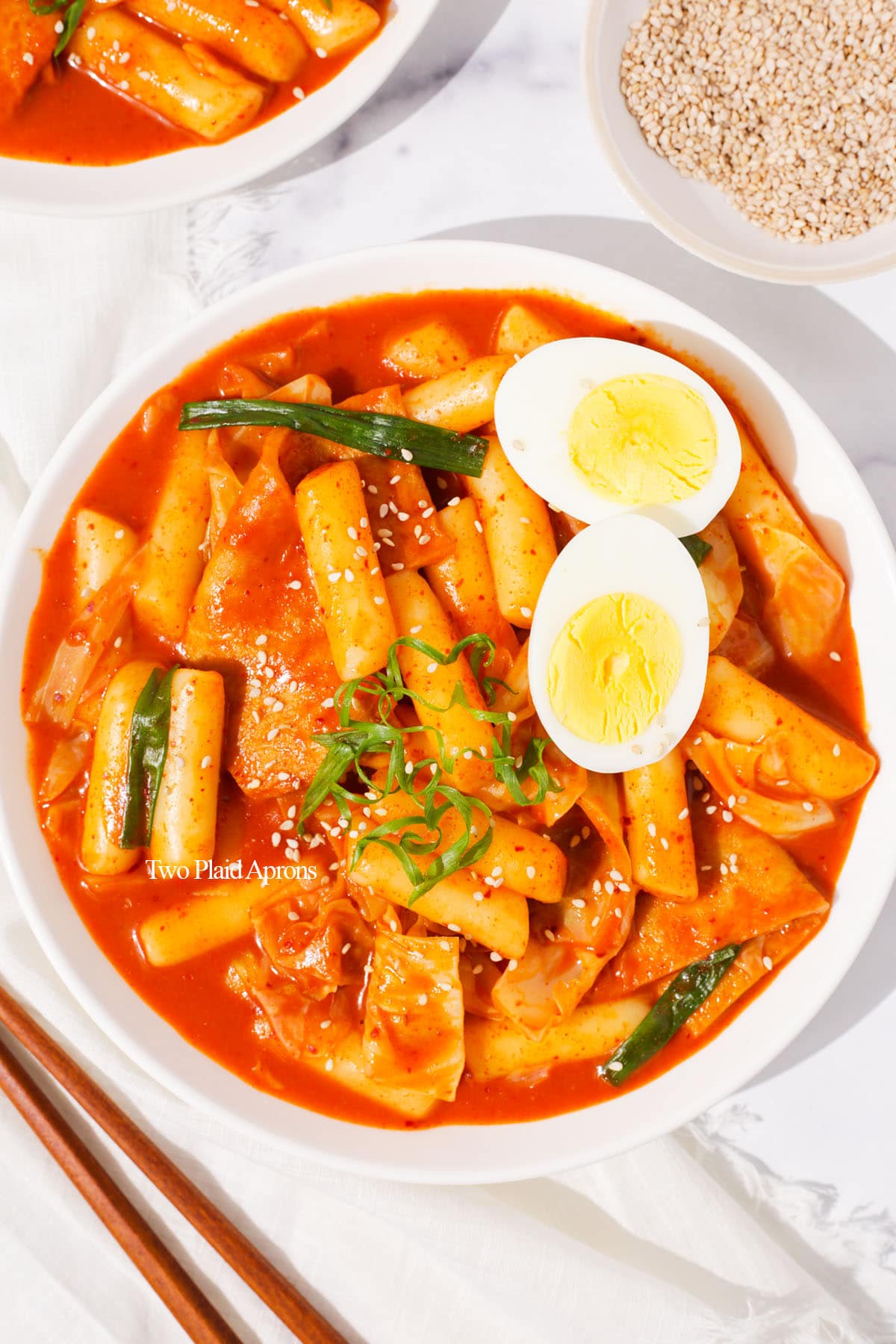
Before we delve into the recipe, let’s understand what makes tteokbokki so special. Tteokbokki, also spelled ddeokbokki, is a popular Korean snack made from garae-tteok (long, cylindrical rice cakes) simmered in a spicy sauce. It’s a staple of Korean street food and is enjoyed by people of all ages. The sauce typically includes gochujang, gochugaru (Korean chili powder), soy sauce, and sugar, creating a balance of spicy, savory, and sweet flavors. Common additions include fish cakes, boiled eggs, and scallions.
Why Add Seafood to Tteokbokki?
Adding seafood to tteokbokki introduces a new dimension of flavor and texture. The briny sweetness of shrimp, mussels, and squid complements the spiciness of the sauce, creating a more complex and satisfying dish. Seafood also adds a boost of protein and nutrients, making it a more substantial meal. The combination of chewy rice cakes, tender seafood, and a vibrant sauce is simply irresistible.
Ingredients You’ll Need
- 500g garae-tteok (Korean rice cakes)
- If using frozen rice cakes, soak them in cold water for 20-30 minutes to soften.
- 200g shrimp, peeled and deveined
- 150g squid, cleaned and cut into rings
- 150g mussels, scrubbed and debearded
- (Optional: Add other seafood like clams, octopus, or crab)
- 2 tablespoons gochujang (Korean chili paste)
- 1 tablespoon gochugaru (Korean chili powder)
- 2 tablespoons soy sauce
- 1 tablespoon sugar
- 1 tablespoon honey or corn syrup (for extra sweetness and shine)
- 2 cloves garlic, minced
- 1/2 teaspoon ginger, grated
- 1/4 cup water (adjust as needed)
- 1 onion, sliced
- 2 scallions, chopped
- 1 red bell pepper, sliced (optional, for added color and sweetness)
- 1 green chili, sliced (optional, for extra heat)
- 2 cups fish stock or vegetable broth
- 1 tablespoon sesame oil
- Sesame seeds, for garnish
Step-by-Step Instructions: Making Your Seafood Tteokbokki
Step 1: Prepare the Rice Cakes and Seafood
Soak the rice cakes in cold water for 20-30 minutes if they are frozen. This will soften them and prevent them from sticking together during cooking. While the rice cakes are soaking, prepare the seafood. Ensure the shrimp are peeled and deveined, the squid is cleaned and cut into rings, and the mussels are scrubbed and debearded. Set aside.
Step 2: Make the Sauce
In a bowl, whisk together the gochujang, gochugaru, soy sauce, sugar, honey (or corn syrup), minced garlic, and grated ginger. Add a splash of water to help combine the ingredients. Taste and adjust the seasonings to your liking. If you prefer a spicier sauce, add more gochugaru. For a sweeter sauce, add more honey or sugar.
Step 3: Sauté the Aromatics
In a large pot or skillet, heat a tablespoon of sesame oil over medium heat. Add the sliced onion and sauté until softened and translucent, about 5 minutes. Add the optional sliced bell pepper and green chili, and sauté for another 2-3 minutes until slightly softened.
Step 4: Add the Broth and Sauce
Pour in the fish stock or vegetable broth and bring to a simmer. Add the prepared sauce to the pot and stir well to combine. Allow the sauce to simmer for a few minutes to allow the flavors to meld together.
Step 5: Cook the Rice Cakes
Add the soaked rice cakes to the pot and stir gently to coat them in the sauce. Cook for about 8-10 minutes, or until the rice cakes are soft and chewy. Stir occasionally to prevent them from sticking to the bottom of the pot.
Step 6: Add the Seafood
Once the rice cakes are cooked, add the prepared seafood to the pot. Gently stir to combine. Cook for about 3-5 minutes, or until the shrimp turns pink and the mussels open. Discard any mussels that do not open.
Step 7: Garnish and Serve
Remove the pot from the heat and garnish with chopped scallions and sesame seeds. Serve immediately and enjoy!
Tips for Making the Best Seafood Tteokbokki
- Use high-quality rice cakes: The quality of the rice cakes can significantly impact the final result. Look for rice cakes that are soft, chewy, and slightly sticky.
- Adjust the spiciness to your liking: The amount of gochugaru can be adjusted to control the spiciness of the sauce. Start with a small amount and add more to taste.
- Don’t overcook the seafood: Seafood can become tough and rubbery if overcooked. Cook it just until it is cooked through.
- Add other vegetables: Feel free to add other vegetables to your tteokbokki, such as cabbage, carrots, or mushrooms.
- Experiment with different seafood: Try using different types of seafood, such as clams, octopus, or crab.
- Make it vegetarian: To make a vegetarian version, simply omit the seafood and use vegetable broth instead of fish stock. You can also add tofu or mushrooms for extra protein.
- Serve with other Korean side dishes: Tteokbokki is often served with other Korean side dishes, such as kimchi, pickled radish, and seaweed salad.
Variations on Seafood Tteokbokki
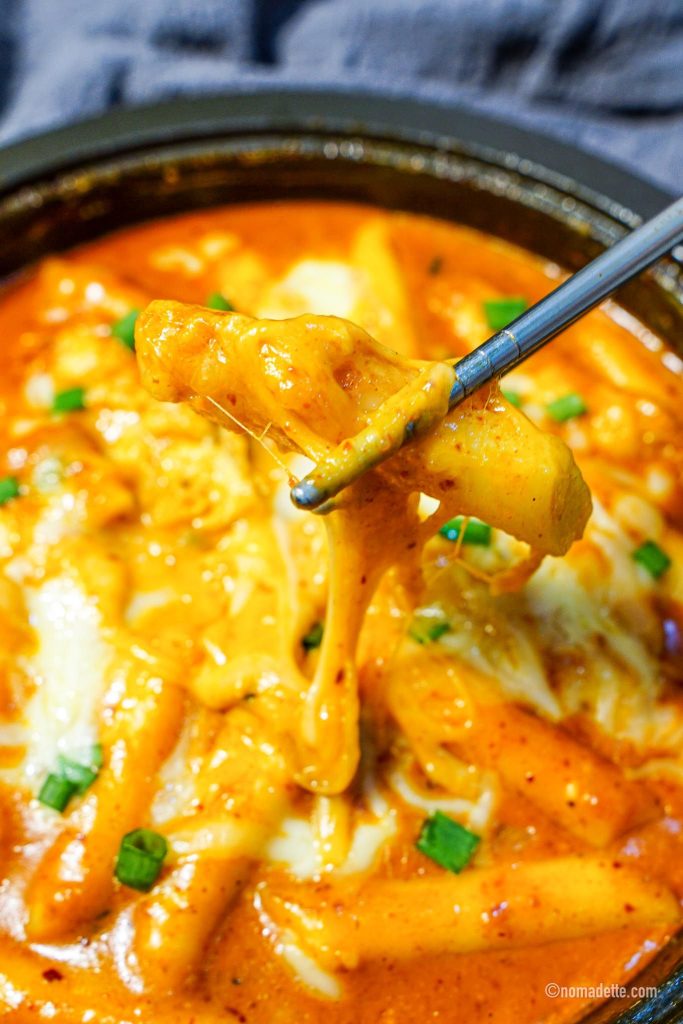
- Cheese Tteokbokki: Add a layer of mozzarella cheese on top of the tteokbokki and bake until the cheese is melted and bubbly.
- Ramen Tteokbokki (Rabokki): Add ramen noodles to the tteokbokki for a heartier meal.
- Jajangmyeon Tteokbokki: Add black bean sauce (jajangmyeon sauce) to the tteokbokki for a savory and umami-rich flavor.
- Curry Tteokbokki: Add curry powder or curry paste to the sauce for a warm and aromatic flavor.
- Creamy Tteokbokki: Add cream or milk to the sauce for a richer and creamier texture.
Where to Find Ingredients
Most of the ingredients for seafood tteokbokki can be found at Asian grocery stores. Gochujang, gochugaru, garae-tteok, and fish cakes are all common ingredients in Korean cuisine and are readily available. If you can’t find these ingredients at your local grocery store, you can also order them online.
Health Benefits of Seafood Tteokbokki
While tteokbokki is often considered a comfort food, it can also offer some health benefits, especially when made with fresh ingredients and seafood. Seafood is a good source of protein, omega-3 fatty acids, and various vitamins and minerals. Rice cakes are relatively low in calories and fat, and they provide carbohydrates for energy. However, it’s important to be mindful of the sodium content of the sauce and to consume tteokbokki in moderation as part of a balanced diet.
Conclusion: Enjoying the Flavors of Korea
Seafood tteokbokki is a delicious and satisfying dish that is perfect for a quick snack, a casual meal, or a fun gathering with friends and family. With its chewy rice cakes, flavorful sauce, and succulent seafood, it’s a true taste of Korea that you can easily recreate in your own kitchen. So, gather your ingredients, follow our step-by-step instructions, and get ready to enjoy a culinary adventure!
Final Thoughts
Making your own spicy and sweet seafood tteokbokki is a rewarding experience. Not only will you enjoy a delicious and authentic Korean dish, but you’ll also gain a deeper appreciation for the flavors and culture of Korea. So, don’t be afraid to experiment with different ingredients and variations to create your own signature seafood tteokbokki. Happy cooking!
FAQs about Seafood Tteokbokki
Q: Can I use frozen seafood?
A: Yes, you can use frozen seafood. Just make sure to thaw it completely before cooking.
Q: Can I make tteokbokki ahead of time?
A: Tteokbokki is best enjoyed fresh, but you can prepare the sauce ahead of time and store it in the refrigerator for up to 3 days. When you’re ready to cook, simply add the sauce, rice cakes, and seafood to the pot and follow the remaining steps.
Q: How do I store leftover tteokbokki?
A: Store leftover tteokbokki in an airtight container in the refrigerator for up to 2 days. Reheat gently on the stovetop or in the microwave.
Q: Can I make tteokbokki without gochujang?
A: Gochujang is a key ingredient in tteokbokki sauce, but you can substitute it with other chili pastes or sauces if you don’t have it on hand. However, the flavor will be different.
Q: What kind of rice cakes should I use?
A: Garae-tteok (long, cylindrical rice cakes) are the most common type of rice cakes used for tteokbokki. You can also use other types of Korean rice cakes, such as tteokguk-tteok (oval-shaped rice cakes).
Q: Can I add cheese to my tteokbokki?
A: Yes, adding cheese to tteokbokki is a popular variation. Mozzarella cheese is a good choice, but you can also use other types of cheese.
Q: Is tteokbokki gluten-free?
A: Tteokbokki itself is gluten-free, as it is made from rice. However, some sauces may contain gluten, so be sure to check the ingredients list.
Q: What drinks pair well with tteokbokki?
A: Cold drinks like iced tea, soda, or beer pair well with tteokbokki. You can also try traditional Korean drinks like Sikhye (sweet rice drink) or Soju (Korean distilled spirit).
Q: Can I use a different type of broth?
A: Yes, you can use chicken broth or beef broth if you don’t have fish broth or vegetable broth. The flavor will be slightly different, but it will still be delicious.
Q: How can I make the sauce thicker?
A: To thicken the sauce, you can add a cornstarch slurry (1 tablespoon cornstarch mixed with 2 tablespoons water) to the pot during the last few minutes of cooking.