
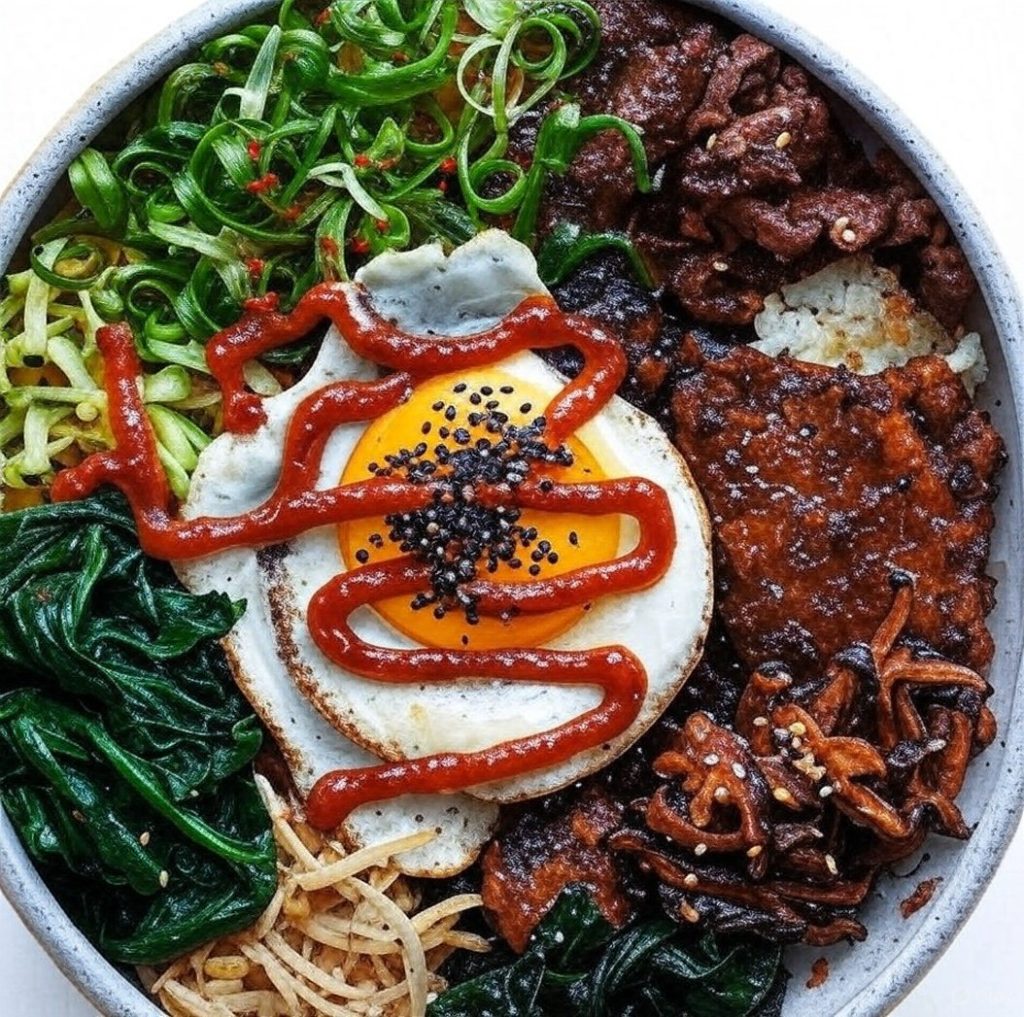

This article serves as your ultimate guide to crafting a delectable Seafood Bibimbap ala Korea, right in your own kitchen. We will delve deep into the dish’s origins, explore the essential components, provide a detailed step-by-step recipe, and share expert tips to ensure your culinary endeavor is a resounding success. Prepare to embark on a flavorful adventure that will impress your family and friends.
At its core, Bibimbap is a harmonious bowl of warm white rice topped with an assortment of sautéed and seasoned vegetables (namul), often accompanied by a protein, and typically finished with a fried egg and a dollop of spicy chili paste (gochujang). The beauty of Bibimbap lies not just in its taste, but also in its vibrant presentation, with each ingredient carefully arranged to create a colorful mosaic before being mixed together.
The Seafood Bibimbap elevates this traditional concept by incorporating a medley of fresh, ocean-derived ingredients. Imagine plump shrimp, tender squid, and perhaps succulent mussels or clams, all seasoned to perfection and nestled among crisp vegetables. This variation offers a refreshing alternative, providing a lighter texture and a distinct umami depth that seafood lovers will undoubtedly cherish.
One of the primary appeals of Seafood Bibimbap is its incredible versatility and nutritional profile. It’s a complete meal in a single bowl, packed with fiber from vegetables, lean protein from seafood, and complex carbohydrates from rice. By making it at home, you have full control over the freshness and quality of your ingredients, ensuring a healthy and delicious outcome.
Before we dive into the cooking process, let’s understand the key components that make up an authentic Korean Bibimbap, especially its seafood rendition. Each element plays a crucial role in creating the layered flavors and textures that define this dish.
First, the Rice: The foundation of any Bibimbap is perfectly cooked short-grain white rice. Its slightly sticky texture is ideal for absorbing the sauces and seasonings from the other ingredients, binding everything together once mixed. While white rice is traditional, you can opt for brown rice or a mix for added fiber and a nuttier flavor.
Next, the Gochujang Sauce: This is arguably the soul of Bibimbap. Gochujang, a fermented Korean chili paste, provides the dish with its signature spicy, savory, and subtly sweet kick. The sauce is often customized with additional ingredients like sesame oil, sugar, vinegar, and garlic to create a balanced, irresistible dressing.
- Carrots: Julienne-cut and lightly sautéed for sweetness and crunch.
- Spinach: Blanched and seasoned with sesame oil, garlic, and soy sauce.
- Bean Sprouts: Blanched and seasoned similarly to spinach, offering a delightful crunch.
- Zucchini: Julienne-cut and sautéed until tender-crisp.
- Mushrooms: Shiitake or oyster mushrooms, sautéed with a hint of soy sauce, add an earthy depth.
- Cucumber: Freshly julienned or lightly pickled for a refreshing contrast.
Each vegetable is prepared separately, allowing its unique characteristics to shine through before they are brought together in the final assembly.
- Shrimp: Peeled, deveined, and quickly sautéed or blanched until pink and tender.
- Squid: Cleaned, scored, and thinly sliced, then quickly stir-fried to prevent toughness.
- Mussels or Clams: Steamed open with a little white wine or broth until just cooked.
- Scallops: Seared briefly for a sweet, caramelized exterior and tender interior.
Ensure your seafood is fresh and of high quality, as it is the star protein of this dish. Avoid overcooking, as this can lead to rubbery textures.
Finally, the Egg and Garnish: A fried egg, usually sunny-side up with a runny yolk, is a classic Bibimbap topping, adding richness and a creamy texture when mixed. For garnish, toasted sesame seeds, a drizzle of sesame oil, and strips of roasted seaweed (gim) complete the dish, adding aroma and a subtle crunch.
Now, let’s proceed with the detailed recipe for creating your own authentic Korean Seafood Bibimbap.
For the Rice:
- 2 cups short-grain white rice
- 2 cups water
For the Gochujang Sauce:
- 3 tablespoons Gochujang (Korean chili paste)
- 1 tablespoon sesame oil
- 1 tablespoon sugar or honey
- 1 tablespoon rice vinegar
- 1 tablespoon water or dashi (optional, for consistency)
- 1 clove garlic, minced
- 1 teaspoon toasted sesame seeds
For the Vegetables (Namul):
- 1 bunch fresh spinach (approx. 5 oz / 150g)
- 1 cup bean sprouts
- 1 medium carrot, julienned
- 1/2 medium zucchini, julienned
- 4-5 shiitake mushrooms, sliced
- 1 tablespoon soy sauce
- 2 tablespoons sesame oil (divided)
- 2 cloves garlic, minced (divided)
- Salt and pepper to taste
For the Seafood:
- 8 oz (225g) shrimp, peeled and deveined
- 8 oz (225g) squid, cleaned and sliced into rings or bite-sized pieces
- 4 oz (115g) mussels or clams (optional)
- 1 tablespoon soy sauce
- 1 teaspoon sesame oil
- 1/2 teaspoon minced garlic
- Pinch of black pepper
For Assembly & Garnish:
- 2 large eggs
- 1 tablespoon cooking oil (for frying eggs)
- Toasted sesame seeds
- Roasted seaweed (gim), cut into strips
- Extra sesame oil for drizzling
1. Prepare the Rice: Rinse the rice thoroughly until the water runs clear. Cook the rice according to package directions, typically in a rice cooker or stovetop with a 1:1 rice to water ratio. Once cooked, let it rest for 10 minutes, then fluff with a fork.
2. Prepare the Gochujang Sauce: In a small bowl, combine gochujang, sesame oil, sugar/honey, rice vinegar, water/dashi, minced garlic, and toasted sesame seeds. Mix well until smooth. Taste and adjust sweetness or spiciness as desired.
- Spinach: Blanch spinach in boiling salted water for 30 seconds. Drain, rinse with cold water, and squeeze out excess water. In a bowl, season with 1 tsp sesame oil, 1/2 tsp minced garlic, and a pinch of salt.
- Bean Sprouts: Blanch bean sprouts in boiling salted water for 1-2 minutes until tender-crisp. Drain well. Season with 1 tsp sesame oil, 1/2 tsp minced garlic, and a pinch of salt.
- Carrots: Heat 1 tsp cooking oil in a pan. Sauté julienned carrots for 2-3 minutes until slightly tender. Season with a pinch of salt.
- Zucchini: Heat 1 tsp cooking oil in the same pan. Sauté julienned zucchini for 2-3 minutes until tender-crisp. Season with a pinch of salt.
- Mushrooms: Heat 1 tsp cooking oil. Sauté sliced mushrooms until tender. Season with 1/2 tbsp soy sauce and 1/2 tsp minced garlic.
Keep each seasoned vegetable separate.
- Shrimp & Squid: In a bowl, marinate shrimp and squid with 1 tbsp soy sauce, 1 tsp sesame oil, 1/2 tsp minced garlic, and black pepper for 10 minutes. Heat 1 tbsp cooking oil in a pan over medium-high heat. Stir-fry the shrimp and squid for 2-3 minutes until cooked through and opaque. Be careful not to overcook.
- Mussels/Clams (if using): In a separate pot, steam mussels or clams with a splash of water or white wine until they open. Discard any unopened shells.
5. Fry the Eggs: Heat 1 tbsp cooking oil in a non-stick pan over medium heat. Fry two eggs sunny-side up, ensuring the yolks remain runny.
6. Assemble the Bibimbap: Place a generous portion of warm rice in the center of two large serving bowls. Artfully arrange the prepared vegetables and seafood around the rice, creating distinct sections of color. Place a fried egg on top of the rice in the center of each bowl.
7. Garnish and Serve: Drizzle a little extra sesame oil over the entire dish. Sprinkle with toasted sesame seeds and lay strips of roasted seaweed on top. Serve immediately with the gochujang sauce on the side. Instruct diners to mix all the ingredients thoroughly before eating to combine the flavors and textures.
- Freshness is Key: Always use the freshest possible ingredients, especially for the seafood and vegetables, to ensure the best flavor and texture.
- Separate Preparations: Preparing each vegetable and seafood component separately is crucial. This not only allows for individual seasoning but also prevents flavors from muddling and ensures proper cooking for each ingredient.
- Don’t Overcook Seafood: Seafood cooks very quickly. Overcooking will make it tough and rubbery. Cook just until opaque and tender.
- Balance the Sauce: The gochujang sauce is potent. Taste as you mix and adjust to your preference. Some prefer it spicier, others sweeter or tangier.
- The Dolsot Option: For an extra special experience, serve your Bibimbap in a preheated stone pot (dolsot). The hot pot creates a crispy layer of rice at the bottom, known as nurungji, which is highly prized. If using a dolsot, lightly grease it with sesame oil before adding the rice and ingredients, then heat on the stove until sizzling.
The beauty of Bibimbap lies in its adaptability. Feel free to experiment with different types of seafood, such as firm white fish fillets, or add tofu for extra protein. You can also vary the vegetables based on seasonal availability or personal preference. Consider adding kimchi for an extra fermented kick or a sprinkle of chili flakes for more heat.
For those who prefer a less spicy dish, reduce the amount of gochujang in the sauce or offer it entirely on the side. Conversely, spice enthusiasts can add more gochujang or a touch of gochugaru (Korean chili powder) to their liking.
The traditional way to enjoy Bibimbap is to mix all the ingredients thoroughly in the bowl just before eating. This ensures that every spoonful contains a delightful combination of rice, vegetables, seafood, and the rich gochujang sauce. The runny yolk of the fried egg, when mixed in, adds a creamy texture that beautifully coats all the components.
Bibimbap is often served as a complete meal, but it pairs wonderfully with simple Korean side dishes (banchan) like kimchi, pickled radishes, or a clear vegetable broth. A cold glass of barley tea or a refreshing Korean beverage also complements the flavors perfectly.
Bibimbap holds a significant place in Korean culinary culture, often served on special occasions or as a comforting meal. It embodies the Korean philosophy of ‘obangsaek,’ representing the five traditional colors (white, black, green, red, and yellow) which symbolize harmony and balance in nature and nutrition. Each color is often represented by specific ingredients in the dish, making it not just a meal, but a work of art.
Beyond its aesthetic appeal, Bibimbap is a testament to the Korean appreciation for fresh, seasonal ingredients and the art of combining them into a single, cohesive, and delicious dish. The seafood variation further highlights Korea’s rich coastal heritage and its abundant marine resources.
As mentioned, Seafood Bibimbap is an incredibly healthy meal choice. It’s low in saturated fat, high in lean protein, and packed with vitamins, minerals, and fiber from the diverse array of vegetables. The use of healthy cooking methods like blanching and light sautéing further enhances its nutritional value. Opting for brown rice can boost fiber content, making it even more wholesome.
- Overcooking seafood: As reiterated, this is the most common pitfall. Cook seafood quickly over high heat.
- Soggy vegetables: Ensure vegetables are properly drained after blanching and sautéed until tender-crisp, not mushy.
- Bland sauce: Don’t skimp on seasoning your gochujang sauce. It’s the primary flavor driver.
- Not mixing properly: The magic of Bibimbap happens when all ingredients are thoroughly combined. Encourage your diners to mix well!
While many ingredients like rice, vegetables, and common seafood are readily available, finding authentic gochujang, sesame oil, and specific Korean mushrooms might require a visit to an Asian grocery store or the international aisle of a larger supermarket. The quality of these core Korean ingredients significantly impacts the final taste.
In conclusion, preparing Korean Seafood Bibimbap is a rewarding culinary experience that offers a symphony of flavors, textures, and vibrant colors. It’s a dish that celebrates freshness, balance, and the rich culinary traditions of Korea. With this comprehensive guide, you are now equipped with the knowledge and steps to create a truly authentic and delicious Seafood Bibimbap.
Whether you’re a seasoned chef or a home cook looking to explore new cuisines, this recipe provides a fantastic opportunity to bring a taste of Korea into your home. Experiment with the ingredients, adjust the spice to your preference, and most importantly, enjoy the process of creating this beautiful and healthful meal. Share your Seafood Bibimbap creations with us and savor the delightful journey of Korean flavors!