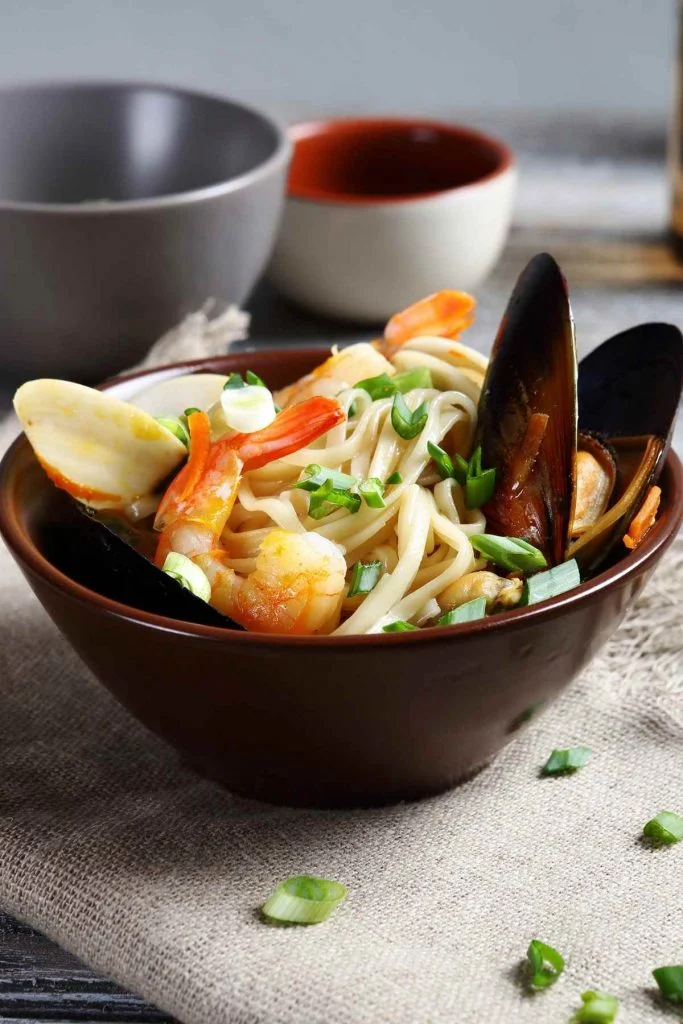

Japanese cuisine is celebrated globally for its precision, balance, and focus on fresh, high-quality ingredients. Seafood Fried Udon exemplifies these principles, offering a delightful combination of textures and flavors. From the perfectly cooked udon to the succulent seafood and the savory sauce, every element plays a crucial role in creating a harmonious and delicious meal.
This recipe, inspired by the authentic flavors of Japan, is designed to be accessible to both seasoned cooks and beginners. We’ll explore the essential ingredients, step-by-step instructions, and tips and tricks to help you create a restaurant-quality dish in the comfort of your own home. Get ready to impress your friends and family with your newfound culinary skills!
Before we dive into the recipe, let’s explore the key components that make Seafood Fried Udon so special. Firstly, the udon noodles, which are thick, chewy wheat flour noodles, are the heart of the dish. Secondly, the seafood, which typically includes shrimp, squid, and scallops, provides a burst of oceanic flavor. Finally, the sauce, a carefully balanced blend of soy sauce, mirin, sake, and other seasonings, ties everything together.
Ingredients: The Foundation of Flavor
To create the perfect Seafood Fried Udon, you’ll need to gather the following ingredients. Don’t be intimidated by the list; many of these items are readily available at your local Asian grocery store or supermarket. The quality of your ingredients directly impacts the final taste, so opt for the freshest options whenever possible.
-
1 pound fresh or frozen udon noodles
-
Water for boiling
-
1/2 pound large shrimp, peeled and deveined
-
1/2 pound squid, cleaned and sliced into rings
-
1/2 pound scallops, fresh or frozen
-
2 tablespoons vegetable oil
-
1 onion, thinly sliced
-
2 cloves garlic, minced
-
1 red bell pepper, thinly sliced
-
1 green bell pepper, thinly sliced
-
1 cup shiitake mushrooms, sliced
-
2 green onions, chopped (for garnish)
-
1/4 cup soy sauce
-
2 tablespoons mirin (sweet rice wine)
-
1 tablespoon sake (optional)
-
1 tablespoon oyster sauce (optional, for extra depth)
-
1 teaspoon sugar
-
1/2 teaspoon black pepper
-
1/4 cup water
-
Sesame seeds, for garnish (optional)
-
Chili flakes, for garnish (optional)
Step-by-Step Instructions: Your Culinary Adventure Begins
Now that you’ve gathered your ingredients, it’s time to embark on the exciting process of cooking Seafood Fried Udon. Follow these steps carefully, and you’ll be well on your way to a culinary masterpiece.
-
If using fresh udon noodles, separate them gently. If using frozen noodles, thaw them according to package instructions.
-
Bring a large pot of water to a boil. Add the udon noodles and cook for 1-2 minutes, or until they are just tender. Avoid overcooking, as they will continue to cook in the wok.
-
Drain the noodles and rinse them under cold water to stop the cooking process. This also helps to remove excess starch and prevents them from sticking together. Set aside.
-
Pat the shrimp, squid, and scallops dry with paper towels. This helps them to sear properly in the wok.
-
Heat 1 tablespoon of vegetable oil in a wok or large skillet over medium-high heat. Add the shrimp and cook for 2-3 minutes, or until they turn pink and are cooked through. Remove the shrimp from the wok and set aside.
-
Add the squid rings to the wok and cook for 1-2 minutes, or until they curl up and are slightly opaque. Remove the squid from the wok and set aside.
-
Add the scallops to the wok and cook for 2-3 minutes per side, or until they are lightly browned and cooked through. Remove the scallops from the wok and set aside.
-
Add the remaining 1 tablespoon of vegetable oil to the wok. Add the onions and cook for 2-3 minutes, or until they soften. Add the garlic and cook for another minute, until fragrant.
-
Add the bell peppers and shiitake mushrooms and cook for 3-4 minutes, or until the vegetables are tender-crisp.
-
In a small bowl, whisk together the soy sauce, mirin, sake (if using), oyster sauce (if using), sugar, black pepper, and water. Set aside.
-
Add the cooked udon noodles to the wok with the vegetables. Pour the sauce over the noodles and vegetables and toss to combine. Cook for 1-2 minutes, or until the noodles are heated through and the sauce has thickened slightly.
-
Add the cooked seafood back to the wok and toss gently to combine. Heat through for about a minute.
-
Serve the Seafood Fried Udon immediately, garnished with chopped green onions, sesame seeds, and chili flakes (if desired).
Tips and Tricks for Udon Perfection
While the recipe is straightforward, a few tips and tricks can elevate your Seafood Fried Udon to the next level. These insights will help you achieve the perfect texture, flavor, and presentation.
Noodle Mastery: Avoid overcooking the udon noodles. They should be slightly firm to the bite. Rinsing them under cold water after boiling stops the cooking process and prevents them from becoming mushy.
Seafood Sizzle: Ensure the wok is hot before adding the seafood. This helps to create a nice sear and prevents the seafood from releasing too much water. Patting the seafood dry before cooking also helps with browning.
Sauce Savvy: Adjust the sauce ingredients to your taste preferences. If you prefer a sweeter dish, add a bit more sugar. For a spicier kick, add a pinch of chili flakes or a dash of chili oil.
Vegetable Variety: Feel free to experiment with different vegetables. Carrots, broccoli, snow peas, and bean sprouts are all excellent additions.
Garnish Game: Don’t underestimate the power of garnishes. They add visual appeal and enhance the overall flavor profile. Green onions, sesame seeds, and chili flakes are classic choices, but you can also use other fresh herbs or a squeeze of lime.
Variations: Unleash Your Culinary Creativity
Once you’ve mastered the basic recipe, feel free to experiment with different variations to suit your taste preferences. The possibilities are endless!
Vegetarian Delight: Substitute the seafood with tofu, mushrooms, and a variety of vegetables. You can also add some edamame for extra protein and texture.
Spicy Kick: Add a teaspoon or two of chili garlic sauce or sriracha to the sauce for a fiery kick.
Teriyaki Twist: Replace the soy sauce with teriyaki sauce for a sweeter, more savory flavor.
Chicken Option: Substitute the seafood with bite-sized pieces of chicken breast for a different protein option.
Custom Seafood Mix: Use your favorite seafood combination. Consider adding mussels, clams, or even crab meat.
Understanding the Flavors: A Symphony of Taste
The beauty of Seafood Fried Udon lies in its harmonious blend of flavors. Let’s delve into the key taste components and how they interact to create a truly satisfying meal.
Umami: The savory ‘fifth taste’ is a cornerstone of Japanese cuisine. The soy sauce, mirin, and oyster sauce (if used) contribute to the umami profile, creating a deep, complex flavor.
Sweetness: The mirin and sugar balance the saltiness of the soy sauce and add a touch of sweetness that complements the seafood and vegetables.
Saltiness: The soy sauce and oyster sauce provide the necessary saltiness to season the dish and enhance the other flavors.
Acidity: The sake (if used) provides a subtle acidity that brightens the flavors and cuts through the richness of the dish.
Bitterness: The black pepper adds a touch of bitterness that balances the sweetness and umami.
The Importance of Quality Ingredients
Udon Noodles: Fresh or high-quality frozen udon noodles will have a superior texture and flavor compared to dried noodles. Look for noodles that are firm and chewy.
Seafood: Opt for fresh, sustainably sourced seafood whenever possible. Fresh seafood will have a more vibrant flavor and aroma.
Soy Sauce: Use a good quality soy sauce, such as a naturally brewed soy sauce. Avoid soy sauces with excessive additives.
Mirin: Choose a mirin that is made with real rice wine. Avoid those with high fructose corn syrup or other artificial sweeteners.
Vegetables: Select fresh, seasonal vegetables for the best flavor and texture.
Serving Suggestions: Elevate Your Dining Experience
-
Serve the udon in a deep bowl to showcase the noodles and seafood.
-
Garnish generously with chopped green onions, sesame seeds, and chili flakes.
-
Offer chopsticks and a spoon for easy enjoyment.
-
Pair the dish with a side of miso soup or a refreshing cucumber salad.
-
Serve with a chilled glass of sake or Japanese beer to complement the flavors.
Troubleshooting: Common Challenges and Solutions
Mushy Noodles: Overcooked noodles are the culprit. Make sure to cook the noodles al dente and rinse them under cold water.
Bland Flavor: Adjust the sauce to your taste. Add more soy sauce, mirin, or sugar as needed. Ensure the vegetables are seasoned properly.
Watery Dish: Make sure the wok is hot enough when stir-frying. If there’s too much liquid, cook the sauce a bit longer to allow it to thicken.
Tough Seafood: Overcooked seafood becomes tough. Cook the seafood in batches and avoid overcooking.
The Cultural Significance: More Than Just a Meal
Food in Japan is more than just sustenance; it’s a reflection of culture, tradition, and respect for ingredients. Seafood Fried Udon embodies these values.
The emphasis on fresh, seasonal ingredients reflects the Japanese appreciation for nature. The careful preparation and presentation of the dish demonstrate a commitment to excellence and attention to detail.
Sharing a meal like Seafood Fried Udon is a way to connect with others and celebrate the joy of food. It’s a dish that brings people together and creates lasting memories.
Conclusion: Your Culinary Journey Continues
Congratulations! You’ve successfully navigated the world of Seafood Fried Udon. Armed with this recipe and the knowledge gained, you’re now equipped to create a delicious and authentic Japanese-inspired meal.
Don’t be afraid to experiment, try new variations, and make this dish your own. The most important ingredient is your passion for cooking and your desire to create something truly special.
Enjoy the process, savor the flavors, and share your culinary creations with the world. Happy cooking!
With a little practice, this dish will become a staple in your culinary repertoire, bringing the taste of Japan to your table whenever the craving strikes. So, gather your ingredients, fire up your wok, and prepare to be transported to a world of flavor and culinary delight.
Remember that the key to mastering any dish is practice and a willingness to learn. Each time you make Seafood Fried Udon, you’ll refine your technique, discover new flavor combinations, and deepen your appreciation for the art of Japanese cooking.
So, embrace the journey, savor the experience, and enjoy the delicious rewards of your culinary efforts. Happy cooking and bon appétit!