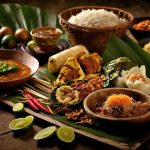
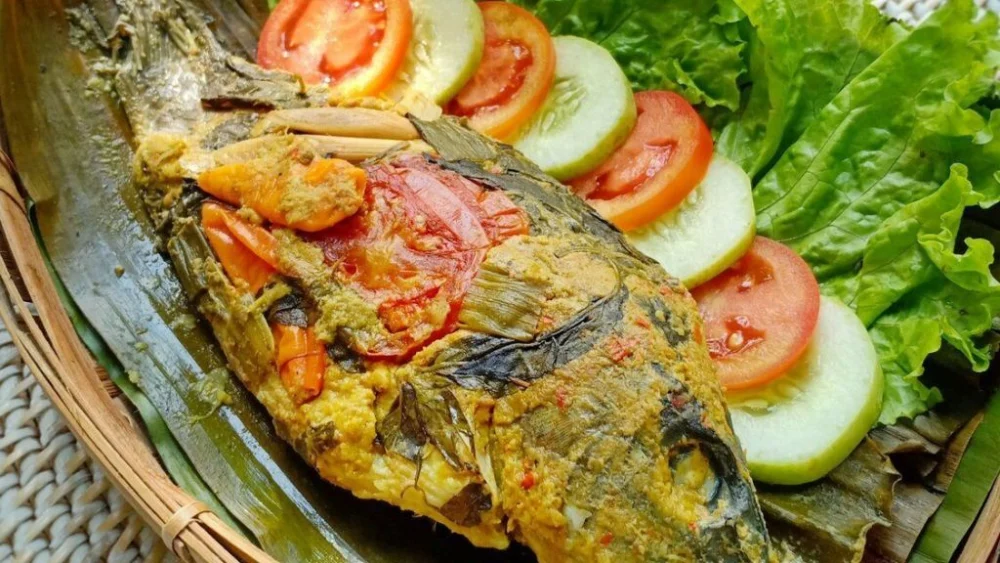

The magic of Pepes Ikan Mas Presto lies in its unique preparation method. Unlike conventional fish dishes where bones are often discarded, the pressure cooking process renders the carp’s bones so tender that they become an integral part of the eating experience. This not only adds a unique textural dimension but also ensures that no part of this nutritious fish goes to waste. The banana leaf wrapper imparts a subtle, earthy aroma that infuses the fish as it steams, creating a complex and aromatic profile.
Beyond the fish, the heart of any pepes lies in its bumbu, or spice paste. This is where the depth of flavor is created. The foundational elements typically include shallots (bawang merah) and garlic (bawang putih), pounded or blended into a fine paste. Ginger (jahe) and turmeric (kunyit) are essential for their pungent aroma and vibrant color, respectively. Galangal (lengkuas) adds a distinct, peppery note that is characteristic of many Indonesian dishes.
The spice paste is further enhanced with a symphony of other aromatics and seasonings. Lemongrass (serai), bruised to release its fragrant oils, lends a citrusy freshness. Kaffir lime leaves (daun jeruk) contribute a unique citrusy perfume, while bay leaves (daun salam) offer a subtle, earthy undertone. Chili peppers (cabai), ranging from mild red chilies to fiery bird’s eye chilies, are added according to your heat preference, providing a welcome kick.
Salt (garam) and sugar (gula) are crucial for balancing the flavors. Some recipes also incorporate a touch of tamarind paste (air asam jawa) for a hint of tanginess, or shrimp paste (terasi) for an umami boost, though this is often optional and depends on regional variations and personal taste. The precise ratio of these spices is what distinguishes one pepes recipe from another, making each family’s rendition unique.
Preparing the spice paste is a labor of love. Traditionally, ingredients are pounded in a mortar and pestle (ulekan), a method that releases essential oils and creates a coarser, more textured paste. However, a food processor or blender can be used for convenience, ensuring a smooth and homogenous mixture. Whichever method you choose, the goal is to create a fragrant, well-combined paste that will coat the fish generously.
Once the spice paste is ready, it’s time to prepare the banana leaves. These are not merely wrappers; they are integral to the flavor profile. Select fresh, vibrant green banana leaves. Gently wilt them over a low flame or by dipping them briefly in boiling water. This makes them pliable and prevents them from tearing when you wrap the fish. Wipe them clean with a damp cloth to remove any dust.
The art of wrapping is crucial. Lay out a piece of banana leaf, ensuring it’s large enough to encase the fish completely. Spread a generous layer of the spice paste onto the leaf, creating a bed for the fish. Place the cleaned carp on top of the paste. You can choose to stuff the cavity of the fish with more spice paste, sliced chilies, or aromatics like lemongrass and lime leaves for an extra burst of flavor.
Fold the banana leaf over the fish, creating a neat parcel. Secure the parcel by folding the ends tightly, or by using toothpicks or kitchen twine to tie them shut. The goal is to create a sealed package that will prevent the spices and fish juices from escaping during the cooking process. Ensure the wrapping is snug but not so tight that it will burst under pressure.
Now comes the ‘presto’ – the pressure cooking stage. Arrange the wrapped fish parcels inside a pressure cooker. Depending on the size of your pressure cooker and the number of fish, you may need to stack them carefully. Add a small amount of water to the bottom of the pressure cooker, typically about 1-2 cups, to generate steam. Be careful not to add too much water, as this can make the pepes soggy.
Seal the pressure cooker lid securely and bring it up to pressure according to the manufacturer’s instructions. Once the pressure is reached, reduce the heat to maintain a steady pressure and cook for a specified duration. The cooking time is critical for achieving the ‘tulang lunak’ effect. Typically, cooking for 45 minutes to 1.5 hours after reaching pressure is sufficient, depending on the size of the fish and the power of your pressure cooker.
The pressure cooking process works by increasing the boiling point of water, allowing the fish and its bones to cook at a higher temperature for an extended period. This high-temperature, moist-heat cooking environment breaks down the collagen and calcium in the fish bones, rendering them soft and edible. The sealed banana leaf parcels trap the steam and juices, ensuring the fish remains incredibly moist and flavorful.
The aroma that escapes as you open the pressure cooker is simply divine – a complex blend of spices, herbs, and the distinct fragrance of steamed fish infused with banana leaf. Carefully remove the pepes parcels from the pressure cooker. They will be hot and the banana leaves will be soft and steamy.
To serve, unwrap each pepes parcel. The fish should be incredibly tender, falling off the bone, with the bones themselves being soft and yielding. The flesh will be infused with the vibrant colors and flavors of the spice paste. The banana leaf will have imparted a subtle, yet distinct, aroma that elevates the dish.
Pepes Ikan Mas Presto Tulang Lunak is typically served hot, accompanied by steamed white rice. The richness of the fish and the complexity of the spices pair perfectly with the neutral canvas of rice. A side of fresh cucumber slices, a dollop of sambal (Indonesian chili paste), or a sprinkle of fried shallots can add further dimensions to the meal.
For those who prefer a slightly more cooked or ‘crisped’ finish, the unwrapped pepes can be briefly grilled or pan-fried over a low heat. This adds a subtle char and a slightly firmer texture to the exterior of the fish, while still retaining its moist interior and soft bones. This is an optional step, but one that many find enhances the overall experience.
The versatility of this recipe is noteworthy. While carp is traditional, other freshwater fish like tilapia or catfish can also be used, though the cooking time may need slight adjustments. The spice paste can also be customized. Some families add a pinch of coriander powder (ketumbar bubuk) or cumin powder (jintan bubuk) for added depth.
Storage of leftover Pepes Ikan Mas Presto is straightforward. Once cooled, the parcels can be stored in an airtight container in the refrigerator for up to 2-3 days. Reheat gently in a steamer, oven, or microwave. The flavors often meld and deepen overnight, making leftovers just as delicious, if not more so.
The ‘tulang lunak’ aspect is particularly beneficial for children and the elderly, who may have difficulty with bones. It ensures they can enjoy the full nutritional benefits of the fish without any choking hazards. This makes Pepes Ikan Mas Presto a wholesome and inclusive dish for the entire family.
Mastering this recipe is a rewarding culinary achievement. It requires patience, attention to detail, and an appreciation for the intricate balance of Indonesian flavors. The process, from pounding spices to carefully wrapping the fish, is a journey that culminates in a truly unforgettable meal.
The cultural significance of Pepes Ikan Mas Presto cannot be overstated. It is a dish often prepared for special occasions, family gatherings, and celebrations. The act of sharing a meal prepared with such care and tradition fosters a sense of community and connection. It represents the warmth and hospitality inherent in Indonesian culture.
Experimentation is encouraged! Don’t be afraid to adjust the spice levels, add different herbs like basil (kemangi) towards the end of steaming for a fresh, herbaceous note, or even incorporate a touch of coconut milk into the spice paste for a richer, creamier texture. The basic framework is solid, but the personalization is where the true artistry lies.
Understanding the role of each ingredient is key to perfecting your Pepes Ikan Mas. The shallots and garlic provide the pungent base. Ginger and turmeric offer warmth and color. Galangal adds a unique aromatic complexity. Lemongrass and kaffir lime leaves bring bright, citrusy notes that cut through the richness of the fish.
The banana leaf itself is more than just a wrapper. It imparts a subtle, earthy, and slightly sweet aroma that is distinct to pepes dishes. This aroma is believed to have a preservative quality as well, contributing to the traditional appeal of this cooking method.
The pressure cooker, or ‘presto’, is the modern innovation that has revolutionized the traditional pepes. While traditionally steamed or grilled, the pressure cooker dramatically reduces cooking time and, most importantly, achieves the coveted ‘tulang lunak’ or soft bones, making the dish accessible and enjoyable for a wider audience.
When selecting your Ikan Mas, consider its origin. Fish from cleaner waters will generally have a purer taste. If you are unable to find fresh carp, frozen carp can be used, but ensure it has been thawed properly and is of good quality.
The pounding of the spices is an important step that releases their volatile oils and creates a more intense flavor compared to simply blending. If using a blender, pulse the ingredients rather than blending them continuously to achieve a slightly coarser texture.
Don’t underestimate the importance of wilting the banana leaves. This step prevents them from cracking and makes them easier to work with, ensuring a neat and secure parcel that will hold all the delicious flavors within.
The natural release of pressure is crucial for safety and for allowing the food to finish cooking gently. Rushing this step can lead to uneven cooking and potential hazards.
Serving Pepes Ikan Mas Presto is an experience in itself. The unwrapping of the steamy banana leaf parcel reveals a treasure trove of flavor and aroma. The visual appeal of the vibrant, spice-infused fish is matched only by its incredible taste and texture.
This dish is a celebration of Indonesian culinary tradition, adapted for modern kitchens. It offers a unique way to enjoy fish, making it accessible, nutritious, and incredibly delicious. The combination of tender fish, aromatic spices, and the subtle essence of banana leaf is a symphony for the senses.
.jpg "Mastering Resep Pepes Ikan Mas Presto: A Culinary Journey to Delicious, Soft-Boned Delicacy")