
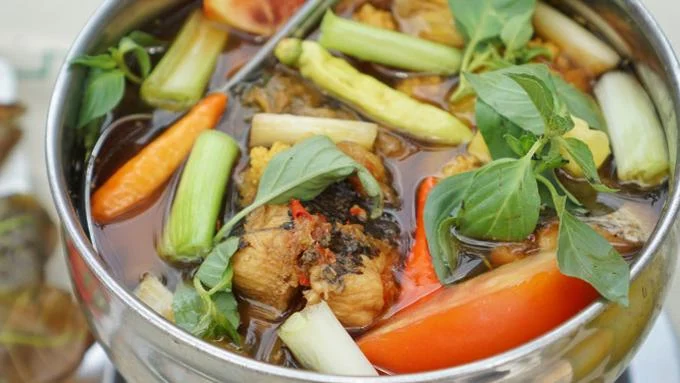

One of the most exquisite variations hails from West Java, the home of the Sundanese people. This version incorporates Ikan Patin, also known as silver catfish or pangasius, into the sour broth. The natural fattiness of the fish complements the sharp acidity of the tamarind, creating a dish that is both light and satisfying.
In this comprehensive guide, we will explore the nuances of creating the perfect Sayur Asem Ikan Patin Khas Sunda. From selecting the freshest fish to mastering the spice paste, every step is crucial to achieving that authentic taste found in traditional Sundanese restaurants.
Understanding the Flavor Profile
Sundanese cuisine is famous for its fresh ingredients and clear, distinct flavors. Unlike the heavier, coconut milk-laden curries of Sumatra, Sundanese dishes often favor clear broths and raw vegetable sides (lalapan). The flavor profile of this specific dish relies on a concept called segar, which translates to fresh or refreshing.
The primary characteristic of Sayur Asem is its acidity. This is typically achieved using young tamarind (asem jawa) or sometimes bilimbi (belimbing wuluh). However, the sourness must not be overpowering; it acts as a palate cleanser that cuts through the richness of the fish.
The Star Ingredient: Ikan Patin
Ikan Patin is a freshwater fish prized for its tender, melt-in-the-mouth texture. It is rich in Omega-3 fatty acids and has a distinct, slightly fatty belly section that many gourmets adore. However, cooking freshwater fish comes with a specific challenge: the muddy or earthy smell often referred to as bau tanah.
Successfully cooking this dish begins long before the stove is turned on. It starts with proper cleaning and preparation of the fish to ensure the final broth remains fragrant and free of any unwanted odors.
Preparation: Cleaning the Fish
To prepare the Ikan Patin, wash it thoroughly under cold running water. Remove the innards completely, as any residue can turn the soup bitter. Cut the fish into steaks or chunks, depending on the size of the fish and your preference.
The most critical step is the marination. Rub the fish generously with lime juice (jeruk nipis) and a pinch of salt. Let it sit for at least 15 to 20 minutes. The acid in the lime neutralizes the slime and the earthy odor inherent to river fish. After marinating, rinse the fish once more to remove the excess acid and salt before cooking.
The Vegetable Ensemble
While the fish is the protein star, a true Sayur Asem is incomplete without a variety of vegetables. The Sundanese version typically includes a colorful mix that adds texture and sweetness to the broth.
- Chayote (Labu Siam): Diced into cubes, it absorbs the broth beautifully.
- Long Beans (Kacang Panjang): Cut into finger-length pieces for a crunch.
- Corn (Jagung Manis): Sweet corn on the cob, cut into rounds, provides a natural sweetness that balances the sour tamarind.
- Melinjo: Both the nuts and the leaves are traditional additions that add a slight bitterness and nutty flavor.
The Aromatics and Spice Paste
- 5-7 Shallots (Bawang Merah)
- 3-4 Cloves of Garlic (Bawang Putih)
- 3-5 Red Chilies (Cabai Merah Keriting) – adjust for heat
- 1 teaspoon of Shrimp Paste (Terasi) – toasted for depth of flavor
- A few candlenuts (Kemiri) – to add a slight thickness to the soup
In addition to the ground paste, you will need whole aromatics to infuse the water. These include bruised lemongrass stalks (sereh), galangal (lengkuas), and bay leaves (daun salam). These are essential for masking any remaining fishy odors and imparting a herbal fragrance.
Step-by-Step Cooking Instructions
Step 1: Boiling the Water
Start by bringing a large pot of water to a rolling boil. The amount of water depends on how much soup you want, but generally, 1.5 to 2 liters is sufficient for a standard family meal.
Step 2: Infusing the Broth
Once the water is boiling, add the ground spice paste directly into the water. Unlike curries where spices are sautéed in oil first, Sayur Asem often involves boiling the raw spices to keep the soup light and oil-free. Add the bruised galangal, lemongrass, and bay leaves at this stage.
Step 3: Cooking Hard Vegetables
Add the hard vegetables first. This usually means the corn and the melinjo nuts. These ingredients take the longest to cook. Allow them to boil for about 5-8 minutes until the corn starts to look tender.
Step 4: Adding the Fish
Gently lower the prepared Ikan Patin pieces into the boiling broth. It is crucial not to stir the pot vigorously after adding the fish, as Patin meat is very delicate and can fall apart easily. Let the fish poach in the boiling liquid.
Step 5: Soft Vegetables and Seasoning
Once the fish changes color (turns opaque), add the softer vegetables like chayote, long beans, and melinjo leaves. At this point, add your souring agent—either fresh tamarind water or unripe tomatoes.
Step 6: Balancing the Flavors
Season the soup with salt and sugar. Sundanese Sayur Asem typically has a subtle sweetness to it, often derived from palm sugar (gula merah), which balances the sharp acidity. Taste the soup continuously. It should hit the tongue with a sour note first, followed by savory and sweet undertones.
Tips for the Perfect Texture
Do not overcook the fish. Ikan Patin cooks relatively quickly. Once the flesh is white and flakes easily with a fork, it is done. Overcooking will result in the meat disintegrating into the soup, making the broth cloudy and full of bones.
If you prefer a clearer soup, ensure you skim off any foam that rises to the surface during the boiling process. This foam consists of proteins and impurities that can muddy the visual appeal of the dish.
Serving Suggestions
Sayur Asem Ikan Patin is best served piping hot. It is traditionally accompanied by steamed white rice. The contrast between the hot, sour soup and the neutral, fluffy rice is comforting and delicious.
To complete the Sundanese dining experience, serve this dish with Sambal Terasi (shrimp paste chili sauce) on the side. The spicy kick of the sambal elevates the refreshing nature of the soup.
Additional side dishes often include salted fish (ikan asin), tempeh, or tofu. The salty, dry texture of fried salted fish provides a wonderful crunch that contrasts with the soft texture of the Patin fish.
Health Benefits
Beyond its delicious taste, this dish is nutritionally dense. Ikan Patin is an excellent source of lean protein and healthy fats. The variety of vegetables provides fiber, vitamins, and minerals.
The use of turmeric (often added for color) and galangal offers anti-inflammatory properties, while tamarind is known for aiding digestion. Since this recipe does not require frying or coconut milk, it is also lower in calories compared to other Indonesian rich stews like Gulai or Rendang.
Regional Variations
While this guide focuses on the Sundanese style, it is worth noting that other regions have their own takes. The Betawi version of Sayur Asem is darker and murkier due to the use of more nuts and different spices. The version with fish is sometimes called Pindang in South Sumatra, though Pindang usually has a more complex spice profile involving burnt aromatics.
However, the Sundanese Ikan Patin Sayur Asem remains unique due to its simplicity and the clarity of its flavors. It celebrates the freshness of the river fish rather than masking it.
Storage and Reheating
If you have leftovers, store the soup in an airtight container in the refrigerator. It can last for up to 2 days. However, be gentle when reheating. Use low heat to bring it to a simmer; vigorous boiling upon reheating will almost certainly break the fish apart.
It is also noted that the flavors often meld better the next day, with the sourness penetrating the fish meat more thoroughly, making for an even tastier meal.
Conclusion
Making Sayur Asem Ikan Patin Khas Sunda is an exercise in balancing flavors. It requires attention to the preparation of the fish and a delicate hand with the seasoning. When done correctly, it results in a bowl of soup that is restorative, appetizing, and deeply representative of West Java’s culinary heritage.
Whether you are cooking for a family dinner or looking to explore authentic Indonesian flavors, this dish is a perfect choice. Gather your fresh ingredients, prepare your spice paste, and enjoy the refreshing taste of Sundanese comfort food right in your own kitchen.
:strip_icc():format(jpeg)/kly-media-production/medias/3211813/original/027093100_1597721986-shutterstock_1560261308.jpg "The Ultimate Guide to Making Sundanese Sayur Asem with Patin Fish")