
Embarking on the journey to make Fuyunghai Seafood at home might seem daunting, but with a structured approach and clear instructions, it becomes an achievable and enjoyable endeavor. This guide is designed to demystify the process, breaking it down into manageable steps. We’ll explore the essential ingredients, the preparation techniques for both the omelet and the sauce, the crucial cooking methods, and finally, how to present your masterpiece to impress family and friends. Prepare to transform your kitchen into a Fuyunghai haven.
The foundation of any great Fuyunghai dish lies in the quality and freshness of its ingredients. For the seafood component, fresh crab meat is paramount. You can opt for pre-cooked crab meat, ensuring it’s well-drained, or if you’re feeling adventurous, steam and pick fresh crab yourself for an unparalleled flavor. Similarly, fresh, plump shrimp are ideal. Peel, devein, and roughly chop them to distribute their flavor and texture evenly throughout the omelet. The quantity can be adjusted based on your preference, but a good starting point is about 100-150 grams of crab meat and a similar amount of shrimp.
Beyond the star seafood, other ingredients contribute significantly to the omelet’s body and flavor. Finely chopped onions or shallots provide a subtle sweetness and aromatic base. Green onions, chopped, add a fresh, sharp contrast and a vibrant visual appeal. Some recipes also incorporate finely diced carrots for a touch of sweetness and color, or peas for added texture and visual interest. These vegetables should be finely chopped to ensure they cook through and integrate seamlessly into the omelet mixture.
Seasoning the omelet mixture is crucial for building flavor from the ground up. A pinch of salt and freshly ground black pepper are essential. A dash of white pepper can add a subtle warmth without altering the color. Some cooks also add a splash of soy sauce or a teaspoon of fish sauce to the egg mixture for an umami boost. Taste and adjust the seasoning before adding the seafood and vegetables to ensure a well-balanced flavor profile.
Now, let’s turn our attention to the quintessential Fuyunghai sauce. This sauce is what elevates the dish from a simple omelet to a celebrated delicacy. The base is typically a mixture of chicken or vegetable broth, providing a savory foundation. A key ingredient for the characteristic sweetness is sugar. You can use granulated sugar or brown sugar for a deeper flavor. The tanginess often comes from vinegar, with white vinegar or rice vinegar being common choices. A touch of soy sauce adds depth and color to the sauce, while oyster sauce contributes a rich, savory, and slightly sweet umami flavor that is characteristic of many Chinese-Indonesian dishes.
To achieve the desired thickness and glossy finish, cornstarch is indispensable. It’s usually mixed with a small amount of water to form a slurry before being added to the simmering sauce. This prevents lumps and ensures a smooth, velvety consistency. Some variations of the sauce might include a small amount of ketchup for a hint of tomato flavor and a brighter red hue, though this is not always traditional. The balance of sweet, sour, and savory is paramount, so tasting and adjusting the proportions of sugar, vinegar, and soy sauce is a critical step.
Preparation is key to a smooth cooking process. Begin by preparing all your omelet ingredients: chop the seafood, vegetables, and green onions. Ensure the crab meat is well-drained to avoid a watery omelet. In a large bowl, whisk the eggs with salt, pepper, and any other chosen seasonings. Gently fold in the chopped seafood, vegetables, and green onions. Be careful not to overmix, as this can toughen the eggs. The mixture should be well-combined but still have distinct pieces of seafood and vegetables.
For the sauce, combine the broth, sugar, vinegar, soy sauce, and oyster sauce in a small saucepan. Stir well to dissolve the sugar. Bring the mixture to a gentle simmer over medium heat. While the sauce is heating, prepare the cornstarch slurry by whisking cornstarch with cold water until smooth. Once the sauce is simmering, gradually whisk in the cornstarch slurry until the sauce thickens to your desired consistency. It should be thick enough to coat the back of a spoon but still pourable. Keep the sauce warm over low heat, stirring occasionally, or set aside to reheat later.
The cooking method for the Fuyunghai omelet requires a bit of finesse. Heat a generous amount of neutral cooking oil (like vegetable, canola, or peanut oil) in a non-stick skillet or wok over medium-high heat. The oil should be hot enough to sizzle when a drop of egg mixture is added, but not so hot that it smokes. Pour about half of the omelet mixture into the hot oil, spreading it evenly to form a thick pancake-like shape. Fry for 2-3 minutes until the bottom is golden brown and set.
Carefully flip the omelet using a spatula. If the omelet is large, you might need to use two spatulas or even a plate to help with the flip. Continue to fry the other side for another 2-3 minutes until it’s also golden brown and cooked through. The inside should be just set, not runny. Remove the cooked omelet from the skillet and place it on a wire rack or paper towel-lined plate to drain any excess oil. Repeat the process with the remaining omelet mixture, if making multiple omelets.
Some prefer to cook their Fuyunghai as one large, thick omelet, while others opt for smaller, individual portions. Cooking smaller omelets can be easier to manage during the flipping process and ensures more even cooking throughout. If making individual omelets, adjust the amount of batter poured into the pan accordingly. The key is to achieve a golden-brown exterior with a tender, slightly moist interior, without overcooking the eggs to a rubbery texture.
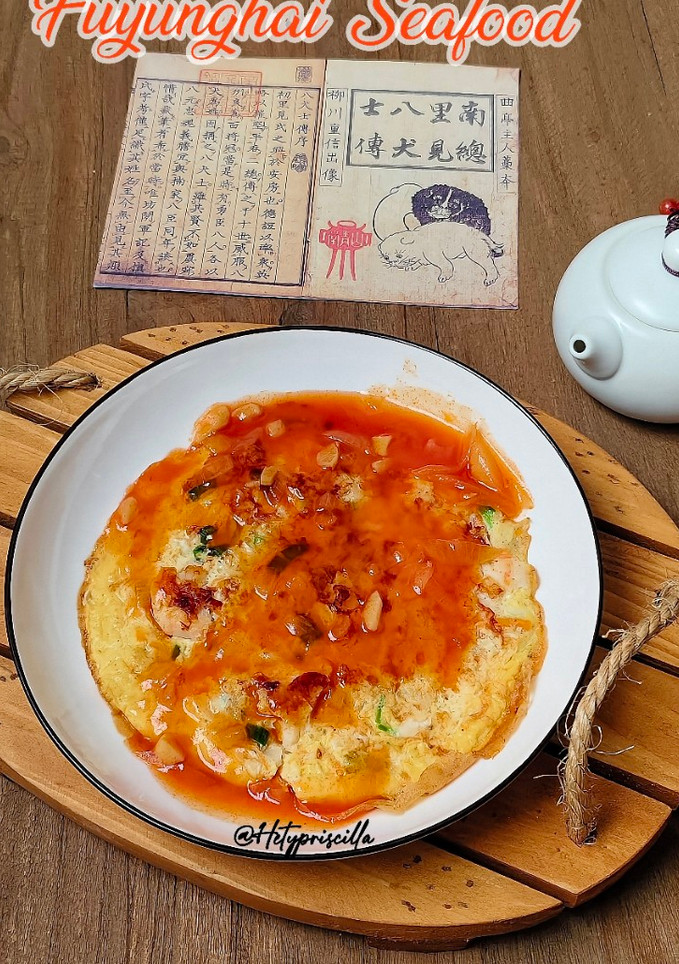
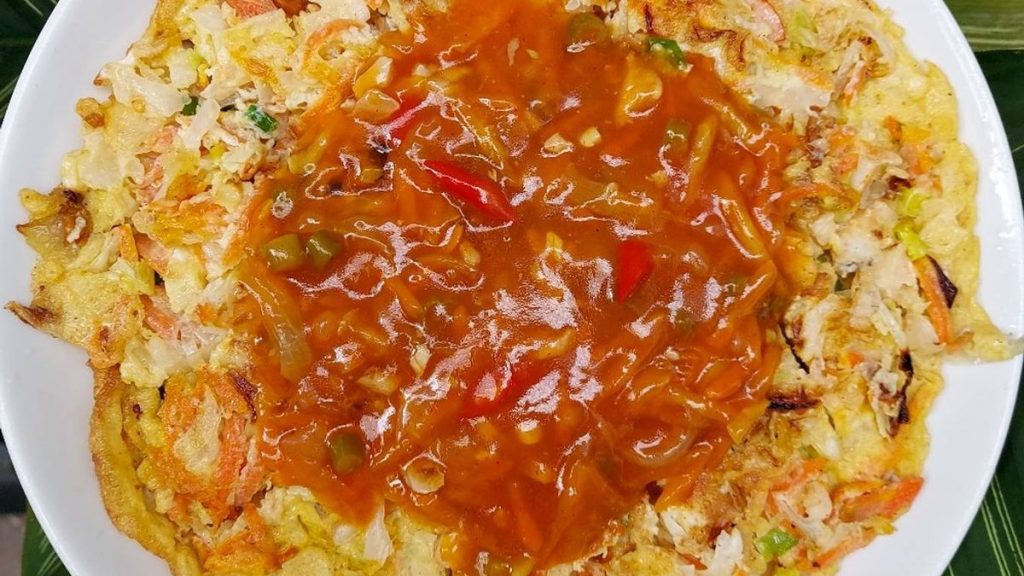
Once your Fuyunghai omelets are cooked and drained, it’s time for the grand finale: assembling the dish. Place a cooked omelet on a serving plate. Generously ladle the warm Fuyunghai sauce over the top, allowing it to cascade down the sides. The contrast between the golden omelet and the glossy sauce is visually appealing and signals the deliciousness to come.
Garnishing adds the final touch and enhances the overall presentation. A sprinkle of chopped fresh green onions provides a burst of color and freshness. Some people like to add a few blanched peas or thinly sliced red chilies for extra visual appeal and a hint of spice. A drizzle of sesame oil over the top can add a subtle nutty aroma. The goal is to make the dish look as appetizing as it tastes.
Serving Fuyunghai Seafood is best done immediately while the omelet is still warm and slightly crisp, and the sauce is hot and luscious. It is traditionally served as a main course, accompanied by steamed white rice. The rice acts as a perfect neutral canvas to absorb the rich flavors of the sauce and the omelet. Ensure the rice is fluffy and well-cooked for the best dining experience.
For those who enjoy a bit of heat, a side of chili sauce or sambal can be offered. This allows diners to customize their spice level. The combination of the savory-sweet sauce, the tender seafood, and the fluffy rice is a classic and deeply satisfying meal that appeals to a wide range of palates.
Experimentation is encouraged when it comes to Fuyunghai. While seafood is traditional, you can adapt the recipe to your liking. Consider adding finely diced chicken or pork for a different protein profile. For a vegetarian version, omit the seafood and focus on a medley of finely chopped vegetables like mushrooms, bamboo shoots, and water chestnuts. The sauce can also be adjusted to suit personal preferences for sweetness or tanginess.
The importance of oil temperature cannot be overstated when frying the omelet. If the oil is too cool, the omelet will absorb too much oil, becoming greasy and potentially falling apart. If the oil is too hot, the exterior will burn before the inside is cooked through. Maintaining a consistent medium-high heat is crucial for achieving that perfect golden-brown exterior and a tender interior.
Draining the cooked omelet properly is also vital. Using a wire rack allows air to circulate, preventing the bottom from becoming soggy. If using paper towels, ensure you have enough to absorb excess oil without the omelet sitting in a pool of grease. This step contributes to the desirable crispness of the Fuyunghai.
When making the sauce, remember that the cornstarch slurry needs to be added gradually. Over-thickening the sauce can make it gummy. It’s better to start with a smaller amount of slurry and add more if needed until the desired consistency is reached. The sauce should coat the back of a spoon, not be so thick that it clumps.
For those who are sensitive to gluten, you can easily adapt this recipe. Use tamari or a gluten-free soy sauce alternative in the sauce. Ensure your oyster sauce is also gluten-free if using. For the omelet, you can omit the flour or cornstarch if you are not using it for binding, or opt for a gluten-free flour blend.
The quality of your broth for the sauce can make a significant difference. While store-bought chicken or vegetable broth is convenient, using a homemade broth will impart a richer, more complex flavor to the sauce. If you have time, consider making your own broth from scratch.
When preparing the seafood, it’s essential to chop it into bite-sized pieces. This ensures that each bite of the omelet contains a balanced distribution of flavors and textures. Overly large chunks might not cook evenly within the egg mixture.
The choice of vinegar can subtly alter the sauce’s profile. White vinegar offers a clean, sharp tang. Rice vinegar provides a milder, slightly sweeter acidity. Apple cider vinegar could introduce a fruity note, though it’s less traditional. Experiment to find your preferred balance.
For a richer omelet, some recipes suggest adding a small amount of milk or evaporated milk to the egg mixture. This can contribute to a more tender and moist omelet, but be careful not to add too much, as it can make the omelet more difficult to cook through.
The sweetness of the sauce is a matter of personal preference. If you prefer a less sweet sauce, start with a smaller amount of sugar and gradually add more to taste. Conversely, if you have a sweet tooth, you might want to increase the sugar slightly.
Consider the texture of your vegetables. If using carrots, ensure they are diced very finely or even grated so they soften during cooking. Overly large pieces of raw carrot can remain crunchy, which might not be the desired texture in a Fuyunghai.
The art of Fuyunghai lies in the harmonious interplay of textures – the slight crispness of the fried omelet, the tender seafood, the soft vegetables, and the smooth, savory sauce. Achieving this balance is the ultimate goal of mastering this dish at home.
By following this comprehensive guide, you are well-equipped to create a delicious and authentic Fuyunghai Seafood that rivals any restaurant offering. Enjoy the process and the delightful results!