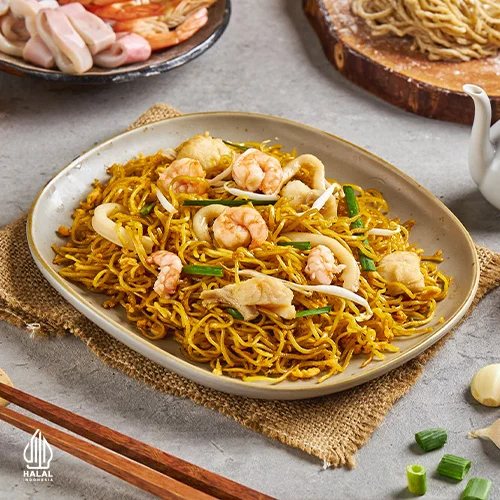

Mie Goreng Seafood Hokkien is more than just a meal; it’s an experience. It’s a celebration of fresh seafood, perfectly cooked noodles, and a flavorful sauce that ties everything together. The dish typically features a medley of seafood, such as prawns, squid, and fish cakes, stir-fried with wheat noodles, vegetables, and a savory sauce. The result is a dish that is both satisfying and incredibly flavorful. This guide will provide you with a comprehensive understanding of the ingredients, techniques, and secrets to create a truly authentic and unforgettable Mie Goreng Seafood Hokkien experience.
Before we jump into the recipe, let’s appreciate the history and cultural significance of this beloved dish. Hokkien cuisine, originating from the Fujian province of China, has significantly influenced the culinary landscape of Southeast Asia. Hokkien immigrants brought their unique cooking techniques and flavors to countries like Indonesia, Malaysia, and Singapore, where they adapted and incorporated local ingredients, giving rise to the diverse and vibrant cuisine we know today. Mie Goreng Seafood Hokkien is a prime example of this fusion, where Chinese culinary traditions meet the abundance of fresh seafood and vibrant spices of Southeast Asia.
Now, let’s dive into the essential components of creating this culinary masterpiece. The key to a great Mie Goreng Seafood Hokkien lies in the quality of ingredients and the precise execution of the cooking process. We’ll start with the noodles, which are the foundation of this dish. Traditionally, yellow wheat noodles are used, offering a chewy texture and a good ability to absorb the flavorful sauce. You can usually find these fresh or dried at your local Asian grocery store. If fresh noodles aren’t available, dried ones will work, but be sure to cook them al dente.
Next, we need the star of the show: the seafood. Freshness is paramount here. Choose a variety of seafood that you enjoy, such as prawns (shrimp), squid, fish cakes, and even mussels or clams if you like. Make sure the seafood is cleaned and prepared properly. Prawns should be deveined and peeled (leaving the tails on for visual appeal is optional). Squid should be cleaned and sliced into rings or bite-sized pieces. Fish cakes add a unique texture and flavor, and they are readily available in Asian markets. The key is to ensure the seafood is cooked to perfection – tender and succulent, not overcooked and rubbery.
Vegetables contribute essential textures and flavors to the dish. Common vegetables include Chinese cabbage (bok choy), bean sprouts, carrots, and scallions (green onions). These vegetables provide a refreshing contrast to the richness of the seafood and noodles. The vegetables should be chopped to a consistent size for even cooking. Bean sprouts add a delightful crunch, while the scallions provide a fresh, aromatic finish. Feel free to experiment with other vegetables like snow peas or bell peppers to your liking.
The sauce is the heart of Mie Goreng Seafood Hokkien, tying all the ingredients together in a harmonious blend of flavors. The sauce typically includes a combination of soy sauce (light and dark), oyster sauce, fish sauce, sweet soy sauce (kecap manis), and a touch of sesame oil. These ingredients contribute a balance of savory, sweet, and umami flavors. You can adjust the quantities of each ingredient to your taste, but a good starting point is to follow the recipe closely and then adjust to your preferences on future attempts.
Now, let’s gather all the necessary ingredients. For the noodles, you’ll need approximately 500 grams of fresh or dried yellow wheat noodles. For the seafood, prepare around 300-400 grams of mixed seafood (prawns, squid, fish cakes, etc.). For the vegetables, you’ll need about 1 cup of chopped Chinese cabbage, 1 cup of bean sprouts, 1/2 cup of sliced carrots, and 2-3 scallions, chopped. Also, you’ll need 2 tablespoons of vegetable oil for stir-frying. For the sauce, gather 3 tablespoons of light soy sauce, 2 tablespoons of dark soy sauce, 1 tablespoon of oyster sauce, 1 tablespoon of fish sauce, 1 tablespoon of sweet soy sauce (kecap manis), and 1 teaspoon of sesame oil. Finally, you’ll need some garlic and optionally, chili for added heat.
Before you start cooking, it’s essential to prep all the ingredients. This is called ‘mise en place,’ a French term that means ‘everything in its place.’ This practice ensures a smooth and efficient cooking process. Clean and prepare the seafood, chop the vegetables, and measure out all the sauce ingredients. This will prevent any last-minute scrambling and allow you to focus on the cooking itself. Have all your ingredients within easy reach of your cooking station.
Now, let’s begin the cooking process. First, cook the noodles according to the package instructions. If using fresh noodles, they usually only need to be blanched briefly in boiling water. If using dried noodles, cook them until al dente. Drain the noodles and set them aside. The noodles should be slightly undercooked, as they will continue to cook in the wok.
Next, prepare the wok. Heat the vegetable oil in a wok or large frying pan over high heat. The wok should be very hot to ensure a good sear on the seafood and vegetables. Add the chopped garlic and stir-fry for a few seconds until fragrant. Be careful not to burn the garlic.
Add the seafood to the wok and stir-fry until it’s almost cooked through. The cooking time will vary depending on the type of seafood. Prawns should turn pink and opaque. Squid should turn white and opaque and curl up. Fish cakes should be heated through. Remove the seafood from the wok and set it aside. This prevents the seafood from overcooking.
Add the vegetables to the wok and stir-fry for a minute or two until they start to soften. Add the carrots first, as they take a little longer to cook. Then, add the Chinese cabbage and bean sprouts. Stir-fry until the vegetables are tender-crisp. Don’t overcook them; they should retain some crunch.
Now, add the cooked noodles to the wok. Pour in the prepared sauce and stir-fry everything together until the noodles are well coated and the sauce has thickened. Toss the noodles constantly to ensure even distribution of the sauce and to prevent sticking. The noodles should absorb the sauce and become flavorful.
Return the cooked seafood to the wok and stir-fry everything together for another minute or two, until the seafood is heated through and the flavors have melded. Be gentle when tossing the seafood and noodles to avoid breaking the noodles or overcooking the seafood. Make sure everything is heated through.
Finally, garnish the Mie Goreng Seafood Hokkien with chopped scallions and serve immediately. The fresh, green scallions add a visual appeal and a burst of freshness to the dish. Serve the noodles hot, as they taste best when freshly cooked. You can also add a squeeze of fresh lime juice on top for a tangy finish.
To elevate your Mie Goreng Seafood Hokkien experience, consider these additional tips. Use high-quality ingredients, especially the seafood and sauces. Don’t overcrowd the wok; cook in batches if necessary. The wok should be hot to achieve the desired sear and flavor. Adjust the sauce to your taste, adding more or less soy sauce, oyster sauce, or chili. Don’t overcook the noodles, seafood, or vegetables. Freshly cooked noodles and seafood are the key to a great dish.
For a spicier kick, add some chopped chilies to the wok along with the garlic. You can use bird’s eye chilies (cabe rawit) or any other chili of your choice. Adjust the amount of chili according to your spice preference. If you prefer a sweeter version, add a touch more sweet soy sauce (kecap manis). If you don’t have all the sauces, you can substitute with what you have but try to keep the balance of flavors.
To complement the flavors of Mie Goreng Seafood Hokkien, consider serving it with some side dishes. A simple cucumber salad with a light vinaigrette provides a refreshing contrast to the richness of the noodles. Some crispy prawn crackers (kerupuk udang) add a delightful crunch. A side of pickled chilies or sambal oelek offers an extra layer of heat. A chilled glass of iced tea or a refreshing fruit drink will perfectly complement the meal.
Experimenting with different seafood is a great way to personalize your Mie Goreng Seafood Hokkien. Try adding mussels, clams, scallops, or even lobster. Just ensure that the seafood is cooked to perfection. Consider adding different types of vegetables, such as mushrooms, bell peppers, or snow peas. The possibilities are endless. Adjust the sauce to your liking. If you prefer a richer flavor, you can add a touch of butter at the end of the cooking process. Get creative and find the combination that you enjoy the most.
Once you’ve mastered the basic recipe, you can start experimenting with variations. Some people add eggs to the noodles for extra protein and richness. Simply crack a couple of eggs into the wok during the noodle stir-frying process and scramble them until cooked. You can also add tofu or tempeh for a vegetarian version. Use vegetable broth instead of the fish sauce to make it vegan-friendly. Try different types of noodles, such as rice noodles or egg noodles.
The key to a successful Mie Goreng Seafood Hokkien is practice. Don’t be discouraged if your first attempt isn’t perfect. With each try, you’ll refine your technique and discover your own unique touch. Pay attention to the cooking times, the balance of flavors, and the texture of the ingredients. Most importantly, have fun and enjoy the process. Cooking should be an enjoyable experience, so relax, experiment, and savor the journey.
Proper storage is essential to maintain the quality of your Mie Goreng Seafood Hokkien. Leftovers can be stored in an airtight container in the refrigerator for up to 2-3 days. Reheat the noodles in a wok or frying pan over medium heat, adding a splash of water or broth to prevent them from drying out. Avoid microwaving the noodles, as this can affect their texture. If you want to freeze the noodles, cool them completely and store them in a freezer-safe container for up to a month. Thaw the noodles overnight in the refrigerator before reheating.
When sourcing ingredients, visit your local Asian grocery store. They usually have a wider selection of fresh noodles, sauces, and seafood. Look for high-quality ingredients to ensure the best flavor. Don’t be afraid to ask for recommendations from the store staff. They can provide valuable insights and help you find the best products. Online retailers also offer a wide variety of Asian ingredients. Compare prices and read reviews before making a purchase.
Mie Goreng Seafood Hokkien is a versatile dish that can be enjoyed for various occasions. It’s perfect for a casual weeknight dinner, a special family gathering, or a potluck with friends. It’s also a great dish to impress your guests with its delicious flavors and impressive presentation. Feel free to adjust the recipe to suit your preferences and dietary needs. Whether you’re a seasoned cook or a beginner, this recipe is a great way to explore the vibrant flavors of Hokkien cuisine.
In conclusion, mastering the art of Mie Goreng Seafood Hokkien is a rewarding culinary adventure. By following this comprehensive guide, you’ll be well on your way to creating an authentic and unforgettable dish that will transport you to the bustling streets of Southeast Asia. Remember to use fresh, high-quality ingredients, pay attention to the cooking techniques, and most importantly, have fun. So, gather your ingredients, fire up your wok, and get ready to savor the flavors of this culinary gem!
Now that you have a comprehensive understanding of Mie Goreng Seafood Hokkien, it’s time to put your newfound knowledge to the test. Don’t hesitate to experiment with the ingredients, adjust the flavors to your liking, and most importantly, enjoy the process. Happy cooking, and may your Mie Goreng Seafood Hokkien be a resounding success!
Enjoy the process of cooking and don’t be afraid to experiment. The beauty of cooking is that it allows for creativity and personalization. Adjust the recipe to your taste, add your favorite ingredients, and let your culinary creativity flow. Don’t be afraid to make mistakes; they are part of the learning process. With each attempt, you’ll refine your technique and discover your own unique touch. The goal is to create a dish that you and your loved ones will enjoy.
Remember to source high-quality ingredients. The quality of your ingredients will directly impact the final flavor of your dish. Choose fresh seafood, flavorful sauces, and vibrant vegetables. Visit your local Asian grocery store for the best selection of ingredients. Don’t hesitate to ask for recommendations from the store staff. They can provide valuable insights and help you find the best products.
Pay attention to the cooking techniques. Mastering the cooking techniques is crucial for achieving the perfect texture and flavor. Cook the noodles al dente, stir-fry the seafood and vegetables until they are tender-crisp, and ensure that the sauce coats the noodles evenly. The key is to be patient and pay attention to detail. Practice makes perfect, so don’t be discouraged if your first attempt isn’t perfect.
Don’t overcrowd the wok. When stir-frying, it’s important not to overcrowd the wok. Cook in batches if necessary, to ensure that the ingredients are cooked evenly and that they develop a good sear. Overcrowding the wok will lower the temperature and prevent the ingredients from browning properly. You want the food to sear, not steam. This is crucial for achieving the desired flavor and texture.
Adjust the sauce to your taste. The sauce is the heart of Mie Goreng Seafood Hokkien. Adjust the quantities of soy sauce, oyster sauce, fish sauce, and sweet soy sauce to your liking. If you prefer a spicier flavor, add some chopped chilies to the wok. If you prefer a sweeter version, add a touch more sweet soy sauce. The goal is to create a sauce that perfectly complements the other ingredients.
Garnish and serve immediately. Garnish your Mie Goreng Seafood Hokkien with chopped scallions and serve immediately. The fresh, green scallions add a visual appeal and a burst of freshness to the dish. Serve the noodles hot, as they taste best when freshly cooked. This ensures that the noodles retain their texture and that the flavors are at their peak.
Consider the presentation. The presentation of your Mie Goreng Seafood Hokkien can enhance the dining experience. Arrange the noodles artfully on a plate, and garnish them with scallions, chilies, and a squeeze of lime juice. Consider using a beautiful serving dish to showcase your culinary creation. Presentation is key to making the dish even more appealing.
Pair with complementary side dishes. Serve your Mie Goreng Seafood Hokkien with side dishes that complement its flavors. A simple cucumber salad with a light vinaigrette provides a refreshing contrast to the richness of the noodles. Some crispy prawn crackers (kerupuk udang) add a delightful crunch. A side of pickled chilies or sambal oelek offers an extra layer of heat. A chilled glass of iced tea or a refreshing fruit drink will perfectly complement the meal.
Embrace the cultural experience. Cooking Mie Goreng Seafood Hokkien is not just about the recipe; it’s about embracing the cultural experience. Learn about the history of the dish, the origins of the ingredients, and the traditions associated with it. This will deepen your appreciation for the dish and make the cooking process even more enjoyable. Immerse yourself in the culinary heritage of Southeast Asia.
Share your creations. Cooking is meant to be shared. Invite your friends and family to enjoy your Mie Goreng Seafood Hokkien. Share your culinary creations, exchange recipes, and create lasting memories. Cooking is a wonderful way to connect with others and celebrate the joy of food.
Continue to explore and learn. The world of cooking is vast and exciting. Continue to explore new recipes, experiment with different ingredients, and learn from other cooks. The more you learn, the more confident you’ll become in the kitchen. Embrace the journey of culinary discovery, and enjoy the delicious results.