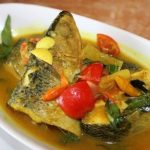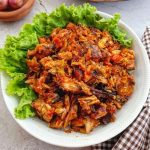
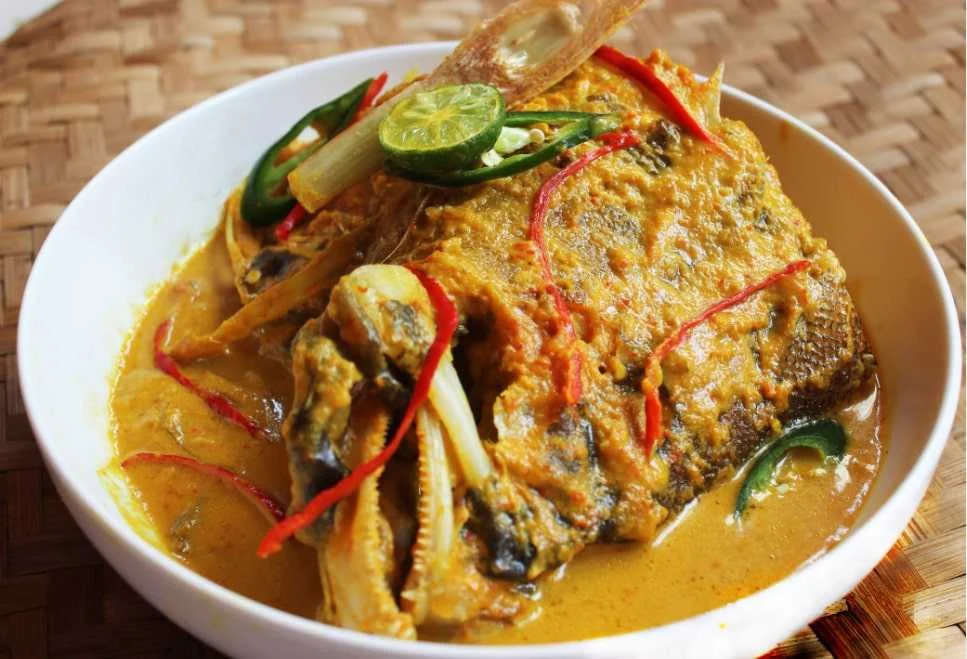

The essence of Ikan Woku Belanga lies in its unique blend of spices and fresh herbs. The ‘woku’ spice paste is the heart and soul of the dish, providing a depth of flavor that is both complex and incredibly satisfying. The use of fresh turmeric, ginger, galangal, lemongrass, and chilies creates a vibrant and aromatic base that infuses the fish with a delightful warmth and zest. This is not just a recipe; it’s an experience, a chance to transport yourself to the bustling markets and fragrant kitchens of Manado.
Before we delve into the recipe, let’s explore the key ingredients that make Ikan Woku Belanga so special. Sourcing the freshest ingredients is crucial for achieving the authentic Manado flavor. While some ingredients might require a trip to a specialty Asian market, the effort is well worth it. You’ll find that the unique combination of spices is what sets this dish apart.
The ‘woku’ spice paste is the foundation of this dish. It typically includes: fresh turmeric, ginger, galangal, lemongrass, chilies (adjust according to your spice preference), shallots, garlic, candlenuts (macadamia nuts can be a substitute), and a touch of salt and sugar to balance the flavors. The precise proportions vary from family to family, but the general concept remains the same: a vibrant and aromatic paste that forms the base of the stew.
Other essential ingredients include fresh tomatoes, which add a touch of acidity and sweetness; kaffir lime leaves, which provide a distinctive citrusy fragrance; and daun kemangi (Indonesian basil), which adds a refreshing herbal note. Coconut milk is another key component, lending a creamy texture and richness to the stew. Finally, a dash of salt, sugar, and sometimes, a squeeze of lime juice, is used to balance the flavors.
Now that we’ve gathered our ingredients, let’s prepare the ‘woku’ spice paste. This is the most time-consuming part of the process, but it’s essential for achieving the authentic flavor. You have two main options: using a traditional mortar and pestle (ulekan) or using a food processor. The mortar and pestle method provides a more rustic texture and releases the aromas more intensely, while the food processor is faster and more convenient.
If using a mortar and pestle, finely chop all the spices and herbs. Then, gradually grind them together, adding a pinch of salt to aid the process. The goal is to create a smooth, homogenous paste. This method requires patience and elbow grease but yields a truly exceptional result.
If using a food processor, simply combine all the ingredients in the processor and pulse until a smooth paste forms. Be careful not to over-process, as this can make the paste too watery. Scrape down the sides of the processor as needed to ensure everything is evenly incorporated.
Once the ‘woku’ paste is ready, it’s time to cook the fish. Start by cleaning and preparing the fish. If using whole fish, you can scale and gut them. If using fillets, simply ensure they are free of any bones. Season the fish lightly with salt and pepper.
Heat some oil in a large pot or Dutch oven (belanga). The belanga is a traditional Indonesian cooking pot and gives the dish its name. Add the ‘woku’ paste to the pot and sauté over medium heat until fragrant, about 5-7 minutes. Stir frequently to prevent the paste from sticking to the bottom of the pot.
Next, add the chopped tomatoes, kaffir lime leaves, and lemongrass to the pot. Cook for another 2-3 minutes, stirring occasionally, until the tomatoes soften slightly.
Gently place the fish into the pot, nestling it into the spice mixture. If using fillets, arrange them in a single layer. If using whole fish, you may need to cook them in batches, depending on the size of your pot.
Pour in the coconut milk and enough water to almost cover the fish. Bring the mixture to a simmer, then reduce the heat to low, cover the pot, and let the fish cook until it is cooked through and flakes easily with a fork, usually about 15-20 minutes, depending on the thickness of the fish.
Once the fish is cooked, stir in the daun kemangi (Indonesian basil). Taste the stew and adjust the seasoning with salt, sugar, and lime juice as needed. The flavors should be balanced and harmonious. The stew should have a rich, aromatic, and slightly spicy flavor profile.
Serve the Ikan Woku Belanga hot, garnished with a sprig of fresh basil or a slice of lime. It’s traditionally served with steamed white rice, which is perfect for soaking up the flavorful sauce. You can also serve it with other Indonesian side dishes, such as tempeh goreng (fried tempeh) or tahu goreng (fried tofu).
For those who enjoy a spicier kick, feel free to add more chilies to the ‘woku’ paste or sprinkle some fresh chili slices on top of the finished dish. If you prefer a milder flavor, reduce the amount of chilies in the paste.
Experiment with different types of fish to discover your favorite. Each fish will bring its unique flavor profile to the dish. Snapper and grouper are popular choices, but you can also try using mackerel, cod, or even salmon.
If you don’t have access to fresh daun kemangi (Indonesian basil), you can substitute it with regular basil. While the flavor will be slightly different, it will still add a lovely herbal note to the dish.
Don’t be afraid to adjust the recipe to your personal preferences. The beauty of cooking is that you can adapt and modify recipes to suit your taste. Add more or less of any spice or herb to create a dish that is perfectly tailored to your palate.
Ikan Woku Belanga is a dish that is best enjoyed with friends and family. It’s a perfect meal for sharing, and its vibrant flavors are sure to bring people together. Invite your loved ones over, cook up a batch of Ikan Woku Belanga, and share the joy of Indonesian cuisine.
To achieve the best results, use fresh, high-quality ingredients. The fresher the ingredients, the more vibrant and flavorful the dish will be. Don’t skimp on the spices; they are the key to the authentic Manado flavor.
When simmering the fish, be careful not to overcook it. The fish should be cooked through but still moist and tender. Overcooked fish can become dry and tough.
If you’re using whole fish, you can score the sides of the fish before cooking to help the flavors penetrate and ensure even cooking.
For a richer flavor, you can use full-fat coconut milk. If you prefer a lighter dish, you can use coconut milk light or a combination of coconut milk and water.
If you want to prepare the ‘woku’ paste in advance, you can do so. Store it in an airtight container in the refrigerator for up to 3 days or in the freezer for up to a month. This will save you time on the day you want to cook the dish.
Consider adding other vegetables to your Ikan Woku Belanga. Some popular additions include eggplant, long beans, or green beans. These vegetables will add texture and nutrients to the dish.
If you’re not a fan of fish, you can adapt this recipe to use chicken or tofu. The cooking process remains the same, but the cooking time will vary depending on the protein you choose.
The beauty of Ikan Woku Belanga is its versatility. Feel free to experiment with different variations and create your own signature dish. Add your personal touch and enjoy the culinary adventure!
Ikan Woku Belanga is a dish that reflects the rich cultural heritage of Manado. It’s a celebration of flavors, spices, and fresh ingredients. Cooking this dish is not just about following a recipe; it’s about connecting with the spirit of the region and experiencing the warmth of Indonesian hospitality.
The use of the ‘belanga’ pot, a traditional earthenware cooking vessel, is an important aspect of preparing this dish. If you have one, using it will enhance the authenticity of the experience. If not, a Dutch oven or a heavy-bottomed pot will work just as well.
The aroma that fills your kitchen while cooking Ikan Woku Belanga is simply intoxicating. It’s a symphony of spices and herbs that will transport you to the bustling markets and vibrant kitchens of Manado.
Don’t be intimidated by the number of ingredients or the steps involved. The process is straightforward, and the results are well worth the effort. Embrace the challenge and enjoy the journey of creating this culinary masterpiece.
As you become more familiar with the recipe, you can start to experiment with the proportions of spices and herbs to create your own unique version of Ikan Woku Belanga. This is where the real fun begins!
Consider serving Ikan Woku Belanga with a side of sambal (chili paste) for those who enjoy a fiery kick. Sambal matah, a raw Balinese sambal, would be a particularly delicious accompaniment.
Pair your Ikan Woku Belanga with a crisp, refreshing beverage, such as iced tea or a local Indonesian drink like es teh manis (sweet iced tea), to complement the rich flavors of the dish.
In Manado, Ikan Woku Belanga is often enjoyed as part of a larger feast, alongside other traditional dishes like tinutuan (Manado porridge) and cakalang fufu (smoked skipjack tuna). Consider creating your own Manado-inspired feast to fully immerse yourself in the culinary experience.
Embrace the spirit of Manado and its culinary traditions. Ikan Woku Belanga is more than just a dish; it’s a celebration of culture, community, and the joy of sharing delicious food with loved ones.
So, gather your ingredients, put on your apron, and prepare to embark on a culinary adventure. With this guide in hand, you’re well-equipped to create an authentic and unforgettable Ikan Woku Belanga experience. Selamat makan (Enjoy your meal)!