
Beyond the mackerel, other key components play vital roles. Tapioca starch (tepung tapioka or tepung sagu) is the magic ingredient that provides the signature chewiness. The ratio of tapioca starch to fish is critical; too little and the siomay will be soft and crumbly, too much and it will be rubbery and tough. A good starting point is often a 1:1 ratio of fish to starch, but this can be adjusted based on personal preference and the moisture content of the fish.
Aromatics are essential for building flavor depth. Shallots and garlic, finely minced or processed, form the flavor base. Their pungent sweetness, when cooked, mellows into a complex savory note that complements the fish beautifully. White pepper powder adds a subtle heat and a distinct peppery aroma that is characteristic of many Indonesian dishes. Some recipes also call for a touch of ground coriander, which lends a faint citrusy and earthy undertone.
The binding agents are also crucial. Eggs help to emulsify the mixture, binding the fish, starch, and aromatics together, while also contributing to richness. A touch of salt is, naturally, indispensable for enhancing all the flavors. Some cooks also add a small amount of chicken or fish broth powder for an extra layer of umami, though this is optional and depends on the desired flavor intensity.
Preparation of the mackerel is the first step in the actual making of the siomay. The fish should be filleted, any bones removed meticulously, and then finely ground or processed. A food processor is ideal for achieving a smooth, paste-like consistency. If you don’t have a food processor, you can finely chop the fish by hand, though this requires more effort and may result in a slightly coarser texture.
Once the mackerel is processed, it’s time to combine it with the other ingredients. In a large bowl, combine the ground mackerel with the tapioca starch, minced shallots, minced garlic, white pepper, salt, and any other seasonings you are using. If using an egg, add it at this stage. Mix everything thoroughly until a cohesive dough-like mixture forms. It’s important not to overmix at this point, as excessive mixing can toughen the fish.
A crucial technique for achieving the right texture is the method of mixing. While some recipes call for simply mixing, the most effective way to develop the chewiness is through a process of ‘kneading’ or ‘working’ the mixture. This involves pressing and folding the mixture repeatedly. This action helps to develop the gluten-like structure within the tapioca starch and align the proteins in the fish, resulting in that desirable springy texture.
To achieve this, take a portion of the mixture and press it down and away from you with the heel of your hand. Fold it over, turn it, and repeat. Do this for several minutes until the mixture becomes noticeably smoother and more elastic. This step is non-negotiable for achieving truly bouncy siomay. The mixture should feel firm and slightly sticky, but manageable.
The moisture content of the fish can significantly impact the texture. If your mackerel is particularly lean or dry, you might need to add a tablespoon or two of cold water or ice water to help achieve the right consistency. Conversely, if the fish is very fatty, you may need slightly more tapioca starch. The goal is a mixture that holds its shape when formed but is not overly dry or sticky.
Forming the siomay can be done in various ways. The most traditional method involves taking a small portion of the mixture, rolling it into a ball, and then flattening it slightly with your palm. Some prefer to place the mixture onto a small piece of wonton skin (kulit pangsit) and pleat the edges to create a more decorative dumpling. Others simply form it into small, neat mounds.
For the wonton skin method, ensure the skins are kept moist by covering them with a damp cloth. Place a spoonful of the filling in the center, gather the edges of the skin, and pleat them together. Avoid overfilling, which can cause the skin to tear during steaming. A light touch is key to creating well-formed dumplings.
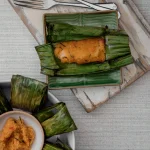
Steaming is the primary cooking method for siomay. Proper steaming ensures that the dumplings cook evenly and retain their moisture. Use a steamer basket lined with parchment paper or banana leaves to prevent the siomay from sticking. Banana leaves impart a subtle, pleasant aroma.
Steam the siomay for approximately 15-20 minutes, or until they are firm to the touch and cooked through. The exact steaming time will depend on the size of your siomay and the efficiency of your steamer. A good test is to carefully remove one siomay and cut it in half; the inside should be opaque and firm, with no pinkness.
The accompanying peanut sauce is as integral to the siomay experience as the dumplings themselves. A well-made peanut sauce should be rich, slightly sweet, savory, and have a hint of spice. The base typically consists of roasted peanuts, chili peppers, garlic, shallots, and palm sugar, all blended with water or coconut milk to achieve the desired consistency.
To make the peanut sauce, start by roasting or frying the peanuts until golden brown and fragrant. Then, sauté the minced garlic and shallots until softened and fragrant. Blend the roasted peanuts with the sautéed aromatics, chili peppers (adjust quantity according to your spice preference), palm sugar, salt, and a bit of tamarind paste for tanginess. Add water or coconut milk gradually while blending until you reach a smooth, thick sauce consistency.
Simmer the blended sauce over low heat, stirring frequently to prevent sticking. This simmering process allows the flavors to meld and deepen. Adjust seasoning as needed – it should be a harmonious balance of sweet, savory, spicy, and tangy.
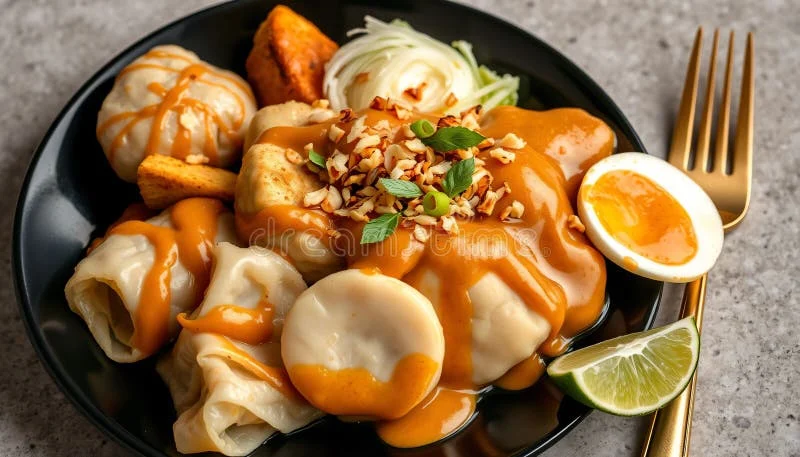
Traditional serving accompaniments for siomay include boiled eggs, steamed cabbage, boiled potatoes, and steamed tofu. These elements provide textural contrast and absorb the delicious flavors of the peanut sauce.
To serve, arrange the steamed siomay, boiled eggs, blanched cabbage, and other accompaniments on a plate. Generously ladle the warm peanut sauce over the top. Garnish with a sprinkle of fried shallots for added crunch and aroma, and a drizzle of sweet soy sauce (kecap manis) for extra sweetness and depth.
For those who enjoy a bit more heat, a side of chili sauce or sambal is a must. The fiery kick of sambal complements the richness of the peanut sauce and the savory fish dumplings perfectly.
Storage of uncooked siomay mixture: If you have prepared more mixture than you need, it can be stored in an airtight container in the refrigerator for up to 2 days. However, the texture is best when used fresh. For longer storage, freeze the formed siomay before steaming.
Freezing: Formed siomay (before steaming) can be frozen. Arrange them on a baking sheet lined with parchment paper in a single layer and freeze until solid. Once frozen, transfer them to a freezer-safe bag or container. They can be stored for up to 2-3 months.
Cooking frozen siomay: When ready to cook frozen siomay, you can steam them directly from frozen. Add a few extra minutes to the steaming time (around 20-25 minutes total) to ensure they are cooked through.
Variations: While mackerel is traditional, other firm white fish like snapper or even shrimp can be used, although the texture and flavor will differ. Some recipes incorporate a small amount of shrimp paste (terasi) for an extra layer of umami, but this is an acquired taste.
Troubleshooting – Siomay too soft: This usually indicates too much moisture or not enough tapioca starch. Try adding a little more starch and working the mixture until it firms up. Ensure your fish is not overly wet.
Troubleshooting – Siomay too tough/rubbery: This can happen from over-processing the fish or over-steaming. Be careful not to over-knead the mixture, and steam only until cooked through.
Troubleshooting – Peanut sauce too thick: Simply thin it out with a little warm water or coconut milk until you reach the desired consistency.
Troubleshooting – Peanut sauce too thin: Simmer it gently for a longer period, stirring constantly, to allow some of the liquid to evaporate.
The art of making perfect mackerel siomay is a rewarding culinary journey. By understanding the role of each ingredient and mastering the techniques of mixing and steaming, you can recreate this beloved Indonesian dish with authentic flavor and an irresistible chewy texture. Enjoy the process and savor the delicious results!
Experimentation is encouraged! While this guide provides a solid foundation, don’t hesitate to adjust seasonings, spice levels, and even the type of fish to suit your personal palate. The world of siomay is vast and offers endless opportunities for delicious discovery.
Ultimately, the best siomay is made with care and attention to detail. From selecting the freshest ingredients to the final plating, each step contributes to the overall enjoyment of this classic dish. Embrace the process, and you’ll be rewarded with siomay that rivals any street vendor’s offering.