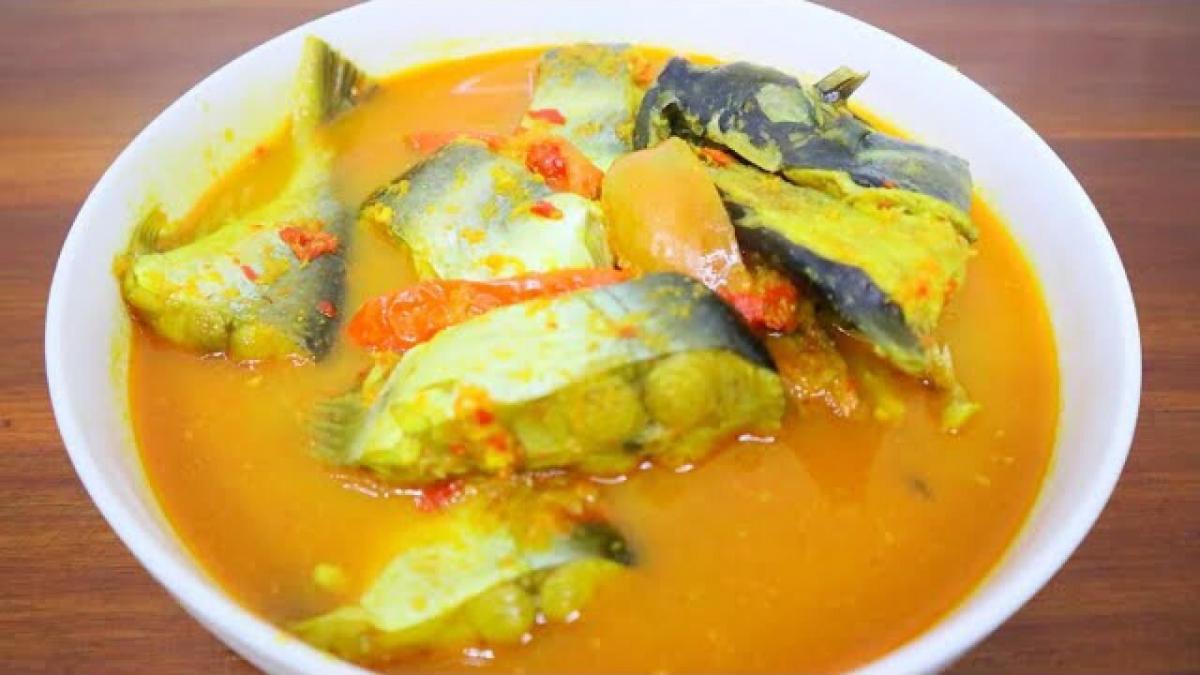
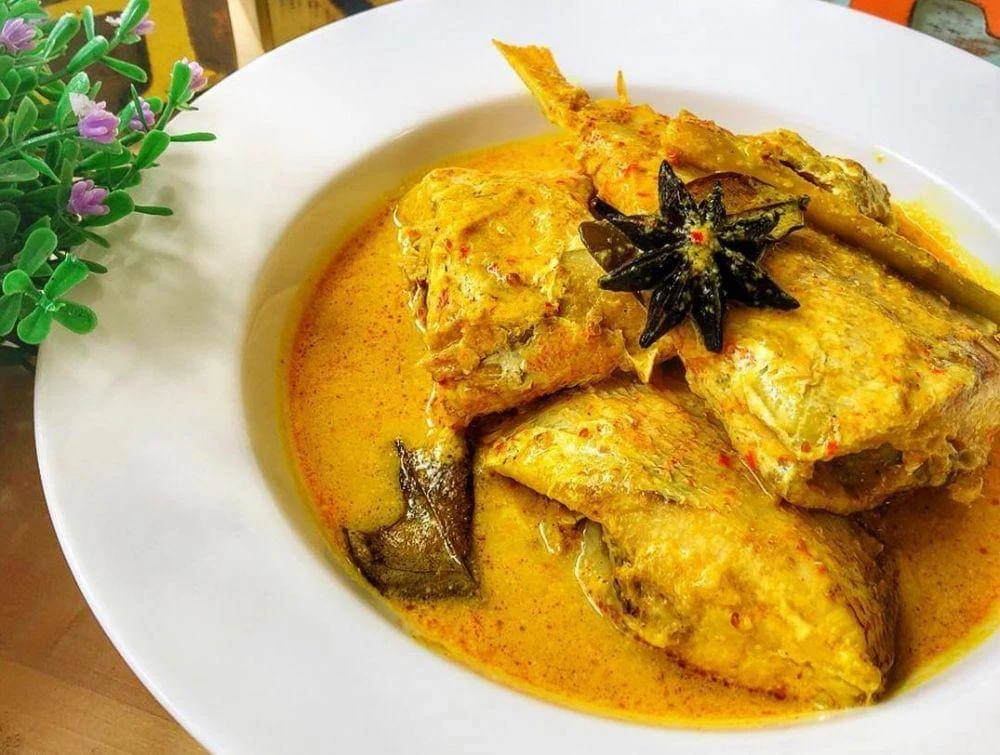

The beauty of this dish lies in its harmonious blend of fresh ingredients and aromatic spices. The star of the show, the red snapper (Ikan Kakap), is simmered in a rich, coconut milk-based broth, infused with a symphony of flavors that awaken the senses. This recipe is not just about following instructions; it’s about understanding the nuances of Sumatran cuisine and the techniques that elevate it to an art form.
This guide will delve into every aspect of preparing Resep Gulai Ikan Kakap Sumatera Yang Kental Bumbunya, from selecting the finest ingredients to mastering the cooking process. We’ll explore the regional variations, the importance of spice combinations, and the secrets to achieving that signature ‘kental’ (thick) consistency. Get ready to embark on a culinary adventure that will transport you to the heart of Sumatra.
The foundation of any exceptional Gulai Ikan Kakap Sumatera lies in the quality of its ingredients. Let’s begin by assembling the key components that will transform your kitchen into a Sumatran culinary haven.
Ikan Kakap (Red Snapper): The heart of the dish. Choose a fresh, firm-fleshed red snapper. The size depends on your preference, but a whole fish or large fillets work best. Ensure the fish is scaled and cleaned thoroughly.
Coconut Milk: Essential for the creamy texture and rich flavor. Use fresh coconut milk for the best results, or opt for a high-quality canned variety. Avoid using low-fat coconut milk as it won’t provide the desired richness.
- Shallots
- Garlic
- Red chilies (adjust to your spice preference)
- Galangal (Lengkuas)
- Ginger (Jahe)
- Turmeric (Kunyit)
- Candlenuts (Kemiri) – toasted for added depth
- Cumin (Jintan)
- Coriander (Ketumbar)
- Lemongrass (Sereh) – bruised to release its aroma
- Kaffir lime leaves (Daun Jeruk)
- Bay leaves (Daun Salam)
- Tamarind paste (Asam Jawa) – for a tangy counterpoint
- Salt and sugar – to balance the flavors
- Cooking oil – for sautéing the spice paste
Now that we’ve gathered our ingredients, let’s move on to the preparation. The process is divided into two main stages: preparing the bumbu halus (spice paste) and cooking the gulai.
- Traditional Method: Using a mortar and pestle (ulekan) to grind the spices into a fine paste. This method yields the most authentic flavor but requires some elbow grease.
- Modern Method: Using a food processor or blender to achieve a similar consistency. This is a faster and more convenient option.
Cooking the Gulai: This is where the magic of the dish truly unfolds.
Heat cooking oil in a large pot or wok over medium heat.
Add the bumbu halus to the pot and sauté it. Stir constantly to prevent burning. Cook until the paste is fragrant and the oil separates, usually for about 5-7 minutes. This step is crucial for developing the flavors.
Add the lemongrass, kaffir lime leaves, and bay leaves to the pot. Stir to combine and cook for another minute.
Pour in the coconut milk. Stir well to ensure everything is combined. Bring the mixture to a simmer, stirring occasionally to prevent the coconut milk from curdling.
Gently add the red snapper to the gulai. Make sure the fish is submerged in the coconut milk broth.
Simmer the gulai over low heat. Cover the pot and cook for approximately 15-20 minutes, or until the fish is cooked through and flakes easily with a fork. The cooking time may vary depending on the size of the fish.
During the last 5 minutes of cooking, add the tamarind paste, salt, and sugar to taste. Adjust the seasoning as needed. The gulai should have a balanced flavor profile: savory, spicy, slightly tangy, and a touch of sweetness.
Gently stir the gulai to ensure the flavors are well combined. Be careful not to break the fish.
Remove the pot from the heat and let the gulai rest for a few minutes before serving. This allows the flavors to meld further.
Serve the Gulai Ikan Kakap Sumatera hot, garnished with fresh cilantro or chopped red chilies for an extra kick.
- Use full-fat coconut milk: This is the key to a rich and creamy texture.
- Simmer over low heat: This allows the coconut milk to thicken gradually.
- Don’t overcook: Overcooking can cause the coconut milk to separate.
- If the gulai is too thin: You can simmer it uncovered for a longer period to allow some of the liquid to evaporate and thicken. Alternatively, you can add a small amount of tapioca starch or cornstarch slurry (mixed with water) to thicken it.
Regional Variations: While the core recipe remains consistent, there are subtle variations across different regions of Sumatra. Some may include additional ingredients or adjust the spice levels. Experimenting with these variations can be a fun way to personalize the recipe.
- Steamed rice: The perfect accompaniment to soak up the flavorful sauce.
- Sambal: A spicy chili paste to add an extra layer of heat (optional).
- Fried shallots: For a crispy garnish and added flavor.
- Kerupuk (crackers): A crunchy side dish to complement the richness of the gulai.
- Gulai is too spicy: Add more coconut milk or a touch of sugar to balance the heat.
- Gulai is too bland: Add more salt, tamarind paste, or a pinch of sugar.
- Coconut milk has curdled: This can happen if the gulai is cooked at too high a heat. Try to salvage it by whisking vigorously to re-emulsify the coconut milk. In the future, cook over lower heat.
- Fish is overcooked: Monitor the cooking time carefully and remove the fish as soon as it’s cooked through.
Health Benefits: This dish, while rich and flavorful, also offers some health benefits. Turmeric, ginger, and garlic are known for their anti-inflammatory and antioxidant properties. Fish is a great source of protein and omega-3 fatty acids.
Embracing the Sumatran Culinary Culture: Cooking Gulai Ikan Kakap Sumatera is more than just following a recipe; it’s about embracing the culinary traditions of Sumatra. It’s about taking the time to prepare the ingredients, savoring the aromas, and sharing the meal with loved ones. It’s a celebration of flavors, textures, and the rich cultural heritage of Indonesia.
Beyond the Recipe: Once you’ve mastered the basic recipe, you can explore variations by adding other vegetables, such as potatoes, green beans, or long beans. You can also experiment with different types of fish, although red snapper remains the most traditional choice.
Preserving the Tradition: By learning and sharing this recipe, you’re helping to preserve a valuable part of Indonesian culinary heritage. Encourage others to try it and share their own experiences.
The Art of Balancing Flavors: The key to a successful Gulai Ikan Kakap Sumatera is the careful balancing of flavors. The spice paste provides the heat and complexity, the coconut milk offers creaminess and richness, the tamarind adds a tangy counterpoint, and the sugar and salt bring everything into harmony. Taste and adjust the seasoning throughout the cooking process to achieve the perfect balance.
The Importance of Freshness: Using fresh ingredients is paramount for the best flavor. Freshly ground spices, fresh coconut milk (if possible), and a fresh red snapper will elevate the dish to another level.
- Prepare the bumbu halus (spice paste).
- Sauté the bumbu halus in cooking oil until fragrant.
- Add lemongrass, kaffir lime leaves, and bay leaves.
- Pour in the coconut milk and bring to a simmer.
- Add the red snapper and cook until done.
- Season with tamarind paste, salt, and sugar to taste.
- Serve hot with steamed rice.
Conclusion: Resep Gulai Ikan Kakap Sumatera Yang Kental Bumbunya is a culinary gem that showcases the vibrant flavors and rich traditions of Sumatra. By following this comprehensive guide, you can recreate this iconic dish in your own kitchen and embark on a delicious journey through Indonesian cuisine. Enjoy the process, savor the flavors, and share the experience with those you love. Selamat Makan (Bon Appétit)!