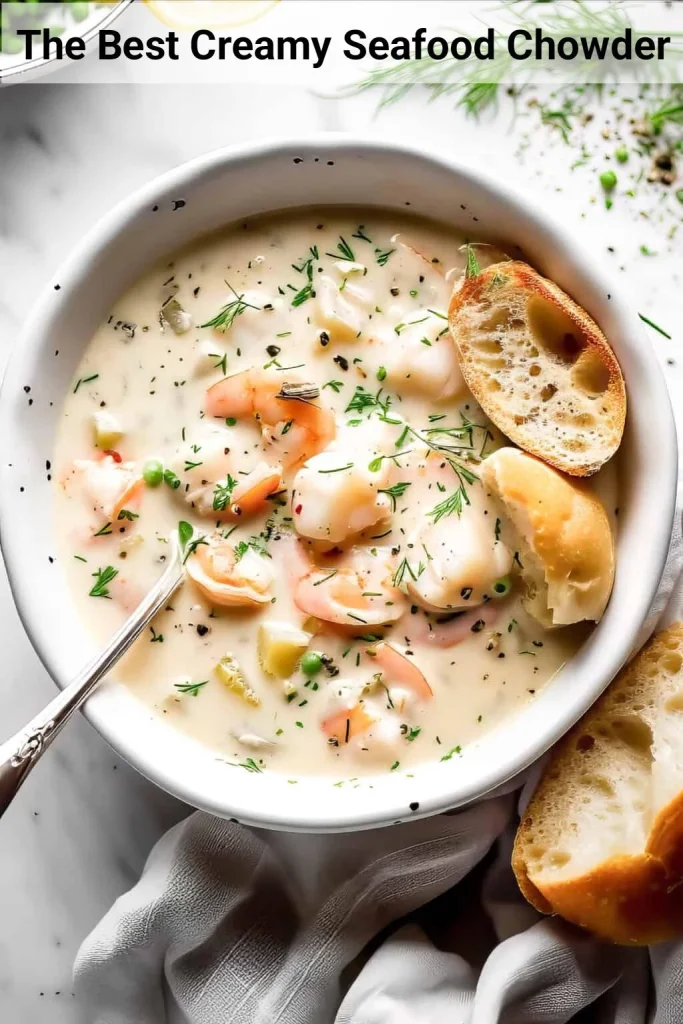

The beauty of Seafood Chowder lies in its versatility. While the core ingredients remain consistent, you can adapt the recipe to suit your preferences and the available seafood. Whether you’re a seasoned chef or a home cook, this comprehensive guide provides the knowledge and techniques needed to create a chowder that will impress.
Let’s begin by understanding the heart of a great Seafood Chowder: the ingredients. The quality of your ingredients directly impacts the final product. Opt for the freshest seafood available. This is where your chowder will shine.
Seafood Selection: The Ocean’s Bounty
The seafood you choose will dictate the overall flavor profile of your chowder. Consider a mix for a more complex taste.
Clams: Clams are a classic choice, providing a briny and slightly sweet flavor. Freshly shucked clams are ideal, but canned clams in their own juice can be a convenient alternative.
Scallops: Scallops offer a delicate sweetness and a tender texture. Use sea scallops for a more robust flavor.
Shrimp: Shrimp adds a familiar and accessible element. Choose large, peeled, and deveined shrimp for ease of preparation.
Fish: Firm, white fish like cod, haddock, or pollock hold their shape well in the chowder and provide a mild, flaky texture. Avoid fish with a strong flavor.
Lobster: For a truly luxurious chowder, consider adding lobster meat. Cook the lobster separately to avoid overcooking and add it at the end.
Vegetable Foundation: Building the Flavor Base
Onions: Onions add a savory depth. Yellow onions are a standard choice, but white onions can also be used.
Celery: Celery provides a subtle, earthy note that complements the seafood.
Carrots: Carrots contribute sweetness and color. Dice them into small, uniform pieces.
Potatoes: Potatoes add body and creaminess to the chowder. Yukon Gold potatoes are a good choice for their creamy texture and buttery flavor.
Dairy & Liquids: Achieving Creamy Perfection
The creamy texture is a hallmark of American Seafood Chowder. The choice of dairy and liquids is critical.
Heavy Cream: Heavy cream is the key to a rich and decadent chowder. It provides the necessary fat for a velvety texture.
Half-and-Half: Half-and-half can be used as a substitute for some of the heavy cream for a slightly lighter chowder.
Milk: Milk can be used, but it will result in a less creamy chowder. Consider using whole milk.
Fish Stock/Broth: Fish stock or broth is essential for infusing the chowder with seafood flavor. Homemade is best, but store-bought is acceptable.
Water: Water can be used, but it will dilute the seafood flavor. Use sparingly.
Aromatics & Seasoning: Elevating the Flavors
Garlic: Garlic adds a pungent, savory note. Freshly minced garlic is ideal.
Bay Leaf: Bay leaf adds a subtle, herbaceous aroma. Remove the bay leaf before serving.
Thyme: Thyme contributes an earthy flavor. Fresh thyme sprigs are preferred.
Salt & Pepper: Salt and pepper are essential for seasoning the chowder. Adjust to taste.
Old Bay Seasoning: Old Bay Seasoning adds a classic seafood flavor. Use sparingly.
Equipment: Essential Tools for Chowder Success
Having the right equipment makes the cooking process easier.
Large Pot or Dutch Oven: A large pot or Dutch oven is needed to accommodate all the ingredients.
Cutting Board & Knife: A sharp knife and cutting board are essential for prepping the vegetables and seafood.
Wooden Spoon or Spatula: A wooden spoon or spatula is used for stirring and scraping the bottom of the pot.
Measuring Cups & Spoons: Accurate measurements are important for consistent results.
Ladle: A ladle is helpful for serving the chowder.
Step-by-Step Guide: Crafting the Perfect Chowder
Step 1: Prep the Vegetables. Dice the onions, celery, carrots, and potatoes into small, uniform pieces. Mince the garlic. This ensures even cooking.
Step 2: Sauté the Aromatics. In the large pot or Dutch oven, melt some butter or add olive oil over medium heat. Add the onions, celery, and carrots and sauté until softened, about 5-7 minutes. Add the garlic and cook for another minute until fragrant.
Step 3: Add the Potatoes and Liquid. Add the diced potatoes and fish stock (or broth) to the pot. Bring to a simmer and cook until the potatoes are tender, about 10-15 minutes.
Step 4: Add the Seafood. If using clams, add them now and cook until they open (if using fresh clams). Add the fish, shrimp, and scallops. Cook until the seafood is cooked through, usually a few minutes.
Step 5: Add the Dairy. Gently stir in the heavy cream (and/or half-and-half, milk). Heat through, but do not boil. Boiling can cause the cream to separate.
Step 6: Season and Finish. Season with salt, pepper, bay leaf, thyme, and Old Bay Seasoning (if using). Taste and adjust seasoning as needed. Remove the bay leaf.
Step 7: Add Lobster (Optional). If using lobster, add the cooked lobster meat at the very end.
Step 8: Serve and Enjoy. Ladle the chowder into bowls and garnish with fresh parsley or chives. Serve immediately.
Tips for Success: Secrets of the Chowder Masters
Don’t Overcook the Seafood: Overcooked seafood becomes tough and rubbery. Cook it until just done.
Adjust the Cream to Your Liking: The amount of cream can be adjusted to control the thickness and richness of the chowder.
Use Fresh Ingredients: Fresh ingredients will always result in the best flavor.
Don’t Rush the Process: Allow the flavors to meld together by simmering the chowder gently.
Taste and Adjust Seasoning: Taste the chowder throughout the cooking process and adjust the seasoning as needed.
Consider a Roux (Optional): For a thicker chowder, you can create a roux by whisking together equal parts butter and flour in a separate pan before adding the vegetables. Cook the roux for a few minutes before adding the vegetables.
Add Bacon: Crispy bacon bits add a smoky flavor and textural contrast.
Experiment with Herbs: Try different herbs like dill or chervil.
Make it Ahead: Chowder tastes even better the next day, as the flavors have time to meld.
Variations: Unleashing Your Chowder Creativity
Manhattan Clam Chowder: This version uses a tomato-based broth instead of cream.
Corn Chowder: Add corn kernels for sweetness and texture.
Smoked Salmon Chowder: Incorporate smoked salmon for a smoky flavor.
Spicy Seafood Chowder: Add a pinch of cayenne pepper or a dash of hot sauce.
Vegetarian Chowder: Substitute the seafood with mushrooms, corn, and other vegetables.
Serving Suggestions: Completing the Experience
Crusty Bread: Perfect for dipping into the rich broth.
Oyster Crackers: A classic topping for chowder.
Fresh Parsley or Chives: For a fresh garnish.
A Side Salad: To balance the richness of the chowder.
A Glass of White Wine: A crisp white wine like Sauvignon Blanc or Pinot Grigio complements the seafood flavors.
Troubleshooting: Common Chowder Challenges
Chowder is Too Thin: Add a cornstarch slurry (cornstarch mixed with cold water) to thicken it. Alternatively, simmer the chowder uncovered to reduce the liquid.
Chowder is Too Thick: Add more fish stock or broth.
Chowder is Bland: Add more salt, pepper, or other seasonings. Consider adding a splash of lemon juice or a pinch of Old Bay Seasoning.
Seafood is Overcooked: Be careful not to overcook the seafood. Add it at the end and cook until just done.
Cream Separated: Avoid boiling the cream. Gently heat it through.
Conclusion: Your Chowder Adventure Begins!
Creating the perfect American Seafood Chowder is a rewarding culinary journey. With the right ingredients, techniques, and a touch of patience, you can create a dish that will delight your family and friends. Embrace the process, experiment with flavors, and enjoy the delicious results. Bon appétit!
Now go forth and create your own bowl of creamy, dreamy American Seafood Chowder. You’ve got this!