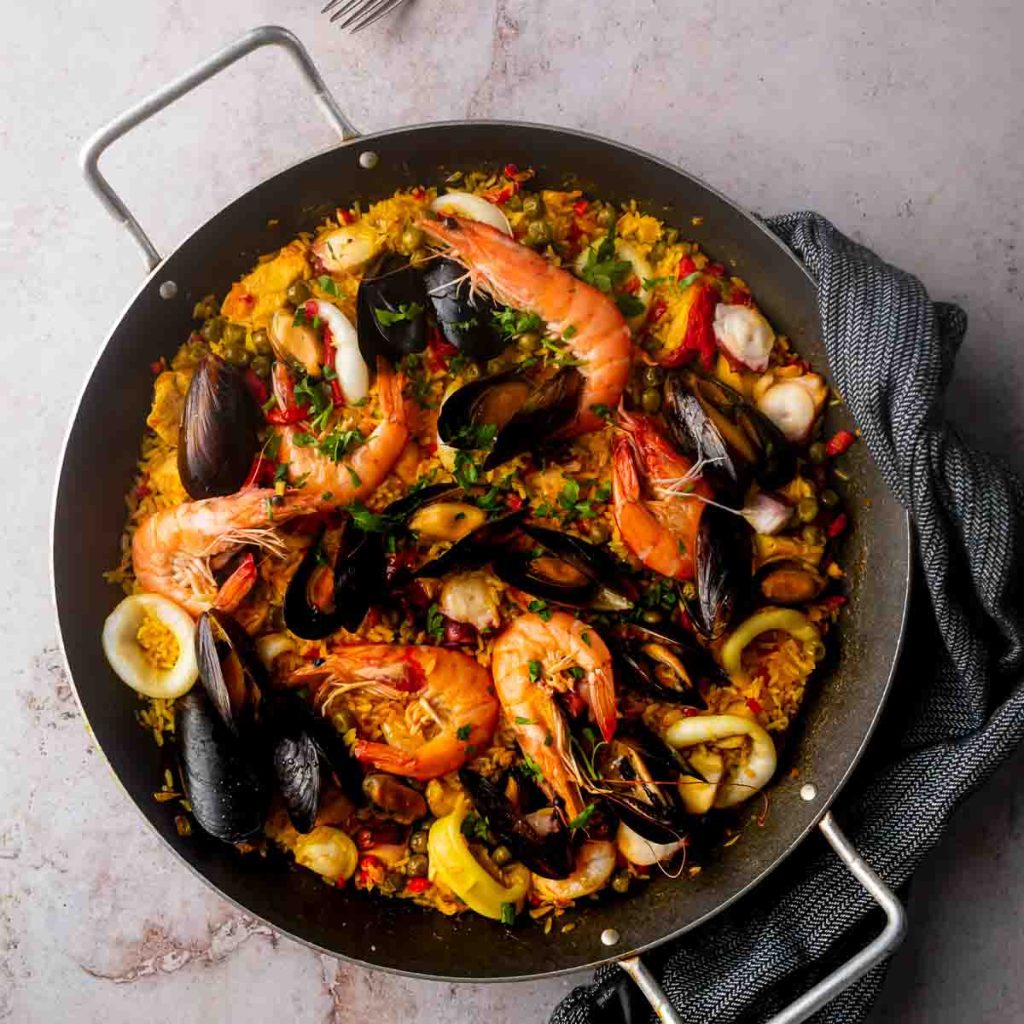

The soul of any paella lies in its rice. Traditionally, short-grain varieties like Bomba or Calasparra are preferred. These rice types are exceptional at absorbing liquid and flavor without becoming mushy, a critical factor for achieving the perfect paella texture. The grains should remain distinct yet tender, forming a harmonious base for the seafood and sofrito.
Beyond the rice, the foundation of a great paella is the sofrito. This slow-cooked mixture of finely chopped tomatoes, onions, garlic, and sometimes bell peppers forms the flavor bedrock of the dish. The key is to cook these ingredients gently until they are deeply caramelized and fragrant, releasing their natural sweetness and depth.
For an authentic seafood paella, the quality and variety of seafood are paramount. A classic combination often includes mussels, clams, shrimp, and squid. Each element contributes a unique texture and flavor profile, creating a complex and satisfying seafood symphony. Sourcing fresh, high-quality seafood will significantly elevate your paella.
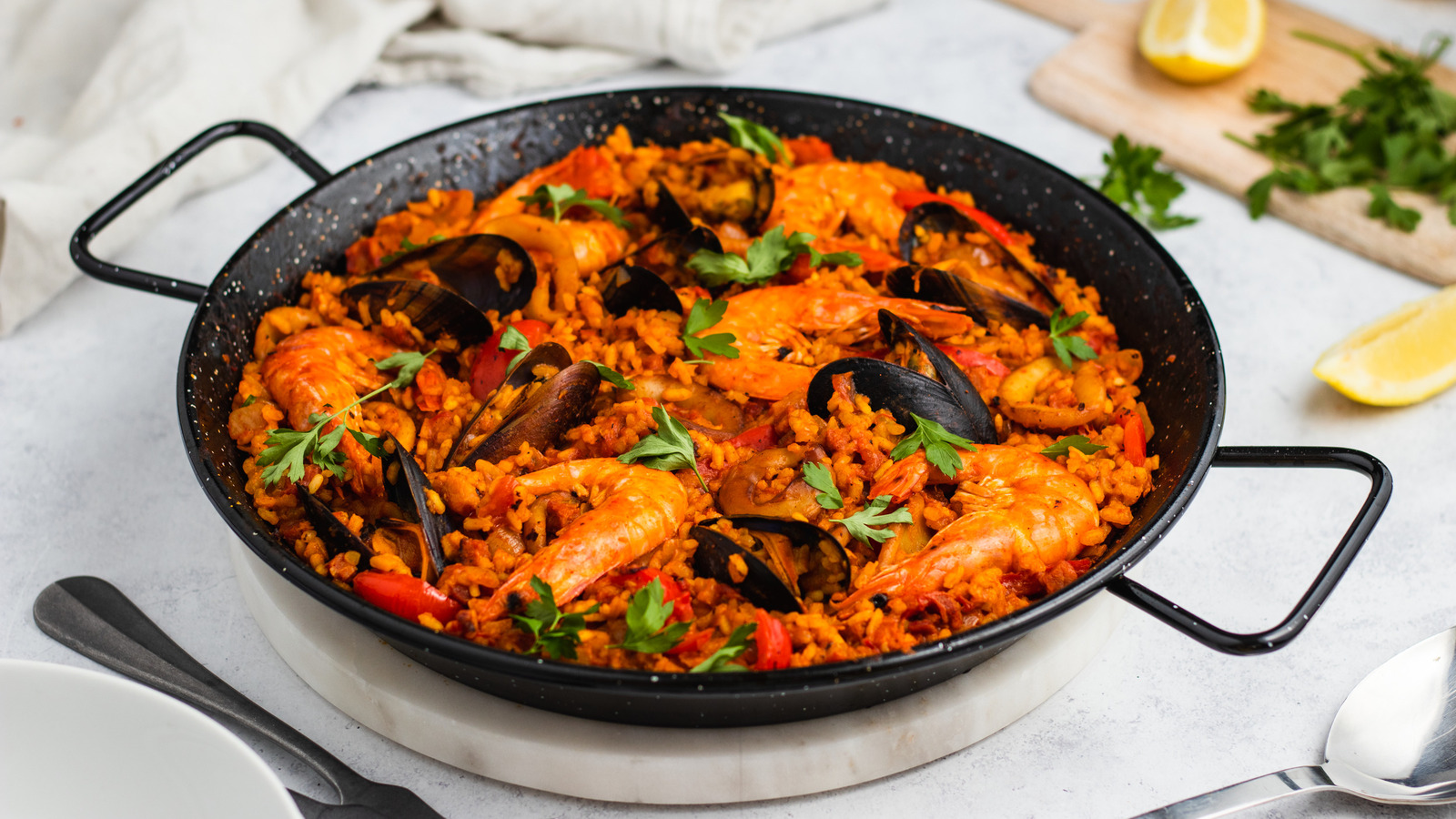
The cooking vessel itself plays a crucial role. A traditional paella pan, known as a paellera, is wide, shallow, and has two handles. Its design allows for even cooking and evaporation of liquid, which is essential for developing the characteristic texture of the rice and the coveted crispy bottom layer known as the socarrat.
The broth is the lifeblood of paella. For a seafood paella, a homemade fish or seafood broth is indispensable. This rich liquid, simmered with fish bones, shrimp shells, and aromatic vegetables, infuses the rice with an intense ocean flavor. Using a high-quality store-bought broth is an acceptable alternative, but homemade will undoubtedly yield superior results.
Saffron is the signature spice that lends paella its distinctive golden hue and subtle, earthy aroma. These precious threads are typically bloomed in a little warm broth before being added to the pan, ensuring their color and flavor are evenly distributed throughout the dish. Don’t skimp on this ingredient; it’s what makes paella truly special.
The process begins with preparing the sofrito. Sautéing the finely diced aromatics in good quality olive oil until softened and fragrant is the first step. This patient cooking process builds the initial layer of flavor that will permeate the entire dish.
Once the sofrito is ready, it’s time to add the rice. Toasting the rice grains briefly in the sofrito helps them absorb the flavors more effectively and prevents them from clumping together. This step is subtle but important for the final texture.
The addition of liquid is a critical juncture. The ratio of broth to rice is crucial, and it’s important not to stir the rice excessively once the liquid has been added. This allows the rice to cook evenly and develop the desired texture, while also encouraging the formation of the socarrat.
When the rice is about halfway cooked, it’s time to introduce the seafood. Distribute the mussels, clams, shrimp, and squid evenly across the surface of the paella. The steam from the cooking rice will gently cook the seafood, ensuring it remains tender and succulent.
The final few minutes of cooking are where the magic happens, particularly the development of the socarrat. This is the slightly caramelized, toasted layer of rice at the bottom of the pan. To achieve it, you’ll need to increase the heat slightly for the last minute or two, listening for a gentle crackling sound, but being careful not to burn the rice.
Resting the paella after cooking is a non-negotiable step. Covering the paella pan with foil or a clean kitchen towel for 5-10 minutes allows the flavors to meld and the rice to finish cooking in its own steam. This resting period ensures every grain is perfectly tender and flavorful.
Serving paella is often a communal affair. Traditionally, the paellera is placed in the center of the table, and diners eat directly from the pan using wooden spoons. A squeeze of fresh lemon juice over the top before serving adds a bright, zesty counterpoint to the rich flavors.
Let’s delve into the ingredients for a classic Paella de Marisco. You’ll need: Bomba or Calasparra rice, quality seafood broth, saffron threads, ripe tomatoes, garlic, onion, bell pepper (optional), olive oil, salt, black pepper, mussels, clams, large shrimp, squid rings, and fresh parsley for garnish. Optional additions can include peas or broad beans for color and sweetness.
The preparation of the seafood is also important. Mussels and clams should be scrubbed and de-bearded. Shrimp can be peeled and deveined, reserving the shells for making a more flavorful broth. Squid should be cleaned and cut into rings.
When making the sofrito, patience is key. Use a medium heat and allow the onions and peppers to soften and become translucent before adding the garlic and then the grated tomatoes. Cook this mixture down until it’s thick and jammy, about 15-20 minutes.
Adding the rice to the sofrito and stirring it for a minute or two helps to coat each grain with the flavorful base. This technique, known as nacrar, enhances the rice’s ability to absorb liquid and flavor.
The broth should be heated before adding it to the paella. This prevents the cooking process from being interrupted and ensures the rice cooks evenly. Pour the hot broth over the rice and sofrito, distributing it evenly. At this point, add the bloomed saffron.
Resist the urge to stir the paella once the liquid is added. Stirring releases starch and can make the paella gummy. The goal is for the rice to cook undisturbed, absorbing the liquid and developing its texture.
The seafood is added in stages, depending on its cooking time. Mussels and clams are usually added first, as they take the longest to open. Shrimp and squid are added towards the end of the cooking time to prevent them from becoming overcooked and rubbery.
Achieving the perfect socarrat requires practice. Listen for the gentle crackling sound that indicates the rice at the bottom is toasting. Some chefs use a small spatula to test the texture of the bottom layer. It should be slightly crisp but not burnt.
Garnishing with fresh chopped parsley adds a burst of freshness and visual appeal. A wedge of lemon on the side is essential for diners to add a bright, acidic note to their individual servings.
The history of paella is deeply rooted in the Albufera lagoon near Valencia. Originally, it was a humble dish cooked by farm laborers using ingredients readily available, such as rabbit, chicken, snails, and local vegetables. The adaptation to seafood came later as coastal communities embraced the dish.
While this article focuses on seafood paella, it’s worth noting the traditional Valencian paella, which includes chicken, rabbit, and sometimes duck, along with green beans and lima beans. This authentic version offers a different, yet equally delicious, taste of Valencia.
Tips for success include using a good quality paella pan that is appropriately sized for the amount of paella you are making. Too small a pan will result in a thick, stew-like consistency, while too large a pan may lead to uneven cooking.
Another crucial tip is to ensure your heat source is even. If using a gas burner, a paella burner provides the most uniform heat distribution. On a stovetop, you may need to rotate the pan periodically to ensure even cooking.
The choice of rice is non-negotiable for authenticity. While other short-grain rice varieties might suffice in a pinch, Bomba or Calasparra are specifically cultivated for their ability to absorb vast amounts of liquid while maintaining their integrity.
The quality of the seafood is paramount. Opt for fresh, preferably locally sourced, seafood. If using frozen seafood, ensure it is thawed properly and pat it dry before adding it to the paella.
A good seafood broth can be made by simmering shrimp shells, fish heads or bones, a mirepoix (onion, carrot, celery), and bay leaves for about an hour. Straining the broth thoroughly will result in a clear, flavorful liquid.
Saffron is expensive, but its unique flavor and color are irreplaceable. A small pinch is usually sufficient. Ensure you are buying good quality saffron threads, not powder, for the best results.
When adding the rice, toast it for a minute or two, stirring constantly, to coat the grains with oil and sofrito. This step helps the rice absorb flavor and prevents it from becoming sticky.
The broth should be added hot. This ensures the cooking temperature remains consistent and the rice begins to cook immediately upon contact with the liquid.
Once the broth is added, do not stir the rice. This is a cardinal rule of paella making. The undisturbed cooking process allows the starch to settle at the bottom, forming the coveted socarrat.
The seafood should be added strategically. Mussels and clams go in first to allow them time to open. Shrimp and squid are added towards the end, as they cook quickly. Overcooked seafood is a common pitfall.
To achieve the socarrat, increase the heat slightly in the final minutes of cooking. Listen for a gentle crackling sound. This indicates the bottom layer of rice is toasting. Be vigilant to prevent burning.
Resting the paella is essential for the flavors to meld and the rice to reach optimal tenderness. Cover the paella with foil or a clean kitchen towel for 5-10 minutes after removing it from the heat.
Serving the paella directly from the paellera enhances the communal dining experience. Offer wedges of lemon for a fresh, zesty finish.
Experimentation can lead to delicious discoveries, but understanding the traditional methods first provides a solid foundation for creating an authentic and memorable Paella de Marisco. Enjoy the process and savor the incredible flavors of Spain.