
Understanding the oyster itself is the first step. Oysters are filter feeders, drawing nutrients from the water they inhabit. This means their flavor profile can vary significantly depending on their origin, the season, and the water conditions. This geographical and environmental influence is often referred to as ‘terroir’ and is a key aspect of appreciating oysters.
When selecting oysters, freshness is paramount. Look for oysters with tightly closed shells. If an oyster’s shell is slightly ajar, tap it gently. A live oyster will close its shell. Discard any that remain open or feel unusually light.
The origin of the oyster is a crucial factor in its taste. Oysters from the Pacific Northwest, for instance, are often known for their plumpness and a flavor that ranges from sweet to vegetal. East Coast oysters, on the other hand, tend to be more briny and mineral-rich, with a cleaner finish.
Consider the season. While oysters are available year-round, their flavor and texture are often considered best during the colder months, when the water is cooler, leading to firmer meat and a more intense, briny taste. This is often referred to as the ‘R’ month rule, though modern aquaculture has made year-round enjoyment more feasible.
Proper storage of oysters is vital to maintaining their freshness. Keep them in the refrigerator, ideally in a breathable container like a mesh bag or a shallow pan covered with a damp cloth. Crucially, store them with the cupped side down to retain their natural liquor, the flavorful liquid inside the shell.
Before serving, the oysters need to be shucked. This is a skill that requires practice and the right tools. A sturdy oyster knife and a thick glove or folded towel to protect your hand are essential.
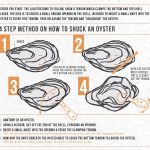
To shuck an oyster, hold it firmly, cupped side down, in your gloved hand. Insert the tip of the oyster knife into the hinge – the small, pointed end where the two shells meet. Apply gentle pressure and twist the knife to pry the shells apart.
Once the top shell is slightly open, slide the knife along the inside of the top shell to sever the adductor muscle, which holds the two shells together. Be careful not to spill the precious oyster liquor. Remove the top shell.
Finally, gently run the knife under the oyster meat to detach it from the bottom shell, ensuring it’s fully free but still resting in its liquor. This preparation ensures the oyster can be easily slurped from the shell.
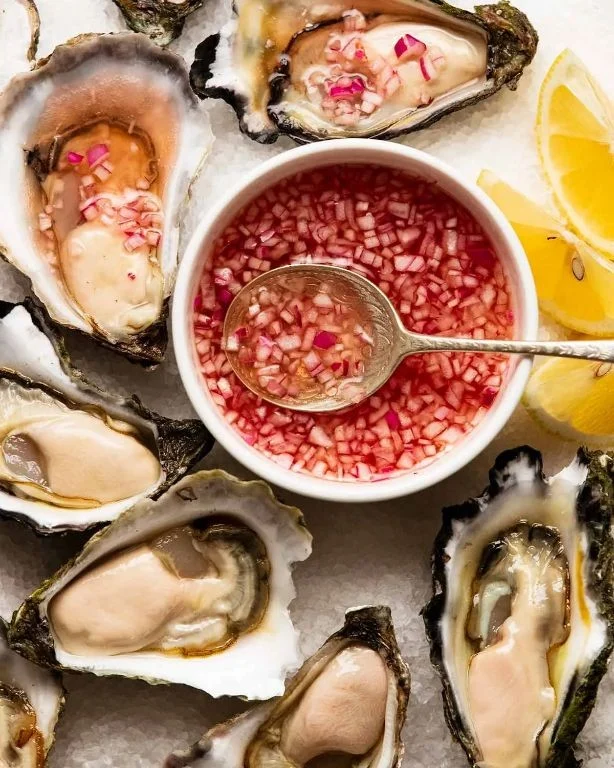
Now, let’s turn our attention to the star accompaniment: the Mignonette sauce. The classic Mignonette is a simple vinaigrette made with three core ingredients: finely minced shallots, freshly cracked black pepper, and vinegar. Its purpose is to enhance, not overpower, the oyster’s natural flavor.
The key to a perfect Mignonette lies in the balance of its components. The shallots provide a delicate, sweet oniony note, the black pepper offers a subtle warmth and spice, and the vinegar brings a bright, acidic counterpoint that cuts through the richness of the oyster.
For the vinegar component, red wine vinegar is the traditional choice. Its fruity notes and balanced acidity work exceptionally well with oysters. However, other vinegars can be explored, such as champagne vinegar for a more delicate flavor or sherry vinegar for a nutty complexity.
The shallots should be minced as finely as possible. This ensures they are evenly distributed in the sauce and don’t overwhelm the oyster with large, pungent pieces. Rinsing the minced shallots under cold water can help to mellow their sharpness, if desired.
Freshly cracked black pepper is non-negotiable. Pre-ground pepper lacks the pungent aroma and flavor that freshly cracked peppercorns provide. The act of cracking the pepper just before use releases its volatile oils, maximizing its impact.
The ratio of ingredients can be adjusted to personal preference. A common starting point is two parts vinegar to one part finely minced shallots, with a generous amount of freshly cracked black pepper. Some recipes may also include a pinch of salt, though this is often unnecessary given the natural salinity of the oysters.
Allow the Mignonette sauce to sit for at least 10-15 minutes before serving. This resting period allows the flavors to meld together, creating a more harmonious and complex taste profile.
Serving oysters is an experience in itself. They are traditionally served chilled on a bed of crushed ice. This not only keeps them cold but also adds to the visual appeal, evoking the ocean environment from which they came.
Arrange the shucked oysters on a platter filled with crushed ice. Ensure each oyster is nestled securely and upright, with its liquor intact. A serving of lemon wedges on the side is a classic addition, offering a fresh citrus note for those who prefer it.
Present the Mignonette sauce in a small, elegant bowl alongside the oysters. Provide small spoons or forks for guests to add the sauce to their oysters as they wish. Some prefer to add just a touch, while others enjoy a generous dollop.
The ritual of eating an oyster with Mignonette is a sensory delight. First, admire the oyster in its shell, noting its appearance and the clarity of its liquor. Then, add a small amount of Mignonette sauce, either directly onto the oyster or by dipping the oyster into the sauce.
Gently lift the oyster to your lips and slurp it from the shell. Allow the flavors to unfold – the initial brininess, the subtle sweetness, the hint of the sea, and the bright, peppery tang of the Mignonette. Chew gently a few times to release its full complexity before swallowing.
Beyond the classic red wine vinegar Mignonette, variations can be explored to complement different oyster profiles or personal tastes. A white wine vinegar Mignonette offers a crisper, lighter profile.
A touch of finely minced shallot can also be added to a simple lemon juice and olive oil dressing for a lighter, zesty accompaniment. This is a good option for oysters with a more delicate flavor.
For a bit of sweetness, a tiny amount of sugar or honey can be incorporated into the Mignonette, particularly if you are using a very sharp vinegar or have oysters with a pronounced minerality.
Chili flakes or a finely minced jalapeño can be added to the Mignonette for those who enjoy a bit of heat. This adds an exciting dimension to the oyster experience.
Experimenting with different types of vinegar, like apple cider vinegar or even rice wine vinegar, can yield intriguing flavor combinations that pair well with specific oyster varietals.
The presentation of oysters is as important as their taste. Consider garnishes like fresh dill sprigs, microgreens, or edible flowers to add visual interest and a subtle aromatic element.
When serving oysters, ensure they are served immediately after shucking. Oysters are best enjoyed as fresh as possible, and their quality can degrade quickly once exposed to air.
Educate your guests about the best way to enjoy oysters. A brief explanation of how to shuck (if you’ve done it for them), how to add the Mignonette, and the sensory experience of eating them can enhance their appreciation.
The pairing of oysters and Mignonette is a testament to the beauty of simplicity. It’s a culinary tradition that celebrates the natural bounty of the sea, enhanced by a few carefully chosen ingredients.
Whether you are hosting a sophisticated dinner party or enjoying a casual gathering, serving fresh oysters with a classic Mignonette sauce is sure to impress. It’s a dish that speaks of elegance, freshness, and a deep appreciation for fine ingredients.
Remember to always source your oysters from reputable suppliers. This ensures you are receiving high-quality, sustainably harvested oysters, which is crucial for both flavor and environmental responsibility.
The journey of enjoying oysters is a continuous exploration. With each new oyster from a different region or a slightly varied Mignonette, you discover new nuances and deepen your appreciation for this remarkable shellfish.