
This comprehensive guide is designed to demystify the art of boiling lobster, ensuring that every time you prepare this magnificent crustacean, its meat emerges perfectly tender, succulent, and bursting with flavor. We will delve into every crucial step, from selecting the freshest lobster to the precise timing and post-boiling care, transforming your kitchen into a gourmet seafood haven.
The texture of lobster meat is paramount to the overall dining experience. A perfectly cooked lobster boasts meat that is firm yet yielding, with a slight chewiness that melts in your mouth. In contrast, overcooked lobster becomes tough, rubbery, and dry, losing its inherent sweetness. Undercooked lobster, on the other hand, can be unpleasantly soft or even translucent, posing both a culinary and safety concern.
Understanding the science behind cooking lobster is key. Lobster meat is primarily protein. When heated, these proteins coagulate. Gentle, controlled heating allows the proteins to set perfectly, retaining moisture and tenderness. Excessive heat or prolonged cooking causes the proteins to tighten too much, expelling moisture and resulting in that undesirable rubbery texture.
The journey to perfect lobster begins long before it hits the pot. Selecting the freshest possible lobster is non-negotiable. Live lobsters are always the best choice for boiling. Look for ones that are active and vigorous, moving their legs and antennae. They should feel heavy for their size and have hard shells, indicating they are full of meat.
Avoid lobsters that appear sluggish, have broken shells, or emit any unpleasant odor. While some markets offer previously frozen lobster tails, the ultimate texture and flavor are achieved with live specimens. If using frozen, ensure they are properly thawed in the refrigerator before cooking.
Before boiling, it’s essential to prepare your lobster. Some chefs recommend chilling the lobster in the refrigerator for 20-30 minutes, or even in the freezer for 5-10 minutes, prior to cooking. This slows their metabolism, making them less active and easier to handle, and is considered a more humane approach to dispatching them.
While some methods suggest a quick knife insertion to the head, for boiling, simply chilling the lobster thoroughly before plunging it headfirst into boiling water is widely accepted and effective. Always handle live lobsters with care, as their claws can deliver a painful pinch. You may use thick gloves or rubber bands to secure their claws if they are not already pegged.
A quick rinse under cold running water is all that’s needed to clean the lobster. Use a stiff brush if there’s any visible debris on the shell. There’s no need for extensive scrubbing, as the boiling process will sanitize the shell.
The size of your boiling pot is critical. You need a pot large enough to comfortably submerge the lobster(s) completely, with ample room for the water to boil vigorously around them. Cramming too many lobsters into a small pot will drastically lower the water temperature, leading to uneven cooking and potentially rubbery results. For a single 1.5-2 pound lobster, an 8-10 quart pot is usually sufficient; for multiple lobsters, scale up accordingly.
Fill your pot with fresh, cold water. The amount of water should be generous enough to cover the lobsters by at least 2-3 inches. This ensures even heat distribution and prevents the water temperature from dropping too dramatically when the cold lobsters are added. Avoid using hot tap water, as it may contain impurities.
One of the most crucial elements for flavorful, perfectly cooked lobster is salt. Lobsters live in saltwater, and boiling them in unsalted water can result in bland, insipid meat. Adding salt to the boiling water mimics their natural habitat, enhancing their inherent sweetness and making the meat taste significantly better.
As a general guideline, use about 2 tablespoons of sea salt or kosher salt per quart (liter) of water. This creates a brine that penetrates the shell and seasons the meat from within. Taste the water; it should be noticeably salty, similar to seawater.
- Lemon wedges: Adds a bright, citrusy note.
- Bay leaves: Imparts a subtle, earthy aroma.
- Black peppercorns: A classic pairing that offers a gentle spice.
- Fresh herbs: Parsley stems or a sprig of dill can add freshness.
- A halved onion or celery stalk: For a foundational savory depth.
Bring the salted water to a rolling boil over high heat before adding the lobsters. A rolling boil means the water is bubbling vigorously and continuously. This ensures that when the lobsters are added, the water quickly returns to a boil, minimizing the cooking time and preventing the meat from becoming tough due to prolonged exposure to lukewarm water.
Once the water is at a rolling boil, carefully add the live lobsters, headfirst, into the pot. Use long tongs to handle them. Be cautious of the steam that will rise from the pot. Place the lid back on the pot and allow the water to return to a rolling boil. Start your timer only once the water has returned to a full boil.
- 1 – 1.25 pounds: 8-10 minutes
- 1.5 – 2 pounds: 12-15 minutes
- 2 – 3 pounds: 15-20 minutes
- 3 – 4 pounds: 20-25 minutes
For every additional pound beyond these ranges, add approximately 3-5 minutes to the cooking time. Remember, these are guidelines; slight variations can occur based on the exact heat of your stove and the number of lobsters in the pot. When boiling multiple lobsters, it’s often best to cook them one or two at a time if your pot is not exceptionally large, to maintain a consistent water temperature.
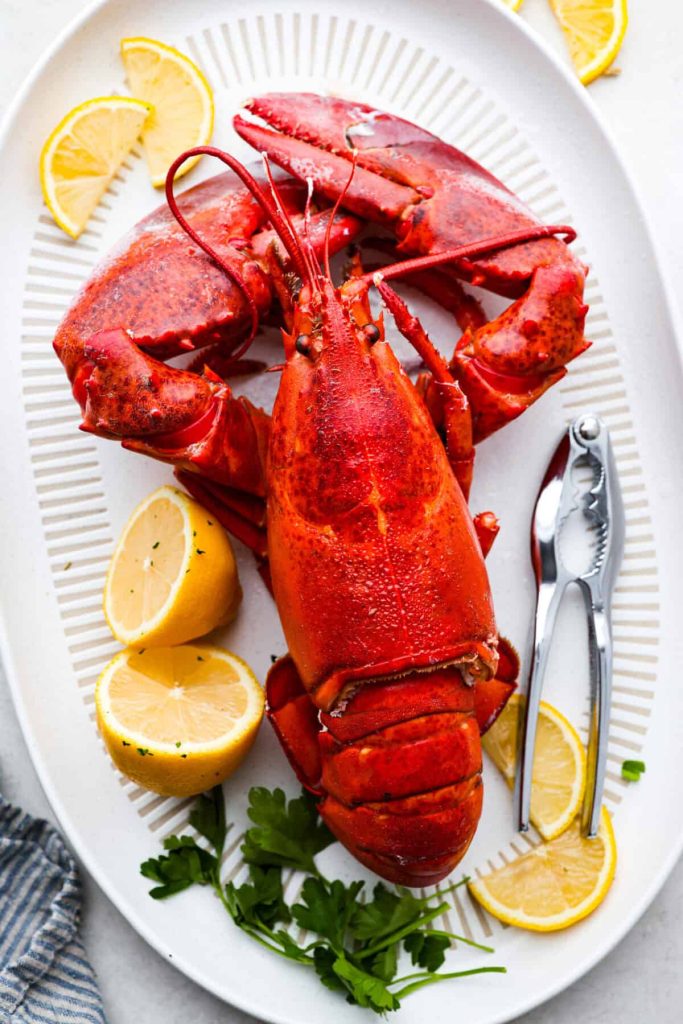
Beyond the timer, there are visual cues that indicate a perfectly cooked lobster. The shell will turn a vibrant, bright red. Another reliable indicator is when an antenna can be easily pulled out with a gentle tug. The meat inside, particularly in the tail, should be opaque white and firm, not translucent or mushy.
Once the cooking time is complete, immediately remove the lobsters from the boiling water using tongs. The next step is arguably as important as the boiling itself: plunging them into an ice bath.
An ice bath is a large bowl filled with ice and cold water. Submerging the lobsters in this bath immediately after boiling serves two critical purposes: it rapidly stops the cooking process, preventing residual heat from overcooking the delicate meat, and it helps to firm up the meat, making it easier to extract and ensuring that desirable tender texture.
Allow the lobsters to cool in the ice bath for 10-15 minutes, or until they are cool enough to handle comfortably. This step is non-negotiable for optimal texture. Once cooled, remove them from the ice bath and drain thoroughly. You can then proceed to crack and enjoy your perfectly cooked lobster.
To fully enjoy your perfectly boiled lobster, you’ll need the right tools and techniques for cracking and extracting the meat. Essential tools include a sturdy nutcracker, specialized seafood picks, and kitchen shears. Start by twisting off the tail from the body, then crack the tail shell lengthwise to reveal the succulent meat.
For the claws, use the nutcracker to gently crack the hard shell, being careful not to crush the meat. Use a seafood pick to extract meat from the knuckles and smaller crevices. Don’t forget the tiny bits of meat in the walking legs – they’re surprisingly flavorful!
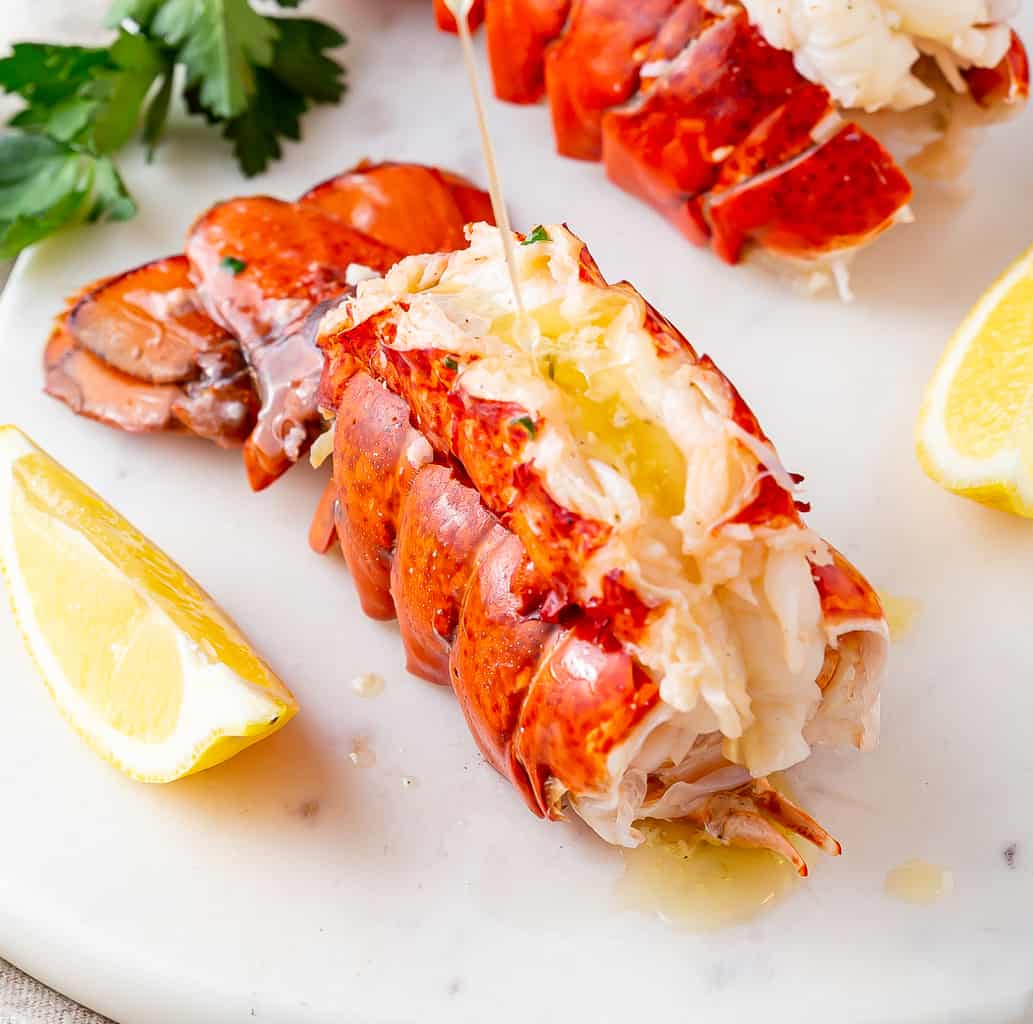
The simplest and often best way to serve boiled lobster is with a side of drawn butter and a fresh lemon wedge. The richness of the butter complements the sweetness of the lobster without overpowering it. Consider adding a sprinkle of fresh parsley or chives for garnish and a touch of freshness.
For a complete meal, pair your lobster with classic sides such as roasted corn on the cob, steamed asparagus, or a light green salad. A crisp white wine, such as a Sauvignon Blanc or an unoaked Chardonnay, makes an excellent accompaniment.
- Not enough salt: Leads to bland meat. Always salt your water generously.
- Cramming the pot: Lowers water temperature and leads to uneven cooking. Boil in batches if necessary.
- Guessing cook time: Use a timer and the guidelines provided.
- Skipping the ice bath: Results in overcooked, rubbery meat. Always use an ice bath.
- Using old or unhealthy lobsters: Starts with poor quality, ends with poor results. Select live, vigorous lobsters.
If your lobster turns out rubbery, it’s almost certainly overcooked. The protein has tightened too much, squeezing out moisture. Next time, reduce the cooking time by a minute or two and ensure an immediate ice bath. If it’s mushy, it could be an old lobster that wasn’t fresh, or it was cooked at too low a temperature for too long, breaking down the proteins without firming them properly.
While this guide focuses on boiling, steaming is another popular method. Steaming often retains slightly more of the lobster’s natural juices and flavor, as it doesn’t come into direct contact with water. However, boiling is generally faster and ensures more even cooking for multiple lobsters, making it a preferred method for many.
Beyond simple drawn butter, you can get creative with flavor enhancements. Consider a compound butter infused with garlic, fresh herbs like tarragon or chives, or a hint of chili flake. A light vinaigrette or a creamy dill sauce can also provide a delightful counterpoint to the lobster’s richness.
Don’t discard those shells! Lobster shells are packed with flavor and make an excellent base for seafood stock, bisque, or sauces. Simply simmer them with some aromatic vegetables (onions, carrots, celery) and water for a rich, flavorful broth.
Handling live lobsters requires a degree of caution. Their claws can deliver a powerful pinch. Always use heavy-duty tongs or thick gloves when moving them. If their claws aren’t pegged, you might consider securing them with rubber bands before handling, though most commercially sold live lobsters will have their claws secured.
Cooked lobster is best enjoyed immediately. If you have leftovers, remove the meat from the shell, place it in an airtight container, and refrigerate it for up to 2-3 days. Cooked lobster can be used in salads, lobster rolls, pasta dishes, or a luxurious bisque.
Mastering the art of boiling lobster for perfectly tender meat is a rewarding culinary skill. By carefully selecting your lobster, preparing it thoughtfully, precisely timing the boil, and utilizing the crucial ice bath, you can consistently achieve restaurant-quality results in your own kitchen. Embrace the process, savor the exquisite flavor, and enjoy the satisfaction of creating a truly magnificent meal.