
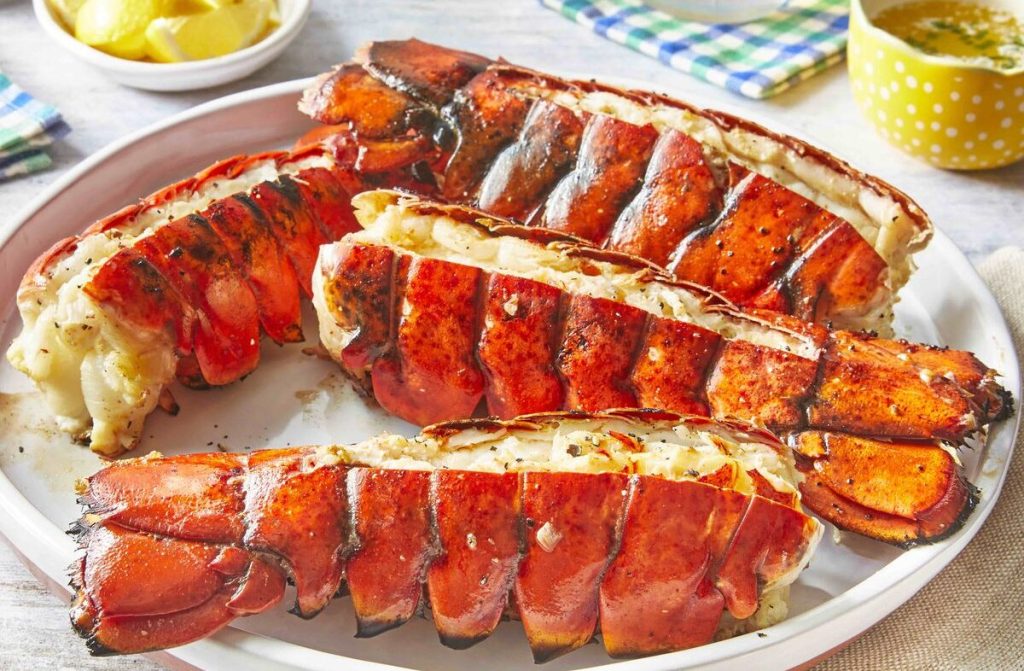

The journey to an exceptional lobster meal begins long before it reaches your plate; it starts at the point of purchase. The freshness of your lobster directly impacts its flavor, texture, and even its safety. A vibrant, healthy lobster will yield tender, sweet meat, whereas a compromised one can result in a tough, unappetizing, or even unsafe product. Understanding the nuances of selection is paramount for any aspiring home chef or seafood enthusiast.
Before diving into the specifics of selection, it’s helpful to understand the primary types of lobsters commonly available. The most famous is the American or Maine lobster (Homarus americanus), known for its large claws and found in the cold waters of the North Atlantic. Then there are spiny lobsters (Palinuridae family), primarily found in warmer waters, which lack the large claws but are prized for their tail meat. Less common but also sought after are slipper lobsters (Scyllaridae family). This guide primarily focuses on the selection of American/Maine lobsters, as they are most frequently sold live and require careful inspection.
The first crucial decision is where to purchase your lobster. For the ultimate freshness, buying live lobster from a reputable seafood market or a fishmonger with high turnover is always the best option. These establishments typically maintain well-aerated, chilled saltwater tanks designed to keep lobsters healthy and active. Avoid places where lobsters appear sluggish, are overcrowded, or where the tank water seems cloudy or dirty. Transparency in sourcing is also a good sign of a quality vendor.
When selecting a live lobster, the most important factor to observe is its vitality. A healthy lobster should be lively and responsive. Gently prod it (if permitted and safe to do so) and observe its reaction. A strong, active lobster will typically curl its tail under its body and try to move its claws or antennae. Avoid any lobster that appears lethargic, unresponsive, or is lying motionless on its back or side in the tank. These are clear indicators of a lobster that is stressed or nearing its end.
Pay close attention to the lobster’s physical appearance. The shell should be hard, firm, and free from any significant cracks or damage. A hard-shelled lobster generally contains more meat and has a better texture than a soft-shelled one, which has recently molted. While soft-shelled lobsters can be sweet, they contain more water and less meat for their size. Look for a shell that is clean and has a vibrant, natural coloration, typically dark blue-green or reddish-brown, depending on the species and origin.
Inspect the lobster’s eyes and antennae. The eyes should be bright, clear, and appear intact, not cloudy or sunken. The antennae should also be mostly intact; while some minor breakage might occur during transport, severely damaged or missing antennae can suggest rough handling or a prolonged stay in the tank, indicating stress or poor health.
The tail test is another critical indicator of freshness. When a live lobster is picked up, its tail should immediately curl tightly underneath its body. This strong, reflexive curl is a definitive sign of a healthy and vigorous lobster. If the tail hangs limp or curls only weakly, it’s a strong indication that the lobster is compromised and should be avoided. This reflex is a fundamental survival mechanism and its absence signifies a lack of vitality.
The smell of a fresh lobster is distinct and telling. It should smell clean, like the ocean or fresh seaweed, with no off-putting or fishy odors. Crucially, there should be no hint of ammonia. An ammonia smell is a clear sign that the lobster is dead or has been dead for some time, and its meat has begun to decompose. Trust your nose implicitly; if it smells bad, it likely is.
Consider the weight for its size. A healthy, meaty lobster should feel heavy and dense for its size. This is particularly true for hard-shelled lobsters. A lobster that feels surprisingly light might be a soft-shelled one or one that is simply not as robust, potentially yielding less meat. While not a definitive indicator on its own, combined with other factors, it contributes to the overall assessment of quality.
Let’s delve deeper into the distinction between hard-shelled and soft-shelled lobsters. Lobsters grow by molting, shedding their old shell to grow a new, larger one. A hard-shelled lobster is one that has had its new shell for some time, allowing it to harden and fill with meat. These lobsters are preferred by many for their higher meat yield and firmer texture. Soft-shelled lobsters, having just molted, have a thinner, more pliable shell. While their meat can be incredibly sweet, it’s often watery, making them less ideal for some preparations and offering less meat per pound. In most cases, aim for a hard-shelled specimen.
What about lobsters that are already pre-cooked or frozen? While live is always best, sometimes convenience dictates otherwise. For pre-cooked lobster, inspect the meat for a bright, opaque white color with no signs of discoloration, sliminess, or a strong fishy odor. The shell should still be vibrant red. Frozen lobster, often sold as tails, should be inspected for signs of freezer burn (dry, discolored spots) and should have a firm, intact appearance. Ensure the packaging is airtight and free from ice crystals, which can indicate thawing and refreezing.
When buying pre-cooked lobster, whether whole or just the tails, inquire about when it was cooked. Ideally, it should have been cooked very recently. Look for plump, moist meat within the shell. If the meat appears shrunken, dry, or has a grayish tint, it’s a sign of poor quality or age. The joint where the tail meets the body should also look clean and intact, not frayed or discolored.
For frozen lobster tails, the quality of the freezing process is paramount. Individually quick frozen (IQF) tails are often superior as they freeze rapidly, minimizing ice crystal formation that can damage cell structure and lead to a mushy texture upon thawing. Always thaw frozen lobster slowly in the refrigerator overnight, never at room temperature, to preserve its texture and flavor.
Avoiding common pitfalls is crucial. Never purchase a lobster that is already dead unless it was cooked immediately upon death, which is rare for retail. A dead, uncooked lobster rapidly deteriorates, developing harmful bacteria and an ammonia taste. Similarly, avoid lobsters with broken claws from the joint, as this can lead to bleeding and weakening of the lobster, potentially affecting its quality and shelf life.
Consider the source and sustainability. Reputable fishmongers often provide information about where their lobsters come from. Opting for lobsters from well-managed fisheries, such as those certified by organizations like the Marine Stewardship Council (MSC), supports sustainable practices and ensures healthy lobster populations for future generations. Knowing the origin can also give you insight into the lobster’s likely health and freshness.
The size of the lobster can also influence your choice. While larger lobsters might seem more impressive, many connoisseurs argue that smaller to medium-sized lobsters (1 to 2 pounds) offer the most tender and sweet meat. Very large lobsters can sometimes have tougher, stringier meat, though this is not always the case. For a special dish, a pair of 1.5-pound lobsters might be preferable to one 3-pound monster.
Once you’ve selected your live lobster, proper storage before cooking is essential to maintain its freshness. Lobsters should be kept alive until just before cooking. The best way to store them at home is in the coolest part of your refrigerator, ideally in an open container or a paper bag, covered with damp newspaper or a damp cloth. Never store them in fresh water, as this will kill them. They can typically be stored this way for up to 24 hours, though cooking them as soon as possible after purchase is always recommended.
Understanding the seasonality of lobster can also be beneficial. While American lobsters are available year-round, certain times of the year might yield better quality or prices. Summer and early fall are often peak seasons for soft-shelled lobsters due to molting, while late fall to spring typically sees a higher prevalence of hard-shelled lobsters, which are generally preferred for their meat content and texture.
It’s important to dispel some common misconceptions. The red color associated with cooked lobster is not an indicator of freshness when live. Live lobsters are typically dark blue-green, brown, or even mottled. Also, don’t assume that a larger lobster automatically means better quality; as mentioned, medium-sized ones often offer the sweetest, most tender meat.
Finally, remember health and safety. Always handle live lobsters carefully, using tongs or gloves to avoid their powerful claws (which are often banded by sellers for safety). Cook lobsters thoroughly to an internal temperature of 145°F (63°C) to ensure any potential bacteria are eliminated. Rapid cooking after selection is key to preserving flavor and preventing spoilage.
With your perfectly selected lobster in hand, the culinary possibilities are endless. Whether you choose to steam it, boil it, grill it, or incorporate its exquisite meat into a rich bisque or a decadent thermidor, the foundation of your dish will be impeccably fresh. The effort in selecting the best specimen will be richly rewarded in every sweet, tender bite.
Steaming or boiling are classic methods that allow the natural sweetness of the lobster to shine. For steaming, place the lobster in a steamer basket over an inch or two of boiling water, covered, for about 8-12 minutes per pound. For boiling, submerge the lobster in a large pot of rapidly boiling, heavily salted water for 7-10 minutes per pound. The shell will turn a vibrant red, and the antennae will pull out easily when done.
Serving your fresh lobster can be as simple or elaborate as you desire. A classic approach involves serving it with melted butter and a wedge of lemon, allowing the lobster’s inherent flavors to take center stage. For a more elaborate presentation, consider a sprinkle of fresh herbs like chives or parsley, or a light vinaigrette. The beauty of a fresh lobster is its versatility.
In conclusion, choosing a truly fresh lobster is an art form that significantly elevates the dining experience. By diligently observing its vitality, inspecting its shell, eyes, and antennae, trusting your sense of smell, and understanding the nuances between hard and soft shells, you can confidently select a specimen that promises unparalleled flavor and texture. Embrace these guidelines, and you will unlock the full potential of this magnificent seafood, transforming any meal into an extraordinary culinary event.
Remember, the investment in a quality lobster is an investment in a memorable meal. Don’t rush the selection process. Take your time, ask questions of your fishmonger, and apply the knowledge gained from this guide. Your palate, and your guests, will thank you for it. Happy cooking and even happier eating!
This detailed approach ensures that every aspect of the lobster’s quality, from its physical attributes to its behavior, is thoroughly assessed. It’s a holistic view that empowers the buyer to make an informed decision, moving beyond mere visual appeal to a deeper understanding of what constitutes genuine freshness and health in a live crustacean.
Furthermore, understanding the journey of the lobster from the ocean to the tank is part of being a discerning consumer. Inquire about the vendor’s turnover rate for lobsters; a high turnover means lobsters spend less time in tanks, reducing stress and increasing their vitality. This seemingly small detail can have a significant impact on the final quality of the meat.
Finally, consider the environmental impact. Sustainable fishing practices are crucial for the long-term health of lobster populations. Supporting vendors who prioritize sustainability not only ensures a continued supply of this delicacy but also promotes responsible stewardship of our oceans. Making an informed choice extends beyond personal enjoyment to global responsibility.