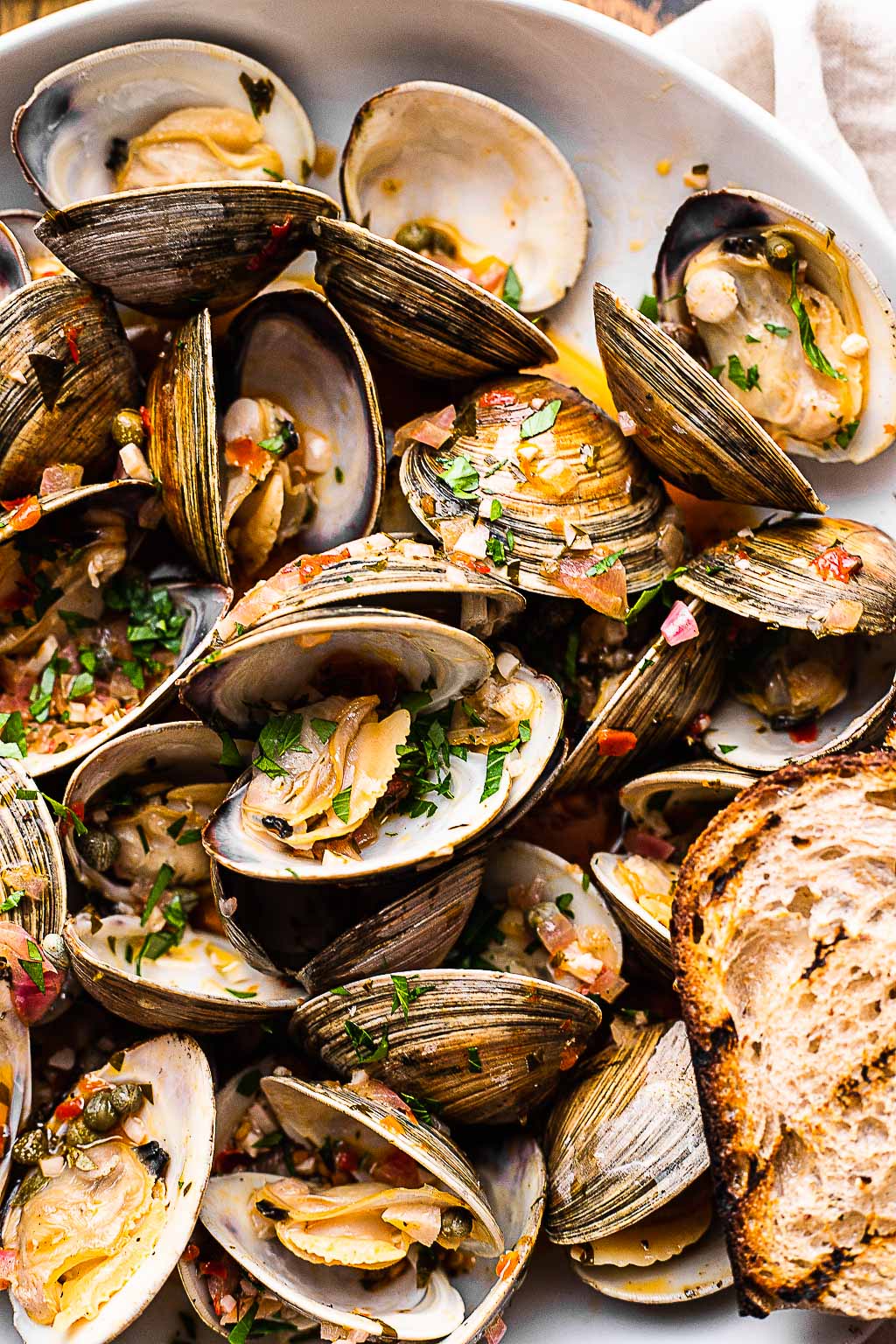
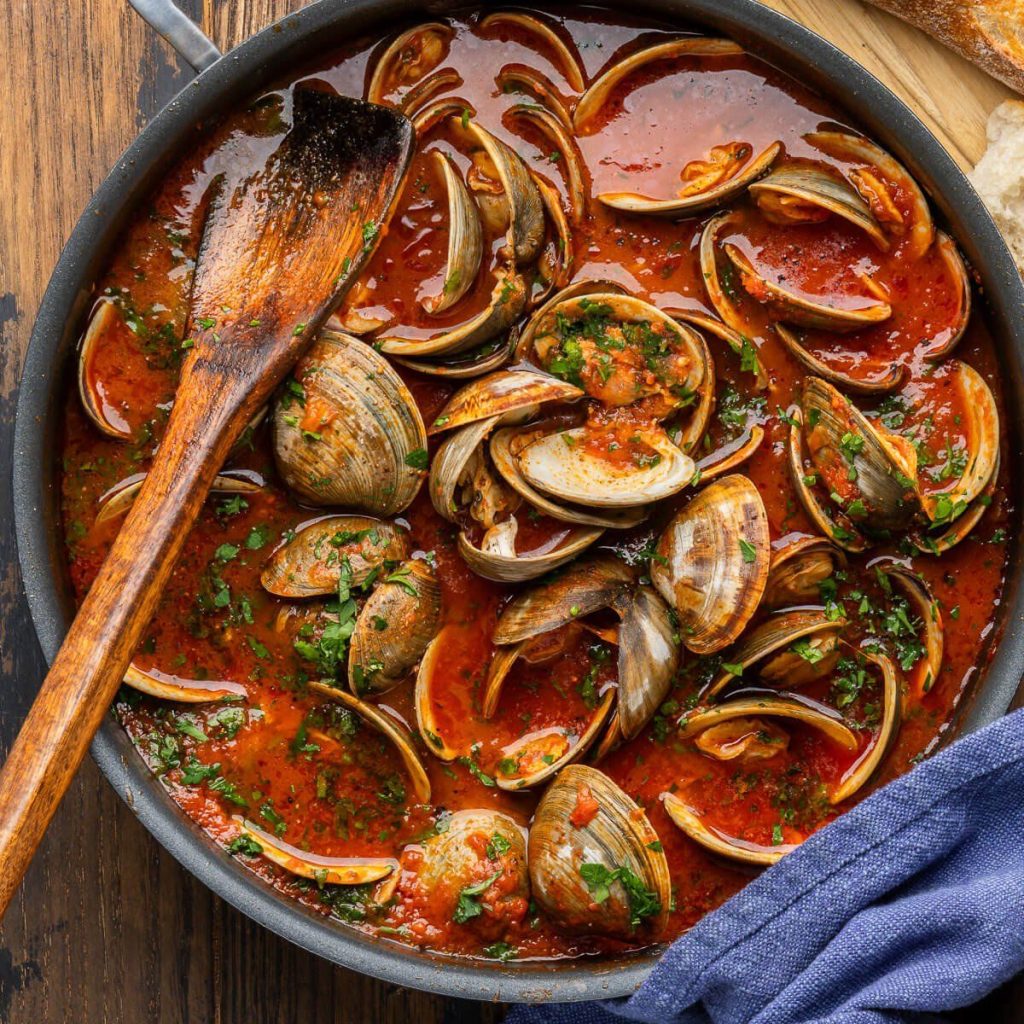

The magic of this dish lies in its simplicity and the depth of flavor achieved with relatively common ingredients. It’s a testament to how a few well-chosen elements can transform humble clams into a culinary masterpiece that rivals any restaurant offering. Whether you’re a seasoned cook or a beginner venturing into seafood preparation, this guide will walk you through the process, ensuring a delightful outcome.
At its core, the dish relies on fresh clams. The type of clam can vary, but common choices include green mussels (kerang hijau), blood clams (kerang dara), or scallops (simping). The key is to ensure they are fresh, vibrant, and properly cleaned. Freshness is paramount for both taste and safety. Look for clams that are tightly closed or close when tapped. Discard any that are open and don’t close, as they are likely dead.
Cleaning clams is a crucial step that should not be overlooked. It involves removing any grit, sand, or debris that might be clinging to their shells. A thorough rinse under cold running water is the first step. For particularly sandy clams, soaking them in salted cold water for about 30 minutes to an hour can help them expel the grit naturally. Some cooks even add a bit of sesame oil to the soaking water, believing it encourages the clams to open and release their contents.
The sauce is where the ‘pedas manis’ (spicy sweet) character truly shines. The foundation is oyster sauce, a thick, dark sauce made from oyster extracts, providing a deep umami flavor and a hint of sweetness. This is complemented by chili sauce or sambal for heat, soy sauce for saltiness and depth, and sugar to balance the spice and salt, creating that signature sweet and spicy profile.
Beyond the core sauce ingredients, aromatics play a vital role in building complexity. Garlic and onions, or shallots, are indispensable. They are typically sautéed until fragrant, releasing their sweet and pungent aromas that form the base of the flavor profile. Ginger is another excellent addition, offering a warming, zesty note that cuts through the richness of the sauce and enhances the seafood flavor.
The ‘pedas’ (spicy) element can be adjusted to personal preference. Fresh chilies, such as bird’s eye chilies (cabe rawit), provide a sharp, intense heat. Dried chili flakes offer a more smoky, lingering warmth. Alternatively, pre-made sambal, like sambal oelek or sambal terasi, can be used for convenience and a more complex chili flavor, often incorporating other spices and shrimp paste.
The ‘manis’ (sweet) component is typically achieved through sugar, whether it’s granulated sugar, palm sugar (gula merah), or even a touch of honey. Palm sugar, in particular, adds a subtle caramel note that enhances the overall richness of the sauce. The balance between spice and sweetness is key to achieving that perfect ‘pedas manis’ flavor that tantalizes the taste buds.
Let’s delve into the actual cooking process. The first step after cleaning the clams is to prepare the aromatics. Finely mince the garlic, chop the onions or shallots, and grate or mince the ginger. If using fresh chilies, slice them thinly. The more finely chopped or minced these ingredients are, the more effectively their flavors will infuse into the sauce.
In a wok or a large, deep skillet, heat a generous amount of cooking oil over medium-high heat. Add the minced garlic and sauté until it becomes fragrant and lightly golden. Be careful not to burn the garlic, as this can impart a bitter taste. This initial sautéing releases the garlic’s essential oils and sugars, creating a flavorful foundation.
Next, add the chopped onions or shallots and the ginger. Stir-fry for another minute or two until the onions become translucent and their sweet aroma fills the air. If you’re using fresh chilies, add them now and stir-fry briefly to release their heat and flavor into the oil.
Now comes the star of the sauce: oyster sauce. Add a good amount of oyster sauce to the wok. Follow this with soy sauce for added saltiness and umami. Stir well to combine these sauces with the aromatics. Allow the mixture to bubble gently for a moment, allowing the flavors to meld.
Introduce the chili sauce or sambal for the ‘pedas’ element. Start with a moderate amount, as you can always add more later if you desire a spicier dish. Stir this into the sauce base. This is also the time to add the sugar for the ‘manis’ component. Stir until the sugar dissolves completely.
A splash of water or chicken broth can be added to the sauce to achieve the desired consistency. This also helps to distribute the flavors evenly and prevents the sauce from becoming too thick or sticky. Bring the sauce to a simmer, allowing it to thicken slightly.
Once the sauce is ready and simmering, it’s time to add the cleaned clams. Increase the heat to high. Add the clams to the wok and toss them vigorously with the sauce. The high heat is crucial for cooking the clams quickly, ensuring they open up and don’t become rubbery. This rapid cooking also helps the clams absorb the flavors of the sauce.
Cover the wok or skillet for a few minutes, allowing the steam to cook the clams thoroughly and help them open. Keep an eye on them; once most of the clams have opened, they are cooked. Discard any clams that remain stubbornly closed, as they are not safe to eat.
As the clams open, continue to stir and toss them to ensure they are evenly coated with the spicy sweet oyster sauce. The sauce will thicken further as it coats the clams. If the sauce becomes too thick, you can add a tiny bit more water or broth. If it’s too thin, let it simmer uncovered for a minute or two longer.
Some cooks like to add a final touch of flavor and freshness. A sprinkle of chopped spring onions or fresh cilantro just before serving adds a burst of color and a refreshing herbaceous note that complements the richness of the dish.
Another variation involves adding a tablespoon of toasted sesame oil at the very end, off the heat. This imparts a wonderful nutty aroma and flavor that elevates the dish. A squeeze of fresh lime or lemon juice can also add a bright, zesty counterpoint to the rich sauce.
Serving this dish is best done immediately while the clams are hot and the sauce is luscious. It’s typically served with steamed white rice, which is perfect for soaking up every last drop of the delicious sauce. The simplicity of the rice allows the complex flavors of the clams to take center stage.
For a more elaborate meal, consider serving it alongside other Indonesian favorites like stir-fried vegetables (sayur cah), fried rice (nasi goreng), or a refreshing cucumber salad. This creates a well-rounded and satisfying dining experience.
The key to success with this recipe is quality ingredients and proper technique. Freshness of the clams, the balance of the sauce ingredients, and the high-heat cooking method are all critical factors.
Experimentation is also encouraged. Don’t be afraid to adjust the spice level, sweetness, or even add other complementary ingredients. Some people enjoy adding a touch of fish sauce for an extra layer of umami, while others might incorporate a dash of dark soy sauce for color and a richer flavor.
The beauty of ‘Kerang Saus Tiram Pedas Manis’ lies in its adaptability. It can be a quick weeknight meal or a showstopper for a family gathering. The aroma that fills your kitchen as it cooks is sure to whet everyone’s appetite.
Beyond the taste, this dish offers nutritional benefits. Clams are a good source of protein, iron, vitamin B12, and selenium. While the sauce contains sugar and sodium, the overall dish can be part of a balanced diet when enjoyed in moderation.
When selecting clams, consider the size. Smaller clams tend to cook faster and might absorb sauce more readily, while larger ones offer a more substantial bite. The type of clam will also influence the texture and flavor profile.
For those who prefer a milder heat, using less chili or opting for milder chili varieties like red bell peppers (though this changes the flavor profile significantly) can be a good starting point. Conversely, for true chili enthusiasts, a generous amount of bird’s eye chilies will deliver an intense kick.
The sauce consistency is a matter of personal preference. Some like it thick and clinging, while others prefer it a bit looser, with more liquid to spoon over rice. Adjusting the amount of water or broth and simmering time allows for this customization.
Ultimately, ‘Kerang Saus Tiram Pedas Manis’ is more than just a recipe; it’s a culinary tradition that brings joy and flavor to the table. With this guide, you’re well-equipped to recreate this family favorite and create lasting memories with every delicious bite.