
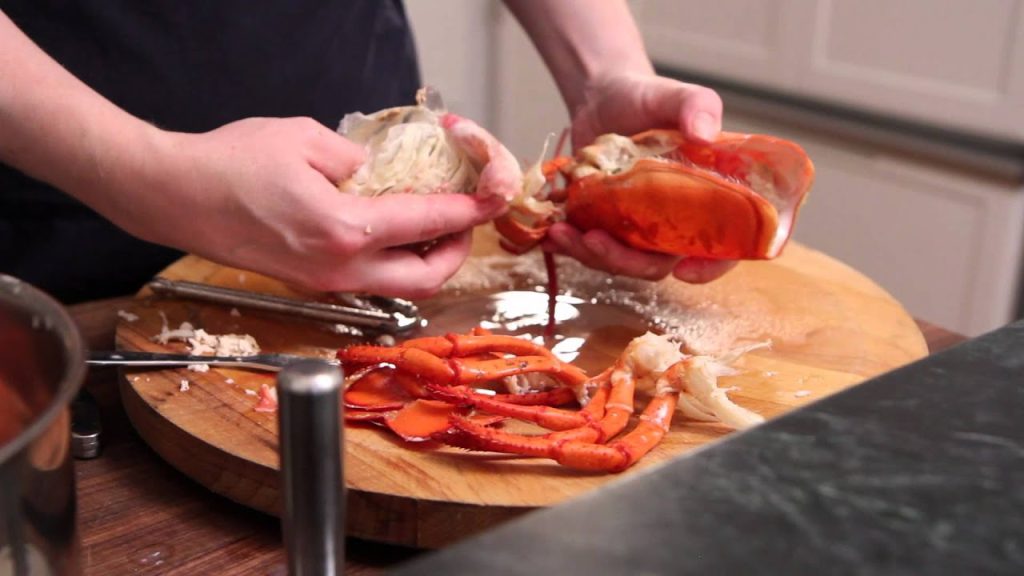

The first step towards successful crab cracking is understanding the anatomy of the crab and identifying the areas where the shell is most vulnerable. Crabs, like all crustaceans, have a segmented body. The main parts of interest for cracking are the body (carapace), the legs, and the claws. The shell on the body is generally the toughest, while the legs and claws have more accessible joints. Knowing where to focus your efforts will significantly improve your efficiency and reduce the risk of damaging the precious meat inside.
Crab crackers: These are specially designed pliers with a serrated edge that provide leverage to crack the shell. They come in various sizes and designs, so choose one that feels comfortable in your hand.
Mallet: A small wooden or rubber mallet is useful for gently tapping on the shell to break it open. Avoid using a metal hammer, as it can easily shatter the shell and damage the meat.
Seafood forks or picks: These long, slender forks are designed to extract the meat from the legs and body. They are essential for reaching into tight spaces and pulling out every delicious morsel.
Cutting board: A sturdy cutting board is crucial to protect your work surface and provide a stable base for cracking.
Towel or paper towels: Cracking crabs can be messy, so having a towel or paper towels on hand is essential for wiping your hands and cleaning up spills.
Sharp knife or kitchen shears: Useful for cutting through the legs and body sections if needed, especially for larger crabs.
Cracking the Claws: The claws are often the meatiest part of the crab. To crack a claw, hold it firmly in your non-dominant hand. Use the crab cracker to apply pressure at the joint where the claw meets the arm. Squeeze until the shell cracks. Alternatively, use a mallet to gently tap along the side of the claw until it cracks. Be careful not to crush the meat.
Cracking the Legs: The legs are easier to crack than the body. Hold a leg in your hand and use the crab cracker to apply pressure at the joints. You can also use the mallet to gently tap along the leg segments until they crack. Once cracked, use a seafood fork to pull out the meat.
Cracking the Body: The body is the most challenging part to crack. Place the crab on the cutting board, belly-side up. Use the crab cracker or mallet to apply pressure along the edges of the body, where the shell is thinner. You can also try flipping the crab over and tapping on the carapace (top shell) to loosen it. Once the shell is cracked, use your hands or the seafood fork to pry it open and remove the meat.
Using Kitchen Shears: For larger crabs, kitchen shears can be a helpful tool. Cut along the edges of the body and legs to make it easier to access the meat. Be careful not to cut too deep and damage the meat.
The Twist and Pull Method: This method works well for legs. Hold the leg firmly and twist it at a joint. Then, pull the two segments apart. This often exposes the meat without the need for a cracker or mallet.
Chill the crab: Chilling the crab before cracking makes the meat firmer and easier to remove from the shell. Place the cooked crab in the refrigerator for at least 30 minutes before cracking.
Work over a plate or bowl: This will help contain any spills and make it easier to collect the meat.
Start with the claws: These are usually the easiest and most rewarding parts to crack. Getting the claws out of the way first can give you a boost of confidence.
Don’t be afraid to experiment: Every crab is different, so you may need to adjust your technique. Don’t be afraid to try different methods until you find what works best for you.
Take your time: Cracking crab can be a delicate process. Rushing can lead to frustration and damaged meat. Take your time and enjoy the process.
Clean as you go: Wipe your hands and the cutting board frequently to keep things clean and prevent the meat from getting contaminated.
Consider the type of crab: Different types of crab (e.g., Dungeness, snow crab, blue crab) have different shell thicknesses and body structures. Adjust your technique accordingly.
Don’t overcook the crab: Overcooked crab meat can become dry and tough. Ensure that you are cooking the crab properly before attempting to crack it.
Practice makes perfect: The more crabs you crack, the better you will become. Don’t be discouraged if you don’t get it right the first time.
Use the right amount of force: Apply enough pressure to crack the shell, but avoid using excessive force that could damage the meat.
Utilize all parts: Don’t waste any part of the crab. The body meat, leg meat, and claw meat are all delicious. Make sure to extract every morsel.
Be mindful of safety: The shells can be sharp. Handle the crab with care and avoid cutting yourself.
Embrace the mess: Cracking crab is inherently messy. Don’t worry about getting your hands dirty. It’s part of the fun!
Using the wrong tools: Using the wrong tools can make the process much more difficult and increase the risk of injury. Always use the appropriate tools for the job.
Applying too much force: Applying too much force can crush the meat and make it difficult to remove from the shell.
Rushing the process: Rushing the process can lead to frustration and damaged meat. Take your time and enjoy the experience.
Not chilling the crab: Chilling the crab makes the meat firmer and easier to remove from the shell. Skipping this step can make the process more challenging.
Ignoring the anatomy: Understanding the anatomy of the crab can help you identify the areas where the shell is most vulnerable. Ignoring the anatomy can make the process more difficult.
Giving up: Cracking crab can be challenging, but don’t give up. With practice and the right techniques, you’ll become a crab-cracking expert.
Not cleaning up: Cleanliness is important. Clean your tools and work surface frequently to prevent contamination.
Classic crab cakes: A timeless favorite, crab cakes are a delicious way to showcase the flavor of crab meat.
Crab salad: Mix the crab meat with mayonnaise, celery, and other ingredients for a refreshing salad.
Crab bisque: A creamy and flavorful soup that highlights the delicate flavor of crab.
Crab-stuffed mushrooms: A sophisticated appetizer that combines the earthiness of mushrooms with the sweetness of crab.
Crab pasta: Toss the crab meat with pasta, garlic, and other ingredients for a simple yet elegant meal.
Crab legs with drawn butter: A classic pairing that lets the natural sweetness of the crab shine through.
Crab Rangoon: A popular appetizer that combines crab meat with cream cheese and other ingredients.
Crab sushi: Use crab meat in your homemade sushi rolls for a restaurant-quality meal.
Crab dip: A creamy and flavorful dip that’s perfect for parties and gatherings.
Cracking crab shells can seem daunting at first, but with the right tools, techniques, and a little practice, it can become an enjoyable and rewarding experience. This guide has provided you with the essential information you need to become a crab-cracking expert. So, gather your tools, follow the steps, and prepare to indulge in the deliciousness of fresh crab meat. Enjoy your culinary adventure!
Remember to always prioritize food safety and handle the crab with care.