
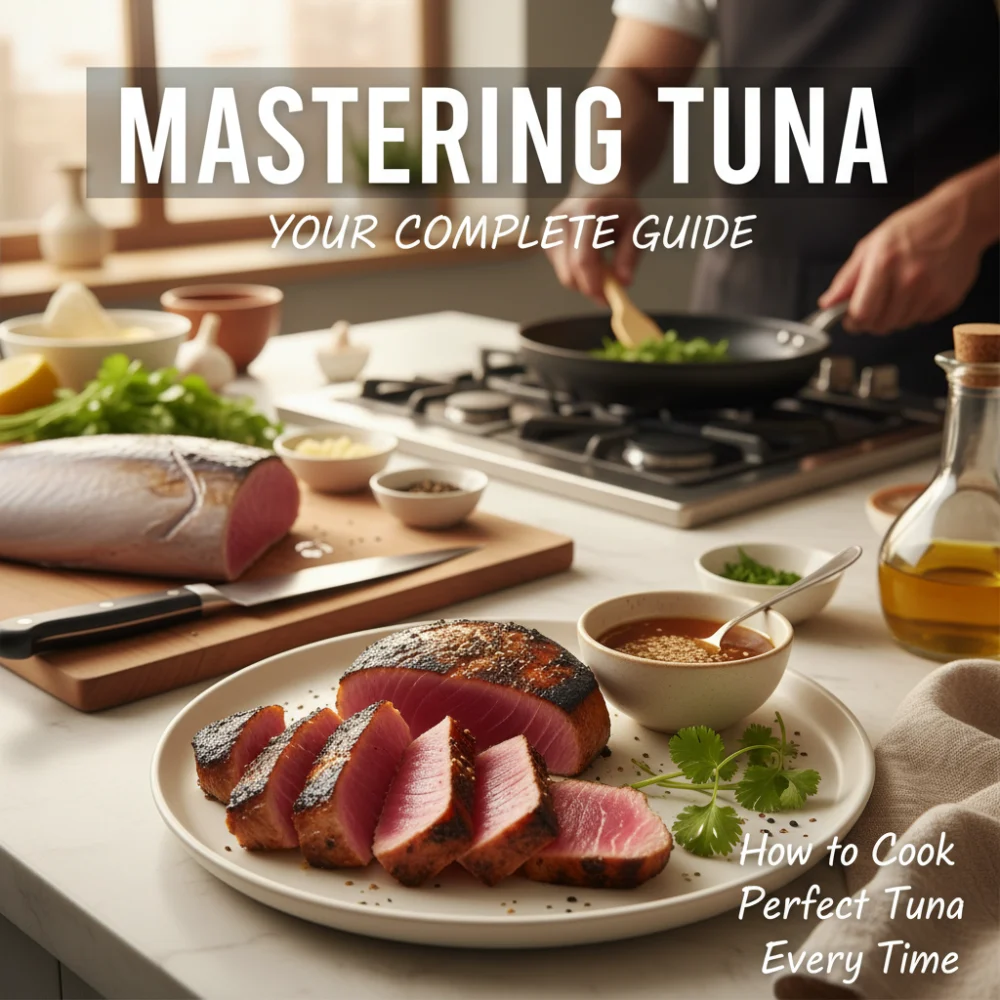

Tuna, a prized culinary delight, is renowned for its rich flavor, firm texture, and impressive nutritional profile. From elegant restaurant dishes to simple home-cooked meals, mastering how to cook tuna can elevate your culinary repertoire significantly. This comprehensive guide will walk you through every step, ensuring you achieve delicious, perfectly cooked tuna every single time.
Often celebrated as a superfood, tuna is packed with lean protein, omega-3 fatty acids, and essential vitamins and minerals. These nutrients contribute to heart health, brain function, and overall well-being, making it a fantastic choice for a healthy and satisfying meal. Its versatility means it can be the star of countless dishes, from quick weeknight dinners to impressive weekend feasts.
The journey to perfectly cooked tuna begins with selecting the best quality fish. Look for tuna steaks that are vibrant in color, ranging from deep red for Ahi (yellowfin) to lighter pink for Albacore. The flesh should be firm, moist, and have a fresh, mild ocean scent, not fishy. Avoid any pieces that appear dry, dull, or discolored.
There are several popular varieties of tuna, each with distinct characteristics. Ahi tuna (Yellowfin and Bigeye) is widely favored for searing due to its firm texture and mild, meaty flavor. Albacore tuna has a lighter color and milder taste, often found canned but also excellent fresh. Skipjack and Bonito are smaller varieties, typically used for canning or specific regional dishes.
Before you even think about heat, proper preparation is key. If your tuna is frozen, ensure it’s thawed correctly. The best method is to transfer it from the freezer to the refrigerator overnight. For a quicker thaw, place the vacuum-sealed package in a bowl of cold water for 30-60 minutes, changing the water every 15 minutes.
Once thawed, it’s crucial to pat your tuna steaks thoroughly dry with paper towels. Excess moisture on the surface can prevent a good sear and will steam the fish instead of browning it, leading to a less desirable texture. A dry surface is essential for achieving that beautiful, caramelized crust.
When it comes to cooking tuna steak, pan-searing is arguably the most popular and rewarding method, especially for those who appreciate a beautifully rare or medium-rare interior with a crisp exterior. This technique allows for precise control over doneness and delivers fantastic flavor.
To begin pan-searing, gather your tools: a heavy-bottomed skillet (cast iron or stainless steel works best), high-smoke point oil (like avocado, grapeseed, or refined olive oil), and your seasoned tuna steaks. Ensure your tuna is at room temperature for more even cooking.
Seasoning is personal, but a simple approach often yields the best results. A generous sprinkle of coarse sea salt and freshly ground black pepper on both sides is usually sufficient to enhance tuna’s natural flavor. For an extra kick, consider a light dusting of garlic powder, paprika, or a specialty seafood rub.
Heat your skillet over high heat until it’s smoking slightly. Add about one to two tablespoons of high-smoke point oil. The oil should shimmer, indicating it’s hot enough. This intense heat is vital for creating a quick, flavorful crust without overcooking the interior.
Carefully place the seasoned tuna steaks into the hot pan. For a rare to medium-rare steak (about 1-inch thick), sear for approximately 1.5 to 2 minutes per side. For a medium doneness, extend to 2.5 to 3 minutes per side. The goal is to develop a deep golden-brown crust.
After searing, immediately remove the tuna from the pan and let it rest on a cutting board for a few minutes. This resting period allows the juices to redistribute throughout the steak, resulting in a more tender and flavorful bite. Slice against the grain for optimal texture.
For those who love a smoky char, grilling tuna is an excellent alternative. Preheat your grill to high heat and clean the grates thoroughly. Lightly brush the tuna steaks with oil and season them as desired. Place the tuna directly on the hot grates.
Grill for about 2-3 minutes per side for rare to medium-rare, or 4-5 minutes per side for medium doneness, depending on thickness. You’ll want beautiful grill marks and a slightly crisp exterior. As with pan-searing, resting the tuna after grilling is important.
Baking offers a more hands-off and gentle approach to cooking tuna, ideal if you prefer a more uniformly cooked fillet or are preparing multiple portions. Preheat your oven to 400°F (200°C). Lightly oil a baking dish or line a baking sheet with parchment paper.
Place your seasoned tuna steaks in the prepared dish. Bake for 8-12 minutes for medium-rare to medium doneness, or until the tuna flakes easily with a fork but still retains some pink in the center. Adjust baking time based on the thickness of your tuna.
Broiling tuna is a quick method that delivers a similar effect to grilling or searing. Preheat your broiler to high. Place tuna steaks on a broiler-safe pan, about 4-6 inches from the heat source. Broil for 3-5 minutes per side, watching closely to prevent burning.
Poaching tuna results in a delicate, flaky texture, quite different from searing. This method is often used for salads or sandwiches where you want a texture similar to high-quality canned tuna. Gently simmer tuna in seasoned water, broth, or olive oil until cooked through.
Understanding tuna doneness is crucial for a truly satisfying experience. Most connoisseurs prefer tuna rare or medium-rare, where the center is still reddish-pink and warm. Overcooked tuna becomes dry and tough, losing its delicate flavor.
Here’s a quick guide to internal temperatures for a 1-inch thick tuna steak:
- Rare: 115-120°F (46-49°C) – deep red, cool center.
- Medium-Rare: 120-125°F (49-52°C) – pinkish-red, warm center.
- Medium: 125-130°F (52-54°C) – mostly pink, cooked through.
- Well-Done: Avoid, as it often results in dry tuna.
A good instant-read meat thermometer is your best friend for precise doneness. Insert it into the thickest part of the steak. Remember that the temperature will rise slightly even after removal from heat.
While simple salt and pepper are often enough, tuna readily accepts a variety of flavors. Consider marinades for added moisture and complexity. A simple marinade of soy sauce, ginger, garlic, and a touch of sesame oil works wonderfully.
Dry rubs can also create an incredible crust. Experiment with combinations of paprika, cumin, coriander, chili powder, and brown sugar. Apply the rub generously just before cooking.
For a fresh finish, a squeeze of lemon or lime juice after cooking brightens the flavor. Fresh herbs like parsley, cilantro, or chives can also add a delightful aromatic touch.
Once your tuna is perfectly cooked, consider how you’ll serve it. It pairs beautifully with a range of sides, from simple steamed vegetables and rice to more elaborate salads or roasted potatoes. A light sauce can also complement its flavor.
Some popular sauce pairings include:
- A bright citrus vinaigrette
- Spicy sriracha mayo
- Creamy avocado sauce
- A simple pan sauce made with white wine, butter, and herbs
Even experienced cooks can make mistakes. The most common error when cooking tuna is overcooking it. Tuna cooks very quickly, and even a minute too long can turn it from tender and succulent to dry and chalky. Keep a close eye on it!
Another frequent oversight is not properly drying the tuna before cooking. As mentioned, moisture creates steam, which prevents a good sear. Always pat your tuna steaks dry with paper towels.
Using a pan that isn’t hot enough or overcrowding the pan can also lead to issues. A cool pan won’t create a crust, and too many steaks in one pan will lower the temperature, resulting in steaming rather than searing.
Skipping the resting period is another common mistake. Just like with beef steaks, tuna benefits from a few minutes of rest off the heat, allowing the muscle fibers to relax and reabsorb juices, ensuring a more tender and flavorful result.
For consistent success, always start with high-quality fresh tuna. This is the foundation of a great dish. Don’t compromise on freshness, as it directly impacts taste and texture.
Remember that high heat is your ally, especially for searing and grilling. It ensures a quick crust formation while keeping the interior moist and tender. Don’t be afraid to let your pan get very hot.
Avoid overcrowding your pan or grill. Cook tuna in batches if necessary, allowing each steak enough space to cook evenly and develop a good crust. Overcrowding drops the temperature and leads to steaming.
Invest in an instant-read thermometer. It’s the most reliable way to achieve your desired doneness, taking the guesswork out of cooking and ensuring perfect results every time.
How long should I cook tuna steak? For a 1-inch thick tuna steak, sear for about 1.5-2 minutes per side for rare to medium-rare. Adjust slightly for thicker or thinner cuts.
What oil is best for searing tuna? High-smoke point oils like avocado oil, grapeseed oil, or refined olive oil are excellent choices. They can withstand the high heat required for a good sear without burning.
Can I eat tuna rare? Yes, absolutely! Many people prefer tuna rare or medium-rare for its best flavor and texture. Ensure you’re using fresh, high-quality, sushi-grade tuna if you plan to eat it very rare.
Cooking tuna doesn’t have to be intimidating. With the right selection, preparation, and cooking techniques, you can transform a simple tuna steak into a gourmet experience. Whether you prefer the quick sear of a hot pan, the smoky char of a grill, or the gentle bake of an oven, these methods empower you to create delicious, healthy meals. Experiment with seasonings and sides, find your preferred level of doneness, and confidently enjoy this magnificent fish in your kitchen.
Embrace the art of cooking tuna, and you’ll discover a world of culinary possibilities. It’s a journey worth taking for any food enthusiast seeking to add a versatile and healthy protein to their repertoire. Happy cooking!