
The journey to a perfect crab dish begins with understanding the importance of freshness. A live crab, full of life and vigor, translates directly to superior flavor and tenderness. Conversely, a crab that has been dead for too long can quickly deteriorate, resulting in a less palatable experience. This guide will help you identify the telltale signs of a healthy, fresh crab.
Before diving into the specifics, it’s essential to familiarize yourself with the common types of crabs available. Popular choices include Dungeness crab, blue crab, snow crab, and king crab. Each variety has its unique characteristics in terms of size, taste, and texture. Your choice of crab might influence the selection process, but the general principles of freshness apply across the board.
One of the first things to assess is the crab’s overall activity. A healthy crab should be active and responsive. Observe the crabs in the tank or container. Look for crabs that are moving their legs and claws, attempting to escape, or exhibiting other signs of life. Avoid crabs that appear sluggish, motionless, or unresponsive to stimuli.
The weight of the crab is a significant indicator of its meat content and overall health. Pick up a few crabs of similar size and compare their weight. A crab that feels heavier for its size likely has more meat. This is particularly important if you’re looking for a crab with a generous yield.
Examine the crab’s shell for any signs of damage or decay. The shell should be intact and free from cracks, dents, or discoloration. Avoid crabs with soft or mushy shells, as this can indicate that the crab is not in prime condition. The shell should also be clean, free from excessive algae or debris.
The color of the crab’s shell can provide clues about its freshness and health. While the exact color varies depending on the species, the shell should generally be vibrant and consistent. Avoid crabs with dull, faded, or patchy coloration, which can be a sign of poor health or age.
Check the crab’s eyes. They should be clear, bright, and alert. Avoid crabs with cloudy, sunken, or damaged eyes. These can be indicators of stress or illness.
The presence of a strong, fresh ocean smell is a positive sign. Avoid crabs that have a fishy or ammonia-like odor, as this can indicate that the crab is not fresh or has begun to decompose.
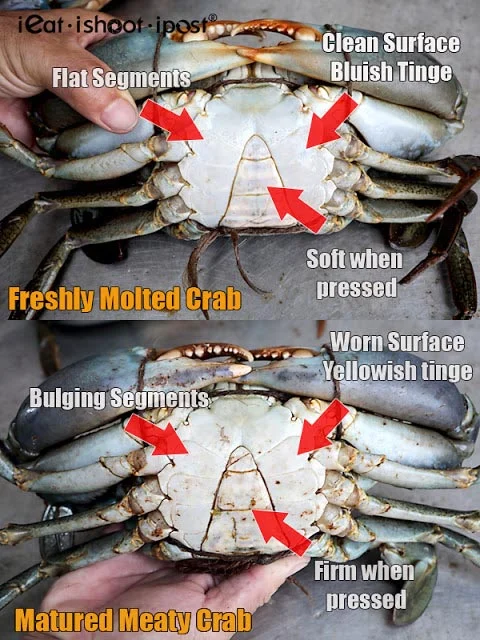
Another important area to examine is the crab’s underside, specifically the abdominal flap. This flap, located on the underside of the crab, covers the crab’s abdomen. The flap should be firmly attached to the body. Gently lift the flap; it should be difficult to move. A loose or easily movable flap can indicate that the crab is not fresh.
The abdominal flap is also a good indicator of the crab’s sex. In general, female crabs have a wider, more rounded flap, while male crabs have a narrower, more pointed flap. Some people prefer female crabs for their roe, while others prefer the meat of male crabs. Consider your preference when making your selection.
The gills of the crab, located under the shell, should be clean and moist. Avoid crabs with gills that appear dry, discolored, or slimy. These can be signs of poor health or that the crab has been out of the water for too long.
If possible, gently squeeze the crab’s legs. They should be firm and full. Avoid crabs with legs that feel soft, empty, or easily detached. This can indicate that the crab has lost its meat or is not in good condition.
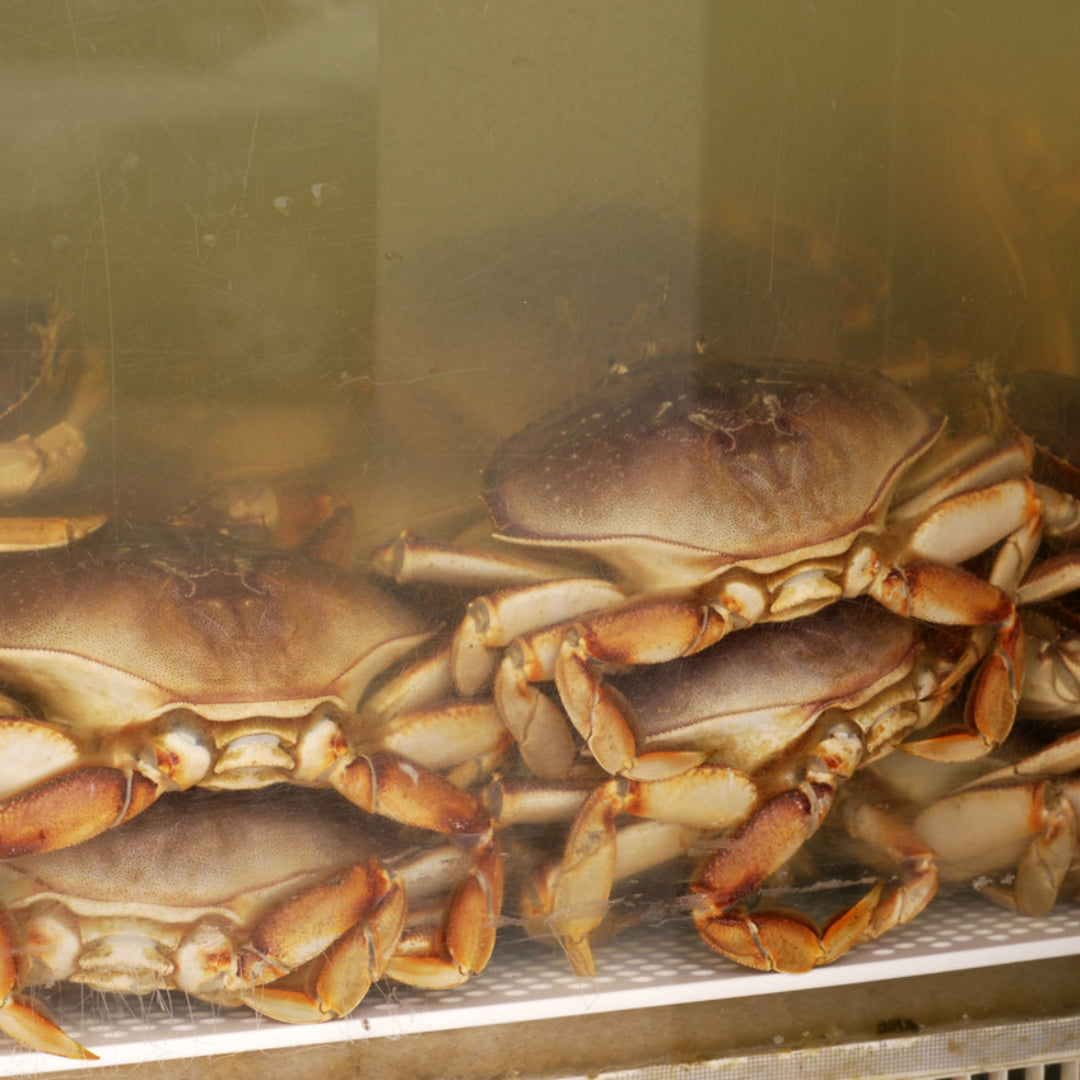
When purchasing crabs, consider the source. Reputable seafood vendors and markets that prioritize freshness are more likely to offer high-quality crabs. Look for vendors who keep the crabs in well-maintained tanks with circulating water and proper aeration.
Observe the conditions in which the crabs are kept. The tanks or containers should be clean and well-maintained. The water should be clear and free from debris. The crabs should not be overcrowded, as this can lead to stress and poor health.
Ask the vendor about the crabs’ origin and how long they have been in the tank. Freshly caught crabs are generally the best choice. If the crabs have been in the tank for a while, inquire about their feeding and care.
Consider the season. Crab availability and quality can vary depending on the time of year. Certain crab species have specific seasons when they are at their peak flavor and quality. Research the best time to buy the type of crab you want.
When selecting crabs, choose those that are of a similar size. This will ensure even cooking and prevent some crabs from overcooking while others are still undercooked.
Once you’ve selected your crabs, handle them carefully. Avoid dropping or mishandling them, as this can cause them stress and potentially affect their meat quality.
Transport the crabs in a cooler with ice or a damp cloth to keep them cool and moist. This will help maintain their freshness during transport.
Upon arriving home, cook the crabs as soon as possible for the best flavor and texture. If you are not ready to cook them immediately, store them in the refrigerator, covered in a damp cloth, for no more than 24 hours.
Proper cooking methods are essential to bringing out the best in your fresh crabs. Steaming, boiling, grilling, and baking are all popular methods. The cooking time will depend on the size of the crab and the chosen method.
Steaming is a popular method that preserves the crab’s natural flavors. Place the crabs in a steamer basket over boiling water and cook until they are bright red and the meat is cooked through.
Boiling is another simple and effective method. Submerge the crabs in boiling water and cook until they are bright red. Be careful not to overcook the crabs, as this can make the meat tough.
Grilling adds a smoky flavor to the crab. Place the crabs on a hot grill and cook until the shells are charred and the meat is cooked through. This method is excellent for certain crab varieties.
Baking is a less common method, but it can be used to prepare crab dishes. Place the crabs in a baking dish and cook in a preheated oven until the meat is cooked through.
Once the crabs are cooked, serve them immediately. Crab meat is best enjoyed fresh. Serve with your favorite side dishes and dipping sauces.
Consider the size of the crab when planning your meal. Larger crabs will yield more meat, but they may also require longer cooking times.
Pair your crab dish with complementary flavors. Butter, lemon, garlic, and herbs all enhance the natural flavor of crab meat.
Experiment with different recipes and cooking methods to find your favorite way to prepare crab. There are countless crab recipes available, from simple steamed crab to elaborate crab cakes and stews.
Be mindful of food safety. Always cook crabs thoroughly to kill any potential bacteria. Avoid eating raw or undercooked crab.
When handling live crabs, use caution. Crabs can pinch, so handle them with care. Use tongs or gloves to protect your hands.
Proper cleaning of your cooking equipment is essential to ensure food safety. Wash all surfaces and utensils thoroughly after cooking crabs.
If you have any allergies, be aware that crab is a common allergen. Read food labels carefully and inform your guests of any potential allergens.
Crab can be a sustainable food choice when sourced responsibly. Look for crabs from fisheries that practice sustainable harvesting methods.
Sustainability is a crucial factor. Look for crabs that are harvested using sustainable practices. Ask your vendor about the origin of the crabs and the fishing methods used.
By following these guidelines, you can ensure that you select the freshest, plumpest live crabs and enjoy a truly memorable culinary experience. Freshness is key, so pay close attention to the crab’s activity, shell, eyes, and smell. With a little care and attention, you can bring the delicious taste of the sea to your table.
Don’t be afraid to ask questions. A reputable seafood vendor will be happy to answer your questions and provide guidance on selecting the best crabs.
Enjoy the process of selecting and preparing fresh crabs. It’s a rewarding experience that will bring you closer to the delicious flavors of the sea.
Enjoy your meal! With the knowledge you’ve gained, you are now well-equipped to select and prepare the freshest and most delicious live crabs for your enjoyment.