
The primary fear when cooking squid is the texture. Unlike fish or poultry, which have a wider margin for error regarding cooking times, squid muscle fibers react almost instantly to heat. If cooked for a few seconds too long, the proteins contract tightly, resulting in a texture often described as ‘alot’ (tough) or rubbery. Mastering the art of tender grilled squid requires understanding the science of the ingredient and applying specific preparation techniques.
To achieve a result that is ‘tidak alot sama sekali’ (not tough at all), one must start at the very beginning: the selection of the seafood. The quality of the raw ingredient dictates the ceiling of your final dish’s quality. When purchasing squid, look for specimens that have clear, bright eyes. Cloudy eyes are a sign that the squid is no longer fresh. Additionally, the flesh should be firm and bounce back when pressed, and the skin should carry a metallic sheen rather than a dull, matte appearance.
Size plays a crucial role in the tenderness of the final product. While giant squids look impressive on a grill, they often possess thicker muscle fibers that are naturally tougher. For the most tender grilled squid, opt for medium-sized squids (roughly 10 to 15 centimeters in body length). These younger squids naturally have softer flesh and require less aggressive tenderizing methods than their larger counterparts.
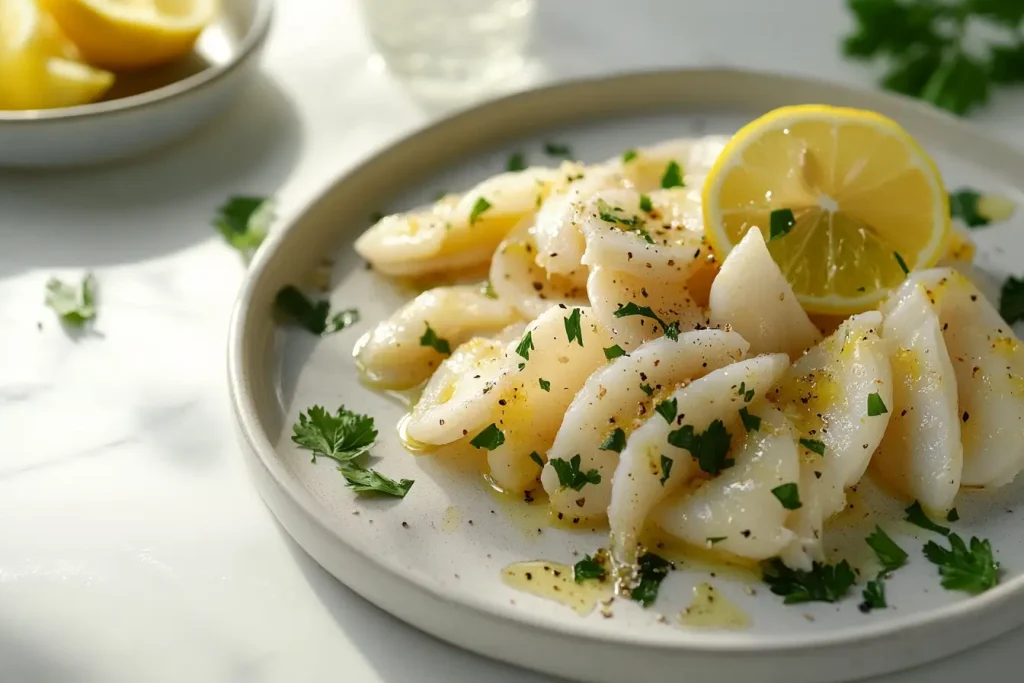
Once you have selected fresh squid, the cleaning process is the first step toward tenderness. Thoroughly clean the cavity, removing the quill (the plastic-like cartilage) and the beak. Many chefs also recommend removing the outer purple membrane or skin. While the skin adds color, it can sometimes contract faster than the flesh during grilling, squeezing the meat and contributing to a tougher texture. Removing it yields a pristine white tube that cooks more evenly.
One of the most effective mechanical methods for ensuring tenderness is scoring. Using a sharp knife, create shallow diagonal cuts in a diamond pattern across the surface of the squid. Do not cut all the way through. This technique serves a dual purpose: it severs the long muscle fibers, making the squid physically easier to chew, and it increases the surface area, allowing marinades and heat to penetrate more quickly and evenly.
Marination is where the true secrets of tenderness lie. There are several schools of thought regarding how to chemically tenderize squid before it hits the grill. The first is the use of dairy. Soaking squid in milk or buttermilk for a few hours (or even overnight) is a technique borrowed from Mediterranean cooking. The lactic acid and calcium in milk work gently to break down protein structures without turning the meat mushy.
Another powerful tenderizer found in many Asian kitchens is the use of natural enzymes. Fruits like papaya, pineapple, and kiwi contain enzymes (papain, bromelain, and actinidin, respectively) that digest proteins. Adding a small amount of blended pineapple or wrapping the squid in papaya leaves for 30 minutes can drastically soften the fibers. However, caution is required; if left too long, the enzymes will turn the squid into a paste.
For those who prefer a more traditional Indonesian approach, the secret often lies in a technique called ungkep or a brief par-boiling method. This involves blanching the squid very briefly in boiling water seasoned with aromatics like ginger, garlic, and turmeric before grilling. This might seem counterintuitive, but a quick blanch sets the shape and starts the cooking process gently.
The blanching method prevents the squid from shrinking drastically when it hits the high heat of the grill. By pre-cooking it slightly, you reduce the time it needs to spend over the open flame. You simply grill it long enough to get the smoky char and caramelize the glaze, ensuring the inside remains moist and tender.
If you choose not to blanch, you must rely on the ‘Hot and Fast’ or ‘Low and Slow’ rule. Squid does not do well in the middle ground. It must be cooked either very quickly (under 2 minutes) over high heat or stewed for a long time (over 30 minutes). For grilling, we always aim for the former. High heat sears the outside immediately, sealing in juices before the muscle fibers have time to fully contract and toughen.
The marinade ingredients also contribute to texture. Acidic components like lime juice, lemon juice, or vinegar are essential for flavor, but they also "cook" the seafood chemically (similar to ceviche). If you leave squid in a highly acidic marinade for too long, it will become tough before it even touches the heat. It is best to add strong acids only 10 to 15 minutes before cooking.
Baking soda is a secret weapon used in many Chinese restaurants to achieve that silky, tender texture in stir-fries and calamari. A very weak solution of baking soda and water (used as a soak for 15 minutes, then thoroughly rinsed off) can alter the pH of the squid, preventing the proteins from bonding too tightly. If you use this method, be sure to rinse the squid very well to avoid a soapy aftertaste.
Now, let’s discuss the flavor profile that accompanies the tenderness. A great Cumi Bakar relies on a rich basting sauce, typically built on a base of Kecap Manis (sweet soy sauce). The sugar content in the sweet soy sauce caramelizes rapidly, creating a delicious char that contrasts with the tender white meat. Mix the soy sauce with ground coriander, garlic, turmeric, and a hint of oil to create a lustrous glaze.
When preparing your grill, ensure the grate is incredibly hot and well-oiled. If the grill is not hot enough, the squid will stick, and you will leave the best parts of the meat fused to the metal. Furthermore, a lukewarm grill forces you to cook the squid longer to achieve color, which inevitably leads to overcooking and toughness.
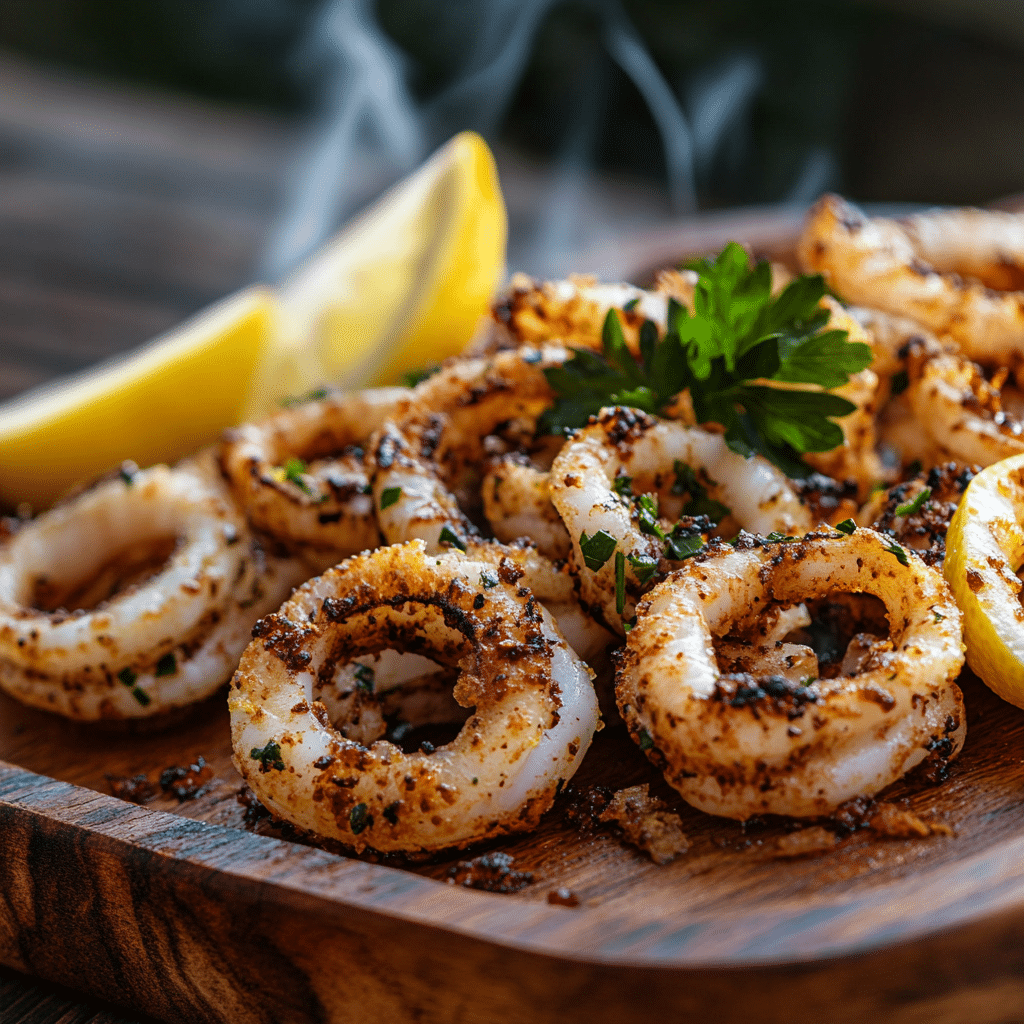
The actual grilling process should be a flurry of activity. Place the squid on the grill and listen for the sizzle. If it doesn’t sizzle aggressively, pull it off and wait for the heat to build. Brush the squid generously with your basting sauce immediately. The oil in the sauce helps conduct heat and prevents sticking.
The Two-Minute Rule: Generally, a medium-sized squid tube needs only about 1 to 2 minutes per side. Watch the color of the flesh closely. It will transition from translucent to opaque white. The moment it turns opaque, it is done. Do not wait for it to feel firm; if it feels firm to the touch on the grill, it is likely already overcooked.
During the grilling process, keep basting. The evaporation of moisture from the sauce keeps the surface temperature slightly lower than the grill heat, protecting the delicate proteins while the sugars caramelize. This layering of sauce builds a complex flavor profile that penetrates the scored cuts you made earlier.
Avoid overcrowding the grill. If you pack too many squid pieces together, the temperature of the grill drops, and the moisture released from the squid creates a steam bath. Steamed squid is not only rubbery but lacks the distinct smoky flavor that defines Cumi Bakar. Cook in batches if necessary to maintain high heat.
Resting meat is a standard practice for steaks, but for squid, it is best served immediately. The residual heat will continue to cook the squid even after it leaves the grill. Serving it straight away ensures you catch it at its peak tenderness. As it cools, the collagen begins to set, and the texture can become chewier.
For a holistic dining experience, pair your tender Cumi Bakar with a spicy Sambal Terasi or Sambal Matah. The heat and acidity of the chili paste cut through the richness of the sweet soy glaze, while the tenderness of the squid provides a pleasant mouthfeel that contrasts with the crunch of fresh vegetables usually served on the side.
To summarize the ‘secrets’ for the perfect, non-rubbery grilled squid: Choose fresh and medium-sized squid, clean and score the flesh, use a gentle tenderizer (milk or brief enzyme exposure), consider a quick blanch for consistency, cook over extremely high heat, and never exceed the optimal cooking time.
By following these professional techniques, you can transform a humble seafood ingredient into a restaurant-quality dish. The fear of ‘alot’ (toughness) will be replaced by the confidence of a master griller, ready to serve Cumi Bakar that melts in the mouth and bursts with smoky, savory flavor.