
This guide is designed for both novice and experienced cooks, providing step-by-step instructions and valuable insights to elevate your culinary skills. We’ll delve into the nuances of gindara preparation, discuss the best frying methods, and explore key factors that contribute to a truly exceptional dish.
Before diving into the frying process, it’s crucial to understand the importance of selecting high-quality gindara. Look for fillets that are firm, have a vibrant color, and possess a fresh, clean scent. Avoid fillets that appear discolored or have a strong, fishy odor, as these may indicate spoilage.
Freshness is paramount when it comes to gindara. If possible, purchase your gindara from a reputable fishmonger or seafood market. Ask about the origin and handling practices to ensure you’re getting the freshest product available.
Proper preparation is the cornerstone of successful frying. Begin by gently patting the gindara fillets dry with paper towels. This crucial step removes excess moisture from the surface, promoting a crispier exterior and preventing splattering during frying.
Next, decide on your preferred seasoning. Simple seasonings often work best with gindara, allowing its natural flavors to shine. Consider a light dusting of salt and freshly ground black pepper. You can also experiment with other spices, such as garlic powder, onion powder, or paprika, to add depth of flavor.
For those who enjoy a more flavorful crust, consider using a light coating of flour or cornstarch. This helps to create a crispy barrier between the fish and the hot oil. A light coating is key; too much flour can result in a thick, gummy crust.
If you choose to use flour or cornstarch, lightly dredge each fillet, ensuring that it’s evenly coated. Shake off any excess flour before frying.
Now, let’s explore the different frying methods suitable for gindara. The most popular options include pan-frying and deep-frying. Each method offers unique advantages and considerations.
Pan-frying is an excellent choice for achieving a crispy exterior and a moist interior. It allows for greater control over the cooking process and is suitable for both small and large fillets.
To pan-fry gindara, heat a generous amount of oil (such as vegetable oil, canola oil, or peanut oil) in a non-stick skillet over medium-high heat. The oil should be hot but not smoking.
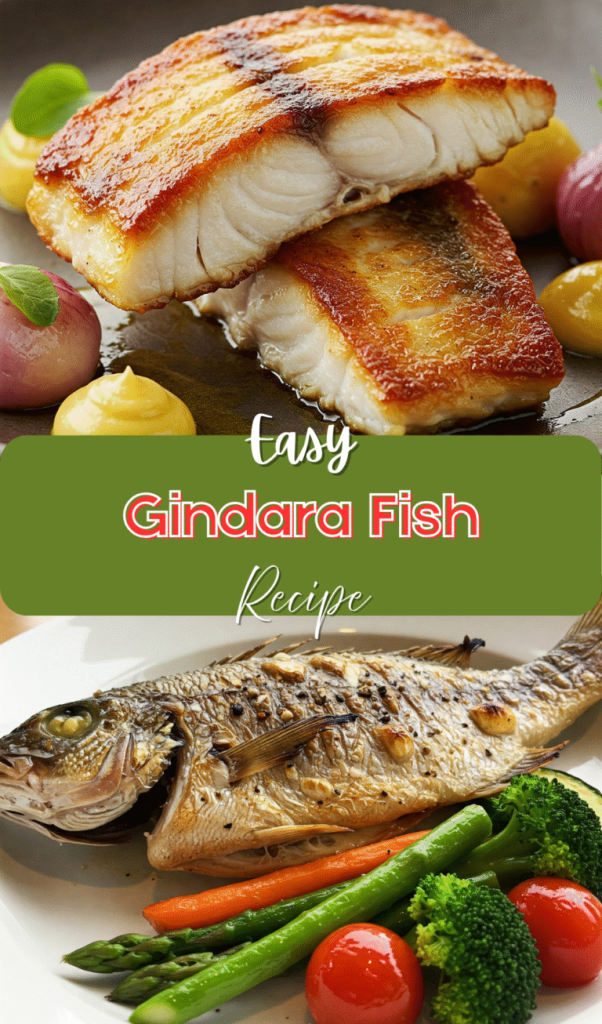
Carefully place the seasoned gindara fillets in the hot oil, ensuring not to overcrowd the pan. Cook for 2-3 minutes per side, or until the exterior is golden brown and crispy, and the fish is cooked through. The internal temperature should reach 145°F (63°C).
Deep-frying offers a quick and effective way to achieve a uniformly crispy exterior. It’s ideal for those who prefer a more indulgent texture.
To deep-fry gindara, heat oil in a deep fryer or a large pot to 350°F (175°C). Carefully lower the gindara fillets into the hot oil, working in batches to avoid overcrowding. Fry for 2-3 minutes, or until the exterior is golden brown and crispy, and the fish is cooked through.
Regardless of the frying method you choose, maintaining the correct oil temperature is crucial. Too low a temperature will result in a soggy, oily fish, while too high a temperature can burn the exterior before the interior is cooked.
Use a deep-fry thermometer to monitor the oil temperature accurately. Adjust the heat as needed to maintain the desired temperature range.
After frying, immediately transfer the gindara fillets to a wire rack or a plate lined with paper towels to drain excess oil. This helps to maintain the crispiness of the exterior.
Oil Selection: Choose an oil with a high smoke point, such as vegetable oil, canola oil, peanut oil, or avocado oil. These oils can withstand high temperatures without breaking down or imparting undesirable flavors.
Oil Temperature: Maintaining the correct oil temperature is paramount. Use a deep-fry thermometer to monitor the temperature and adjust the heat accordingly.
Fillet Thickness: The thickness of the gindara fillets will affect the cooking time. Thicker fillets will require longer cooking times.
Doneness: Cook the gindara until it flakes easily with a fork and the internal temperature reaches 145°F (63°C).
Don’t Overcrowd the Pan: Overcrowding the pan will lower the oil temperature and result in a soggy fish.
Seasoning: Don’t be afraid to experiment with different seasonings to enhance the flavor of the gindara.
Resting: Allow the fried gindara to rest on a wire rack or paper towels to drain excess oil and maintain crispiness.
Serve the fried gindara with a squeeze of fresh lemon juice, a sprinkle of fresh herbs, and a side of your favorite dipping sauce, such as tartar sauce, aioli, or a spicy chili sauce.
Pair the fried gindara with a side of crispy fries, coleslaw, or a fresh green salad for a complete and satisfying meal.
Create a gourmet experience by serving the fried gindara over a bed of creamy risotto or alongside roasted vegetables.
Incorporate the fried gindara into tacos or sandwiches, adding a burst of flavor and texture.
Soggy Fish: If the fish is soggy, the oil temperature was likely too low. Next time, make sure the oil is at the correct temperature before adding the fish. Also, avoid overcrowding the pan and ensure you drain the fried fish on a wire rack after frying.
Dry Fish: Overcooking can lead to dry fish. Monitor the cooking time carefully and remove the fish from the heat as soon as it’s cooked through. Consider using a meat thermometer to ensure the internal temperature reaches 145°F (63°C).
Burnt Exterior: If the exterior is burnt, the oil temperature was likely too high. Reduce the heat and monitor the oil temperature closely.
Oily Fish: If the fish is overly oily, it wasn’t drained properly after frying. Make sure to drain the fish on a wire rack or paper towels.
Rich in Omega-3 Fatty Acids: Gindara is an excellent source of omega-3 fatty acids, which are beneficial for heart health and brain function.
High in Protein: Gindara is a good source of protein, essential for building and repairing tissues.
Versatile: Gindara can be prepared in various ways, making it a versatile ingredient for any kitchen.
Delicious Flavor and Texture: Gindara’s rich, buttery flavor and delicate texture make it a culinary delight.
Conclusion: Frying gindara fish to perfection is an achievable goal with the right techniques and a little practice. By following the tips and instructions outlined in this guide, you can create a restaurant-quality dish that will impress your family and friends. Enjoy the process, experiment with different seasonings, and savor the delicious results!
Remember that the key to success lies in proper preparation, maintaining the correct oil temperature, and avoiding overcrowding the pan. With a little patience and attention to detail, you’ll be well on your way to mastering the art of frying gindara.