
Understanding the Flying Gourami: A Culinary Gem
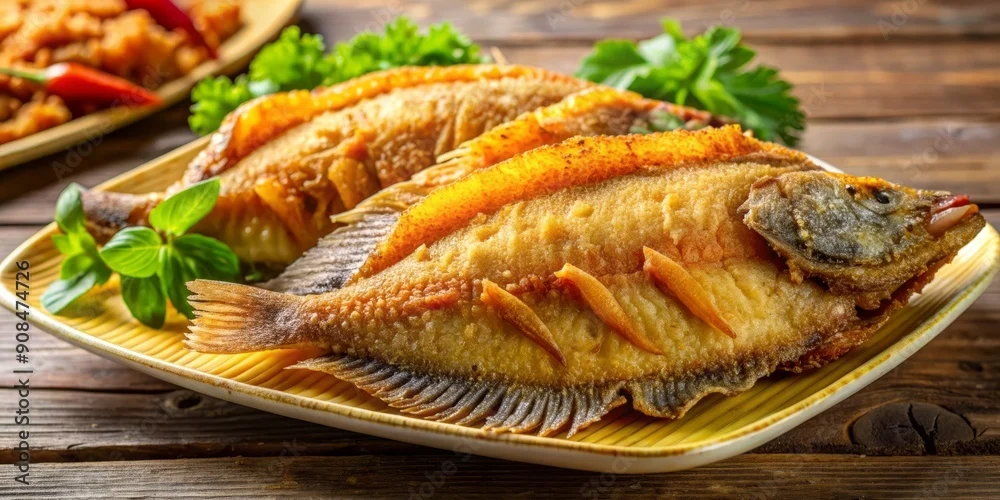
Before diving into the cooking process, it’s essential to understand what makes flying gourami so special. Gourami itself is a freshwater fish with a mild, slightly sweet flavor. The ‘flying’ aspect refers to the way the fish is prepared: it’s meticulously butterflied, creating a large, flat surface area that, when fried, results in an exceptionally crispy texture.
The secret to great flying gourami lies in the preparation and the frying technique. Proper butterflying ensures even cooking and maximum crispiness. The right oil temperature and frying time are crucial for achieving that perfect golden-brown color and irresistible crunch.
Sourcing and Selecting Your Gourami
The first step to a successful flying gourami dish is selecting the right fish. Look for fresh gourami with bright, clear eyes and firm flesh. A fish that smells fresh and clean is a good indicator of quality. Size matters too; a medium-sized gourami (around 500-700 grams) is ideal for easy handling and even cooking.
Ideally, purchase your gourami from a reputable fishmonger who can clean and scale the fish for you. However, if you need to do it yourself, use a fish scaler or the back of a knife to remove the scales, working from the tail towards the head. Rinse the fish thoroughly under cold running water.
Mastering the Butterfly Cut: The Art of ‘Flying’
-
Prepare your workstation: Place the cleaned and scaled gourami on a cutting board. Ensure you have a sharp filleting knife.
-
Make the initial cut: Starting from the head, make a deep incision along the backbone of the fish, cutting towards the tail. Be careful not to cut all the way through the belly.
-
Open the fish: Gently open the fish like a book, spreading the two halves apart. You’ll notice the rib bones attached to the spine. Use the knife to carefully detach the rib bones from the spine on both sides.
-
Remove the spine: Once the rib bones are detached, carefully remove the entire spine. You can use your fingers or the knife to help with this process.
-
Flatten the fish: Place the butterflied gourami skin-side down on the cutting board. Use the flat side of your knife or a meat mallet to gently pound the fish, ensuring it’s evenly flattened. This helps with even cooking and crisping.
-
Score the flesh: Lightly score the flesh of the fish in a criss-cross pattern. This helps to tenderize the fish and allows the marinade to penetrate deeper.
Preparing the Marinade: Infusing Flavor
-
2 tablespoons of ground coriander
-
1 tablespoon of ground turmeric
-
4 cloves of garlic, minced
-
2 shallots, minced
-
1 inch of ginger, grated
-
1 teaspoon of salt
-
1/2 teaspoon of white pepper
-
2 tablespoons of lime juice
Combine all the ingredients in a bowl and mix well. Generously rub the marinade all over the butterflied gourami, ensuring it covers every nook and cranny. Allow the fish to marinate for at least 30 minutes, or preferably for 1-2 hours in the refrigerator. The longer it marinates, the more flavorful it will become.
The Frying Process: Achieving Maximum Crispiness
-
Choose the right oil: Use a neutral-flavored oil with a high smoke point, such as vegetable oil, canola oil, or peanut oil. Avoid using olive oil, as it has a lower smoke point and can impart an undesirable flavor.
-
Use a large wok or deep fryer: You’ll need enough oil to fully submerge the gourami. A wok is ideal because its sloping sides help to contain splattering oil.
-
Heat the oil: Heat the oil over medium-high heat to around 350°F (175°C). Use a thermometer to ensure the oil is at the correct temperature. If you don’t have a thermometer, you can test the oil by dropping a small piece of bread into it. If the bread turns golden brown in about 30 seconds, the oil is ready.
-
Carefully place the gourami in the oil: Gently lower the marinated gourami into the hot oil, skin-side down first. Be careful to avoid splashing the hot oil.
-
Fry until golden brown and crispy: Fry the gourami for about 5-7 minutes on each side, or until it’s golden brown and incredibly crispy. Use a slotted spoon to occasionally baste the fish with the hot oil, which helps to crisp it up even more.
-
Remove and drain: Once the gourami is cooked, carefully remove it from the oil using a slotted spoon. Place it on a wire rack lined with paper towels to drain excess oil. This helps to maintain its crispiness.
Tips for Extra Crispiness
-
Pat the fish dry: Before marinating, pat the gourami dry with paper towels. This helps the marinade adhere better and reduces excess moisture during frying.
-
Coat with tapioca starch (optional): For an even crispier crust, lightly dust the marinated gourami with tapioca starch or cornstarch before frying. This helps to absorb moisture and create a super-crispy coating.
-
Double frying: For the ultimate crispiness, try double frying the gourami. After the first frying, let the fish cool slightly, then fry it again for a shorter time (about 2-3 minutes per side) at a slightly higher temperature.
-
Don’t overcrowd the wok: Fry the gourami one piece at a time to ensure the oil temperature remains consistent and the fish cooks evenly.
Serving Suggestions: Complementing the Crispy Goodness
-
Sambal: A spicy chili paste is a must-have accompaniment. Sambal terasi (shrimp paste sambal), sambal bawang (shallot sambal), or sambal matah (raw shallot and lemongrass sambal) are all excellent choices.
-
Steamed rice: Fluffy steamed rice is the perfect base for the crispy gourami and flavorful sambal.
-
Fresh vegetables: Serve with fresh vegetables such as cucumber slices, lettuce leaves, and cherry tomatoes for a refreshing contrast to the richness of the fish.
-
Tofu and tempeh: Fried tofu and tempeh are common side dishes that add protein and texture to the meal.
-
Sweet soy sauce (kecap manis): A drizzle of sweet soy sauce can add a touch of sweetness and umami to the dish.
Variations and Adaptations: Exploring Different Flavors
-
Spicy marinade: Add chili peppers or chili powder to the marinade for a spicy kick.
-
Lemon grass and galangal marinade: Add lemon grass and galangal to the marinade for a more aromatic flavor.
-
Honey garlic glaze: After frying, brush the gourami with a honey garlic glaze for a sweet and savory twist.
-
Salted egg yolk sauce: Coat the fried gourami with a creamy salted egg yolk sauce for a decadent treat.
Troubleshooting: Common Issues and Solutions
-
Fish is not crispy enough: Ensure the oil is hot enough and the fish is patted dry before frying. Consider double frying for extra crispiness.
-
Fish is burning: Reduce the heat and fry for a shorter time. Make sure the oil isn’t too hot to begin with.
-
Fish is sticking to the wok: Use a well-seasoned wok or a non-stick pan. Ensure the oil is hot enough before adding the fish.
-
Marinade is too salty: Reduce the amount of salt in the marinade. You can also add a touch of sugar to balance the flavors.
Health Benefits of Gourami
Beyond its delicious taste, gourami offers several health benefits. It’s a good source of protein, omega-3 fatty acids, and essential vitamins and minerals. Protein is essential for building and repairing tissues, while omega-3 fatty acids are beneficial for heart health. Gourami is also relatively low in fat and calories, making it a healthy choice for a balanced diet.
Conclusion: Mastering the Art of Flying Gourami
Creating perfectly crispy flying gourami is an art that combines technique, patience, and a love for good food. By following this comprehensive guide, you’ll be well on your way to mastering this iconic dish. From selecting the freshest gourami to perfecting the butterfly cut and achieving that golden-brown crispiness, every step is crucial for creating a culinary masterpiece. So, gather your ingredients, sharpen your knives, and embark on a culinary adventure that will delight your senses and impress your guests. Selamat makan! (Enjoy your meal!)
A Note on Sustainability
When sourcing gourami, consider its origin and farming practices. Opt for gourami that is sustainably farmed to minimize environmental impact. Look for certifications or labels that indicate responsible aquaculture practices.
Storing Leftovers
While flying gourami is best enjoyed fresh, leftovers can be stored in the refrigerator for up to 2 days. To reheat, bake in a preheated oven at 350°F (175°C) until warmed through. Reheating in the oven helps to maintain some of the crispiness. Avoid microwaving, as it can make the fish soggy.
Flying Gourami Around the World
While originating in Southeast Asia, flying gourami has gained popularity in other parts of the world. Many Asian restaurants in North America, Europe, and Australia now feature this dish on their menus. The dish has been adapted to suit local tastes, with variations incorporating different spices and sauces.
Equipment Checklist for Flying Gourami
-
Cutting board
-
Sharp filleting knife
-
Fish scaler (optional)
-
Mixing bowl
-
Wok or deep fryer
-
Thermometer
-
Slotted spoon
-
Wire rack
-
Paper towels
The Importance of Fresh Ingredients
Using fresh ingredients is paramount for achieving the best flavor in your flying gourami. Freshly ground spices, freshly squeezed lime juice, and locally sourced vegetables will elevate the dish to a whole new level. Don’t compromise on quality when it comes to your ingredients.
Serving Flying Gourami at Parties
Flying gourami is an excellent dish to serve at parties and gatherings. Its impressive presentation and delicious flavor make it a crowd-pleaser. Consider preparing a large platter of flying gourami with an assortment of sambals and side dishes for your guests to enjoy.
Conclusion: Your Journey to Crispy Perfection
With this comprehensive guide, you are now equipped with the knowledge and skills to create perfectly crispy flying gourami. Remember to practice the butterfly cut, master the frying technique, and experiment with different variations to find your own signature style. Enjoy the journey, and happy cooking!