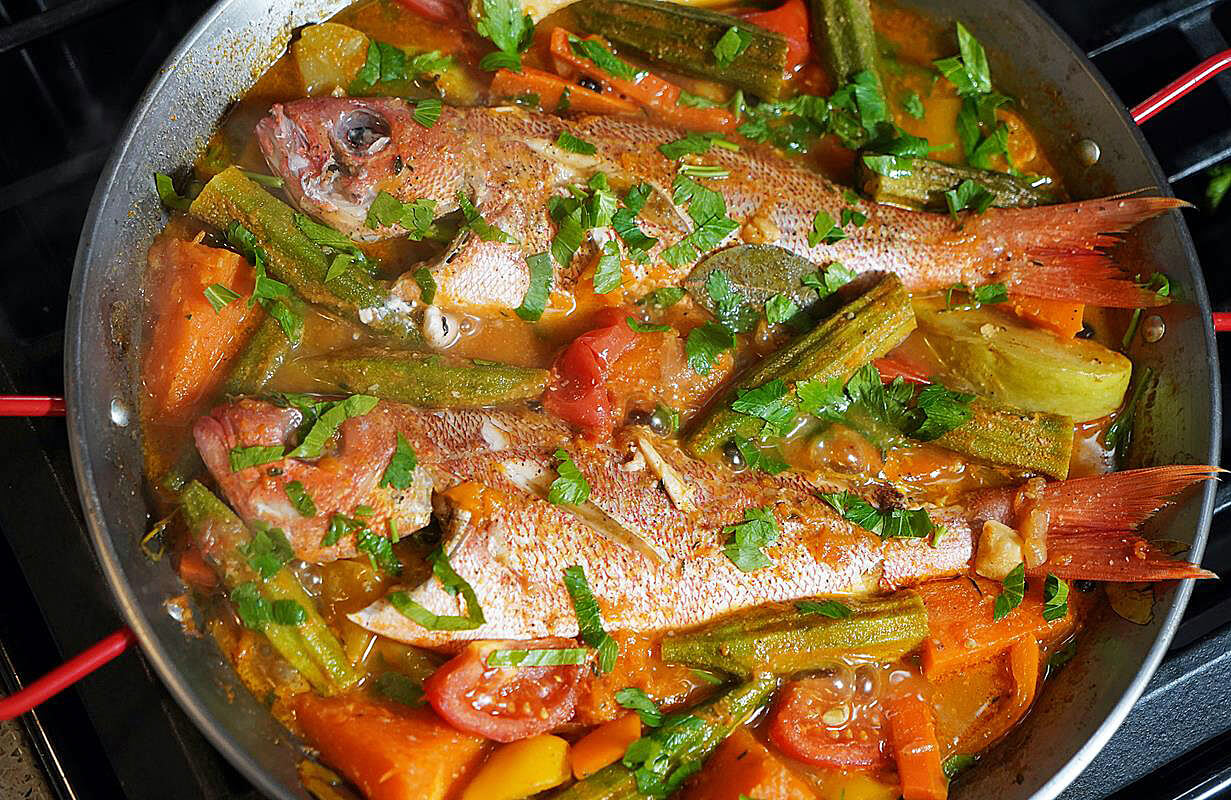
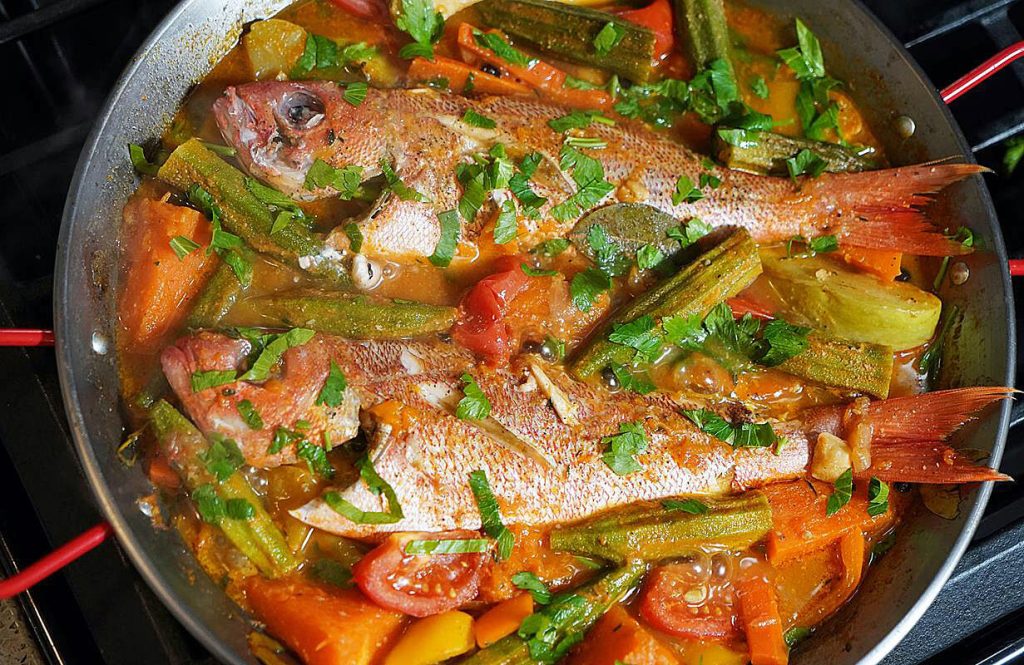

The allure of steamed dishes extends beyond their deliciousness; they are inherently healthy, preserving the natural nutrients and delicate textures of the ingredients. Steaming requires minimal oil, making it an excellent choice for those seeking lighter, yet incredibly flavorful, meal options. It allows the inherent qualities of the fish and the intricate spice paste to shine through without being overshadowed by heavy frying.
However, a common challenge many home cooks face when preparing fish, especially steamed varieties, is the persistent fishy odor. This distinct smell can deter even the most enthusiastic diners and often leads to an unsatisfactory culinary outcome. Achieving a truly odor-free steamed fish requires more than just cooking; it demands a meticulous approach to preparation and an understanding of the ingredients.
This comprehensive guide is crafted to demystify the process of creating a flawless Kakap Merah Bumbu Kuning that is entirely free from any unpleasant fishy aroma. We will delve into every critical step, from selecting the freshest red snapper and employing strategic cleaning techniques to mastering the art of the yellow spice paste and perfecting the steaming method. Our goal is to empower you to prepare a dish that is not only delicious but also wonderfully aromatic, a testament to expert culinary skill.
Red Snapper (Kakap Merah) is an exceptional choice for steaming due to its firm, white, flaky flesh and mild flavor. Its robust texture holds up well to the steaming process, absorbing the rich flavors of the bumbu kuning without falling apart. Furthermore, its inherent sweetness complements the savory and aromatic spice blend beautifully, creating a harmonious taste profile that is both comforting and exotic.
Beyond its delightful taste and texture, Red Snapper is a nutritional powerhouse. It is an excellent source of lean protein, essential for muscle repair and growth. Rich in Omega-3 fatty acids, it contributes significantly to heart health, brain function, and reducing inflammation. Steaming further enhances its health benefits by avoiding the addition of unhealthy fats often associated with other cooking methods.
At the heart of this dish lies the Bumbu Kuning, or Yellow Spice Paste. This vibrant, aromatic blend is what gives the dish its characteristic golden hue and complex flavor profile. It is a symphony of fresh turmeric, ginger, galangal, candlenut, shallots, and garlic, often enriched with aromatic leaves like lemongrass, kaffir lime, and bay leaves. Each ingredient plays a crucial role, contributing layers of flavor and aroma.
The key ingredients in Bumbu Kuning are not merely flavor enhancers; many also possess natural deodorizing properties. Turmeric, the star ingredient, provides the signature color and a subtle earthy note, while also acting as a potent antioxidant and anti-inflammatory agent. Ginger and galangal lend a spicy, pungent warmth that cuts through any potential fishiness, adding depth and freshness to the overall aroma.
To effectively eliminate fishy odors, it is important to understand their origin. The ‘fishy’ smell primarily comes from trimethylamine oxide (TMAO), which is naturally present in marine fish. Once the fish dies, bacteria on its surface and in its gut convert TMAO into trimethylamine (TMA), which has a strong, unpleasant odor. Our preparation techniques are specifically designed to neutralize or remove these compounds.
Step 1: Selecting the Freshest Fish. The journey to an odor-free dish begins at the fish market. Always prioritize freshness. Look for a Red Snapper with clear, bright, bulging eyes, not sunken or cloudy. The gills should be a vibrant red or pink, free from slime. The skin should be shiny and moist, with scales tightly adhering to the body. Pressing the flesh should leave no indentation; it should spring back immediately.
Sourcing your Red Snapper from a reputable fishmonger or market is paramount. Establish a relationship with your supplier and ask about the fish’s origin and catch date. Freshly caught fish, handled properly from sea to market, will naturally have less potential for developing strong odors, making your task significantly easier.
Step 2: Meticulous Cleaning. This step is non-negotiable for eliminating odors. Start by thoroughly descaling the fish under running water. Ensure every scale is removed, as they can harbor bacteria. Next, make a precise incision along the belly to remove all internal organs. This must be done carefully to avoid rupturing the bile sac, which can impart a bitter taste.
The significance of cleaning the fish’s cavity cannot be overstated. After removing the guts, use a spoon or your fingers to meticulously scrape away any dark membrane or bloodline along the backbone. These areas are prime spots for blood clots and bacteria, which are major contributors to fishy smells. Rinse the cavity repeatedly under cold running water until it is impeccably clean and free of any discoloration.
Step 3: Scoring the Fish. Once cleaned, score the fish deeply on both sides, making diagonal cuts about 1-2 inches apart. These scores serve multiple purposes: they allow the heat to penetrate more evenly, ensuring the fish cooks through without drying out the exterior, and critically, they provide channels for the odor-neutralizing marinade and the bumbu kuning to infuse deeply into the flesh.
Step 4: The Odor-Neutralizing Marinade (Pre-Steaming). This is a crucial step that sets the foundation for an odor-free dish. After cleaning and scoring, generously rub the fish inside and out with freshly squeezed lemon or lime juice. The acidity in citrus fruits effectively neutralizes alkaline TMA, the compound responsible for the fishy smell. Let it sit for about 10-15 minutes, then rinse thoroughly with cold water to remove any acidic residue.
Following the citrus rinse, a light application of salt is beneficial. Rub a small amount of coarse sea salt over the fish, both inside the cavity and on the scored skin. Salt not only seasons the fish but also helps to firm up the flesh and draw out any remaining impurities or excess moisture, further contributing to a cleaner flavor profile.
To further combat odors and introduce foundational flavors, prepare a simple paste of finely grated fresh ginger and a pinch of turmeric powder. Rub this paste generously over the entire fish, ensuring it penetrates the scored cuts and the cavity. Ginger is a powerful natural deodorizer, and turmeric adds an earthy aroma while beginning the yellow color infusion.
The detailed procedure for applying this initial marinade involves first patting the fish completely dry after the citrus rinse. Then, gently but firmly massage the ginger-turmeric-salt mixture into the fish. Ensure even coverage, paying special attention to the scored areas and the belly cavity. This step is not just about odor elimination; it’s about building layers of clean, fresh flavor.
Allow the fish to marinate with this ginger-turmeric-salt mixture for at least 30 minutes in the refrigerator. For larger fish or a more pronounced effect, you can extend this marination to up to an hour. This time allows the natural deodorizers to work their magic and the initial flavors to penetrate the fish’s flesh, preparing it for the main bumbu kuning.
Ingredients for the Authentic Bumbu Kuning. To create a truly authentic and aromatic yellow spice paste, gather the freshest ingredients:
- 8-10 shallots, peeled
- 4-5 cloves garlic, peeled
- 3-4 cm fresh turmeric, peeled
- 3-4 cm fresh ginger, peeled
- 3-4 cm fresh galangal, peeled
- 3-4 candlenuts, lightly toasted
- 1 tsp coriander powder (or 1 tbsp fresh coriander seeds, toasted)
- 1/2 tsp white pepper powder
- Salt to taste
Beyond the core spice paste, several aromatic leaves and stalks are essential for the bumbu kuning‘s full flavor profile:
- 2 stalks lemongrass, bruised
- 3-4 kaffir lime leaves, torn
- 2-3 salam leaves (Indonesian bay leaves)
- 1-2 fresh red chilies (optional, for heat)
- 1-2 tomatoes, sliced (for steaming)
- A handful of fresh basil or coriander leaves (for garnish)
These ingredients add layers of fragrance and subtle notes that elevate the dish.
Preparing the fresh roots like turmeric, ginger, and galangal involves peeling them thoroughly. For turmeric, wear gloves to prevent staining. Candlenuts should be lightly toasted in a dry pan for a few minutes until fragrant to enhance their flavor and ensure they are safe for consumption, as raw candlenuts contain a mild toxin.
Step 5: Crafting the Bumbu Kuning Paste. Combine all the solid spice ingredients (shallots, garlic, turmeric, ginger, galangal, candlenuts, coriander powder, white pepper) in a food processor or blender. Add a small amount of water or cooking oil to aid in blending. Process until a very fine, smooth paste is achieved. Traditionally, this is done using a mortar and pestle, which yields a more textured paste and arguably a deeper flavor.
Step 6: Sautéing the Bumbu Kuning. This step is absolutely critical for developing the full flavor and aroma of the spice paste. Heat 2-3 tablespoons of cooking oil in a pan over medium-low heat. Add the blended bumbu kuning paste, along with the bruised lemongrass, torn kaffir lime leaves, and salam leaves. Sauté patiently, stirring constantly, until the paste is intensely fragrant and the oil begins to separate from the paste, indicating it is well-cooked. This usually takes 10-15 minutes.
Tips for proper sautéing of the bumbu kuning involve maintaining a consistent low to medium heat. Rushing this process will result in a raw, unharmonious flavor. The goal is to cook out any raw taste from the fresh spices and allow their essential oils to release and meld together. The paste will darken slightly and become thicker, signaling its readiness. This cooked paste is the foundation of your dish’s incredible taste.
Step 7: Assembling the Steamer. Prepare your steaming apparatus. If using a multi-tiered steamer, ensure the water in the bottom pot is sufficient. Line the steamer basket with a few pieces of banana leaves, if available, as they impart a subtle aroma and prevent the fish from sticking. If banana leaves are not available, parchment paper or a heat-proof plate can be used.
Create an aromatic bed for the fish by arranging a few slices of ginger, bruised lemongrass stalks, kaffir lime leaves, and salam leaves directly on the banana leaf or plate in the steamer basket. This layer not only prevents the fish from sticking but also infuses it with additional fragrance from the bottom up during steaming, further enhancing the odor-free quality.
Carefully place the pre-marinated and cleaned red snapper on top of this aromatic bed. Ensure the fish lies flat and is well-supported. If you have a large fish, you might need to use an oval-shaped steamer or cut the fish into manageable portions, although steaming it whole often results in a more impressive presentation.
Generously apply the sautéed Bumbu Kuning paste over and inside the scored cuts of the red snapper. Ensure the paste is evenly distributed, allowing its rich flavors to penetrate every part of the fish. You can also stuff some of the paste into the fish’s cavity for an intensified internal flavor profile.
For added flavor, color, and freshness, you can place sliced tomatoes, fresh red chilies (if using), and some spring onion segments around and on top of the fish before steaming. These ingredients will gently cook and release their juices, complementing the rich spice paste and adding visual appeal to the final dish.
Step 8: The Steaming Process. Before placing the steamer basket with the fish, ensure the water in the bottom pot of your steamer is at a rolling boil. A strong, consistent steam is crucial for quick, even cooking and to prevent the fish from drying out. Using a wide, deep pot for the water will help maintain the boil throughout the steaming duration.
Carefully place the steamer basket containing the fish over the boiling water. Immediately cover the steamer tightly with its lid. A tight seal is paramount to trap the steam effectively, ensuring the fish cooks uniformly and retains its moisture. Avoid lifting the lid frequently, as this releases steam and prolongs the cooking time.
The steaming duration will vary depending on the size and thickness of your red snapper. As a general guideline, a whole fish weighing around 500-700 grams typically requires 15-20 minutes of steaming. For larger fish (1 kg or more), it might take 25-35 minutes. Always err on the side of slightly undercooking, as fish continues to cook slightly after being removed from heat.
To check for doneness, gently flake the thickest part of the fish with a fork or a small knife. The flesh should be opaque throughout and separate easily. If it still appears translucent or resists flaking, continue steaming for a few more minutes. Overcooking will result in dry, tough fish, so vigilance is key.
Avoiding overcooking is vital for a succulent steamed fish. Once the fish is opaque and flakes easily, remove it immediately from the steamer. The residual heat will continue to cook it slightly, ensuring it reaches perfect tenderness without becoming dry or rubbery. A perfectly steamed fish is moist, tender, and effortlessly flakes off the bone.
Serving Your Masterpiece. Once steamed to perfection, carefully transfer the Red Snapper with its aromatic bumbu kuning to a serving platter. Garnish generously with freshly chopped coriander leaves, sliced spring onions, and perhaps a few extra kaffir lime leaves for visual appeal and a burst of freshness. The vibrant colors will make your dish even more inviting.
This exquisite dish is best enjoyed immediately, served hot with a steaming bowl of fluffy white rice. The rice acts as a perfect canvas, soaking up the rich, savory, and slightly spicy juices from the fish and its yellow spice paste. For those who enjoy a little extra kick, a side of homemade sambal terasi or fresh chili slices can elevate the experience.
Troubleshooting: What if it’s still fishy? If, despite your best efforts, your fish still retains a hint of fishiness, revisit your initial cleaning and marination steps. Ensure you thoroughly cleaned the cavity, removed all bloodlines, and applied the citrus and ginger-turmeric marinade for sufficient time. The quality of the fresh fish itself also plays a significant role; always prioritize freshness.
Troubleshooting: Bumbu not flavorful enough? If the bumbu kuning lacks depth, it’s likely due to insufficient sautéing. The sautéing process is crucial for cooking out the raw taste of the spices and allowing their flavors to fully develop and meld. Ensure you cook the paste slowly over medium-low heat until the oil separates and it becomes intensely fragrant.
Troubleshooting: Dry or tough fish? This is almost always a sign of overcooking. Adjust your steaming time based on the fish’s size. Remember that the fish continues to cook with residual heat after being removed from the steamer. Practice will help you gauge the perfect cooking time for your specific fish and steamer setup.
Health Benefits Revisited: The synergy between Red Snapper and Bumbu Kuning makes this dish exceptionally healthy. The fish provides high-quality protein and Omega-3s, vital for cardiovascular and cognitive health. Turmeric, the star of the yellow spice, is a potent anti-inflammatory and antioxidant, known for its myriad health benefits, including supporting digestion and boosting immunity.
Turmeric’s active compound, curcumin, has been extensively studied for its powerful anti-inflammatory and antioxidant effects. When combined with other spices like ginger and garlic, its benefits are amplified, turning a delicious meal into a truly nourishing experience that supports overall well-being.
Variations and Customizations: While the traditional recipe is superb, feel free to personalize it. You can add other vegetables like sliced carrots, bell peppers, or green beans to the steamer for extra nutrients and color. These can be placed around the fish during the last few minutes of steaming to ensure they remain crisp-tender.
Adjusting the spice levels is also easy. For more heat, increase the amount of fresh red chilies in your bumbu kuning or add sliced bird’s eye chilies to the steaming liquid. For a milder version, omit the chilies entirely. You can also experiment with other fresh herbs like Thai basil or cilantro for different aromatic nuances.
While Red Snapper is ideal, this steaming technique and bumbu kuning recipe can be adapted for other types of white-fleshed fish, such as Barramundi, Grouper, or even Tilapia. The key remains the meticulous cleaning and odor-neutralizing steps, ensuring any fish you choose emerges fragrant and delicious.
Expert Tips for Culinary Success:
- Always use fresh ingredients: The quality of your fish and spices directly impacts the final taste.
- Don’t rush the preparation: Each step, especially cleaning and sautéing the bumbu, is crucial.
- Taste and adjust: Season your bumbu kuning and the fish to your preference.
- Practice makes perfect: Don’t be discouraged if your first attempt isn’t flawless. Each try will refine your skills.
- Serve immediately: Steamed fish is best enjoyed piping hot to appreciate its delicate flavors and moist texture.
Embarking on the journey to master Steamed Red Snapper with Yellow Spice is a rewarding culinary experience. It teaches patience, precision, and an appreciation for the intricate flavors of Indonesian cuisine. The satisfaction of presenting a healthy, delicious, and, most importantly, odor-free dish to your family and friends is truly unparalleled.
With this detailed guide, you now possess the knowledge and techniques to confidently prepare Kakap Merah Bumbu Kuning that will impress even the most discerning palates. Say goodbye to fishy odors and embrace the vibrant, aromatic perfection of this classic Indonesian dish. Enjoy the process, savor the flavors, and delight in your culinary achievement!