
The journey to becoming a Master Chef, particularly through the lens of preparing Lobster Thermidor, is one of dedication. It requires an unwavering commitment to sourcing the finest ingredients, meticulous attention to detail at every stage, and the courage to imbue the dish with a personal touch while respecting its classic heritage. This article will guide you through the intricate steps, potential pitfalls, and nuanced techniques required to conquer this iconic dish.
Lobster Thermidor boasts a rich history, believed to have originated in Paris in 1894 at the renowned Marie’s restaurant, coinciding with the opening of Victorien Sardou’s play ‘Thermidor’. This classic French dish quickly gained popularity, becoming a staple in high-end establishments and a symbol of luxury dining. Its enduring appeal lies in the sophisticated combination of succulent lobster meat with a creamy, rich sauce, all encased within its own shell.
The essence of Lobster Thermidor lies in its harmonious blend of flavors and textures. It is a dish that demands respect for its primary ingredient – the lobster – ensuring its natural sweetness shines through, complemented by a complex yet balanced sauce that features mustard, brandy or cognac, and a medley of other aromatic ingredients. It’s a dish that celebrates both simplicity and extravagance.
Before embarking on the cooking process, the selection of your lobster is paramount. A truly exceptional Lobster Thermidor begins with exceptionally fresh lobster. Look for lobsters that are lively and active, with hard shells. The weight should feel substantial for its size, indicating a healthy, well-fed crustacean. Typically, a 1.5 to 2-pound lobster is ideal for a single serving, offering a good balance of meat and flavor.
When selecting, consider the type of lobster. While American (Maine) and Canadian lobsters are common and excellent choices, some chefs prefer spiny lobsters for their firmer meat, though they lack the large claws. Regardless of type, freshness is non-negotiable. A vibrant, ocean-like aroma is a good indicator, whereas any hint of fishiness suggests an older, less desirable specimen.
The humane preparation of the lobster is a crucial first step. Many chefs opt for a quick plunge into boiling water for a minute or two to stun the lobster, or chilling it in the freezer for 15-20 minutes before halving it. This minimizes stress to the animal and ensures the meat remains tender. Once stunned, carefully split the lobster lengthwise down the center of its underside, from head to tail, using a heavy, sharp chef’s knife.
After splitting, remove the stomach sac (located behind the eyes) and the intestinal tract (a dark vein running down the tail). Some chefs also remove the tomalley (green liver) and roe (coral-colored eggs), while others choose to incorporate them into the sauce for added richness and flavor. This is a matter of personal preference and culinary tradition.
The next step involves par-cooking the lobster. While some recipes call for boiling, steaming is often preferred as it preserves more of the lobster’s delicate flavor and prevents waterlogging. Steam the halved lobsters flesh-side up for about 5-7 minutes, or until the shells turn bright red and the meat is opaque but still slightly undercooked. Alternatively, a quick grill can impart a smoky depth.
Once par-cooked, allow the lobsters to cool slightly before carefully extracting all the meat from the tail and claws. Be thorough, as even small pieces contribute to the overall dish. Cut the extracted meat into bite-sized chunks, ensuring uniformity for an elegant presentation and consistent texture in every mouthful. Set the cleaned shells aside; these will be the vessels for your Thermidor.
The heart of Lobster Thermidor is its rich, creamy sauce. This begins with a classic béchamel, one of the five mother sauces of French cuisine. Start by melting unsalted butter in a heavy-bottomed saucepan. Whisk in an equal amount of all-purpose flour to create a roux. Cook the roux gently over medium heat for 2-3 minutes, stirring constantly, until it forms a pale, nutty-smelling paste. Avoid browning it, as this will alter the sauce’s color and flavor.
Gradually whisk in warm milk to the roux. The milk should be warm to prevent lumps from forming. Continue whisking vigorously until the sauce thickens and becomes smooth. Season the béchamel generously with salt, white pepper, and a pinch of freshly grated nutmeg. The nutmeg is subtle but essential, adding a warm, aromatic note that complements the richness of the sauce.
Now, the béchamel transforms into the distinctive Thermidor sauce. Remove the béchamel from the heat and stir in a splash of good quality brandy or cognac. The alcohol adds a depth of flavor and a slight sweetness that balances the richness. Follow this with a tablespoon of Dijon mustard, which provides a piquant counterpoint, and a dash of Worcestershire sauce for umami complexity.
Incorporate a selection of cheeses into the sauce. Gruyère is a classic choice, offering a nutty, savory flavor and excellent melting properties. You might also consider a touch of Parmesan for extra saltiness and depth. Stir the cheese in until it is fully melted and integrated, creating a luscious, creamy consistency. Some recipes also call for a touch of heavy cream or egg yolks at this stage for an even richer mouthfeel.
Gently fold the reserved lobster meat into the prepared Thermidor sauce. Ensure the lobster pieces are evenly coated but avoid overmixing, which can break down the delicate meat. This step is about combining, not pulverizing. The goal is to have every piece of lobster bathed in the exquisite sauce, ready to be returned to its shell.
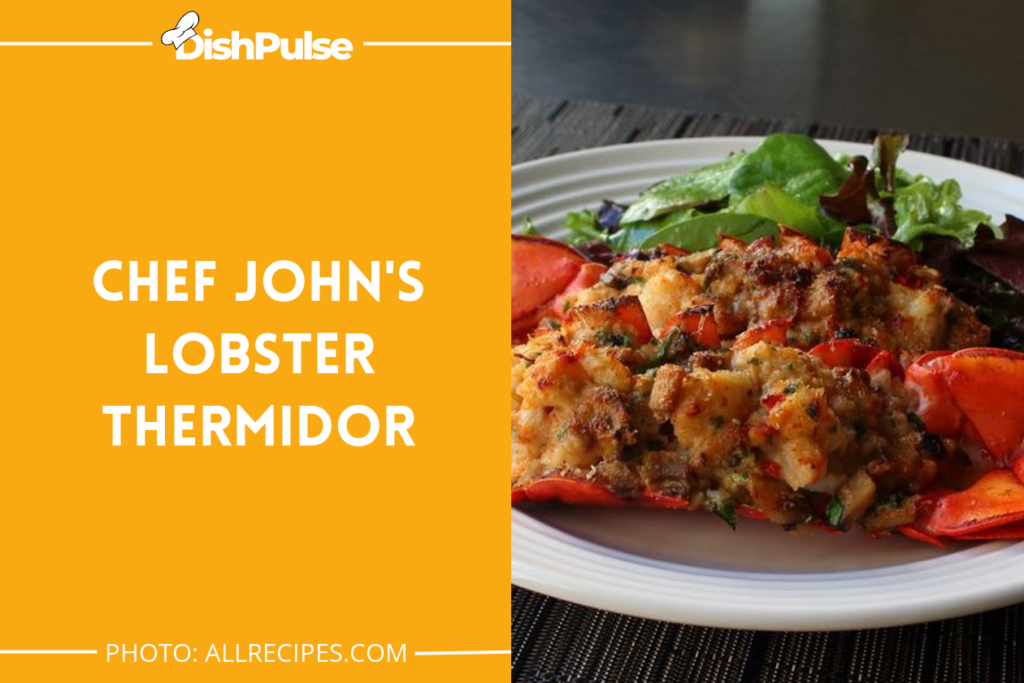
Carefully spoon the lobster and sauce mixture back into the cleaned lobster shells. Take care to fill the shells generously, creating an appealing dome shape. This presentation is part of the dish’s allure, promising a decadent experience before the first bite. Arrange the stuffed shells on a baking sheet, ensuring they are stable.
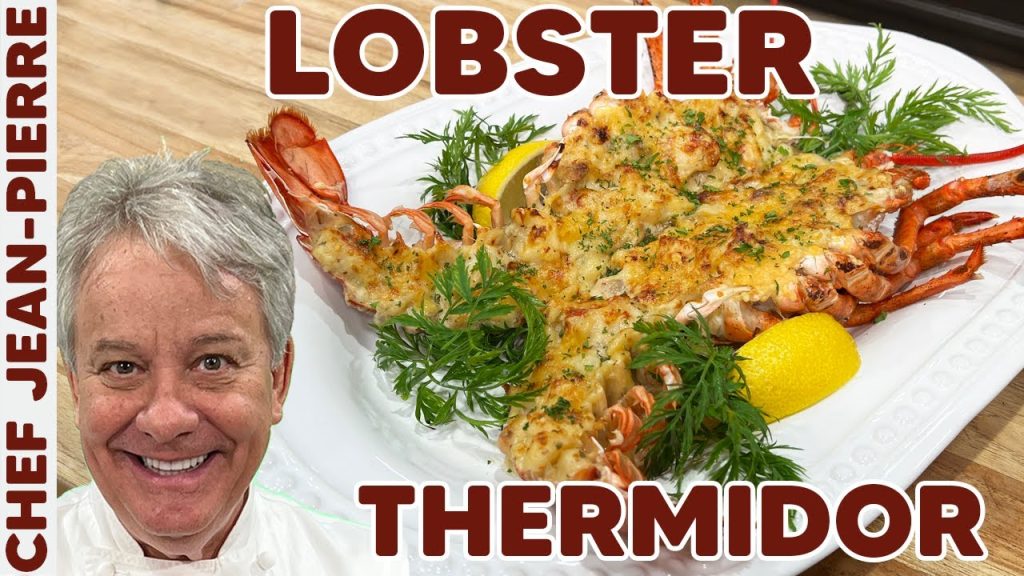
For the final flourish, sprinkle a light layer of grated cheese (such as Gruyère or Parmesan) over the top of each stuffed lobster shell. Some chefs also add a fine dusting of breadcrumbs for an extra textural contrast and a crispier gratinéed finish. This topping will create that beautiful golden-brown crust that defines a perfectly baked Thermidor.
Place the baking sheet with the stuffed lobsters into a preheated oven at approximately 400°F (200°C) or under a broiler. Bake for 10-15 minutes, or broil for 3-5 minutes, until the topping is golden brown and bubbling, and the sauce is heated through. Watch carefully to prevent burning, as cheese can brown quickly under a broiler.
Presentation is key to elevating any dish to Master Chef level. Serve the Lobster Thermidor immediately, perhaps on a bed of fresh greens or with a lemon wedge. A garnish of chopped fresh parsley or chives adds a touch of color and freshness, enhancing its visual appeal. The aroma alone should be enough to captivate your diners.
Common pitfalls in preparing Lobster Thermidor include overcooking the lobster, which results in tough, rubbery meat. To avoid this, par-cook it just until opaque. Another mistake is a lumpy béchamel sauce, which can be prevented by whisking diligently and adding warm milk gradually. Over-seasoning, especially with mustard or brandy, can overpower the delicate lobster flavor, so always taste and adjust gradually.
The balance of flavors is crucial. The richness of the sauce should complement, not mask, the sweetness of the lobster. Ensure the mustard and brandy notes are present but subtle, providing depth without dominance. The cheese should melt seamlessly, contributing to the creaminess without becoming stringy or greasy.
Texture is another vital component. The lobster meat should be tender and succulent, contrasting beautifully with the creamy sauce and the slightly crisp gratinéed topping. Achieving this balance requires precise timing and temperature control during both the par-cooking and final baking stages.
To truly personalize your Lobster Thermidor, consider subtle variations. A pinch of cayenne pepper can add a gentle warmth, while a hint of tarragon or chervil can introduce an herbaceous freshness. Some chefs incorporate finely diced mushrooms or shallots sautéed in butter into the sauce for added complexity.
For a truly indulgent experience, consider adding a spoonful of caviar as a garnish just before serving. The briny pop of the caviar provides an exciting counterpoint to the rich, creamy sauce, adding another layer of luxury and sophistication to the dish.
Pairing Lobster Thermidor with the right beverage enhances the entire dining experience. A crisp, dry white wine such as a Pouilly-Fumé, Sancerre, or a well-oaked Chardonnay complements the richness of the dish beautifully. For those who prefer spirits, a light, dry sherry or even a very dry gin martini can be an interesting pairing.
As for side dishes, keep them light and simple to allow the Lobster Thermidor to remain the star. A simple green salad with a vinaigrette, steamed asparagus, or delicate wild rice pilaf are excellent choices that provide balance without competing for attention.
Beyond the technical execution, a Master Chef approaches every dish with a specific mindset. This includes an unwavering passion for ingredients, a relentless pursuit of perfection, and an artistic vision for presentation. Every element, from the initial cut of the knife to the final placement on the plate, reflects this dedication.
Precision is paramount in French cuisine, and Lobster Thermidor is no exception. Measuring ingredients accurately, controlling cooking temperatures, and timing each step perfectly contribute to a consistent, high-quality result. This discipline is what separates good cooks from great chefs.
The ability to adapt is also a hallmark of a master. Sometimes, an ingredient might not be exactly as expected, or a step might not go perfectly. A true chef knows how to adjust on the fly, making subtle changes to ensure the final product meets their exacting standards, without compromising the integrity of the dish.
Finally, the act of serving Lobster Thermidor is as much a part of the culinary art as its preparation. Presenting the dish with confidence and pride, perhaps with a brief explanation of its components or history, enhances the diner’s appreciation and elevates the meal to an experience.
In conclusion, mastering Lobster Thermidor is more than just following a recipe; it’s an immersive experience in classical French technique, flavor development, and meticulous execution. It challenges your skills, refines your palate, and demands your full attention.
Each successful attempt brings you closer to understanding the nuances of fine dining and the delicate balance required to transform simple ingredients into an extraordinary meal. It’s a dish that, once perfected, becomes a signature, a testament to your culinary prowess.
Embrace the challenge, learn from every attempt, and allow the process of creating this magnificent dish to deepen your appreciation for the art of cooking. The journey to Master Chef status is paved with such culinary triumphs.
So, gather your ingredients, sharpen your knives, and embark on this rewarding culinary adventure. With patience, practice, and passion, you too can achieve the distinction of preparing a truly unforgettable Lobster Thermidor, a dish worthy of any Master Chef.
Remember, the true measure of a Master Chef is not just in their ability to cook, but in their ability to inspire, to create joy through food, and to constantly push the boundaries of what is possible in the kitchen. Lobster Thermidor offers the perfect canvas for such an endeavor.