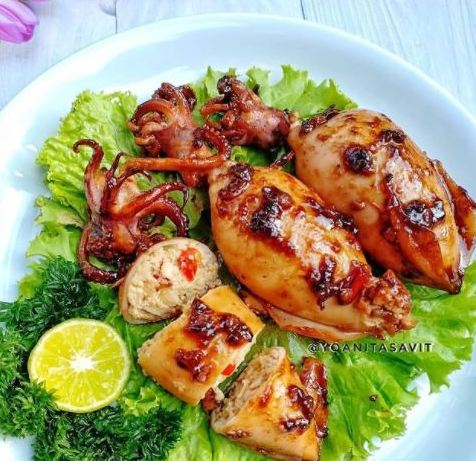
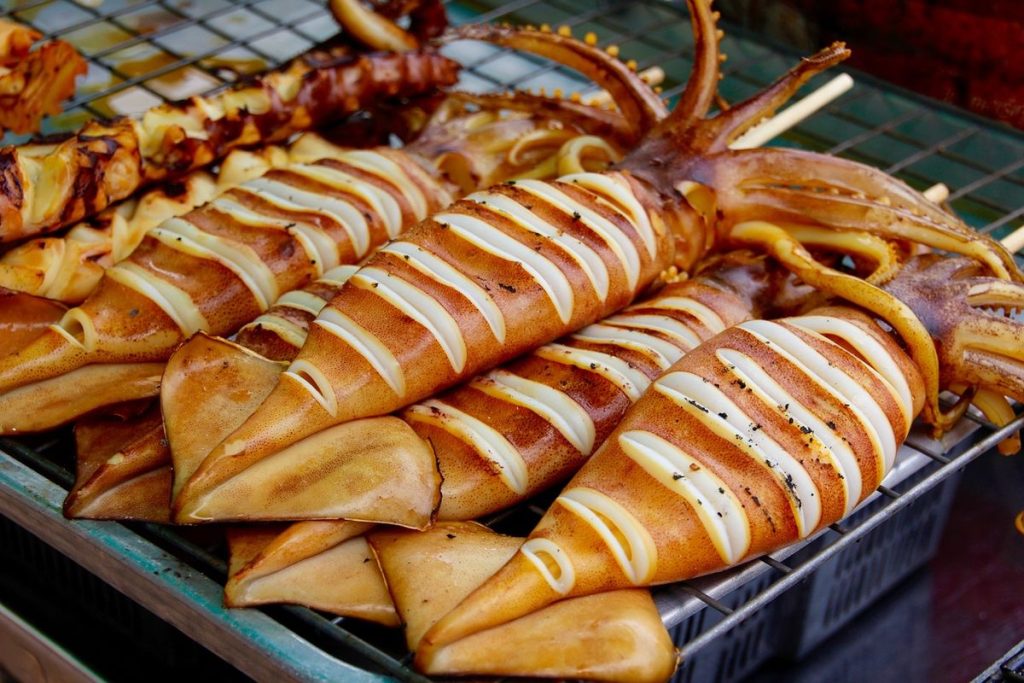

The primary culprit behind tough squid is overcooking. Squid is a lean protein, and like many lean proteins, it cooks very quickly. The window for perfectly cooked squid is narrow. Exceed it, even by a minute or two, and the muscle fibers tighten, resulting in that undesirable chewy texture. Understanding this fundamental principle is the first step towards mastering cumi bakar.
Beyond overcooking, the type and preparation of the squid itself play a crucial role. Freshness is paramount. Opt for squid that has a firm texture, a clean smell (like the ocean, not fishy), and clear, bright eyes. If buying frozen, ensure it has been properly stored and thawed correctly to maintain its integrity.
Cleaning the squid properly is also essential. This involves removing the quill (a transparent, feather-like cartilage), the ink sac, the beak (located at the center of the tentacles), and the innards. While some vendors may offer pre-cleaned squid, it’s often best to do it yourself to ensure all unwanted parts are removed. This not only improves the texture but also the overall flavor.
When preparing squid for grilling, the cut can significantly impact tenderness. Large squid bodies can be cut into rings or scored in a diamond pattern. Scoring helps the squid cook more evenly and allows marinades to penetrate better. Smaller squid, like calamari, can often be grilled whole, but ensuring they are not overcrowded on the grill is key.
Marinades are where the magic truly begins for cumi bakar. A good marinade not only infuses the squid with flavor but can also help tenderize it. The acidic components in marinades, such as lime juice, vinegar, or yogurt, can begin to break down the protein fibers, making the squid more tender. However, marinating for too long in highly acidic mixtures can also ‘cook’ the squid, leading to a mushy texture, so moderation is key.
A classic Indonesian marinade for cumi bakar often includes a blend of aromatics and spices. Common ingredients include garlic, shallots, ginger, turmeric, chili, and lemongrass. Sweetness is often introduced with kecap manis (sweet soy sauce) or palm sugar, which also helps create a beautiful caramelized crust on the grill.
Let’s delve into a foundational marinade. For about 500 grams of cleaned squid, consider mincing 4 cloves of garlic, 2 shallots, and a thumb-sized piece of ginger. Add 1 teaspoon of ground turmeric, 1/2 teaspoon of ground coriander, a pinch of white pepper, and salt to taste. The acidity can come from 2 tablespoons of lime juice. For sweetness and color, incorporate 3 tablespoons of kecap manis and 1 tablespoon of oil (like vegetable or coconut oil) to help distribute the flavors.
The marinating time is a delicate balance. For squid, a shorter marinating period is generally preferred. Aim for 30 minutes to 1 hour at room temperature, or up to 2 hours in the refrigerator. Anything longer, especially with significant acidity, risks compromising the texture. For very quick cooking methods like grilling, a shorter marination is often sufficient to impart flavor without negatively affecting the squid’s structure.
Another effective tenderizing agent, often overlooked, is baking soda. A tiny pinch (about 1/4 teaspoon per pound of squid) mixed into the marinade can work wonders. Baking soda raises the pH of the squid’s surface, which helps to retain moisture and prevent the muscle proteins from tightening excessively during cooking. Rinse the squid thoroughly after marinating if using this method to avoid any residual alkaline taste.
Alternatively, some chefs swear by a quick blanch or parboil before grilling. Briefly immersing the squid in boiling water for 30-60 seconds, then immediately plunging it into ice water (a technique called shocking), can help set the proteins and make them more receptive to grilling without becoming tough. This method requires careful timing to avoid pre-cooking the squid too much.
When it comes to grilling, high heat is your friend. Squid cooks best over a hot grill. This ensures a quick sear, creating a delicious char and smoky flavor without overcooking the interior. Preheating your grill to medium-high heat is crucial.
Don’t overcrowd the grill. Give each piece of squid enough space to cook evenly and develop a good sear. If the grill is too crowded, the squid will steam rather than grill, leading to a less desirable texture and flavor.
Grilling time is incredibly short. For squid rings or scored bodies, expect anywhere from 1 to 3 minutes per side, depending on the thickness and the heat of your grill. Whole small squid will take slightly longer, perhaps 2-4 minutes per side. The squid is done when it turns opaque and curls slightly. It should be firm to the touch but still yield gently.
A visual cue for doneness is the color change. Squid transitions from translucent to opaque white. Watch for slight char marks, which indicate a good sear. If the squid starts to look dry or starts to curl up excessively tightly, it’s likely overcooked.
Resting the squid after grilling is often overlooked but is a vital step for any protein. Even though it cooks quickly, allowing the cumi bakar to rest for a minute or two after removing it from the grill helps the juices redistribute, ensuring maximum tenderness and moisture.
Serving suggestions are as varied as the marinades. Cumi bakar is fantastic served simply with steamed rice and a spicy sambal. It can also be incorporated into salads, pasta dishes, or enjoyed as an appetizer. The versatility of grilled squid makes it a crowd-pleaser for any occasion.
For those who prefer a spicier kick, incorporate bird’s eye chilies (cabe rawit) into the marinade. Adjust the quantity based on your heat tolerance. Fresh chilies offer a brighter, more pungent heat than dried chili powder.
The use of fresh herbs can elevate the flavor profile. Cilantro, parsley, or even Thai basil can be finely chopped and added to the marinade or sprinkled over the grilled squid just before serving. These add a fresh, aromatic counterpoint to the smoky, savory squid.
Lemongrass, when bruised and included in the marinade, imparts a wonderful citrusy fragrance that complements the seafood beautifully. Ensure it’s bruised well to release its oils.
For a richer, more umami-packed marinade, consider adding a touch of fish sauce or shrimp paste (terasi). Use these sparingly, as their flavors are potent, but they can add incredible depth to the cumi bakar.
Don’t be afraid to experiment with different grilling methods. While charcoal grills impart the most authentic smoky flavor, a gas grill or even a cast-iron skillet on the stovetop can yield delicious results. The key remains high heat and quick cooking.
If grilling whole squid, making shallow scores across the body in a crosshatch pattern can help them cook more evenly and prevent them from curling into tight balls, which can lead to uneven cooking.
For calamari rings, ensure they are uniformly sliced. Uneven thicknesses will result in some rings being perfectly cooked while others are overcooked or undercooked.
When basting during grilling, use the reserved marinade or a separate glaze. Apply it towards the end of the cooking process to avoid burning the sugars in the marinade, which can happen if exposed to direct heat for too long.
Consider adding a squeeze of fresh lime or lemon juice just before serving. The bright acidity cuts through the richness and enhances the seafood flavor, making the cumi bakar taste even fresher.
If your squid seems a bit tough despite your best efforts, a quick dip in a flavorful sauce or a light toss with a vinaigrette can often mask minor textural imperfections. This is a great trick for salvaging a dish that didn’t turn out quite as tender as hoped.
The key takeaway is to respect the squid’s delicate nature. It requires high heat, quick cooking, and careful attention to timing. By understanding the science behind its texture and employing the right techniques, you can consistently achieve perfectly tender and flavorful cumi bakar.
Mastering the art of cumi bakar is a rewarding culinary journey. It’s about balancing flavors, understanding cooking times, and respecting the ingredient. With these secrets revealed, you’re well on your way to creating grilled squid that is not only tender and delicious but also a true testament to your cooking prowess.