
Snapper is a remarkably versatile and delicious fish, celebrated for its delicate, flaky white flesh and mild, slightly sweet flavor. It’s firm enough to hold up to various cooking methods, yet tender enough to melt in your mouth. Beyond its fantastic taste, snapper is also a powerhouse of nutrition, packed with lean protein, Omega-3 fatty acids, and essential vitamins and minerals, making it a healthy choice for any meal.
Before diving into the recipes, let’s talk about selecting the freshest snapper. Whether you opt for a whole fish or fillets, look for clear, bright eyes (if whole), vibrant red gills, and firm, shiny skin. The fish should smell like the ocean, not overly ‘fishy.’ For fillets, ensure the flesh is translucent and free of discoloration. Don’t hesitate to ask your fishmonger for advice; they’re a valuable resource!
When buying whole snapper, you might need to scale and gut it yourself, a simple process that becomes easier with practice. Many fishmongers will do this for you. If working with fillets, ensure they are skin-on for pan-searing or grilling, as the skin adds flavor and helps keep the fish intact. Always pat your snapper dry with paper towels before seasoning; this is crucial for achieving a beautiful sear or crispy skin.
The Foundation: Simple Seasoning for Snapper. The beauty of snapper is that it doesn’t need much to shine. A basic seasoning of salt, freshly ground black pepper, a squeeze of lemon juice, and a drizzle of olive oil often suffices. Fresh herbs like dill, parsley, thyme, or cilantro complement its flavor wonderfully. Experiment with garlic powder, onion powder, or a touch of paprika for added depth.
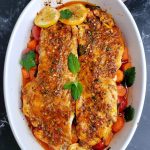
Our first culinary adventure takes us to the oven with a classic and incredibly forgiving method: Baked Lemon Herb Snapper. This recipe is perfect for busy weeknights and yields tender, flaky fish with minimal fuss. It’s a fantastic starting point for anyone new to cooking snapper.
Ingredients for Baked Lemon Herb Snapper:
- 2 snapper fillets (about 6-8 oz each), skin on or off
- 1 tablespoon olive oil
- 1/2 teaspoon salt
- 1/4 teaspoon black pepper
- 1 lemon, half sliced, half for juice
- 2 sprigs fresh dill or parsley, chopped
- Optional: 2 cloves garlic, minced
Step-by-Step Instructions for Baked Lemon Herb Snapper: Preheat your oven to 400°F (200°C). Line a baking sheet with parchment paper for easy cleanup. Pat the snapper fillets dry with paper towels. Place the fillets on the prepared baking sheet. Drizzle with olive oil and season evenly with salt and pepper. If using, sprinkle with minced garlic.
Squeeze fresh lemon juice over the fish, then arrange lemon slices on top of each fillet. Sprinkle with fresh dill or parsley. Bake for 12-15 minutes, or until the fish is opaque and flakes easily with a fork. The cooking time will vary depending on the thickness of your fillets. Serve immediately with your favorite sides.
Expert Tip for Baking: Avoid overcooking! Snapper is best when just cooked through. A good rule of thumb is to cook fish for 10 minutes per inch of thickness at 400°F (200°C). If you have a meat thermometer, the internal temperature should reach 145°F (63°C).
Next up, let’s elevate our snapper game with Pan-Seared Snapper with Zesty Mango Salsa. This dish offers a delightful contrast of crispy skin, tender fish, and a vibrant, sweet-and-tangy salsa that makes it feel like a tropical escape.
Ingredients for Pan-Seared Snapper:
- 2 snapper fillets (6-8 oz each), skin on preferred
- 1 tablespoon olive oil
- 1/2 teaspoon salt
- 1/4 teaspoon black pepper
- Optional: pinch of chili powder or cayenne for a kick
Ingredients for Mango Salsa:
- 1 ripe mango, peeled and diced
- 1/4 red onion, finely diced
- 1/4 cup chopped fresh cilantro
- 1 jalapeño, seeded and minced (optional)
- Juice of 1 lime
- Pinch of salt
Step-by-Step Instructions for Pan-Seared Snapper with Mango Salsa: First, prepare the mango salsa. In a small bowl, combine diced mango, red onion, cilantro, minced jalapeño (if using), lime juice, and a pinch of salt. Stir gently and set aside to allow flavors to meld.
Pat snapper fillets very dry with paper towels. Season both sides generously with salt, pepper, and chili powder (if using). Heat olive oil in a non-stick or cast-iron skillet over medium-high heat until shimmering. Once hot, carefully place the snapper fillets skin-side down in the pan.
Sear for 3-5 minutes until the skin is golden brown and crispy. Do not move the fish during this time. Flip the fillets and cook for another 2-4 minutes, or until cooked through and flaky. The total cooking time will depend on the thickness of your fillets. Serve the pan-seared snapper immediately, topped generously with the fresh mango salsa.
Expert Tip for Pan-Searing: Getting a crispy skin requires a hot pan and dry fish. Don’t overcrowd the pan, as this lowers the temperature and steams the fish instead of searing it. If your fillets are very thick, you can finish them in a preheated oven for a few minutes after searing.
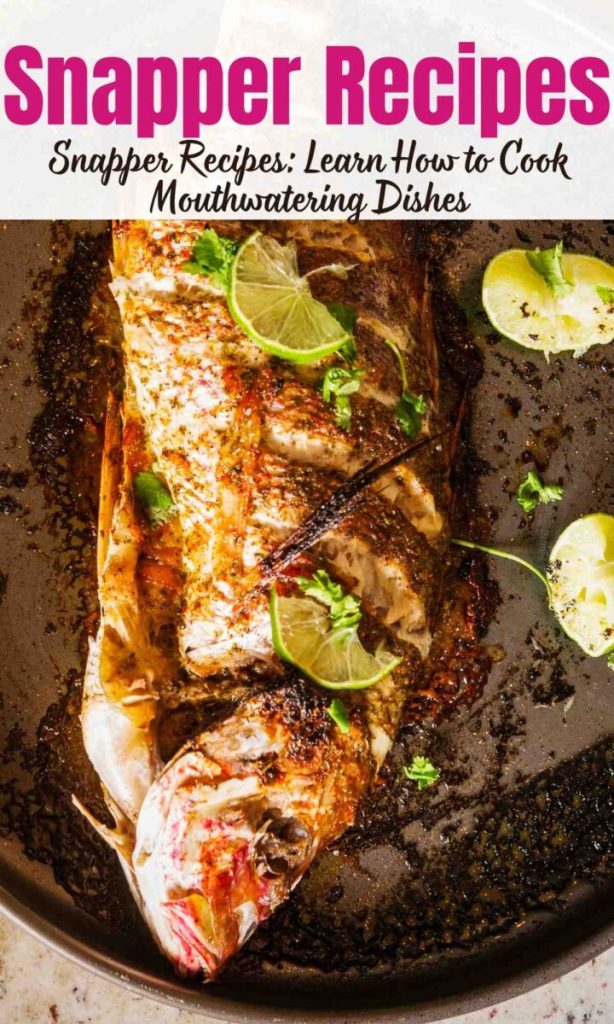
For those who love outdoor cooking or want a smoky flavor, Mediterranean Grilled Snapper is an absolute winner. The grill imparts a fantastic char and flavor, while simple Mediterranean ingredients keep the dish light and healthy.
Ingredients for Mediterranean Grilled Snapper:
- 2 whole snapper (1-1.5 lbs each), scaled and gutted, or 4 snapper fillets
- 2 tablespoons olive oil
- Juice of 1 lemon
- 2 cloves garlic, minced
- 1 teaspoon dried oregano
- 1/2 teaspoon salt
- 1/4 teaspoon black pepper
- Fresh parsley or dill for garnish
- Optional: Cherry tomatoes and Kalamata olives for grilling alongside
Step-by-Step Instructions for Mediterranean Grilled Snapper: If using whole fish, score the sides of each fish 2-3 times with a sharp knife; this helps the marinade penetrate and ensures even cooking. In a small bowl, whisk together olive oil, lemon juice, minced garlic, oregano, salt, and pepper.
Place the snapper (whole or fillets) in a shallow dish and pour the marinade over it, ensuring both sides are coated. Marinate for at least 20 minutes at room temperature, or up to 30 minutes in the refrigerator. Do not marinate fish for too long, as the lemon juice can start to ‘cook’ the delicate flesh.
Preheat your grill to medium-high heat (about 400-450°F or 200-230°C). Lightly oil the grill grates to prevent sticking. If grilling whole fish, place them directly on the grates. For fillets, consider using a grill basket or placing them on aluminum foil for easier handling.
Grill whole snapper for 7-10 minutes per side, depending on thickness, until the skin is crispy and the flesh flakes easily. For fillets, grill for 3-5 minutes per side. If grilling cherry tomatoes or olives, place them in a foil packet or grill basket alongside the fish. Remove from grill, garnish with fresh parsley or dill, and serve with extra lemon wedges.
Expert Tip for Grilling: When grilling whole fish, you can stuff the cavity with lemon slices, fresh herbs, and garlic cloves to infuse even more flavor. A fish spatula is your best friend for flipping grilled fish without breaking it apart.
For an elegant, mess-free, and incredibly flavorful meal, try Snapper en Papillote (in Parchment). This method steams the fish and vegetables in their own juices, creating a tender and aromatic dish with minimal cleanup.
Ingredients for Snapper en Papillote:
- 2 snapper fillets (6-8 oz each)
- 2 large sheets of parchment paper (about 15×15 inches)
- 1 cup mixed vegetables, thinly sliced (e.g., bell peppers, zucchini, carrots, cherry tomatoes)
- 1 tablespoon olive oil
- 1/2 teaspoon salt
- 1/4 teaspoon black pepper
- 1 lemon, thinly sliced
- 2 sprigs fresh thyme or rosemary
- Splash of white wine or vegetable broth (optional)
Step-by-Step Instructions for Snapper en Papillote: Preheat oven to 400°F (200°C). Lay out two large sheets of parchment paper. In the center of each sheet, arrange half of the sliced vegetables. Drizzle vegetables with a little olive oil and season with salt and pepper.
Place one snapper fillet on top of the vegetables on each parchment sheet. Drizzle the fish with remaining olive oil, season with salt and pepper, and top with lemon slices and a sprig of fresh thyme or rosemary. If desired, add a splash of white wine or broth to the packet for extra moisture and flavor.
To seal the packet, bring the two long sides of the parchment paper together over the fish and fold them down several times to create a tight seam. Then, fold and crimp the short ends tightly to form a crescent-shaped, sealed packet. Ensure there are no gaps for steam to escape.
Carefully transfer the sealed parchment packets to a baking sheet. Bake for 15-20 minutes, or until the packets are puffed and the fish is cooked through and flaky. Cooking time may vary based on fillet thickness. Serve the packets immediately, allowing diners to open them at the table to release the aromatic steam. Be careful of hot steam!
Expert Tip for En Papillote: The beauty of this method is its versatility. Feel free to swap out vegetables based on what’s in season or your preference. Consider adding a pat of butter, a dollop of pesto, or a sprinkle of capers for additional flavor dimensions.
Beyond the Main Course: What to Serve with Snapper. Snapper pairs wonderfully with a variety of side dishes. For lighter meals, consider a fresh green salad with a vinaigrette, roasted asparagus, or steamed green beans. For something more substantial, lemon herb rice, quinoa, couscous, or roasted potatoes make excellent companions. The key is to choose sides that complement the delicate flavor of the fish without overpowering it.
Quick Weeknight Snapper Ideas. Don’t have time for elaborate recipes? Keep it simple!
- Snapper Tacos: Flake cooked snapper into warm tortillas, add shredded cabbage, a squeeze of lime, and a dollop of crema or avocado.
- Snapper Salad: Flake leftover cooked snapper into a salad with mixed greens, cherry tomatoes, cucumber, and a light dressing.
- Snapper Sandwiches: Serve pan-seared snapper on a toasted bun with lettuce, tomato, and a tangy tartar sauce.
The Golden Rule: Don’t Overcook Fish! This is perhaps the most critical advice for any fish recipe. Overcooked snapper becomes dry, tough, and loses its delicate texture. Always err on the side of slightly undercooked, as it will continue to cook for a minute or two after being removed from the heat.
Flavor Pairings to Explore. Snapper is a canvas for many flavors. Beyond lemon and herbs, consider:
- Asian-inspired: Soy sauce, ginger, garlic, sesame oil, a touch of honey.
- Spicy: Chili flakes, smoked paprika, cumin, cilantro, lime.
- Creamy: Light cream sauces, beurre blanc, or a simple yogurt-dill sauce.
Nutritional Benefits Revisited. Incorporating snapper into your diet is a smart move for your health. It’s an excellent source of protein, crucial for muscle repair and growth. Its high content of Omega-3 fatty acids supports heart health, brain function, and reduces inflammation. Snapper also provides essential nutrients like Vitamin D, Vitamin B12, selenium, and phosphorus. Eating fish twice a week is often recommended for these benefits.
Cooking snapper at home doesn’t have to be daunting. With these easy-to-follow recipes and expert tips, you’re now equipped to create delicious, healthy, and impressive meals. From the simple elegance of baked snapper to the vibrant flavors of pan-seared with salsa, or the rustic charm of grilled fish, there’s a snapper dish for every occasion and every skill level.
So, head to your local fish market, pick up some fresh snapper, and unleash your inner chef. Experiment with different seasonings, explore various cooking methods, and most importantly, enjoy the process of bringing incredible flavors to your table. Happy cooking!