
Integrating sea bass into your weekly meal rotation doesn’t just elevate your culinary repertoire; it provides a massive boost to your health. It is a lean, flaky white fish that acts as a blank canvas for a myriad of global flavors, from the bright citrus notes of the Mediterranean to the umami-rich depths of Asian cuisine. Whether you are looking for a quick 15-minute weeknight dinner or a centerpiece for a Sunday family lunch, sea bass fits the bill perfectly.
In this comprehensive guide, we will walk through everything you need to know to master healthy sea bass meals. We will explore how to choose the freshest fish, the nutritional power it holds, and the specific cooking techniques that yield restaurant-quality results without the stress. Put on your apron, sharpen your knife, and let’s dive into the world of healthy, everyday gourmet cooking.
Why Sea Bass? The Nutritional Powerhouse
Before we get to the cooking techniques, it is essential to understand why sea bass deserves a prime spot in your refrigerator. Unlike heavier meats that can leave you feeling sluggish, sea bass provides high-quality protein that is easy to digest. It is the epitome of ‘clean eating,’ offering satiety without the heavy calorie count associated with red meats.
Omega-3 Fatty Acids: While we often associate Omega-3s with fatty fish like salmon or mackerel, sea bass is also a respectable source of these essential healthy fats. These fatty acids are crucial for heart health, reducing inflammation, and supporting brain function. Incorporating sea bass into your diet is a delicious way to look after your cardiovascular system.
Vitamin B12 and Selenium: Beyond protein and healthy fats, sea bass is rich in essential micronutrients. It is a great source of Vitamin B12, which keeps your body’s nerve and blood cells healthy. It also contains Selenium, a powerful antioxidant that helps prevent cell damage. When you cook a sea bass meal, you aren’t just feeding your hunger; you are fueling your body on a cellular level.
Sourcing the Best Catch: What to Look For
Great cooking starts with great shopping. When you are at the fishmonger or the seafood counter of your local grocery store, knowing what to look for can make the difference between a good meal and a great one. Generally, you will encounter two main types of fish labeled as sea bass: European Sea Bass (often called Branzino or Loup de Mer) and Chilean Sea Bass (which is actually Patagonian Toothfish).
European Sea Bass (Branzino): This is smaller, leaner, and has a sweet, delicate flavor. It is often sold whole or as smaller fillets. This is the ideal choice for everyday cooking because it cooks quickly and is generally more sustainable.
Chilean Sea Bass: This fish creates large, thick, steak-like fillets with a high fat content. While incredibly delicious and buttery, it is often more expensive and has faced sustainability issues in the past. If you choose this, look for the MSC (Marine Stewardship Council) certification to ensure it was caught responsibly.
The Freshness Checklist
- The Eyes: If you are buying a whole fish, look at the eyes. They should be clear, bright, and bulging. Cloudy or sunken eyes are a sign the fish has been out of the water too long.
- The Smell: Fresh fish should smell like the ocean—clean, briny, and fresh. It should never smell ‘fishy’ or ammonia-like.
- The Flesh: If buying fillets, the meat should be firm and bounce back when pressed. It should appear moist and glistening, not dry or chalky.
Technique 1: The Perfect Pan-Sear
Step 1: Dry the Fish. This is the most critical step. Take your fillets and pat them thoroughly dry with paper towels. If the skin is wet, it will steam rather than sear, leading to soggy skin. You want it bone-dry.
Step 2: Score the Skin. If you have a thick fillet, take a sharp knife and make shallow slashes across the skin side. This prevents the fish from curling up when it hits the hot pan and helps the heat penetrate evenly.
Step 3: The Cold Pan Method vs. Hot Pan Method. While traditionalists heat the pan first, a great trick for home cooks is to place the seasoned fish skin-side down in a cold non-stick pan with a little oil, then turn the heat to medium-high. As the pan heats up, the fat renders out slowly, creating an incredibly crispy skin without burning it.
Once the skin is golden and crispy (usually after 5-7 minutes), flip the fish carefully. The second side needs very little time—usually just a minute or two—to finish cooking. Serve immediately with a squeeze of lemon.
Technique 2: Baking ‘En Papillote’ (In Paper)
If you want a healthy meal with virtually zero cleanup, the ‘En Papillote’ method is your best friend. This French technique involves steaming the fish inside a parchment paper parcel along with vegetables and aromatics. It locks in moisture and nutrients, making it impossible to dry out the fish.
To do this, cut a large heart shape out of parchment paper. Place a bed of thinly sliced vegetables on one half—think zucchini, fennel, or bell peppers. Lay your sea bass fillet on top. Drizzle with olive oil, a splash of white wine, salt, pepper, and fresh herbs like dill or thyme.
Fold the other half of the paper over and crimp the edges tightly to seal the packet. Bake at 400°F (200°C) for about 12-15 minutes. When you open the packet at the table, you are greeted with a cloud of aromatic steam that is sure to impress. This method requires no heavy fats or butter, keeping the calorie count low while maximizing flavor.
Technique 3: The Tray Bake (Roasting)
Start by roasting your harder vegetables (potatoes, sweet potatoes, carrots) tossed in olive oil and herbs for about 20 minutes. Then, remove the tray, push the veggies to the side, and place your seasoned sea bass fillets in the center. Add quicker-cooking vegetables like asparagus or cherry tomatoes at this stage.
Return the tray to the oven for another 10-12 minutes. The result is a complete meal where the juices from the fish mingle with the roasted vegetables, creating a cohesive and hearty flavor profile. It is efficient, healthy, and delicious.
Flavor Pairings: What Goes with Sea Bass?
1. Mediterranean Zest: This is the classic pairing. Think lemon juice, extra virgin olive oil, minced garlic, fresh parsley, and oregano. Salty elements like capers or Kalamata olives add a wonderful punch that cuts through the richness of the fish. Serve this with a side of couscous or a Greek salad.
2. Asian Fusion: Sea bass holds up incredibly well to ginger, soy sauce, and scallions. Try steaming the fish with sliced ginger and garlic, then finishing it with a drizzle of soy sauce and sesame oil. Bok choy or stir-fried snap peas make excellent accompaniments.
3. Summer Freshness: For a lighter approach, pair grilled sea bass with a fruit salsa. A mix of diced mango, red onion, cilantro, lime juice, and jalapeño creates a sweet and spicy topping that highlights the natural sweetness of the fish. This is perfect for fish tacos.
Recipe Idea: Sea Bass with Warm Lentil Salad
Let’s put these techniques into practice with a concrete meal idea that screams ‘healthy comfort food.’ This dish balances lean protein with fiber-rich legumes.
Start by cooking French green lentils or Beluga lentils until tender. While they are still warm, toss them with a vinaigrette made from Dijon mustard, red wine vinegar, and olive oil. Stir in chopped fresh herbs (parsley and chives) and perhaps some finely diced roasted red peppers.
Pan-sear your sea bass fillets until the skin is shattering-crisp. Serve the fillet atop a generous mound of the warm lentil salad. The earthiness of the lentils grounds the lightness of the fish, creating a meal that feels substantial but won’t weigh you down.
Recipe Idea: Ginger and Soy Steamed Sea Bass
This recipe is inspired by traditional Cantonese cooking and is one of the healthiest ways to eat fish. You will need a steamer basket or a setup that allows you to suspend a heat-proof plate over boiling water.
Place your fish fillets on a heat-proof plate. Cover the fish with thin matchsticks of fresh ginger and the white parts of scallions. Steam for about 8-10 minutes until the fish is opaque and flakes easily.
While the fish steams, heat two tablespoons of neutral oil (like canola or grapeseed) in a small pan until it is smoking hot. Remove the fish from the steamer, drizzle with high-quality soy sauce, and top with fresh green scallions and cilantro. Carefully pour the hot oil over the aromatics. You will hear a satisfying sizzle as the oil cooks the scallions and releases their flavor into the soy sauce.
Common Mistakes to Avoid
Even with the best intentions, things can go wrong. Here are a few ‘traps’ to watch out for to ensure your sea bass remains the star of the show.
Overcooking: This is the cardinal sin of seafood. Sea bass cooks very fast. Once the flesh turns from translucent to opaque white, it is done. If you wait until it looks ‘flaky’ in the pan, it might already be dry. Remember, the fish continues to cook for a minute or two after you remove it from the heat due to residual heat.
Overcrowding the Pan: If you are pan-searing, give the fillets space. If you pack too many into one skillet, the temperature of the pan drops drastically, and moisture gets trapped between the fillets. Instead of searing, the fish steams in its own juices, and you lose that crispy skin.
Ignoring the Bones: While most fillets come de-boned, pin bones can sometimes remain. Run your finger down the center line of the fillet before cooking. If you feel a sharp point, use fish tweezers (or clean regular tweezers) to pull them out in the direction of the grain.
Serving and Presentation
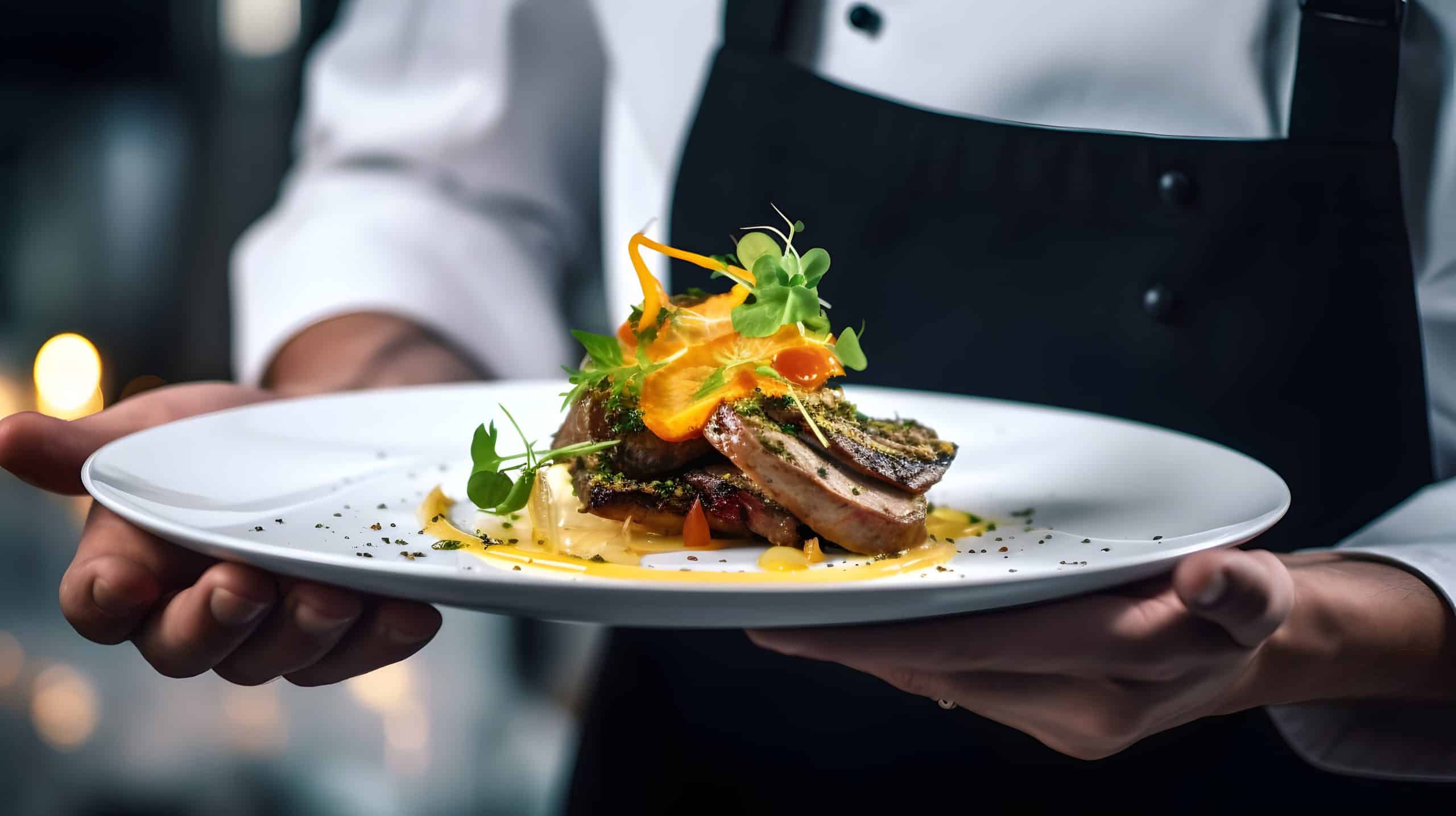
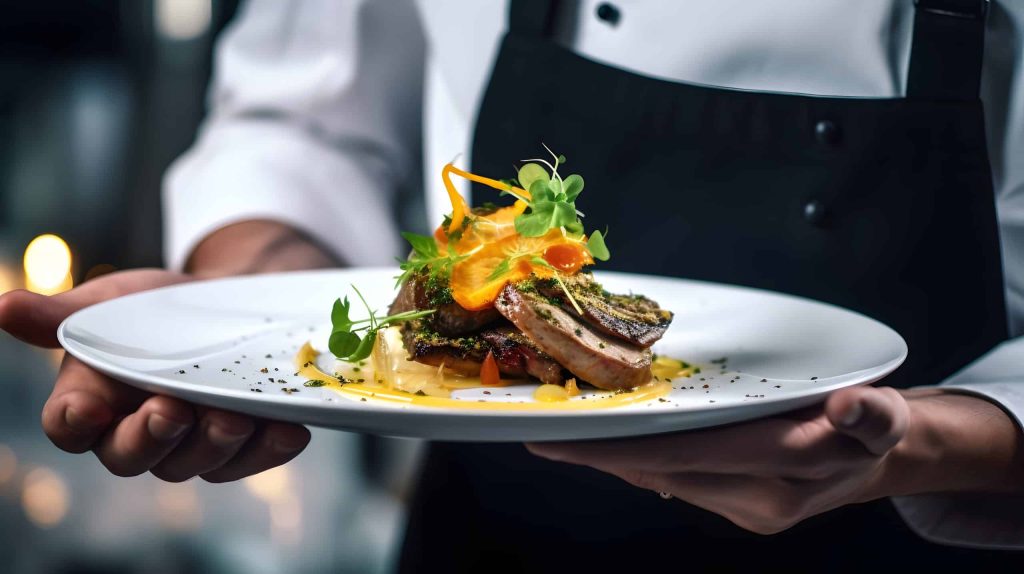
We eat with our eyes first. Sea bass is naturally elegant, so your plating should reflect that. Always serve the fish skin-side up if you have seared it, to preserve the crispiness and show off the texture. If you have poached or steamed the fish, a garnish of fresh herbs or edible flowers adds a necessary pop of color to the white flesh.
Pair your meal with a crisp white wine. A Sauvignon Blanc, Pinot Grigio, or a dry Rosé pairs exceptionally well with the delicate flavors of sea bass, cutting through any oil and refreshing the palate between bites.
Conclusion: Make It a Habit
Cooking healthy sea bass meals at home doesn’t require a culinary degree or a kitchen full of expensive gadgets. It requires fresh ingredients, a little bit of confidence, and an understanding of how heat interacts with this delicate protein. By mastering the pan-sear, the tray bake, or the steam, you unlock a world of nutrition and flavor that can transform your everyday diet.
So, next time you are at the market, walk past the chicken and beef, and head straight for the fresh fish counter. Pick up some sea bass, grab a lemon and some fresh herbs, and treat yourself to a meal that is as good for your body as it is for your taste buds. Happy cooking!