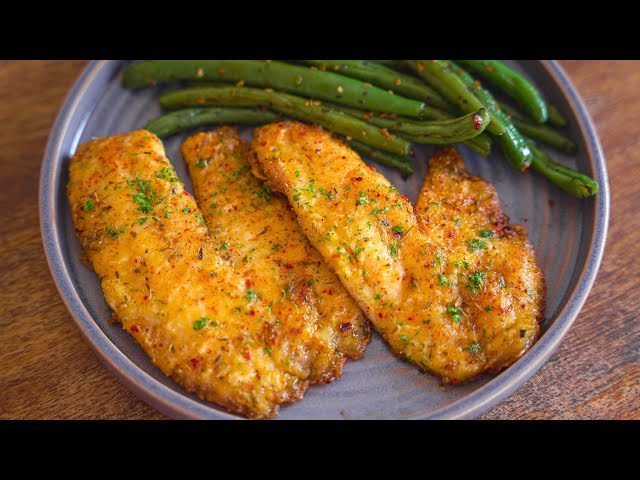

Tilapia is often hailed as the ‘chicken of the sea’ due to its mild flavor, affordability, and incredible versatility. It’s a lean protein source, packed with essential nutrients, and cooks remarkably quickly, making it an ideal choice for busy weeknights or when you’re simply looking for a straightforward, satisfying meal.
This comprehensive guide is designed specifically for beginners, demystifying the process of cooking tilapia and equipping you with the knowledge and confidence to create truly delicious dishes. We’ll explore simple preparation techniques, foolproof recipes, and expert tips that will turn you into a tilapia cooking pro in no time.
Why Tilapia is Your Best Friend in the Kitchen (Especially for Beginners)
There are several compelling reasons why tilapia stands out as the perfect fish for those new to cooking seafood. Its mild, slightly sweet flavor profile means it’s not ‘fishy,’ which can be a common deterrent for picky eaters or those unaccustomed to stronger seafood tastes. This neutrality also allows it to pair beautifully with a wide array of seasonings and sauces.
Beyond its taste, tilapia is incredibly forgiving. It cooks quickly, typically in under 15 minutes, which reduces the chances of overcooking if you keep a close eye on it. Its firm yet flaky texture holds up well to various cooking methods, from baking and pan-searing to grilling, offering flexibility in your meal planning.
Another significant advantage is its accessibility and affordability. Tilapia is widely available in most grocery stores, often found in the frozen section, making it convenient to stock up on. Its reasonable price point also makes it an excellent economical choice for regular consumption.
Essential Tips Before You Start Cooking Tilapia
Even with a beginner-friendly fish like tilapia, a few fundamental tips can make a world of difference in your final dish. Understanding these basics will set you up for success and ensure your tilapia is always perfectly cooked and flavorful.
1. Choosing Your Tilapia: While fresh is always great, high-quality frozen tilapia fillets are perfectly acceptable and often more convenient. Look for fillets that are individually quick-frozen (IQF) and free from freezer burn. If buying fresh, ensure the fish smells clean, not overly fishy, and has a firm texture.
2. Thawing Properly: If using frozen tilapia, proper thawing is crucial. The best method is to transfer the fillets from the freezer to the refrigerator the night before you plan to cook them. For a quicker thaw, place the sealed fillets in a bowl of cold water for 30-60 minutes, changing the water every 15 minutes. Never use hot water, as this can start to cook the fish unevenly.
3. Pat it Dry: This is a simple yet vital step! Before seasoning or cooking, gently pat both sides of your tilapia fillets completely dry with paper towels. Excess moisture can steam the fish instead of searing it, preventing a beautiful golden crust and potentially leading to a rubbery texture.
4. Season Generously: Tilapia’s mild flavor means it’s a blank canvas for seasonings. Don’t be shy! Salt and pepper are absolute musts, but consider adding garlic powder, onion powder, paprika, dried herbs (like dill or parsley), or a squeeze of fresh lemon juice to elevate the taste.
5. Don’t Overcook: This is the golden rule for all fish. Tilapia cooks quickly, and overcooking will result in dry, tough fish. You’ll know it’s done when the flesh becomes opaque throughout and flakes easily with a fork. Aim for an internal temperature of 145°F (63°C).
Recipe 1: Simple Baked Lemon Herb Tilapia (The Ultimate Beginner’s Choice)
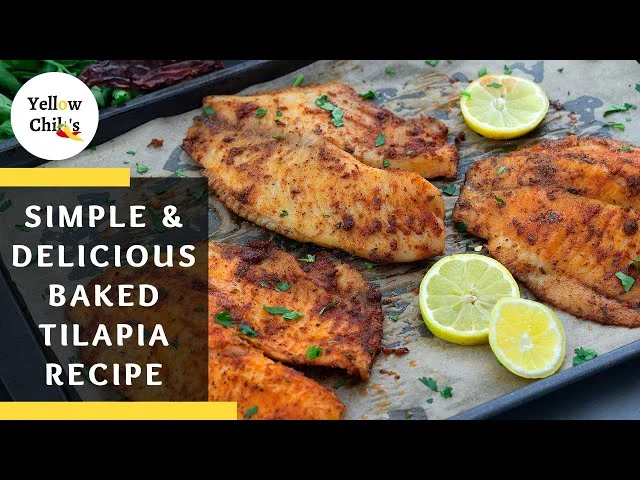
Baking is arguably the easiest and most hands-off method for cooking fish, making it perfect for beginners. This recipe requires minimal effort but delivers maximum flavor, allowing the natural goodness of the tilapia to shine through with bright lemon and aromatic herbs.
- 2 tilapia fillets (about 4-6 oz each)
- 1 tablespoon olive oil
- 1/2 teaspoon salt
- 1/4 teaspoon black pepper
- 1/2 teaspoon garlic powder
- 1/2 teaspoon dried dill or parsley
- 1/2 lemon, thinly sliced (plus extra for serving)
- Optional: a few sprigs of fresh parsley for garnish
-
Preheat your oven to 400°F (200°C). Line a baking sheet with parchment paper or aluminum foil for easy cleanup. This step is a beginner’s secret weapon for hassle-free cooking!
-
Pat the tilapia fillets completely dry with paper towels. Place them on the prepared baking sheet. Drizzle both sides of the fillets with olive oil, then sprinkle evenly with salt, pepper, garlic powder, and dried herbs. Gently rub the seasonings into the fish.
-
Arrange a few lemon slices on top of each tilapia fillet. This not only infuses flavor but also helps keep the fish moist during baking. You can also place a few slices directly on the baking sheet underneath the fish for extra lemony goodness.
-
Bake for 12-15 minutes, or until the fish is opaque throughout and flakes easily with a fork. Cooking time may vary depending on the thickness of your fillets. Avoid opening the oven door too frequently to maintain consistent temperature.
Expert Tip & Serving: For an extra touch of freshness, squeeze a little fresh lemon juice over the cooked tilapia before serving. Garnish with fresh parsley if desired. This baked tilapia pairs wonderfully with steamed green beans, roasted asparagus, or a simple side salad.
Recipe 2: Quick Pan-Seared Garlic Butter Tilapia (For a Crispy Edge)
Pan-searing is a fantastic way to achieve a beautiful golden crust on your tilapia while keeping the inside tender and juicy. It’s a quick cooking method that’s a step up from baking but still very accessible for beginners.
- 2 tilapia fillets
- 1 tablespoon olive oil (or a mix of olive oil and butter)
- 2 tablespoons unsalted butter
- 2 cloves garlic, minced
- 1/2 teaspoon salt
- 1/4 teaspoon black pepper
- 1 tablespoon fresh lemon juice
- Optional: 1 tablespoon chopped fresh parsley for garnish
-
Pat the tilapia fillets thoroughly dry with paper towels. Season both sides generously with salt and black pepper. Ensuring the fish is dry is crucial for getting that perfect sear!
-
Heat the olive oil (or oil/butter mix) in a large non-stick skillet over medium-high heat until shimmering. Once hot, carefully place the tilapia fillets in the skillet, presentation-side down if applicable.
-
Sear for 3-4 minutes per side, without moving the fish, until golden brown and cooked through. The timing will depend on the thickness of your fillets. While the second side is cooking, add the butter and minced garlic to the pan. Baste the fish with the melting garlic butter.
-
Once cooked, remove the tilapia from the skillet. Squeeze fresh lemon juice over the fillets and sprinkle with fresh parsley, if using. Serve immediately to enjoy the crispy exterior and tender interior.
Expert Tip & Serving: Don’t overcrowd the pan; cook in batches if necessary to maintain high heat and achieve a good sear. This pan-seared tilapia is excellent with a side of quinoa or rice pilaf, and a medley of sautéed vegetables like spinach or bell peppers.
Recipe 3: Easy Tilapia Fish Tacos (A Fun & Flavorful Weeknight Meal)
Fish tacos are a vibrant, customizable, and incredibly fun meal that’s surprisingly easy to make. Tilapia is a perfect choice for tacos because its mild flavor allows the toppings to shine, and its flaky texture is ideal for stuffing into tortillas.
- 2 tilapia fillets
- 1 tablespoon olive oil
- 1 teaspoon chili powder
- 1/2 teaspoon ground cumin
- 1/4 teaspoon garlic powder
- 1/4 teaspoon salt
- Pinch of cayenne pepper (optional, for a kick)
- 8 small corn or flour tortillas
- Your favorite taco toppings: shredded cabbage or lettuce, diced tomatoes, chopped cilantro, a squeeze of lime, sour cream or Greek yogurt, salsa, avocado slices or guacamole.
-
Pat tilapia fillets dry. In a small bowl, combine chili powder, cumin, garlic powder, salt, and cayenne pepper (if using). Rub this spice mixture evenly over both sides of the tilapia fillets.
-
Heat olive oil in a large non-stick skillet over medium-high heat. Once hot, add the seasoned tilapia fillets. Cook for 3-4 minutes per side, until opaque and easily flaking with a fork. Remove from pan and lightly flake with a fork into bite-sized pieces.
-
Warm the tortillas. You can do this in a dry skillet for about 30 seconds per side, microwave them in a damp paper towel for 15-20 seconds, or wrap them in foil and warm in the oven. This makes them pliable and prevents tearing.
-
Assemble your tacos: Place a generous portion of flaked tilapia onto each warm tortilla. Top with your favorite fresh toppings like shredded cabbage, diced tomatoes, and a dollop of sour cream or Greek yogurt. Finish with a squeeze of fresh lime juice and a sprinkle of fresh cilantro.
Expert Tip & Variations: Offer a variety of toppings to let everyone customize their tacos. For a creamy sauce, mix sour cream with a little lime juice and a pinch of chili powder. You can also quickly whip up a simple coleslaw to add crunch and tang.
Recipe 4: Mediterranean-Inspired Tilapia in Foil (Minimal Cleanup, Maximum Flavor)
Cooking in foil packets is a dream for beginners. It traps moisture and flavors, resulting in incredibly tender fish, and best of all, cleanup is a breeze! This Mediterranean-inspired version is light, healthy, and bursting with fresh ingredients.
- 2 tilapia fillets
- 1 tablespoon olive oil
- 1/2 teaspoon salt
- 1/4 teaspoon black pepper
- 1/4 cup cherry tomatoes, halved
- 1/4 cup pitted Kalamata olives, halved
- 2 tablespoons chopped red onion
- 1 clove garlic, minced
- 1 tablespoon fresh lemon juice
- 1 tablespoon fresh chopped parsley or oregano
-
Preheat oven to 400°F (200°C). Tear off two large pieces of aluminum foil (about 12×18 inches each). You’ll want enough foil to create a sealed packet.
-
Place one tilapia fillet on each piece of foil. Drizzle each fillet with olive oil and season with salt and pepper. In a small bowl, gently toss the cherry tomatoes, olives, red onion, and minced garlic.
-
Spoon the tomato and olive mixture over and around each tilapia fillet. Drizzle each with fresh lemon juice and sprinkle with fresh herbs. This creates a flavorful bed for the fish to steam in.
-
Carefully bring the long sides of the foil together over the fish and fold them down tightly to seal, creating a seam. Then, fold and crimp the short ends to create a completely sealed packet. Ensure there are no gaps for steam to escape.
-
Place the foil packets on a baking sheet and bake for 15-20 minutes, or until the fish is cooked through and flakes easily. Open the packets carefully, as steam will escape. Serve directly from the foil or transfer to plates.
Expert Tip & Serving: Add a thin slice of zucchini or bell pepper to the foil packet for extra vegetables. Serve this dish with couscous or a light salad to complete the Mediterranean experience. The juices in the packet are delicious, so don’t let them go to waste!
Recipe 5: Speedy Spicy Blackened Tilapia (For a Touch of Adventure)
If you’re feeling a bit more adventurous with flavor, blackened tilapia is a fantastic way to introduce a smoky, spicy kick. While it sounds fancy, it’s essentially pan-searing with a generous coating of a robust spice blend, creating a delicious crust.
- 2 tilapia fillets
- 1 tablespoon olive oil or clarified butter (ghee)
- For Blackening Seasoning (mix together):
- 1 teaspoon paprika
- 1/2 teaspoon onion powder
- 1/2 teaspoon garlic powder
- 1/2 teaspoon dried oregano
- 1/2 teaspoon dried thyme
- 1/4 teaspoon cayenne pepper (adjust to your spice preference)
- 1/4 teaspoon black pepper
- 1/4 teaspoon salt
-
Pat the tilapia fillets very dry. This is especially important for blackening to get a good crust. Sprinkle the blackening seasoning generously and evenly over both sides of each fillet, pressing it gently to adhere.
-
Heat olive oil or clarified butter in a heavy-bottomed skillet (cast iron works best) over medium-high to high heat until very hot and just starting to smoke. Ensure good ventilation, as this process can produce some smoke.
-
Carefully place the seasoned tilapia fillets in the hot skillet. Cook for 2-3 minutes per side, until a dark, flavorful crust forms and the fish is cooked through. The high heat quickly cooks the fish while developing the ‘blackened’ crust.
-
Remove from skillet and serve immediately. The intense flavors of the seasoning are best enjoyed fresh off the pan.
Expert Tip & Serving: Use clarified butter (ghee) if you have it, as it has a higher smoke point than regular butter and adds a richer flavor. Serve blackened tilapia with a cooling side like a cucumber salad, a dollop of plain Greek yogurt, or a fresh fruit salsa to balance the spice.
Pairing Your Tilapia: Simple Sides for Beginners
- Steamed Vegetables: Broccoli, green beans, carrots, or asparagus are quick to steam and retain their nutrients. A simple drizzle of olive oil, salt, and pepper is all they need.
- Roasted Vegetables: Roasting brings out the natural sweetness of vegetables. Try tossing chopped zucchini, bell peppers, or cherry tomatoes with olive oil, salt, and pepper, then roasting alongside your baked tilapia.
- Rice or Quinoa: Fluffy white or brown rice, or nutrient-rich quinoa, provide a satisfying base for your fish. Many brands offer quick-cooking or boil-in-bag options for ultimate convenience.
- Simple Salad: A fresh green salad with a light vinaigrette is always a refreshing accompaniment. Keep it simple with mixed greens, a few cucumber slices, and cherry tomatoes.
- Baked Potatoes or Sweet Potatoes: Easy to prepare and hearty. A simple baked potato with a little butter or a roasted sweet potato wedge can be a comforting addition.
Troubleshooting Common Tilapia Mistakes for Beginners
1. Dry, Rubbery Fish: Almost always a sign of overcooking. Remember, tilapia cooks quickly. Start checking for doneness a minute or two before the suggested cooking time, especially if your fillets are thin. The moment it flakes easily, it’s done!
2. Bland Flavor: If your tilapia tastes a bit plain, you likely under-seasoned it. Don’t be afraid to use salt, pepper, and herbs generously. A squeeze of fresh lemon juice at the end can also brighten up any dish.
3. Fish Sticking to the Pan: This usually happens if the pan isn’t hot enough, or if you haven’t used enough oil, or if the fish wasn’t patted dry. Ensure your pan is properly preheated and use a good non-stick skillet for pan-searing.
4. Uneven Cooking: If your fillets are of varying thickness, the thinner parts might cook faster. Try to buy fillets of similar size and thickness, or gently flatten thicker parts slightly before cooking.
Beyond the Basics: Exploring More Flavor Variations
- Asian-Inspired: Marinate in soy sauce, ginger, garlic, and a touch of sesame oil before baking or pan-searing. Serve with a sprinkle of sesame seeds and green onions.
- Cajun/Creole: Use a store-bought or homemade Cajun spice blend for a zesty, slightly spicy flavor. Blackened tilapia is a great starting point for this.
- Pesto Power: Spread a thin layer of pesto over baked tilapia during the last few minutes of cooking for a vibrant, herbaceous finish.
- Salsa Topping: Top simply cooked tilapia with a fresh fruit salsa (mango, pineapple) or a black bean and corn salsa for a burst of flavor and texture.
The Health Benefits of Tilapia
Beyond its culinary appeal, tilapia is a nutritional powerhouse. It’s an excellent source of lean protein, which is essential for muscle growth and repair, and for keeping you feeling full and satisfied. It’s also low in calories and saturated fat, making it a heart-healthy choice.
Tilapia provides beneficial vitamins and minerals, including Vitamin B12, niacin, phosphorus, and selenium. While generally lower in omega-3 fatty acids compared to fattier fish like salmon, it still contributes to your overall intake of healthy fats. Choosing responsibly sourced tilapia is also a consideration for environmental sustainability.
Your Journey to Confident Fish Cooking Starts Now!
Cooking fish, especially tilapia, doesn’t have to be intimidating. With its mild flavor, quick cooking time, and incredible versatility, tilapia is truly the perfect fish for beginners. The recipes and tips provided in this guide are your stepping stones to creating healthy, delicious, and satisfying seafood meals right in your own kitchen.
Remember, practice makes perfect. Don’t be afraid to experiment with different seasonings and side dishes. Soon, you’ll be confidently cooking tilapia and impressing yourself and your loved ones with your newfound culinary skills. Happy cooking, and enjoy your delicious tilapia adventures!