
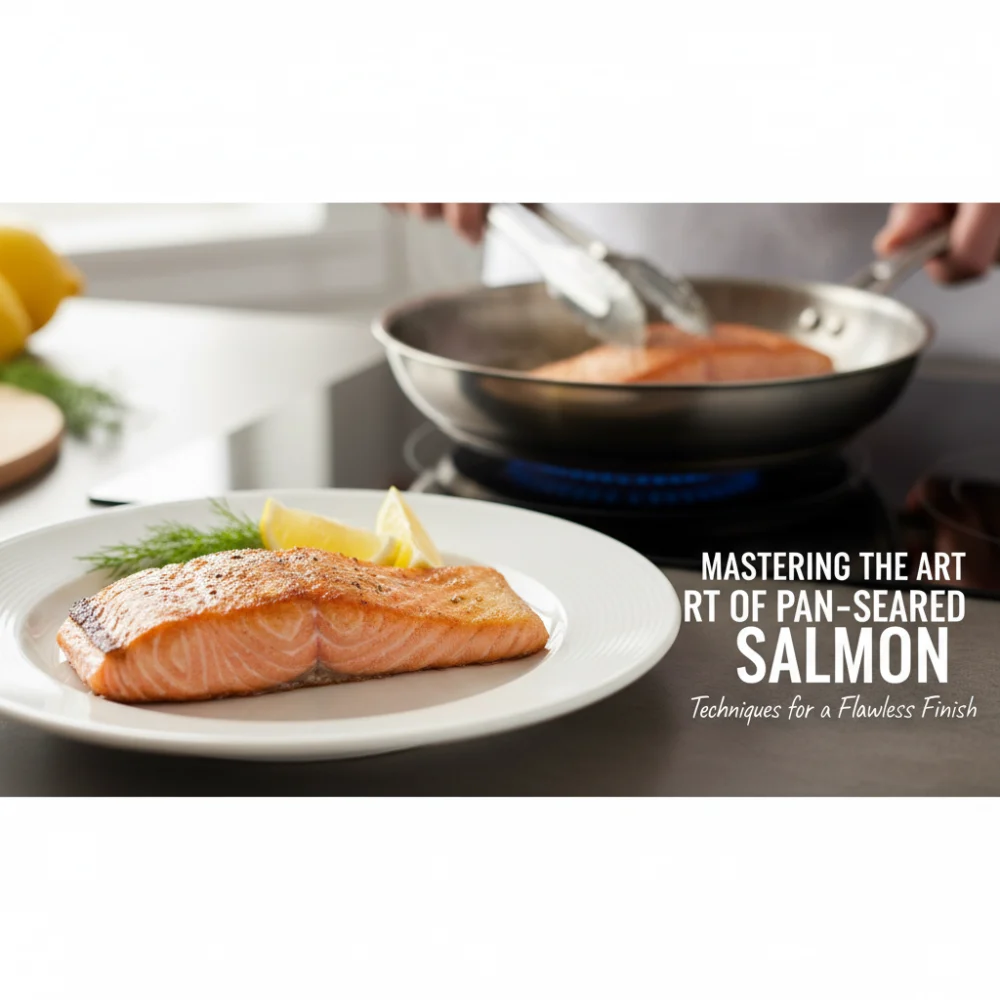

Pan-seared salmon is a culinary delight, celebrated for its exquisite balance of crispy skin and a moist, tender flesh. It’s a dish that looks impressive yet is surprisingly straightforward to master, making it a favorite for both weeknight dinners and special occasions. This guide will walk you through every step, ensuring you achieve restaurant-quality results in your own kitchen.
The allure of perfectly pan-seared salmon lies in its textural contrast: a shatteringly crisp skin yielding to a buttery, flaky interior. Beyond its deliciousness, pan searing is a quick and healthy cooking method that locks in the salmon’s natural flavors and beneficial omega-3 fatty acids.
To truly excel at pan-searing salmon, understanding the foundational techniques is crucial. It’s not just about throwing a fillet into a hot pan; it’s about precision, patience, and a few key tricks that elevate a good dish to an unforgettable one. Let’s dive in and demystify the process.
First, selecting the right salmon is paramount. Look for fresh, vibrant fillets with firm flesh and a bright, moist appearance. If purchasing skin-on, ensure the skin is intact and free from scales. While Atlantic salmon is widely available, consider varieties like Sockeye, Coho, or King salmon for distinct flavor profiles and textures.
For the best results, aim for fillets that are roughly 1 to 1.5 inches thick. This thickness allows for even cooking, ensuring the skin crisps beautifully without overcooking the delicate flesh. Thinner fillets may cook too quickly, making it harder to achieve that perfect balance.
Before any heat touches your fish, proper preparation is key. Remove the salmon from its packaging and pat it thoroughly dry with paper towels. This step is non-negotiable for achieving crispy skin, as excess moisture will steam the fish instead of searing it.
Season your salmon generously. A simple sprinkle of kosher salt and freshly ground black pepper is often all that’s needed to enhance its natural taste. For added flavor, consider a light dusting of garlic powder, paprika, or your favorite fish seasoning blend.
While some recipes suggest marinating, for classic pan-seared salmon, keeping it simple allows the fish’s natural flavors to shine. If you do opt for a marinade, ensure it’s not too acidic or thick, as this can affect the searing process and potentially burn.
The right equipment makes a difference. A heavy-bottomed pan, such as cast iron or stainless steel, is ideal because it retains heat exceptionally well and distributes it evenly. Non-stick pans can work, but they often don’t achieve the same level of crispness.
You’ll also need a good quality, high-smoke-point oil. Grapeseed, canola, avocado, or refined olive oil are excellent choices. Avoid extra virgin olive oil for searing, as its lower smoke point can lead to burning and bitter flavors.
Let’s begin the actual pan searing process. Place your chosen pan over medium-high heat. Allow it to preheat for 3-5 minutes until it’s very hot. A good test is to flick a tiny drop of water into the pan; if it sizzles and evaporates instantly, your pan is ready.
Add just enough oil to lightly coat the bottom of the pan, typically 1-2 tablespoons. Swirl the oil around to ensure even coverage. You should see a slight shimmer on the surface of the oil, indicating it’s hot enough but not smoking.
Carefully place the salmon fillets skin-side down into the hot pan. Ensure there’s enough space between each fillet; do not overcrowd the pan. If you’re cooking multiple fillets, it’s better to work in batches to maintain consistent heat.
Once the salmon is in the pan, resist the urge to move it for the first few minutes. This is where the magic happens! The direct contact with the hot pan creates that desirable golden-brown, crispy skin through the Maillard reaction.
Cook the salmon skin-side down for approximately 4-7 minutes, depending on the thickness of your fillet and your desired doneness. You’ll notice the flesh beginning to cook and turn opaque from the bottom up. Once about two-thirds of the fillet has changed color, it’s time to flip.
Using a thin, sturdy spatula, carefully flip the salmon fillets. Reduce the heat slightly to medium and continue to cook for another 2-5 minutes on the flesh side. This shorter cooking time on the second side ensures the salmon remains moist and tender.
To check for doneness, you can use a meat thermometer; salmon is perfectly cooked when its internal temperature reaches 145°F (63°C). Alternatively, gently press on the thickest part of the fillet with a fork; it should flake easily.
Achieving that coveted crispy skin is often the hallmark of perfectly pan-seared salmon. The secret lies in dry fish, a hot pan, and patience. Don’t rush the skin-side cooking; let it develop a deep golden-brown crust before flipping.
Common mistakes can derail your pan-seared salmon efforts. One of the most frequent is not properly drying the fish, which leads to steaming rather than searing. Always pat those fillets bone dry!
Another error is overcrowding the pan. Too many fillets at once will drop the pan’s temperature, resulting in less-than-crispy skin and uneven cooking. Give your salmon room to breathe and sear properly.
Using a pan that isn’t hot enough or adding oil to a cold pan are also pitfalls. The pan and oil must be adequately preheated to initiate a quick, effective sear and prevent the fish from sticking.
Overcooking is perhaps the most tragic mistake. Salmon cooks quickly, and even a minute too long can turn a tender fillet into dry, chalky fish. Keep an eye on the visual cues and consider using a thermometer for precision.
While classic salt and pepper are fantastic, don’t hesitate to experiment with flavor variations. A squeeze of fresh lemon juice after cooking brightens the dish considerably. Fresh herbs like dill, parsley, or chives also pair wonderfully.
Consider a simple pan sauce: after removing the salmon, deglaze the pan with a splash of white wine or chicken broth, add a knob of butter, and stir in some fresh herbs. This creates a quick, flavorful accompaniment.
Pan-seared salmon is incredibly versatile. It’s excellent served with roasted asparagus, steamed green beans, a fresh garden salad, or a creamy risotto. For a heartier meal, pair it with quinoa or roasted potatoes.
For an extra layer of flavor, try finishing your pan-seared salmon with a compound butter, infused with garlic, lemon zest, and herbs. Simply place a small pat on top of the hot salmon just before serving.
Expert tip: If your salmon fillets have different thicknesses, you can gently press down on the thicker parts with your spatula during the skin-side cooking phase to ensure more even contact with the pan and uniform crisping.
Another pro tip: Allow the salmon to rest for a minute or two after removing it from the pan. This allows the juices to redistribute, resulting in a more succulent and flavorful fillet.
Q: Can I pan-sear salmon from frozen? A: While technically possible, it’s highly recommended to thaw salmon completely before searing. Frozen salmon will release too much moisture, preventing a proper sear and crisp skin.
Q: What’s the best oil for pan searing salmon? A: Oils with a high smoke point like grapeseed, canola, avocado, or refined olive oil are best. They can withstand the high heat needed for searing without burning.
Q: How do I prevent the salmon from sticking to the pan? A: Ensure your pan is very hot before adding oil, and that the oil itself is shimmering. Also, make sure the salmon skin is completely dry. A well-seasoned cast iron pan also helps.
Q: What’s the ideal internal temperature for cooked salmon? A: For perfectly cooked salmon, aim for an internal temperature of 145°F (63°C). Remove it from the heat slightly before this, as it will continue to cook a bit while resting.
Q: Should I remove the skin before cooking? A: Absolutely not! The skin protects the delicate flesh from overcooking and becomes wonderfully crispy and delicious when pan-seared. It’s often the best part!
Mastering pan-seared salmon is a rewarding endeavor that elevates your home cooking. By focusing on proper preparation, precise heat control, and a bit of patience, you can consistently achieve salmon that boasts a perfectly crisp skin and a melt-in-your-mouth tender interior.
This technique is not just about cooking fish; it’s about understanding the nuances of heat and texture to transform simple ingredients into something extraordinary. Embrace these principles, and you’ll find yourself confidently creating delicious, wholesome meals that impress every time. Enjoy the journey to becoming a salmon-searing expert!