
The allure of ‘MasterChef-style’ cooking isn’t just about complex ingredients or Michelin-star techniques; it’s about understanding the fundamentals, executing them flawlessly, and presenting a dish that tells a story. When it comes to scallops, this means achieving that coveted golden-brown crust, a translucent, melt-in-your-mouth interior, and a thoughtful composition of flavors and textures.
This comprehensive guide will walk you through everything you need to know to create scallop dishes that would impress even the toughest MasterChef judges. From selecting the freshest seafood to mastering the perfect sear and artful plating, we’ll unlock the secrets to culinary excellence, making sophisticated scallop dishes accessible in your own home.
Before we even think about heat, the journey to perfect scallops begins at the fish counter. There are two main types of scallops you’ll encounter: sea scallops and bay scallops. Sea scallops are larger, meatier, and ideal for searing, while bay scallops are smaller and sweeter, often used in pasta dishes, ceviches, or quick sautéed preparations.
The most critical distinction, however, is between ‘wet’ and ‘dry’ scallops. Dry scallops are natural, untreated, and will sear beautifully, developing a deep caramelization. Wet scallops, on the other hand, have been treated with a sodium tripolyphosphate solution, which makes them absorb water. This extra moisture prevents them from searing properly and can lead to a rubbery texture.
Always ask your fishmonger for ‘dry-packed’ or ‘day boat’ scallops. They might be a bit pricier, but the difference in quality and cooking results is monumental. Look for scallops that are firm, plump, and have a fresh, slightly sweet smell, reminiscent of the ocean, not overtly fishy.
Once you have your pristine scallops, proper preparation is paramount. If frozen, thaw them slowly in the refrigerator overnight. Once thawed or fresh, the first crucial step is to remove the small, tough abductor muscle. This crescent-shaped piece on the side of the scallop can be easily pinched off with your fingers.
Next, and this cannot be stressed enough, you must pat your scallops absolutely dry. Use paper towels to blot away every trace of moisture from their surface. Moisture is the enemy of a good sear, as it will steam the scallops instead of allowing them to caramelize.
Now, for the main event: the sear. This is where many home cooks falter, but with the right technique, you’ll achieve that crusty exterior and tender interior every time. A heavy-bottomed pan, such as cast iron or stainless steel, is ideal as it retains heat exceptionally well.
Heat your pan over medium-high to high heat. You want it smoking slightly before adding any fat. Once hot, add a high smoke point oil, like grapeseed, avocado, or canola oil. Just enough to lightly coat the bottom of the pan. Let the oil get shimmering hot.
Gently place the seasoned scallops (salt and pepper are usually sufficient) into the hot pan, ensuring there’s plenty of space between each one. Do not overcrowd the pan. If you have too many scallops, cook them in batches. Overcrowding will drop the pan’s temperature, leading to steaming instead of searing.
Allow the scallops to cook undisturbed for 1.5 to 2 minutes. Resist the urge to peek or move them! This undisturbed time is vital for developing that beautiful golden crust. After this initial period, add a tablespoon or two of unsalted butter to the pan, along with any aromatics like garlic cloves or fresh thyme sprigs.
As the butter melts and foams, tilt the pan slightly and use a spoon to baste the scallops with the frothy butter. Flip the scallops and cook for another 1 to 1.5 minutes, continuing to baste. The total cooking time should be around 3 to 4 minutes, depending on the size of the scallops and the desired doneness.
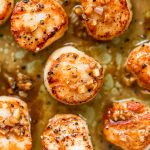
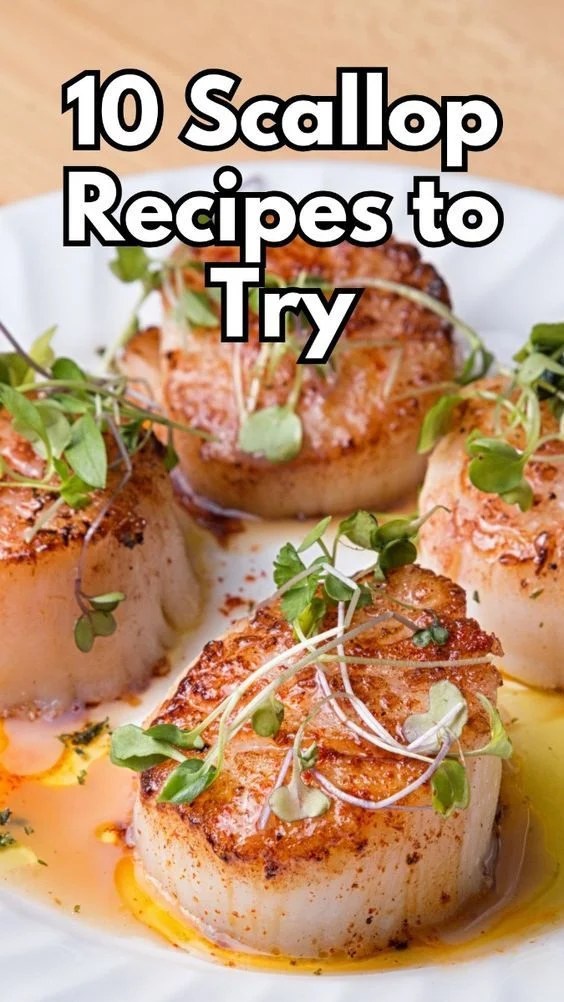
You’re looking for a deep, golden-brown crust on both sides and a translucent center that is just cooked through. Overcooked scallops become rubbery and lose their delicate sweetness. Remove them from the pan immediately and let them rest for a minute or two while you prepare your sauce or plate.
MasterChef-style dishes are rarely just about the main ingredient; they’re about the symphony of flavors. Scallops are incredibly versatile, pairing well with a vast array of ingredients. Consider balancing their sweetness with acidity, richness, or a contrasting texture.
Classic pairings include lemon, butter, garlic, and fresh herbs like parsley or chives. For a touch of richness, browned butter with capers or a creamy white wine sauce works beautifully. To add an umami punch, crispy elements like pancetta, prosciutto, or even toasted breadcrumbs are excellent.
For a more refined touch, purees are a MasterChef staple. Think silky smooth cauliflower puree, vibrant pea and mint puree, earthy parsnip puree, or sweet potato puree. These add a luxurious base and a contrasting texture to the seared scallops.
Asian-inspired flavors also shine with scallops. A soy-ginger glaze, a hint of sesame oil, or a touch of chili can elevate the dish to new heights. Citrus elements like lime or orange zest can provide a bright, refreshing counterpoint.
Now, let’s explore a few MasterChef-inspired recipe ideas. First, a timeless classic: Pan-Seared Scallops with Lemon-Herb Butter Sauce. After searing your scallops, remove them from the pan. Add a splash of white wine or chicken broth to deglaze the pan, scraping up any browned bits. Reduce slightly, then whisk in a knob of cold butter, a squeeze of lemon juice, and chopped fresh herbs. Pour over the scallops.
Next, consider Scallops with Silky Cauliflower Puree and Crispy Prosciutto. Steam or boil cauliflower florets until very tender. Blend with a splash of cream or milk, a knob of butter, salt, and pepper until incredibly smooth. For the prosciutto, bake thin slices on a parchment-lined baking sheet at 375°F (190°C) until crispy. Plate the puree, top with scallops, and garnish with crumbled prosciutto and microgreens.
For an exotic twist, try Asian-Glazed Scallops with Sautéed Bok Choy. Sear the scallops as usual. In a separate small pan, whisk together soy sauce, rice vinegar, a touch of honey or maple syrup, grated ginger, and a minced garlic clove. Simmer until slightly thickened. Quickly sauté some bok choy with a little sesame oil. Drizzle the glaze over the scallops and serve alongside the bok choy.
The final, often overlooked, element that truly distinguishes a MasterChef dish is presentation. Plating is an art form. Think about color, texture, height, and negative space. Aim for balance and visual appeal.
Consider using a ‘smear’ or ‘swoosh’ of puree or sauce as a base. Arrange your scallops in an odd number (three or five usually works best) on top. Add small, thoughtful garnishes: a sprinkle of fresh herbs, a few microgreens, a drizzle of infused oil, or a tiny sprig of edible flower.
Height adds drama. You can achieve this with a small stack of scallops, a vertical element like a crispy vegetable stick, or by building your components strategically. Remember that negative space on the plate is just as important as the food itself; it allows the eye to appreciate each element.
Even with the best intentions, mistakes can happen. The most common pitfall is overcooking. Scallops cook very quickly, so stay vigilant. Another common error is not drying the scallops thoroughly, leading to a steamed rather than seared result.
Using a pan that isn’t hot enough or overcrowding the pan will also prevent a proper sear. Ensure your pan is smoking and cook in batches if necessary. Finally, don’t forget to season! A simple sprinkle of salt and freshly cracked black pepper before searing makes a world of difference.
To truly elevate your scallop game, consider a few expert tips. Infused oils, such as chili oil or lemon-herb oil, can add a subtle layer of flavor and a beautiful sheen. A quick pickle of thinly sliced radishes or cucumbers can provide a refreshing acidic crunch.
Experiment with different finishing salts, like flaky sea salt, to add texture and a burst of salinity. Don’t be afraid to taste as you go, adjusting seasonings and flavors to achieve perfect harmony. Practice makes perfect, and each batch of scallops will teach you something new.
MasterChef-style cooking isn’t about intimidating complexity; it’s about thoughtful execution, attention to detail, and a passion for flavor. By understanding your ingredients, mastering the searing technique, and embracing creative plating, you can transform simple scallops into an extraordinary culinary masterpiece.
So, gather your ingredients, sharpen your skills, and unleash your creativity. The kitchen is your stage, and these MasterChef-style scallop recipes are your ticket to impressing friends, family, and most importantly, yourself. Happy cooking!