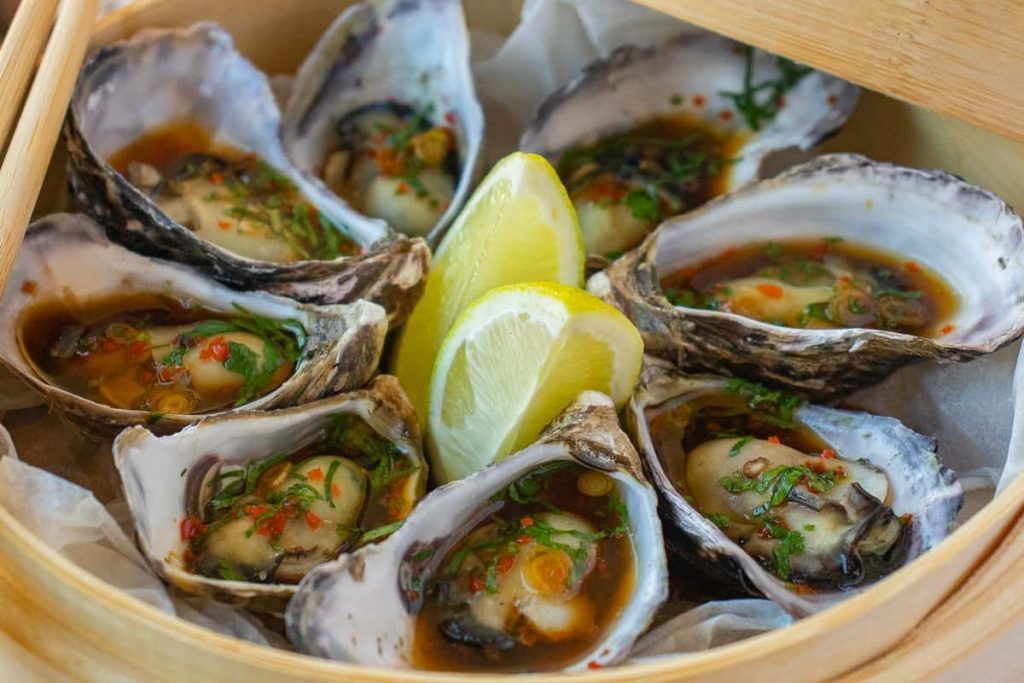

We’ll explore various cooking methods, from the simplicity of raw preparations to the complexity of grilled and fried creations. You’ll learn how to balance the oyster’s natural flavors with the umami-rich profiles of soy sauce, the spicy kick of chili, the fragrant zest of ginger, and the bright acidity of lime. Get ready to embark on a culinary journey that will introduce you to a world of flavor and texture.
Before diving into the recipes, let’s talk about the star of the show: the oyster. The quality of your oysters is paramount. Always source your oysters from a reputable supplier. Look for oysters that are tightly closed or that close quickly when tapped. They should have a fresh, ocean-like aroma. Avoid any oysters that are gaping open or smell overly fishy, as these may not be fresh.
Consider the different varieties available, as each brings its unique characteristics. Pacific oysters are widely available and known for their mild brininess. Atlantic oysters offer a fuller, more complex flavor. Experiment with different types to find your favorites and best match your desired flavor profile.
Proper oyster handling is key to safety and enjoyment. Always store oysters on ice in the refrigerator until ready to use. When shucking, use a dedicated oyster knife and protective gloves. Work over a bowl to catch the oyster liquor, which is a flavorful addition to many recipes. Discard any oysters that don’t open easily or have a foul odor.
Now, let’s explore some fantastic Asian-inspired oyster recipes. We’ll start with some classics and then venture into more creative territory.
Let’s begin with a timeless favorite: Oysters with Ponzu Sauce. This simple yet elegant dish highlights the oyster’s natural flavors while adding a bright, citrusy punch. Ponzu sauce, a Japanese condiment made from soy sauce, citrus juice (usually yuzu, lemon, or lime), rice vinegar, and often a touch of dashi, is the perfect complement to the oyster’s briny sweetness.
Ingredients: Fresh oysters, Ponzu sauce, thinly sliced scallions (green onions), grated daikon radish (optional), and a small amount of chili oil (optional).
Instructions: Shuck the oysters, keeping them on the half shell. Arrange the oysters on a platter. Drizzle generously with ponzu sauce. Garnish with thinly sliced scallions and grated daikon radish (if using). Add a tiny drop of chili oil for a touch of heat. Serve immediately and enjoy!
Next, we will explore Oysters with Miso Butter. This recipe combines the umami richness of miso with the creamy texture of butter to create a decadent topping for grilled or baked oysters. The combination is pure bliss!
Ingredients: Fresh oysters, unsalted butter, white miso paste, sake or mirin (optional, for added depth), finely chopped garlic, and panko breadcrumbs (optional, for a crispy topping).
Instructions: Preheat your oven or grill. In a small bowl, combine softened butter, miso paste, sake or mirin (if using), and garlic. Mix until well combined. Shuck the oysters, placing them on a baking sheet or grill-safe tray. Top each oyster with a generous dollop of miso butter. If desired, sprinkle with panko breadcrumbs. Bake or grill for 3-5 minutes, or until the butter is melted and bubbly and the oysters are heated through. Serve immediately.
For those who enjoy a bit of heat, try Spicy Korean Gochujang Oysters. This recipe infuses the oysters with the bold, fermented flavors of gochujang, a Korean chili paste. The result is a vibrant, spicy, and unforgettable experience.
Ingredients: Fresh oysters, gochujang, soy sauce, rice vinegar, sesame oil, honey or sugar (to balance the heat), minced garlic, minced ginger, and sesame seeds (for garnish).
Instructions: In a small bowl, whisk together gochujang, soy sauce, rice vinegar, sesame oil, honey or sugar, minced garlic, and minced ginger. Shuck the oysters. Place the oysters on a platter. Spoon a small amount of the gochujang mixture onto each oyster. Garnish with sesame seeds. Serve immediately.
Let’s move on to a slightly more complex dish: Tempura Fried Oysters with Wasabi Aioli. This recipe offers a delightful textural contrast: a crispy, golden exterior surrounding a tender, succulent oyster. The wasabi aioli adds a creamy, spicy counterpoint.
Ingredients: Fresh oysters, all-purpose flour, cornstarch, ice water (for the tempura batter), vegetable oil (for frying), wasabi paste, mayonnaise, rice vinegar, and panko breadcrumbs (for extra crispiness, optional).
Instructions: Prepare the wasabi aioli by whisking together wasabi paste, mayonnaise, and a splash of rice vinegar. Set aside. Prepare the tempura batter by whisking together flour, cornstarch, and ice water until just combined (do not overmix). Dredge the oysters in flour, then dip them in the tempura batter. If using, coat with panko breadcrumbs for extra crispiness. Heat vegetable oil in a deep fryer or large pot to 350°F (175°C). Fry the oysters in batches until golden brown and crispy. Drain on paper towels. Serve immediately with wasabi aioli.
Another delicious option is Oysters with Vietnamese Nuoc Cham. This recipe features the bright, balanced flavors of Vietnamese nuoc cham dipping sauce. The sauce’s sweetness, sourness, saltiness, and spiciness perfectly complement the oyster.
Ingredients: Fresh oysters, fish sauce, lime juice, sugar, water, garlic, red chilies (finely chopped), and cilantro (for garnish).
Instructions: Prepare the nuoc cham by whisking together fish sauce, lime juice, sugar, water, garlic, and red chilies. Shuck the oysters. Place the oysters on a platter. Drizzle with the nuoc cham. Garnish with cilantro. Serve immediately.
Experiment with different Asian sauces. Beyond ponzu, miso, gochujang, and nuoc cham, consider using oyster sauce (ironically), hoisin sauce, black bean sauce, or even a spicy Sriracha mayo.
Incorporate fresh herbs. Cilantro, mint, Thai basil, and chives all pair beautifully with oysters and Asian flavors. Use them as garnishes or incorporate them into sauces and marinades.
Consider adding a touch of sweetness. Honey, maple syrup, or even a small amount of brown sugar can balance the savory and spicy elements of Asian cuisine. Be careful not to overwhelm the oyster’s natural sweetness.
Don’t be afraid to experiment with different cooking methods. Grilling adds a smoky char, while baking can create a more tender result. Steaming can be a healthy option, and even stir-frying can work if you handle the oysters carefully.
Pay attention to texture. Consider adding crunchy elements like toasted sesame seeds, crispy fried shallots, or chopped peanuts to add contrast to the soft oyster texture.
Presentation is key. Serve your Asian-inspired oyster dishes on attractive platters or individual shells. Garnish with fresh herbs, edible flowers, or a drizzle of flavorful sauce to enhance visual appeal.
Consider the wine pairing. Crisp, dry white wines like Sauvignon Blanc, Muscadet, or even a dry Riesling complement the briny flavors of oysters. For spicy dishes, consider a slightly off-dry Riesling or a light-bodied red like Beaujolais.
For a delightful appetizer, consider serving a selection of Asian-inspired oyster preparations. Offer a variety of flavors and textures to cater to different preferences. This creates an exciting and memorable dining experience.
Ingredient Sourcing: Source high-quality fresh oysters and authentic Asian ingredients. Build relationships with reliable suppliers to ensure consistency and quality.
Menu Placement: Position your oyster dishes strategically on your menu. Consider them as appetizers, small plates, or even as part of a tasting menu.
Pricing: Price your oyster dishes competitively, considering the cost of ingredients, preparation time, and perceived value. Highlight the unique flavors and culinary experience.
Staff Training: Train your staff on the proper handling, preparation, and presentation of oyster dishes. Ensure they can answer customer questions and make recommendations.
Marketing: Promote your Asian-inspired oyster dishes through your menu descriptions, social media, and other marketing channels. Highlight the unique flavors and culinary experience.
Customer Feedback: Encourage customer feedback to continuously improve your oyster recipes and offerings. Use this feedback to refine your recipes and menu.
Adaptability: Be prepared to adapt your recipes to accommodate seasonal ingredients and customer preferences. Flexibility is key to success in the culinary world.
Asian-inspired oyster recipes offer a world of culinary possibilities, combining the natural beauty of oysters with the vibrant and diverse flavors of Asia. By following these recipes, tips, and guidelines, you can create unforgettable dishes that will delight your customers and elevate your menu. So, get ready to shuck, savor, and share the deliciousness of Asian-inspired oysters!
With a little creativity and a passion for flavor, the possibilities are endless. Embrace the challenge, experiment with different combinations, and most importantly, enjoy the journey. Bon appétit!