

Selecting the Freshest Catch: A Buyer’s Guide
Before you even turn on the stove, the success of your meal is determined at the fishmonger’s counter. Knowing how to select fresh clams is the most critical step in the process. When shopping, you will typically encounter a few common varieties: Littlenecks, Cherrystones, and Steamers (Soft-shell clams). For most pasta dishes and sautés, Littlenecks are the gold standard. They are small, tender, and sweet. Cherrystones are larger and chewier, making them better suited for stuffing and baking, while Steamers are distinct for their protruding siphons and are best served simply steamed with drawn butter.
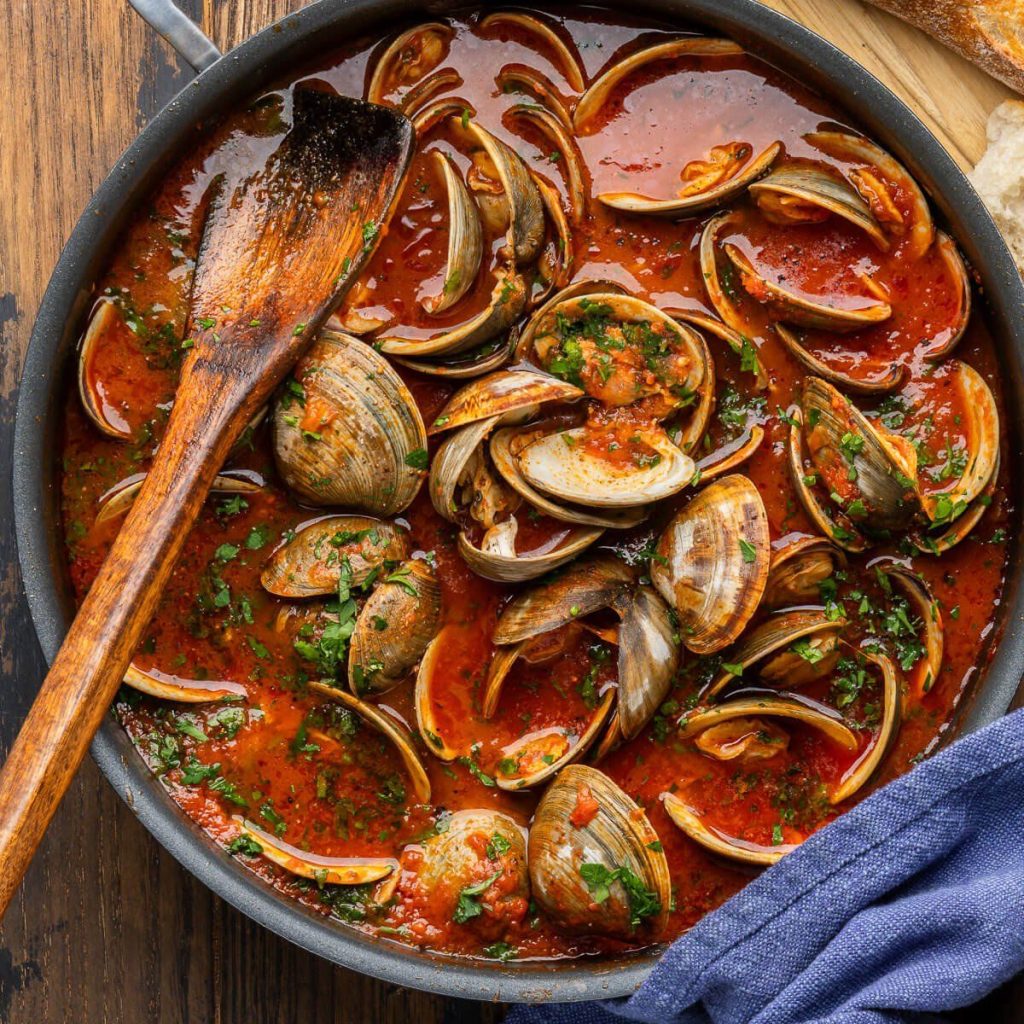
When selecting your clams, use your nose and your eyes. Fresh clams should smell like the ocean—clean, salty, and fresh—never fishy or ammonia-like. Visually, the shells should be tightly closed. If you see a clam that is slightly open, give it a gentle tap on the counter or flick the shell. If it is alive and healthy, it will snap shut. If it remains open, discard it immediately; an open clam is a dead clam, and eating it is a safety risk. Additionally, avoid any shells that are cracked or chipped.
The Crucial Step: Cleaning and Purging
Nothing ruins a beautiful plate of linguine faster than crunching down on sand. While many commercially farmed clams are purged before they hit the market, it is always safer to assume they need a little help. The goal is to get the clams to filter out any grit they are holding inside their shells. To do this, place your clams in a large bowl of cold water mixed with sea salt. The water should taste as salty as the ocean. Let them sit for about 20 to 30 minutes.
Some chefs swear by adding a tablespoon of cornmeal to the water, believing it encourages the clams to spit out sand, though clean saltwater usually does the trick on its own. After the soak, lift the clams out of the water with your hands rather than pouring them into a colander. Pouring them would simply dump the sand that settled at the bottom of the bowl right back onto the clams. Give them a final scrub with a stiff brush under cold running water to remove any exterior debris, and they are ready for the pot.
Recipe 1: Classic Linguine alle Vongole
To make this for a family of four, you will need about 3 pounds of Littleneck clams, 1 pound of linguine, plenty of garlic (sliced, not minced, to prevent burning), extra virgin olive oil, chili flakes, fresh parsley, and a cup of dry white wine. Start by boiling your pasta in salted water, but pull it out two minutes before it is al dente. While the pasta cooks, sauté the garlic and chili flakes in a generous amount of olive oil in a large skillet. Once the garlic is golden, add the clams and the white wine, then cover the pan immediately.
Steam the clams for about 5 to 7 minutes until they pop open. Remove the clams and set them aside to prevent overcooking. Transfer the undercooked pasta directly into the skillet with the clam juice and wine. Cook the pasta in this liquid, tossing vigorously. As the pasta finishes cooking, it will absorb the ocean flavor, and the starch will thicken the sauce. Return the clams to the pan, toss with a mountain of fresh parsley, and serve immediately. The result is a dish that tastes like a summer vacation in Italy.
Recipe 2: Creamy New England Clam Chowder
For colder nights when the family craves comfort food, nothing beats a bowl of New England Clam Chowder. Unlike its tomato-based Manhattan cousin, the New England style is rich, creamy, and hearty. The secret to a family-friendly chowder is ensuring the clams remain tender and the potatoes are cooked through without turning to mush. You can use fresh clams for this, steaming them first and chopping the meat, or high-quality canned clams if you are pressed for time.
Recipe 3: Portuguese Pork and Clams (Alentejana)
If your family loves bold flavors, this Portuguese classic is a must-try. Known as Carne de Porco à Alentejana, this surf-and-turf dish combines marinated pork with clams in a way that seems unusual until you taste it. The brininess of the clams cuts through the richness of the pork, while the paprika and garlic tie everything together. It is a hearty meal that works wonderfully with crusty bread or roasted potatoes.
Marinate cubes of pork shoulder in white wine, paprika, garlic, and bay leaves for at least 4 hours. Sear the pork in a hot pan until browned and cooked through, then remove it. In the same pan, add onions and the marinade liquid, reducing it slightly. Add the clams to the pan, cover, and steam until they open. Return the pork to the pan, toss everything together, and finish with fresh cilantro and pickled vegetables if you have them. The sauce created by the pork fat and clam juice is incredibly savory and addictive.
Recipe 4: 15-Minute Garlic Butter Steamed Clams
Sometimes, you don’t need pasta or potatoes; you just need a massive bowl of clams and a loaf of French bread. This recipe is the ultimate fast family feast, perfect for eating with your hands. It is messy, interactive, and fun for kids and adults alike. The broth is the star here, so use a butter you love and a wine you enjoy drinking.
Melt a stick of butter in a large pot. Add minced garlic and shallots, cooking until fragrant. Pour in a cup of white wine (or chicken broth if you prefer to avoid alcohol) and bring to a simmer. Dump in your cleaned clams, cover, and let them steam. Shake the pot occasionally to move the clams around. Once they are all open, squeeze fresh lemon juice over the top and sprinkle with parsley. Place the pot in the center of the table with empty bowls for shells and plenty of toasted baguette slices to sop up the garlic butter broth.
Recipe 5: Baked Clams Casino
While often served as an appetizer, Clams Casino can easily be transformed into a main course when paired with a large salad or roasted vegetables. This dish converts even those who are skeptical about the texture of shellfish because the breadcrumb topping adds a delightful crunch. It is essentially a stuffed clam on the half-shell, featuring bacon, peppers, and aromatics.
To prepare this, you will need to steam the clams just until they open, then remove the top shell, leaving the meat in the bottom shell. In a separate pan, sauté diced bacon, red bell peppers, garlic, and shallots. Mix this with breadcrumbs and a little Parmesan cheese. Spoon the mixture over each clam, drizzle with olive oil, and bake in a hot oven (400°F) for about 10 minutes until golden brown and crispy. These are savory, smoky, and incredibly satisfying.
Recipe 6: Asian-Style Ginger and Scallion Clams
Switching flavor profiles, this Asian-inspired stir-fry is light, fragrant, and deeply savory. Ginger and scallions are a classic combination in Chinese cuisine that pairs perfectly with seafood. This dish comes together in a wok or large skillet in minutes and is fantastic served over jasmine rice to catch the sauce.
Heat oil in a wok until shimmering. Add julienned ginger and garlic, stir-frying for just 30 seconds. Add the clams and a splash of Shaoxing wine (or dry sherry). Cover and steam for a few minutes. Once the clams start opening, stir in a mixture of soy sauce, a pinch of sugar, and sesame oil. Toss in a generous amount of chopped scallions and give it a final stir. The ginger provides a warming heat that complements the cooling, salty nature of the clams. It is a refreshing departure from the butter and cream-heavy recipes typical of Western cuisine.
Side Dishes to Round Out the Meal
Since clams are lean and light, the side dishes you choose can help bulk up the meal for a hungry family. Bread is non-negotiable for almost any clam dish involving a broth; a baguette, sourdough, or focaccia is essential for dipping. For vegetables, consider roasted asparagus, lemony green beans, or a crisp Caesar salad to cut through the richness of butter or cream sauces.
If you are serving steamed clams without pasta, corn on the cob is a traditional accompaniment, harkening back to the classic clam bakes of New England. French fries or roasted potato wedges are also excellent, particularly with the Belgian-style moules-frites concept applied to clams. The salty, starchy potatoes pair beautifully with garlicky seafood.
Expert Tips for Success
As you embark on your clam cooking journey, keep a few expert tips in mind. First, never force a clam open. If a clam has not opened after the others have, it was likely dead before it went into the pot or is filled with mud. Discard it. Second, be careful with salt. Clams release their own salty liquid; taste your sauce after the clams have opened before adding any extra salt.
Finally, timing is everything. Clams cook very quickly. The moment their shells pop open, they are done. Leaving them on the heat for too long will turn them into rubbery erasers. If you are tossing them with pasta or sauce, it is often better to remove the clams as they open, finish the sauce, and then return them to the pot at the very end to warm through.
Conclusion: Creating New Traditions
Cooking clams for your family is about more than just putting dinner on the table; it is about introducing new flavors, textures, and experiences. Whether you choose the rustic simplicity of steamed clams or the rich comfort of chowder, these recipes are designed to bring people together. The interactive nature of eating shellfish—pulling the meat from the shell, dipping bread in the broth, piling up the empty shells—encourages conversation and slows down the pace of the meal.
So next time you are at the market, walk past the chicken breasts and ground beef, and stop at the seafood counter. Grab a bag of fresh Littlenecks, pick up a loaf of crusty bread, and prepare for a feast that feels like a celebration. With these recipes in your repertoire, you will find that a fancy seafood dinner is actually one of the easiest, most enjoyable meals you can make at home.