
Salmon is a true superstar in the culinary world, celebrated not just for its rich, distinctive flavor but also for its incredible nutritional benefits. For anyone looking to elevate their everyday cooking with healthy, satisfying options, salmon presents an unparalleled choice. It’s versatile, relatively quick to cook, and packed with goodness, making it a perfect fit for busy weeknights and special occasions alike.
This guide is designed to help you unlock the full potential of healthy salmon meals for your daily cooking. Whether you’re a seasoned chef or just starting your culinary journey, you’ll find practical tips, simple techniques, and inspiring ideas to make salmon a regular, much-loved feature on your dinner table. Get ready to transform your meals with this remarkable fish!
One of the primary reasons to embrace salmon in your diet is its outstanding nutritional profile. It’s widely recognized as one of the best sources of omega-3 fatty acids, particularly EPA and DHA, which are crucial for heart health, brain function, and reducing inflammation throughout the body. These essential fats are something our bodies cannot produce on their own, making dietary intake vital.
Beyond omega-3s, salmon is an excellent source of high-quality protein, essential for muscle repair, growth, and overall bodily function. A single serving can provide a significant portion of your daily protein needs. It’s also rich in B vitamins, including B12, B6, and niacin, which play key roles in energy production and nerve function.
Furthermore, salmon contains important minerals like potassium, selenium, and magnesium, contributing to bone health, thyroid function, and immune support. Including this powerhouse fish in your regular meals is a delicious way to nourish your body from the inside out and support a vibrant, healthy lifestyle.
Choosing the right salmon is the first step to a delicious meal. When shopping, look for salmon fillets that are firm to the touch, with a vibrant, moist appearance. Avoid any fish that looks dull, dry, or has a strong, fishy odor. Fresh salmon should have a mild, oceanic scent.
Consider the origin of your salmon. Wild-caught salmon, such as Alaskan sockeye or coho, often have a leaner texture and more pronounced flavor. Farm-raised salmon, on the other hand, can be fattier and offer a milder taste. Both can be excellent choices, but opting for sustainably sourced options is always recommended to support healthy ocean ecosystems.
Once you’ve selected your salmon, proper storage is key to maintaining its freshness. If you’re not cooking it immediately, store it in the coldest part of your refrigerator, ideally on ice, and plan to cook it within one to two days. For longer storage, salmon freezes beautifully; wrap it tightly in plastic wrap and then foil before freezing.
There are numerous healthy and straightforward ways to cook salmon, each bringing out different aspects of its flavor and texture. Mastering a few basic techniques will open up a world of healthy salmon meals.
Baking is perhaps one of the easiest and most forgiving methods. Simply season your salmon fillets with salt, pepper, lemon, and herbs, then bake at 400°F (200°C) for 12-15 minutes, depending on thickness. This method yields tender, flaky salmon with minimal effort.
Pan-searing creates a wonderfully crispy skin while keeping the inside moist. Heat a little olive oil in a non-stick skillet over medium-high heat. Sear the salmon skin-side down for 4-6 minutes until crispy, then flip and cook for another 3-5 minutes until cooked through. It’s a quick way to achieve restaurant-quality results.
For a smoky flavor, grilling salmon is an excellent choice. Brush the fillets with oil and season, then grill over medium-high heat for about 4-6 minutes per side. Using a cedar plank can infuse an amazing aroma and prevent sticking, making for truly memorable healthy salmon meals.
Poaching is a gentle method that keeps salmon incredibly moist and tender, perfect for flaking into salads or sandwiches. Simmer salmon in a flavorful liquid (water, broth, white wine with aromatics) just below boiling point until cooked through, typically 8-10 minutes.
The air fryer has become a favorite for quick, crispy salmon. Lightly oil and season your fillets, then air fry at 375°F (190°C) for 10-14 minutes, flipping halfway. This method delivers a fantastic texture with very little added fat.
Let’s explore some incredibly easy and healthy salmon meals you can whip up any day of the week. These ideas focus on simplicity, speed, and flavor, making healthy eating truly enjoyable.
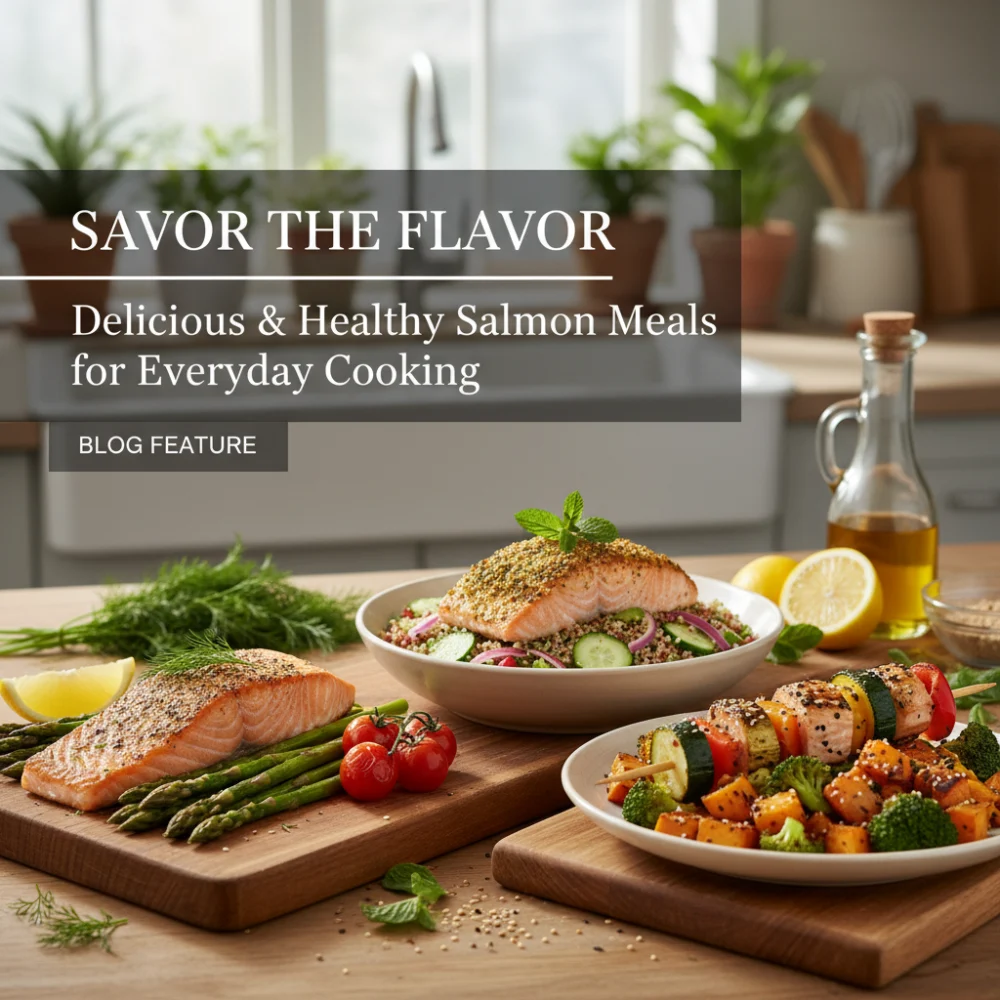
Lemon-Herb Baked Salmon with Roasted Asparagus: This classic combination is a go-to for a reason. Simply place salmon fillets and asparagus spears on a baking sheet, drizzle with olive oil, sprinkle with lemon zest, dried dill, salt, and pepper. Bake until salmon is cooked and asparagus is tender-crisp. A complete, nutritious meal on one pan!
Quick Pan-Seared Salmon with Garlic Green Beans: For a speedy dinner, pan-sear salmon as described above. While it cooks, sauté fresh green beans with minced garlic in a separate pan. Serve with a squeeze of fresh lemon juice for a bright, satisfying dish.
Grilled Salmon Tacos with Avocado Crema: Flake grilled or pan-seared salmon into warm tortillas. Top with shredded cabbage, a dollop of homemade avocado crema (blended avocado, Greek yogurt, lime juice), and a sprinkle of fresh cilantro. These are vibrant, flavorful, and surprisingly light.
Salmon Salad Wraps: Transform leftover cooked salmon into a delightful lunch. Flake the salmon and mix with Greek yogurt or light mayonnaise, chopped celery, red onion, and fresh herbs like parsley or chives. Serve in lettuce cups or whole-wheat wraps for a refreshing and protein-packed meal.
Sheet Pan Salmon with Mediterranean Vegetables: Combine salmon fillets with chopped bell peppers, zucchini, cherry tomatoes, and red onion on a sheet pan. Toss with olive oil, oregano, salt, and pepper. Roast until salmon is cooked and vegetables are tender. A simple, colorful, and highly nutritious dinner.
The right accompaniments can elevate your healthy salmon meals from good to extraordinary. Think about balance in flavor, texture, and nutrition.
For side dishes, consider:
- Quinoa or Brown Rice: Excellent sources of complex carbohydrates and fiber.
- Steamed or Roasted Vegetables: Broccoli, Brussels sprouts, spinach, or sweet potatoes add essential vitamins and fiber.
- Fresh Salads: A simple mixed green salad with a light vinaigrette provides freshness and crunch.
Sauces can add a burst of flavor without adding excessive calories. Try a simple lemon-dill sauce (Greek yogurt, lemon juice, fresh dill), a light pesto, or a vibrant mango salsa for a tropical twist. A squeeze of fresh lemon or lime juice is often all you need to brighten the salmon’s natural taste.
Incorporating salmon into your meal prep strategy is a fantastic way to ensure you have healthy, delicious options throughout the week. Cook a larger batch of salmon on Sunday and use it in various ways.
Consider cooking several fillets and flaking them for:
- Adding to salads for lunch.
- Stirring into pasta dishes.
- Making quick salmon patties or burgers.
- Creating protein-rich breakfast scrambles with vegetables.
Properly stored in airtight containers, cooked salmon can last for 3-4 days in the refrigerator.
Even with a simple ingredient like salmon, there are common pitfalls that can lead to less-than-perfect results. Being aware of these can help you avoid them and ensure consistently delicious healthy salmon meals.
Overcooking: This is the most frequent mistake. Overcooked salmon becomes dry, tough, and loses its delicate flavor. Salmon is done when it flakes easily with a fork and the internal temperature reaches 145°F (63°C). A slightly translucent center is often preferred for optimal moisture.
Not Seasoning Enough: Salmon has a lovely flavor, but it benefits greatly from proper seasoning. Don’t be shy with salt, pepper, and your chosen herbs or spices. Acidic elements like lemon or lime juice also enhance its taste.
Cooking on a Cold Pan: For pan-searing, ensure your pan is adequately heated before adding the salmon. A hot pan creates a beautiful sear and prevents sticking, especially important for the skin side.
Forgetting to Pat Dry: Before seasoning and cooking, pat your salmon fillets dry with paper towels. This helps achieve a crispier skin and a better sear, as excess moisture can steam the fish instead of searing it.
For those new to cooking fish, start with simple baked or pan-seared methods. They are forgiving and allow you to get a feel for how salmon cooks. Don’t be afraid to experiment with different seasonings as you gain confidence.
If you’re looking to expand your salmon repertoire, consider brining your salmon fillets for 15-30 minutes in a solution of water, salt, and a touch of sugar. This can enhance moisture and flavor. Also, explore global flavor profiles – think miso-glazed salmon, teriyaki salmon, or Cajun-spiced salmon.
Frequently Asked Questions About Healthy Salmon Meals
Q: Is frozen salmon as healthy as fresh salmon? A: Yes, absolutely! Frozen salmon is often flash-frozen shortly after being caught, locking in its nutrients and freshness. It’s a convenient and equally healthy option, often more affordable than fresh.
Q: How do I know when my salmon is cooked through? A: The best way is to use an instant-read thermometer; it should register 145°F (63°C) in the thickest part. Visually, it should flake easily with a fork and be opaque throughout, though some prefer a slightly translucent center for maximum moistness.
Q: Can I eat salmon skin? A: Yes, salmon skin is not only edible but often delicious, especially when crispy! It contains many of the same beneficial nutrients as the flesh. Just ensure it’s properly scaled and cooked until crisp.
Q: What’s the best way to reheat cooked salmon? A: To prevent drying it out, reheat salmon gently. A low oven (275°F/135°C) for 10-15 minutes, or a quick zap in the microwave on a low setting with a splash of water or broth, covered, are good options.
Incorporating healthy salmon meals into your daily cooking doesn’t have to be complicated. With its incredible versatility, rich flavor, and undeniable health benefits, salmon is an ideal choice for anyone seeking delicious, nutritious, and easy-to-prepare dishes. By mastering a few basic cooking techniques and embracing creative pairing ideas, you can enjoy the goodness of salmon regularly.
From quick weeknight dinners to elegant weekend meals, the possibilities with salmon are endless. Embrace the ease and flavor this remarkable fish brings to your table, and you’ll find yourself enjoying wholesome, satisfying meals that nourish both body and soul, day after day. Start experimenting today and discover your new favorite salmon dish!