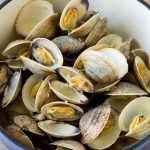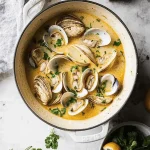


In this guide, we are going to demystify the process of buying, prepping, and cooking shellfish. We will explore five easy, foolproof recipes that range from light appetizers to hearty main courses. By the end of this article, you will be ready to head to the fishmonger with confidence.
Step 1: Choosing the Best Clams
Great seafood dishes start at the market. Unlike a steak or a bag of potatoes, shellfish must be alive when you buy them. When you are looking at clams in the display case, specific indicators tell you if they are fresh. First and foremost, trust your nose. Fresh clams should smell like the ocean—salty and clean—never fishy or pungent.
Look for shells that are tightly closed. If a shell is slightly open, give it a gentle tap. If the clam is alive and healthy, it will snap its shell shut immediately. If it remains open or feels sluggish, do not buy it. Also, avoid any clams with cracked or broken shells, as they are likely dead and unsafe to eat.
Pro Tip: For most of the recipes listed below, you will want to ask for Littlenecks or Manila clams. These are small, sweet, and tender. Larger varieties like Cherrystones are often too chewy for steaming and are better suited for stuffing or chopping up for chowder.
Step 2: The Crucial Clean
Nothing ruins a beautiful seafood dinner faster than grit. Clams live in the sand, and they often hold onto that sand inside their shells. While most commercially farmed clams are fairly clean, you should always purge them to be safe.
To purge your clams, place them in a large bowl of cold water mixed with a generous amount of sea salt (about 1/4 cup of salt per quart of water). Let them sit for about 20 to 30 minutes. This mimics sea water, encouraging the clams to filter feed and expel any sand they are holding. Afterward, lift the clams out of the water (don’t dump into a colander, or you’ll pour the sand back over them) and scrub the shells with a stiff brush under cold running water.
Recipe 1: Classic White Wine and Garlic Steamers
This is the quintessential clam recipe. It is elegant, incredibly fast, and requires only a handful of ingredients. It serves perfectly as an appetizer or a light dinner when paired with a green salad.
Ingredients:
- 2 lbs Littleneck clams, scrubbed
- 3 tbsp butter
- 4 cloves garlic, minced
- 1 cup dry white wine (Sauvignon Blanc or Pinot Grigio)
- 1/2 tsp red pepper flakes
- Fresh parsley, chopped
- Crusty baguette for dipping
Instructions:
Start by melting the butter in a large pot or Dutch oven over medium heat. Add the minced garlic and red pepper flakes, sautéing for just a minute until the garlic is fragrant but not browned. Burnt garlic will introduce a bitter taste that you want to avoid.
Pour in the white wine and bring the mixture to a rolling boil. Let it bubble for 2 minutes to cook off the sharp alcohol edge. Gently add your clams to the pot and immediately cover it with a tight-fitting lid. This traps the steam, which is what cooks the shellfish.
Cook for 5 to 7 minutes. Give the pot a shake halfway through. Remove the lid and check; the clams should be wide open. Discard any that remained closed. Sprinkle generously with fresh parsley and serve immediately with the baguette to soak up that
Recipe 2: Linguine alle Vongole (Clam Pasta)
If you want a main course that feels like a trip to the Amalfi Coast, this is it. The starch from the pasta mixes with the clam liquor to create a creamy, emulsified sauce without using any cream.
The Method:
Boil a pot of salted water and cook your linguine until it is just shy of al dente. While the pasta cooks, heat olive oil in a wide skillet. Add sliced garlic and a pinch of chili flakes. Add the clams and a splash of white wine, then cover to steam as described in the previous recipe.
Once the clams open, transfer the pasta directly from the boiling water into the skillet with the clams. This is the secret: add a ladle of the starchy pasta water to the skillet. Toss the pasta and clams vigorously over high heat for a minute. The agitation mixes the oil and starch water, creating a glossy sauce that clings to every strand of linguine. Finish with lemon zest and parsley.
Recipe 3: Simplified New England Clam Chowder
Chowder has a reputation for being an all-day affair, but you can make a comforting version in under 45 minutes. This recipe focuses on the creamy, savory elements that make New England chowder famous.
Start by rendering 4 slices of chopped bacon in a heavy soup pot until crispy. Remove the bacon but leave the fat. Add diced onions and celery to the bacon fat and cook until soft. Sprinkle 2 tablespoons of flour over the vegetables and stir for a minute to cook out the raw flour taste.
Slowly whisk in a bottle of clam juice (available in the soup aisle) and a cup of vegetable broth. Add diced russet potatoes and simmer until the potatoes are tender, usually about 15 minutes. Finally, add your chopped clams (you can use fresh clams you’ve steamed and chopped, or high-quality canned clams for ease) and a cup of heavy cream or half-and-half.
Simmer gently—do not boil, or the dairy might curdle—until heated through. Top with the crispy bacon bits, fresh thyme, and serve with oyster crackers.
Recipe 4: Spicy Spanish-Style Clams with Chorizo
This recipe plays on the ‘surf and turf’ concept, mixing the briny sweetness of the clams with the smoky, paprika-rich fat of cured Spanish chorizo. It is a bold dish with vibrant colors.
How to make it:
Slice cured chorizo into coins and fry them in a dry pan until they release their bright orange oil. Remove the chorizo. In that same flavorful oil, sauté a diced shallot and some diced tomatoes.
Add the clams and a splash of dry sherry or cider. Cover and steam until opened. Return the crispy chorizo to the pan. The smoky oil coats the clams, creating a deeply savory flavor profile. Serve this with grilled bread rubbed with garlic.
Recipe 5: Summer Grilled Clams with Herb Butter
If you don’t want to heat up the kitchen, take the clams outside. Grilling clams adds a subtle smokiness that you just can’t get on the stovetop.
Preheat your grill to high heat. You can place the clams directly on the grate, but be careful—as they open, they release delicious juice that will fall into the flames. A better method is to make a foil packet or use a disposable aluminum pan.
Place the clams in the pan with a stick of butter, garlic, lemon slices, and fresh dill. Place the pan on the grill grate and close the grill lid. Check after 6 or 7 minutes. As soon as they pop open, they are ready. The butter will have melted and mixed with the clam juice to create an instant dipping sauce.
Important Expert Tips for Success
1. The ‘Discard’ Rule: We cannot stress this enough—if a clam does not open after being steamed, throw it away. This usually indicates the clam was dead before it went into the pot, and eating it could make you sick. Do not try to pry it open.
2. Don’t Overcook: Clams are delicate. As soon as the shell opens, the meat is cooked. If you leave them boiling for 10 minutes after they’ve opened, the meat will turn into rubber. Keep an eye on the pot.
3. Storage: If you buy clams in the morning for a dinner cooked that evening, store them in a bowl in the fridge covered with a damp cloth. Do not store them in water (they will use up the oxygen and die) and do not seal them in an airtight plastic bag (they need to breathe).
Conclusion
Cooking clams at home is one of the highest-reward activities you can do in the kitchen. For a minimal investment of time and money, you get a dish that feels luxurious, healthy, and communal. Whether you are tossing them with pasta for a Tuesday night dinner or grilling them for a backyard party, these recipes prove that seafood doesn’t have to be complicated to be delicious.
So, next time you pass the seafood counter, don’t keep walking. Pick up a mesh bag of Littlenecks, grab a bottle of white wine and a baguette, and treat yourself to a feast that tastes like the ocean.