
Welcome to the world of delicious and healthy home cooking! If you’re looking to add a touch of culinary elegance to your weeknight dinners or impress guests without stress, salmon is your perfect partner. This versatile fish is not only packed with incredible nutrients but also surprisingly easy to prepare, even for beginner cooks.
Many people shy away from cooking fish at home, fearing it’s too complicated or difficult to get right. We’re here to debunk that myth! With the right guidance and a few simple techniques, you’ll be creating restaurant-quality salmon dishes in your own kitchen in no time.
This comprehensive guide will walk you through a variety of easy salmon recipes, from classic baked options to speedy pan-seared delights and flavorful grilled creations. Get ready to unlock the secrets to perfectly cooked, flaky, and utterly delicious salmon.
Salmon stands out as a true superfood. It’s an excellent source of omega-3 fatty acids, which are vital for heart health, brain function, and reducing inflammation. Beyond that, it’s rich in high-quality protein, essential vitamins like D and B12, and minerals such as selenium and potassium.
Incorporating salmon into your diet regularly can contribute to improved overall well-being. Plus, its rich, buttery flavor and satisfying texture make it a pleasure to eat, ensuring that healthy eating never feels like a chore.
Before diving into the recipes, let’s talk about choosing the best salmon. Look for fillets that are bright in color, firm to the touch, and have a fresh, mild scent – never fishy. Whether you opt for wild-caught or farmed, both offer excellent nutritional benefits.
Wild-caught salmon, such as Sockeye or Coho, often has a deeper color and a more intense flavor. Farmed salmon, like Atlantic salmon, tends to be fattier and milder, making it a great choice for those new to fish.
Don’t hesitate to use frozen salmon! It’s often flash-frozen at peak freshness, locking in nutrients and flavor. Thaw it slowly in the refrigerator overnight, or for a quicker method, submerge the sealed package in cold water, changing the water every 30 minutes until thawed.
You don’t need a gourmet kitchen to cook amazing salmon. A few basic tools will suffice: a good non-stick pan or cast-iron skillet, a baking sheet, parchment paper, tongs, and a meat thermometer are all incredibly useful.
For ingredients, think simple: good quality olive oil, salt, freshly ground black pepper, and a lemon are often all you need to enhance salmon’s natural flavor. Fresh herbs like dill, parsley, or thyme also pair wonderfully.
Regardless of the cooking method, a few foundational steps will always improve your salmon:
- Pat Dry: Always pat your salmon fillets thoroughly dry with paper towels. This is crucial for achieving crispy skin and a good sear.
- Season Generously: Don’t be shy with salt and pepper. A well-seasoned fish makes all the difference.
- Room Temperature: For even cooking, let your salmon sit out at room temperature for about 10-15 minutes before cooking.
One of the most popular and foolproof methods for cooking salmon is baking. It’s hands-off, creates minimal mess, and results in wonderfully tender, flaky fish.
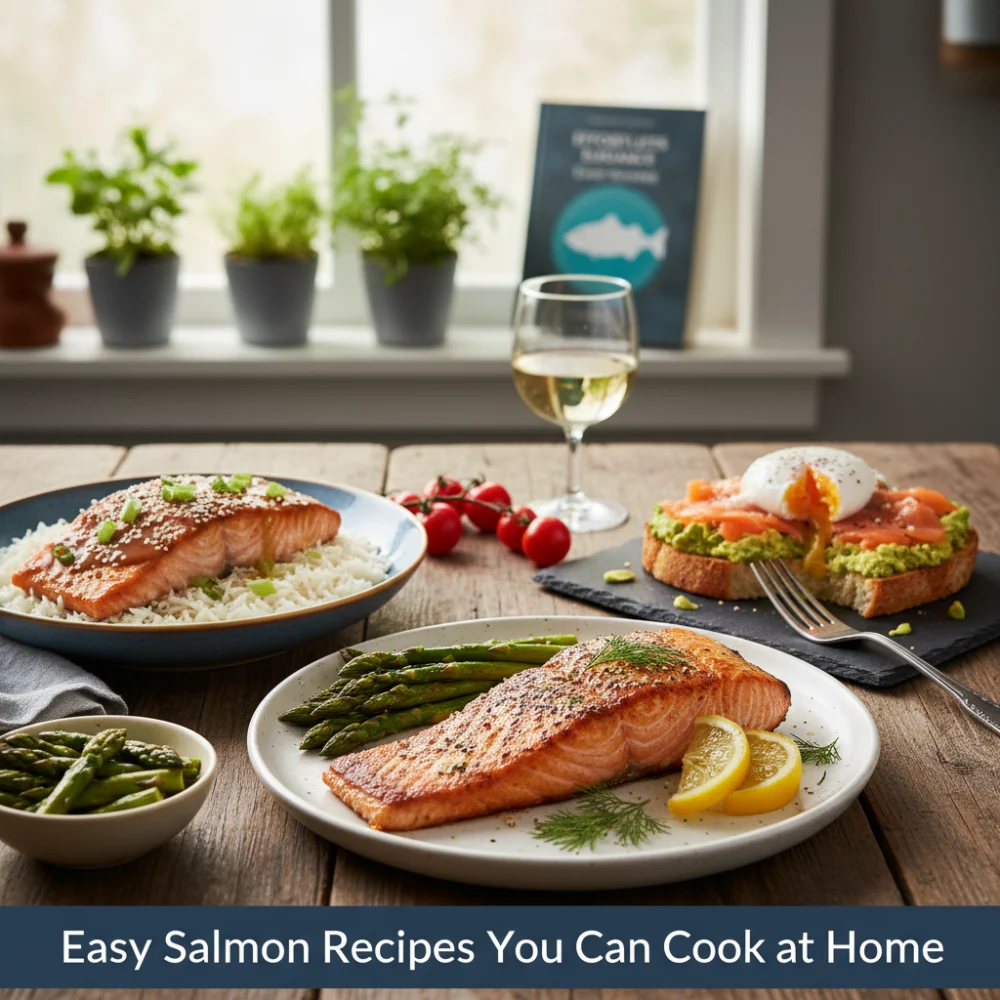
Classic Baked Salmon with Lemon-Dill: Ingredients: 2 salmon fillets (6 oz each), 1 tbsp olive oil, 1/2 tsp salt, 1/4 tsp black pepper, 1 lemon (sliced), 2 sprigs fresh dill.
Instructions:
- Preheat oven to 400°F (200°C). Line a baking sheet with parchment paper.
- Place salmon fillets on the prepared baking sheet. Drizzle with olive oil, then season generously with salt and pepper.
- Top each fillet with lemon slices and a sprig of fresh dill.
- Bake for 12-15 minutes, or until the salmon flakes easily with a fork and reaches an internal temperature of 145°F (63°C).
- Serve immediately with your favorite side dishes.
For a quick and flavorful weeknight meal, pan-searing is unbeatable. It delivers a beautifully crispy skin and a moist interior.
Quick Pan-Seared Salmon with Garlic Butter: Ingredients: 2 salmon fillets (skin-on preferred), 1 tbsp olive oil, 2 tbsp unsalted butter, 2 cloves garlic (minced), 1 tbsp fresh parsley (chopped), salt and pepper to taste.
Instructions:
- Pat salmon fillets very dry. Season both sides with salt and pepper.
- Heat olive oil in a non-stick or cast-iron skillet over medium-high heat until shimmering.
- Place salmon skin-side down in the hot skillet. Sear for 4-6 minutes, pressing gently with a spatula to ensure full contact with the pan, until the skin is crispy and golden brown.
- Flip the salmon. Add butter and minced garlic to the pan. Baste the salmon with the melting garlic butter.
- Cook for another 3-5 minutes, or until cooked through. Garnish with fresh parsley.
Grilling imparts a smoky flavor and beautiful char to salmon. It’s perfect for summer cookouts or whenever you crave that outdoor taste.
Flavorful Grilled Salmon with Honey-Soy Glaze: Ingredients: 2 salmon fillets, 2 tbsp soy sauce, 1 tbsp honey, 1 tsp grated fresh ginger, 1 clove garlic (minced), 1 tsp sesame oil.
Instructions:
- Whisk together soy sauce, honey, ginger, garlic, and sesame oil to create the glaze.
- Pat salmon dry. Brush generously with the glaze.
- Preheat grill to medium-high heat. Lightly oil the grill grates.
- Place salmon skin-side down on the grill. Grill for 4-6 minutes per side, brushing with more glaze during the last few minutes of cooking, until cooked through and nicely charred.
For ultimate convenience and minimal cleanup, a sheet pan meal is a game-changer. Cook your protein and veggies all on one tray!
Effortless Sheet Pan Salmon and Veggies: Ingredients: 2 salmon fillets, 1 cup broccoli florets, 1 bell pepper (sliced), 1/2 red onion (sliced), 2 tbsp olive oil, 1 tsp dried Italian seasoning, salt and pepper.
Instructions:
- Preheat oven to 400°F (200°C). Line a large baking sheet with parchment paper.
- On the baking sheet, toss broccoli, bell pepper, and red onion with 1 tbsp olive oil, Italian seasoning, salt, and pepper. Spread in a single layer.
- Roast for 10 minutes.
- Push vegetables to one side. Place salmon fillets on the other side. Drizzle salmon with remaining 1 tbsp olive oil and season with salt and pepper.
- Return to oven and roast for another 12-15 minutes, or until salmon is cooked and vegetables are tender-crisp.
When you need dinner on the table in a flash, a salmon stir-fry is a brilliant choice. It’s customizable and bursting with fresh flavors.
Speedy Salmon Stir-Fry: Ingredients: 2 salmon fillets (cubed), 1 tbsp sesame oil, 1 cup mixed stir-fry vegetables (e.g., snap peas, carrots, bell peppers), 1/4 cup stir-fry sauce (store-bought or homemade), cooked rice for serving.
Instructions:
- Heat sesame oil in a large skillet or wok over medium-high heat.
- Add cubed salmon and stir-fry for 3-4 minutes until lightly browned. Remove salmon from the pan and set aside.
- Add mixed vegetables to the same pan and stir-fry for 3-5 minutes until tender-crisp.
- Return salmon to the pan. Pour in stir-fry sauce and toss to coat everything. Cook for 1-2 minutes more, just until heated through.
- Serve immediately over hot cooked rice.
These recipes are just starting points! Feel free to experiment with different flavor profiles. Try a spicy Cajun rub, a bright citrus marinade, or a creamy pesto sauce. The beauty of salmon is its ability to pair well with a wide array of ingredients.
Consider serving your salmon with a variety of sides. Roasted asparagus, quinoa salad, mashed sweet potatoes, or a simple green salad all complement salmon beautifully, creating a balanced and satisfying meal.
Even with the easiest recipes, a few common pitfalls can hinder your salmon success. Knowing them can help you avoid them.
Overcooking: This is the most common mistake. Overcooked salmon becomes dry, tough, and loses its delicate flavor. Aim for an internal temperature of 145°F (63°C), and remember it will continue to cook slightly after being removed from heat.
Under-seasoning: Salmon needs a good amount of seasoning to bring out its best flavor. Don’t be afraid to use salt, pepper, and your favorite herbs or spices.
Cooking on a cold pan: For pan-seared salmon, ensure your pan and oil are hot before adding the fish. This creates that desirable crispy skin and prevents sticking.
Here are some expert insights to ensure your salmon turns out perfect every single time:
- Use a Meat Thermometer: This is your best friend for perfectly cooked fish. Insert it into the thickest part of the fillet.
- Rest Your Fish: Just like meat, salmon benefits from a few minutes of resting after cooking. This allows the juices to redistribute, resulting in a more succulent fillet.
- Skin On or Off? The skin adds flavor and helps keep the fish moist. If you like crispy skin, cook it skin-side down for most of the cooking time. If you prefer no skin, it’s easy to remove after cooking.
- Don’t Crowd the Pan: If pan-searing, cook in batches if necessary to avoid steaming the fish, which prevents a good sear.
Salmon is incredibly versatile and can be tailored for any meal. For a quick weeknight, a simple baked or pan-seared fillet with a side of steamed greens is ideal. For entertaining, a beautifully grilled salmon with a vibrant salsa can be a showstopper.
Planning ahead can make cooking salmon even easier. Marinate your fillets in the morning, or chop your vegetables for a sheet pan meal the night before. This streamlines the cooking process when you’re short on time.
Q: How long does it take to cook salmon? A: Generally, salmon cooks quickly. For fillets about 1-inch thick, it’s usually 12-15 minutes in the oven at 400°F, or 4-6 minutes per side when pan-searing or grilling.
Q: How do I know when salmon is cooked through? A: The easiest way is with a meat thermometer, aiming for 145°F (63°C). Visually, the flesh should flake easily with a fork and be opaque throughout, though a slight translucency in the very center is fine.
Q: Can I cook salmon from frozen? A: Yes, you can! For baking or roasting, you might need to increase the cooking time by about 50%. For pan-searing, it’s best to thaw first to achieve that crispy skin.
Q: What’s the best way to store leftover cooked salmon? A: Store in an airtight container in the refrigerator for up to 2-3 days. Reheat gently to prevent drying out, or enjoy cold in salads or sandwiches.
Cooking salmon at home doesn’t have to be intimidating. With these easy salmon recipes and practical tips, you’re well on your way to preparing healthy, delicious, and impressive meals any day of the week. Embrace the simplicity and incredible flavor of salmon, and enjoy the culinary journey!
From quick weeknight dinners to elegant weekend feasts, salmon offers endless possibilities. So grab a fillet, choose your favorite recipe, and savor the satisfaction of creating something truly wonderful in your own kitchen.