
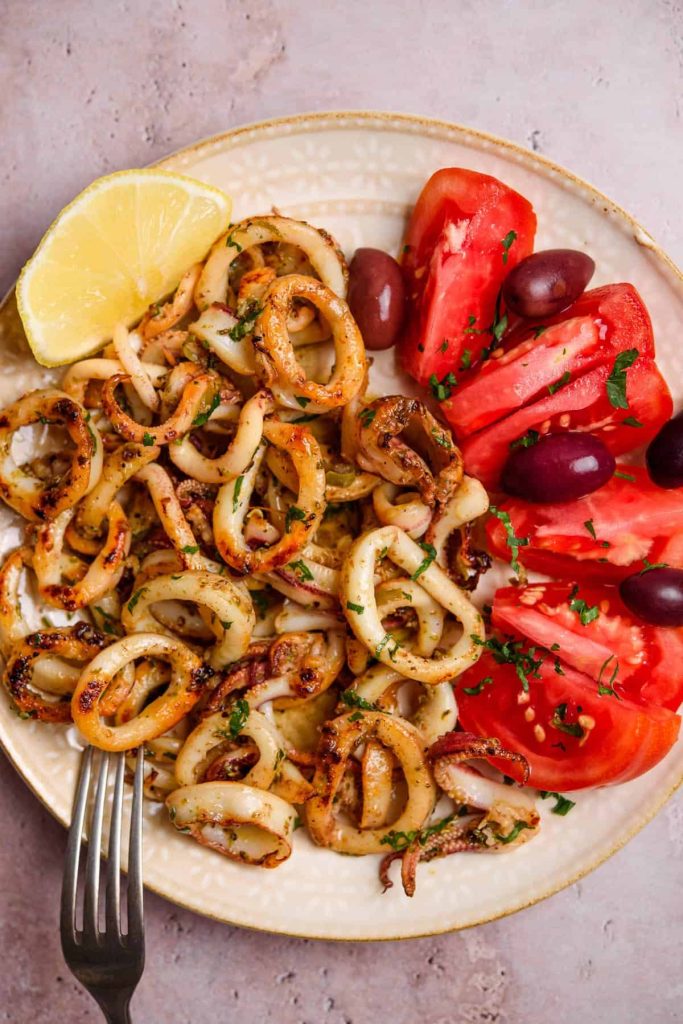

This comprehensive guide will demystify the process, taking you from selecting the freshest squid to achieving that perfect golden sear and delicate texture. We’ll delve into cleaning, scoring, marinating, and all the essential steps to ensure your pan-seared squid is not just good, but truly outstanding.
Before we dive into the cooking, let’s understand why pan-searing is such an excellent method for squid. Unlike deep-frying, which often masks the squid’s natural flavor, pan-searing highlights its delicate sweetness and unique texture. It’s a quick cooking method that, when done correctly, caramelizes the exterior while keeping the interior succulent and tender, preventing the dreaded rubbery outcome.
Furthermore, pan-searing uses minimal oil, making it a lighter, healthier alternative to other cooking methods. It’s versatile, allowing for endless flavor combinations through marinades and finishing sauces, making it suitable for appetizers, main courses, or as a vibrant addition to salads and pasta dishes.
The journey to perfect pan-seared squid begins at the fish counter. Freshness is paramount. Look for squid with bright, translucent skin and a firm, intact body. The eyes should be clear and bulging, not cloudy or sunken. A fresh squid should have a mild, briny scent, reminiscent of the ocean, not a strong, fishy odor.
If fresh squid isn’t available, high-quality frozen squid can be an excellent alternative. Opt for individually quick-frozen (IQF) squid, which helps preserve its texture. Thaw it slowly in the refrigerator overnight, then pat it thoroughly dry before proceeding with the preparation.
When selecting squid, consider its size. Smaller squid (often referred to as ‘baby squid’) tend to be more tender and cook even faster, making them ideal for pan-searing. Larger squid can also be used, but may require more aggressive scoring to ensure tenderness.
- Separate the Head and Tentacles: Firmly grasp the body (mantle) in one hand and the head just below the eyes in the other. Pull them apart with a gentle twist. The entrails will usually come out with the head.
- Remove the Quill: Inside the mantle, you’ll find a clear, plastic-like ‘quill’ or ‘pen’. Reach inside and pull it out. It should slide out easily.
- Clean the Mantle Interior: Rinse the inside of the mantle under cold running water to remove any remaining entrails or debris.
- Prepare the Tentacles: Locate the hard, beak-like mouth at the base of the tentacles. Squeeze it out and discard. You can also trim the tentacles just above the eyes if desired.
- Remove the Skin (Optional but Recommended): For a cleaner appearance and sometimes a more tender result, peel off the speckled purplish skin from the mantle. It usually comes off in strips with a little effort under cold water.
- Rinse and Dry: Give all parts a final rinse and, most importantly, pat them thoroughly dry with paper towels. Excess moisture will steam the squid instead of searing it, preventing that coveted golden crust.
Scoring the squid mantle is a technique often overlooked but incredibly beneficial. It serves multiple purposes: it helps prevent the squid from curling excessively during cooking, increases the surface area for marinades to penetrate, and, most importantly, tenderizes the flesh by breaking down some of the muscle fibers.
To score, lay the cleaned and dried mantle flat on a cutting board. Using a sharp knife held at a shallow angle, make parallel cuts across the inside surface, about 1/8 to 1/4 inch deep and 1/4 inch apart. Be careful not to cut all the way through. For a visually appealing ‘pineapple’ or ‘crosshatch’ pattern, rotate the mantle 90 degrees and repeat the parallel cuts. This pattern also allows for maximum tenderness.
While squid cooks so quickly that marinades don’t have extensive time to tenderize it significantly, they are fantastic for infusing flavor. The key is a short marination time – typically 15 to 30 minutes is sufficient. Longer marination, especially with acidic ingredients, can actually toughen the squid.
- Mediterranean: Lemon juice, olive oil, minced garlic, fresh oregano, parsley, a pinch of red pepper flakes.
- Asian Inspired: Soy sauce, sesame oil, ginger, garlic, a touch of honey or brown sugar.
- Spicy Latin: Lime juice, olive oil, chopped cilantro, minced jalapeño, cumin, paprika.
Remember to pat the squid dry again after marinating to remove any excess liquid, as moisture is the enemy of a good sear.
The right equipment can make a difference. A heavy-bottomed pan that retains heat well is essential. Cast iron skillets or good quality stainless steel pans are ideal. Non-stick pans can work, but they often don’t achieve the same level of searing and caramelization due to lower heat retention.
High heat is non-negotiable for pan-seared squid. You want the pan screaming hot before the squid even touches it. This ensures a quick sear and prevents the squid from releasing too much moisture and steaming. Use an oil with a high smoke point, such as grapeseed oil, canola oil, avocado oil, or refined olive oil. Extra virgin olive oil has a lower smoke point and can burn, imparting a bitter flavor.
- Preheat the Pan: Place your heavy-bottomed pan over high heat for 3-5 minutes until it’s very hot. You should see wisps of smoke if using a well-seasoned cast iron.
- Add Oil: Pour in a tablespoon or two of high smoke point oil. Swirl to coat the bottom of the pan. It should shimmer almost immediately.
- Add Squid (in Batches): Add the thoroughly dried and, if desired, marinated squid to the hot pan in a single layer. Do not overcrowd the pan. Overcrowding will lower the pan’s temperature, causing the squid to steam rather than sear, leading to a rubbery texture. You’ll likely need to cook the squid in several batches.
- Sear Quickly: Let the squid sear undisturbed for 1 to 2 minutes per side. You’re looking for opaque white flesh with beautiful golden-brown edges and slight charring. The scored side will often curl up and develop a lovely texture.
- Season and Serve Immediately: As soon as the squid is cooked, remove it from the pan. Season with salt and freshly ground black pepper to taste. Squid is best served immediately, as it can toughen as it cools.
- Overcooking: This is the most common culprit for rubbery squid. Squid cooks very quickly. A minute too long can turn tender into tough.
- Under-Drying: Wet squid will steam in the pan, preventing a good sear. Always pat it bone dry before cooking.
- Overcrowding the Pan: As mentioned, this drops the pan temperature and leads to steaming. Cook in small batches.
- Low Heat: Insufficient heat will also cause steaming and prevent caramelization. Ensure your pan is screaming hot.
- Not Seasoning: Squid has a delicate flavor that benefits immensely from proper seasoning with salt and pepper, either before or immediately after cooking.
Pan-seared squid is incredibly versatile and pairs well with a multitude of flavors and dishes. For a simple, elegant presentation, a squeeze of fresh lemon juice, a drizzle of good quality extra virgin olive oil, and a sprinkle of fresh chopped parsley or cilantro are often all you need.
Consider serving your pan-seared squid with a vibrant sauce. A classic garlic aioli, a spicy romesco, a zesty chimichurri, or a simple chili oil can elevate the dish. For Asian-inspired squid, a ponzu sauce or a sweet chili dipping sauce works wonderfully.
Beyond just a standalone appetizer, pan-seared squid shines in various culinary contexts:
- Tossed into a fresh green salad with a light vinaigrette.
- Served over a bed of pasta with cherry tomatoes, garlic, and white wine.
- As a protein component in a rice bowl with your favorite vegetables.
- Part of a Spanish-style tapas spread with crusty bread for dipping.
- Layered into tacos or wraps with crunchy slaw.
Experiment with different herbs and spices. Rosemary and thyme can add a rustic, earthy note, while smoked paprika and cayenne pepper can introduce a delightful warmth and spice. The delicate flavor of squid acts as a beautiful canvas for culinary creativity.
For a delightful Mediterranean twist, pan-sear squid with sliced garlic, cherry tomatoes, and a splash of white wine. Finish with fresh basil and a drizzle of balsamic glaze. This creates a light yet incredibly flavorful dish perfect for a summer evening.
If you’re leaning towards an Asian profile, marinate the squid in soy sauce, ginger, garlic, and a touch of mirin. Pan-sear quickly and serve with a sprinkle of toasted sesame seeds and chopped scallions. This makes for an excellent appetizer or a component of a larger Asian-inspired meal.
For those who enjoy a bit of heat, a spicy pan-seared squid can be achieved by adding red pepper flakes to your marinade or finishing the dish with a sprinkle of chili powder or a hot sauce. The quick sear ensures the heat infuses without overpowering the squid’s natural sweetness.
Beyond its delicious taste and versatility, squid also offers several nutritional benefits. It is an excellent source of lean protein, making it a great option for those looking to increase their protein intake without adding excessive fat.
Squid is also rich in essential vitamins and minerals, including Vitamin B12, selenium, copper, and phosphorus. These nutrients play vital roles in energy production, immune function, and bone health. Its low calorie count further adds to its appeal as a healthy seafood choice.
In conclusion, mastering pan-seared squid is a rewarding culinary endeavor that brings a touch of gourmet elegance to your home kitchen. By understanding the importance of fresh ingredients, meticulous cleaning, strategic scoring, and the critical role of high heat and quick cooking, you can consistently achieve tender, flavorful results.
Don’t be intimidated by squid; embrace its potential. With the tips and techniques outlined in this guide, you are now equipped to transform this humble cephalopod into a truly spectacular dish that will impress your family and friends. So, fire up that pan, grab your calamari, and get ready to enjoy a taste of the ocean, perfectly seared and utterly delicious.
Experiment with marinades, play with different serving suggestions, and discover your favorite way to enjoy this versatile seafood. The journey to perfect pan-seared squid is an enjoyable one, promising delectable rewards with every perfectly cooked bite. Happy cooking!