
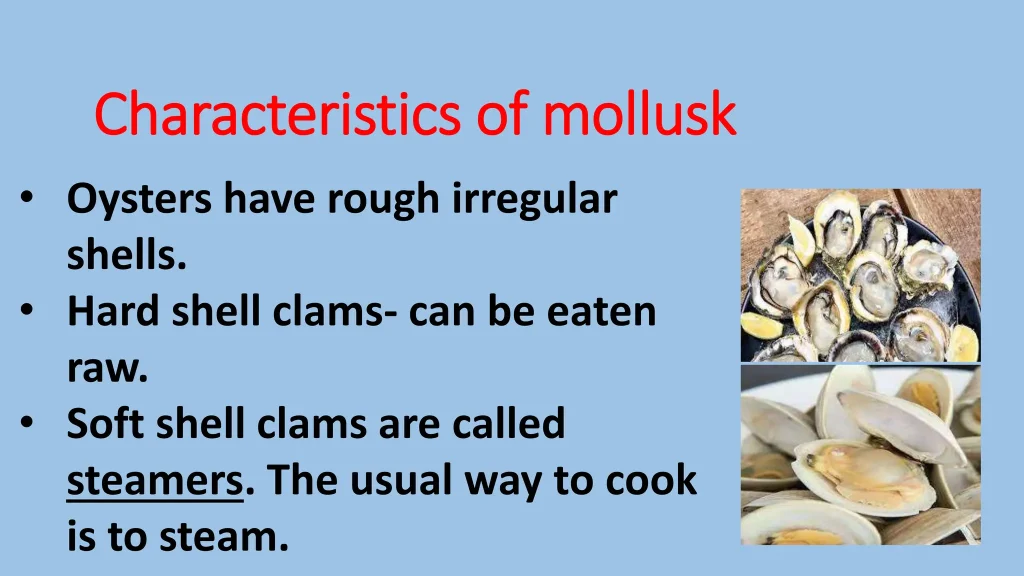

Whether you’re a seasoned seafood enthusiast or a curious beginner, understanding the nuances of cooking oysters will elevate your culinary skills and broaden your appreciation for this incredible mollusk. From steaming to grilling, frying to roasting, we’ll explore popular methods that are surprisingly simple to master, ensuring a delightful experience for your taste buds.
Why Cook Oysters? Unlocking New Dimensions of Flavor
While raw oysters offer a pure taste of the ocean, cooking them introduces new dimensions of flavor and texture. Heat transforms the oyster meat, often making it firmer, sweeter, and less intensely briny, which can be particularly appealing to those who find raw oysters too strong. Cooked oysters also provide a fantastic canvas for various seasonings, sauces, and toppings, opening up endless recipe possibilities.
Furthermore, cooking oysters can alleviate concerns about consuming them raw, making them accessible to a wider audience. It’s a fantastic way to enjoy their nutritional benefits, which include high levels of zinc, iron, and Omega-3 fatty acids, in a comforting and satisfying manner.
Choosing and Preparing Your Oysters for Cooking
The journey to perfectly cooked oysters begins with selecting fresh, high-quality specimens. Always choose oysters that are tightly closed; if any are slightly ajar, tap them gently – they should snap shut. Discard any that remain open or have a strong, unpleasant odor. Look for oysters that feel heavy for their size, indicating they are full of liquor.
Before cooking, a thorough cleaning is essential. Use a stiff brush under cold running water to scrub away any dirt, mud, or debris from the shells. This prevents grit from entering your dish when the oysters open. Store oysters in the refrigerator, cup-side down, covered with a damp cloth, until you’re ready to cook them.
Shucking for Success: A Brief Overview
While some cooking methods allow oysters to open naturally with heat, many recipes, especially those involving toppings, require pre-shucking. Shucking oysters takes practice but is a valuable skill. Use a sturdy oyster knife and wear a thick glove to protect your hand. Insert the knife into the hinge, twist to pop it open, then slide the knife along the top shell to detach the adductor muscle. Remove the top shell, loosen the oyster from the bottom shell, and discard any grit or broken shell pieces, keeping the oyster liquor intact.
Popular Methods for How to Cook Oysters
Let’s explore the most common and delicious ways to prepare oysters. Each method brings out unique characteristics of the mollusk, offering a diverse culinary experience.
1. Steaming Oysters: Simple and Succulent
Steaming is one of the easiest ways to cook oysters, resulting in tender, plump meat with a delicate flavor. It’s a gentle method that preserves much of the oyster’s natural brininess.
- How to Steam Oysters: Place a steamer basket in a large pot with about an inch of water (or white wine for added flavor). Arrange the cleaned oysters in a single layer in the basket. Bring the liquid to a boil, then cover the pot tightly and steam for 5-10 minutes, or until the shells open. Discard any oysters that do not open.
- Expert Tip: Serve immediately with melted butter, a squeeze of lemon, or your favorite mignonette. The residual heat will continue to cook them, so remove them promptly once open.
2. Grilling Oysters: Smoky and Savory
Grilling imparts a wonderful smoky flavor and a slightly charred texture to oysters, making them a fantastic choice for outdoor gatherings. They can be grilled in their shells or shucked with toppings.
- How to Grill Oysters: For in-shell grilling, place cleaned oysters directly on a hot grill grate (medium-high heat), cup-side down. Grill for 5-10 minutes, or until the shells begin to open and the edges curl. Use tongs to carefully remove them. For shucked oysters, place them on a grill-safe tray or directly on the grates if large enough, adding butter, garlic, or cheese for extra flavor.
- Expert Tip: A dollop of garlic-herb butter or a sprinkle of Parmesan cheese melted over grilled oysters is absolutely divine.
3. Roasting Oysters: Elegant and Flavorful
Roasting oysters in the oven is perfect for preparing larger batches, especially when you want to infuse them with rich flavors like garlic, herbs, or cheese. This method is often used for classic dishes like Oysters Rockefeller.
- How to Roast Oysters: Preheat your oven to 400°F (200°C). Place cleaned oysters on a baking sheet, cup-side down. Roast for 10-15 minutes, or until they open. Carefully remove the top shell, being mindful of hot oyster liquor. If shucked, arrange them on a bed of rock salt on a baking sheet (to keep them level), top with your desired ingredients, and roast for 8-12 minutes, or until toppings are bubbly and golden.
- Expert Tip: Try a simple topping of breadcrumbs, finely chopped parsley, garlic, and a drizzle of olive oil before roasting for a delightful crunch.
4. Frying Oysters: Crispy and Indulgent
Fried oysters offer a crispy exterior and a tender, briny interior – a truly indulgent treat. This method is particularly popular in coastal regions.
- How to Fry Oysters: Shuck your oysters and pat them dry. Prepare a dredging station with flour, beaten eggs (or buttermilk), and seasoned breadcrumbs or cornmeal. Dip each oyster first in flour, then egg, then breadcrumbs, ensuring full coating. Fry in hot oil (350-375°F / 175-190°C) for 2-3 minutes per side, or until golden brown and crispy.
- Expert Tip: Don’t overcrowd the pan; fry in batches to maintain oil temperature and ensure even crispness. Serve with tartar sauce or a spicy remoulade.
5. Broiling Oysters: Quick and Cheesy
Broiling offers a rapid way to cook oysters, achieving a beautiful golden-brown finish on toppings in mere minutes. It’s ideal for quick appetizers.
- How to Broil Oysters: Shuck oysters and arrange them on a baking sheet, nestled in rock salt to stabilize them. Top with your chosen ingredients (e.g., butter, garlic, cheese, hot sauce). Broil on high for 3-5 minutes, keeping a close eye to prevent burning, until the toppings are bubbly and lightly browned.
- Expert Tip: Broiling is fantastic for a quick Oysters Casino or for melting a generous layer of Gruyère cheese over the top.
6. Baking Oysters: Versatile and Flavorful
Similar to roasting, baking oysters provides a slightly gentler heat, making it excellent for dishes where you want the flavors to meld slowly, such as in casseroles or with rich, creamy sauces.
- How to Bake Oysters: Whether in their shells or shucked, place oysters in a baking dish. If shucked, they can be bathed in a sauce or covered with a gratin topping. Bake at 375°F (190°C) for 15-20 minutes, or until thoroughly heated and any toppings are cooked through.
- Expert Tip: For a creamy baked oyster dish, combine shucked oysters with a béchamel sauce, spinach, and a hint of Pernod, then bake until bubbly.
Common Mistakes to Avoid When Cooking Oysters
Even with the best intentions, a few missteps can diminish the quality of your cooked oysters. Being aware of these common errors will help you achieve perfection.
- Overcooking: This is the most frequent mistake. Overcooked oysters become tough, rubbery, and lose their delicate flavor. Cook just until they open (for in-shell methods) or until heated through and lightly firm.
- Not Cleaning Properly: Grit from uncleaned shells can ruin the experience. Always scrub oysters thoroughly before cooking.
- Forcing Open Unopened Shells: If an oyster doesn’t open during cooking, it’s best to discard it. It might have been dead before cooking, or contain bacteria.
- Ignoring Freshness: Always start with the freshest possible oysters. If they don’t smell like the ocean, don’t cook them.
- Improper Shucking: If you’re shucking, ensure you fully detach the oyster from the shell and remove any shell fragments to make eating enjoyable.
Essential Tools for Your Oyster Cooking Adventure
- Oyster Knife: Indispensable for shucking. Choose one with a sturdy blade and a comfortable handle.
- Oyster Glove or Thick Towel: Essential for protecting your hand while shucking.
- Stiff Scrub Brush: For cleaning shells.
- Tongs: For handling hot oysters on the grill or from the steamer.
- Baking Sheet or Grill Basket: For roasting, broiling, or grilling shucked oysters.
- Rock Salt: Helps stabilize shucked oysters on a baking sheet.
Flavor Pairings and Accompaniments for Cooked Oysters
- Sauces: Melted garlic butter, lemon butter, hot sauce, mignonette (especially for steamed/grilled), remoulade, cocktail sauce.
- Herbs & Spices: Parsley, chives, thyme, tarragon, paprika, cayenne pepper.
- Cheeses: Parmesan, Gruyère, Pecorino Romano.
- Liquids: White wine (for steaming), Pernod or absinthe (for classic preparations), lemon juice.
- Crunch: Breadcrumbs, crushed crackers, bacon bits.
- Sides: Crusty bread, a simple green salad, rice pilaf.
Tips for Perfect Cooked Oysters Every Time
- Start with Quality: Freshness is paramount. Always buy from a reputable source.
- Clean Thoroughly: A clean shell means a clean dish.
- Don’t Overcrowd: Whether steaming, grilling, or frying, give oysters space to cook evenly.
- Watch the Clock: Oysters cook quickly. Keep a close eye on them to prevent overcooking.
- Taste as You Go: If adding toppings or sauces, adjust seasonings to complement the oyster’s natural flavor.
- Serve Immediately: Cooked oysters are best enjoyed hot and fresh.
Frequently Asked Questions About Cooking Oysters
Many common questions arise when people begin cooking oysters. Here are answers to some of the most frequent inquiries.
Q: How do I know when oysters are cooked through?
A: For in-shell oysters, they are done when their shells open. For shucked oysters, the edges will curl slightly, and the meat will become opaque and plump. They should still be tender, not rubbery.
Q: Can I cook pre-shucked oysters?
A: Absolutely! Pre-shucked oysters are perfect for frying, baking in casseroles, or any recipe where you need the meat without the shell. Just ensure they are fresh and stored properly in their liquor.
Q: What sauces go best with cooked oysters?
A: Classic choices include melted butter (plain or garlic-herb), a squeeze of lemon, or a light mignonette. For fried oysters, tartar sauce or a spicy remoulade are popular. For baked or broiled, consider cheesy gratins or savory butter sauces.
Q: How long do cooked oysters last?
A: Cooked oysters are best consumed immediately. If you have leftovers, store them in an airtight container in the refrigerator and consume within 1-2 days. Reheat gently to avoid overcooking.
Q: Is it safe to eat oysters that don’t open after cooking?
A: No. It’s generally recommended to discard any oysters that do not open after cooking. This indicates they may have been dead or compromised before cooking, and consuming them could pose a health risk.
Embarking on the journey of cooking oysters at home is a rewarding experience that opens up a world of culinary possibilities. From the gentle steam that highlights their natural sweetness to the smoky char of the grill, each method offers a unique way to savor these incredible bivalves. With a little practice and the tips from this guide, you’ll soon be confidently preparing delicious cooked oyster dishes that impress and delight. Don’t shy away from experimenting with different toppings and flavor combinations; the versatility of the oyster is truly its greatest strength. Enjoy the process, and most importantly, enjoy the delicious results!
Whether you prefer them lightly cooked and delicate or richly flavored and crispy, mastering the art of cooking oysters is a skill that will bring joy to your kitchen and your dining table. So grab your oyster knife, pick your favorite method, and get ready to indulge in the succulent world of cooked oysters.