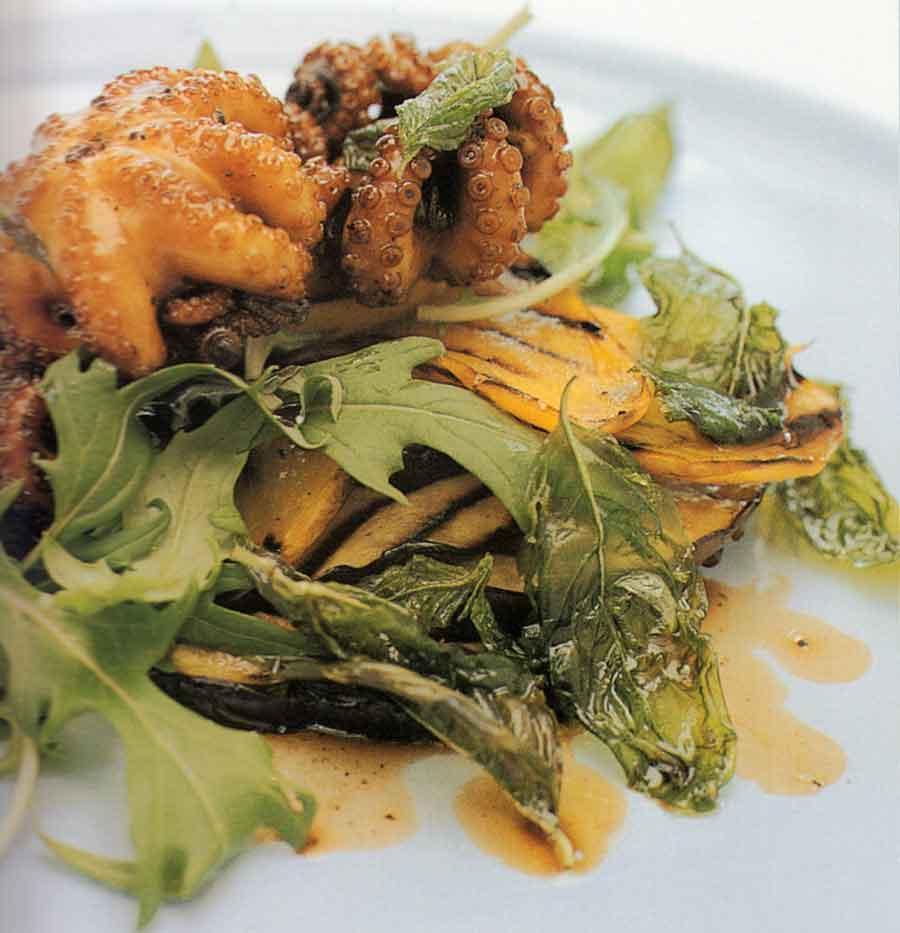

This comprehensive guide will unveil the secrets to preparing tender, flavorful octopus and present a collection of low-calorie octopus recipes specifically designed to fit seamlessly into your diet meal plans. Get ready to transform your perception of healthy eating with this exquisite marine delicacy.
Why Choose Octopus for Your Diet Meal Plan?
Octopus stands out as an exceptional protein source for anyone focusing on weight management or a balanced diet. It’s remarkably low in calories and fat, yet packed with essential nutrients.
A typical serving of octopus offers a high amount of lean protein, which is crucial for satiety, muscle repair, and metabolism. This makes it an ideal ingredient to keep you feeling full and energized without overconsuming calories.
Beyond protein, octopus is a treasure trove of vitamins and minerals. It’s rich in Vitamin B12, iron, selenium, and potassium, all vital for maintaining overall health and supporting various bodily functions.
Incorporating octopus into your meals can add diversity to your diet, preventing boredom and ensuring you receive a broad spectrum of nutrients that might be missing from more conventional protein sources.
Mastering the Art of Tender Octopus Preparation
The key to truly enjoying octopus lies in its tenderness. Many people are intimidated by cooking octopus, fearing a rubbery result. However, with a few simple techniques, you can achieve perfectly tender octopus every time.
The most common method involves a gentle, slow simmer. After cleaning your octopus thoroughly, place it in a pot with water (or a mix of water and wine/broth) and a few aromatics like bay leaves, peppercorns, and garlic. Bring to a gentle boil, then reduce heat and simmer until fork-tender. This can take anywhere from 45 minutes to 2 hours, depending on the size.
Another popular technique is freezing the octopus first. Freezing and then thawing helps break down the muscle fibers, contributing to a more tender texture once cooked. Many chefs swear by this pre-treatment.
Once cooked, you can chill the octopus, slice it, and use it in various cold preparations, or proceed with grilling, baking, or searing for warm dishes. The versatility is endless once you have a tender base.
Low-Calorie Cooking Methods for Octopus
To keep your octopus dishes diet-friendly, focus on cooking methods that require minimal added fats and highlight the natural flavors of the seafood.
- Grilling: A fantastic option for adding smoky char and flavor without extra calories. Brush cooked, sliced octopus lightly with olive oil and grill until beautifully browned.
- Baking/Roasting: Baking octopus with vegetables in parchment paper or foil steams it in its own juices, locking in flavor and nutrients.
- Poaching/Steaming: These methods are inherently low-calorie and ensure a moist, tender result. Ideal for salads or light main courses.
- Sautéing (lightly): Use a minimal amount of healthy oil, like olive oil, to quickly sear cooked octopus for a crisp exterior.
Scrumptious Low-Calorie Octopus Recipe Ideas
Here are some inspiring low-calorie octopus recipes that are big on flavor and perfect for your diet meal plans.
1. Mediterranean Grilled Octopus Salad: Combine tender grilled octopus slices with fresh mixed greens, cherry tomatoes, cucumber, red onion, Kalamata olives, and a light lemon-herb vinaigrette. This vibrant salad is refreshing, protein-packed, and bursting with Mediterranean flavors. Skip the feta for an even lower calorie count, or use a very small amount.
2. Lemon-Herb Poached Octopus with Asparagus: Poach octopus with lemon slices, fresh parsley, and a hint of garlic. Serve the delicate slices alongside steamed or lightly roasted asparagus spears. A drizzle of extra virgin olive oil and a squeeze of fresh lemon juice complete this elegant, simple dish.
3. Spicy Baked Octopus with Roasted Vegetables: Marinate pre-cooked octopus in a mixture of smoked paprika, a pinch of cayenne, garlic powder, and a dash of white wine vinegar. Roast alongside bell peppers, zucchini, and cherry tomatoes until vegetables are tender and octopus is slightly caramelized. This makes for a satisfying and flavorful sheet pan meal.
4. Octopus Ceviche with Avocado: For a no-cook, refreshing option, combine finely diced pre-cooked octopus with red onion, cilantro, jalapeño, and a generous amount of fresh lime juice. Let it marinate briefly. Serve with small cubes of avocado for healthy fats and a creamy texture. This dish is light, zesty, and incredibly flavorful.
5. Octopus and Quinoa Power Bowl: Build a nutritious bowl with a base of cooked quinoa, topped with sliced grilled or baked octopus, steamed edamame, shredded carrots, and a light soy-ginger dressing. This meal is balanced, provides complex carbohydrates, and is perfect for meal prepping.
6. Octopus & White Bean Salad: Mix tender octopus pieces with cannellini beans, finely chopped celery, red onion, and a dressing of lemon juice, fresh dill, and a minimal amount of olive oil. This salad is hearty, fiber-rich, and incredibly satisfying, making it an excellent lunch or light dinner.
Tips for Success with Octopus in Your Diet
- Portion Control: While octopus is low-calorie, stick to sensible portion sizes, typically 3-4 ounces of cooked octopus, to align with your diet goals.
- Flavor Pairings: Octopus pairs wonderfully with bright, acidic flavors like lemon, lime, and vinegar, as well as fresh herbs such as parsley, dill, cilantro, and oregano. These enhance flavor without adding calories.
- Vegetable Integration: Maximize the nutritional value and volume of your meals by pairing octopus with a generous serving of non-starchy vegetables. This adds fiber and vitamins, increasing satiety.
- Meal Prepping: Cook a batch of tender octopus at the beginning of the week. Store it in the refrigerator, and it will be ready to add to salads, bowls, or quick sautés throughout your busy week.
Common Mistakes to Avoid
One of the biggest pitfalls when cooking octopus is overcooking or undercooking. Undercooked octopus is tough and rubbery, while overcooked octopus can become mushy. Always test for tenderness with a fork. It should pierce easily.
Another mistake is under-seasoning. Octopus has a delicate flavor, but it benefits greatly from proper seasoning. Don’t be afraid to use salt, pepper, and herbs to bring out its best qualities.
Finally, avoid heavy, creamy sauces if your goal is low-calorie. Opt for vinaigrettes, citrus-based dressings, or light broths instead.
Frequently Asked Questions About Octopus for Diet Plans
Q: Where can I buy fresh or frozen octopus? A: You can typically find frozen octopus at most well-stocked grocery stores or specialty seafood markets. Fresh octopus is less common but available at high-end fishmongers.
Q: Is octopus expensive? A: Octopus can be more expensive than other proteins, but its unique flavor and nutritional benefits make it a worthwhile occasional splurge for a varied diet.
Q: Can I eat octopus raw? A: While some cultures enjoy raw octopus (sannakji), for most home cooks, it’s best to cook octopus thoroughly to ensure tenderness and food safety.
Q: How long does cooked octopus last in the fridge? A: Cooked octopus can be stored in an airtight container in the refrigerator for 3-4 days.
Q: Are there any specific health concerns with eating octopus? A: Octopus is generally very healthy. As with all seafood, consume in moderation as part of a balanced diet. Individuals with shellfish allergies should avoid it.
Incorporating octopus into your low-calorie diet meal plans opens up a world of culinary possibilities. Its lean protein, rich nutrient profile, and unique texture make it an outstanding choice for healthy eating.
By mastering simple preparation techniques and embracing light, flavorful cooking methods, you can enjoy this exquisite seafood without compromising your dietary goals. Experiment with the recipes and tips provided, and discover how delicious and satisfying healthy eating can truly be with the magnificent octopus.