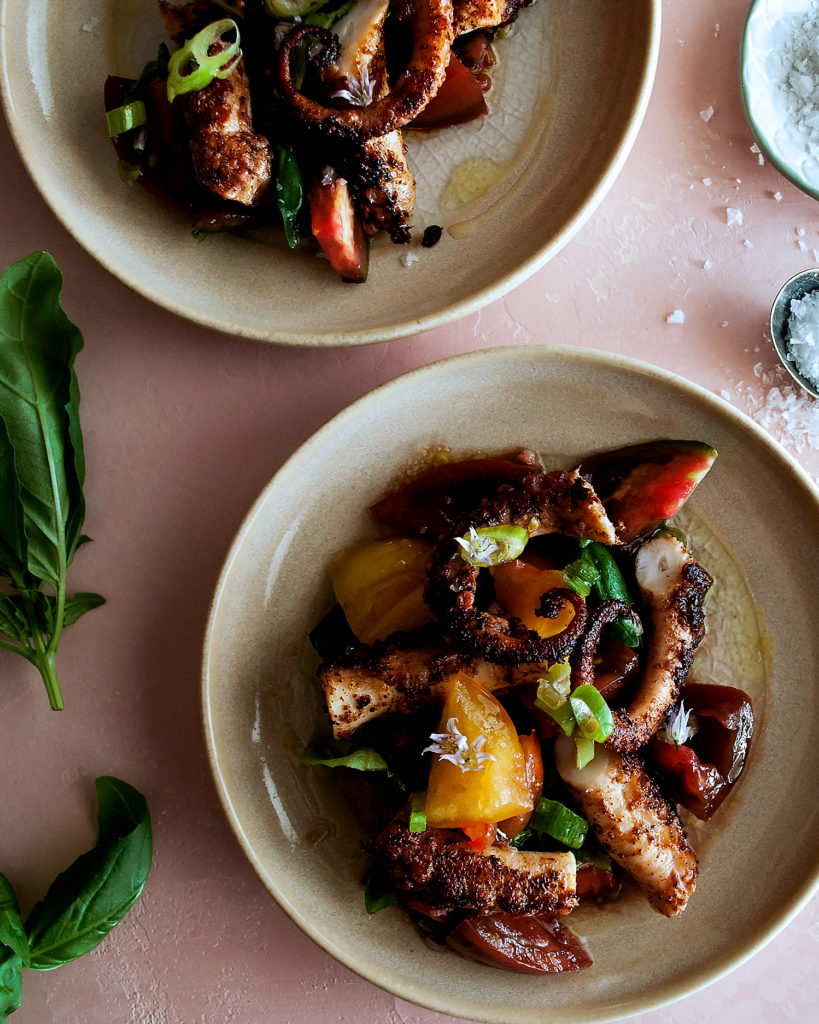
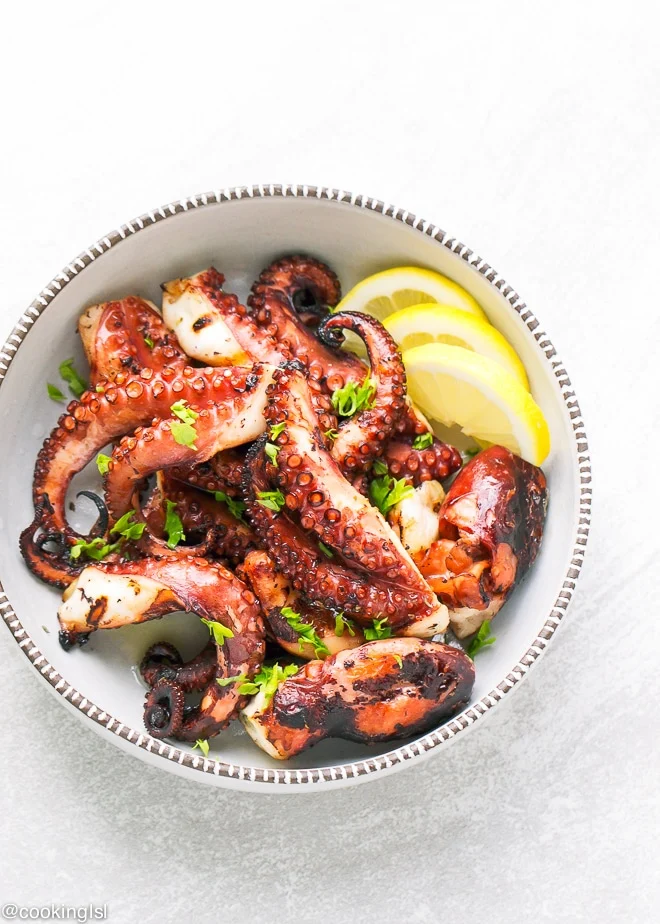

Octopus is a culinary chameleon. Its mild, slightly sweet flavor absorbs marinades and sauces beautifully, making it suitable for everything from zesty summer salads to hearty winter stews. By understanding a few basic principles of preparation, you can turn this exotic ingredient into a staple for quick, nutritious weeknight dinners.
The Nutritional Powerhouse: Why Eat Octopus?
Before diving into the cooking methods, it is worth noting why octopus deserves a spot on your plate. It is a nutritional powerhouse, packed with essential vitamins and minerals while remaining low in calories and fat. For those focusing on clean eating or weight management, octopus provides a high-satiety meal without the heavy saturated fats found in some red meats.
A standard serving of octopus is rich in Vitamin B12, which is crucial for red blood cell formation and nervous system health. It is also an excellent source of iron, selenium, and potassium. Furthermore, like many seafood options, it contains Omega-3 fatty acids, which are known to support heart health and reduce inflammation.
Sourcing Your Seafood: Fresh vs. Frozen
One of the biggest secrets to cooking tender octopus is knowing what to buy. Contrary to popular belief, frozen octopus is often superior to fresh octopus for the home cook. The freezing process helps break down the fibrous muscle tissues, acting as a natural tenderizer. If you buy fresh octopus, you often have to pound it or massage it to achieve the same result.
When shopping, look for ‘cleaned’ octopus if you want to save time. This means the beak, eyes, and ink sac have already been removed. If you can only find whole, uncleaned octopus, ask your fishmonger to clean it for you, or prepare to remove the internal organs and beak before cooking.
The Golden Rule: How to Tenderize Octopus
The fear of ‘rubbery’ seafood is the main deterrent for beginners. The secret to melt-in-your-mouth texture lies in the cooking time. Octopus generally requires one of two methods: cooking it very quickly (under 2 minutes) or very slowly (45 minutes to an hour). Anything in between usually results in a tough, chewy texture.
For everyday meal prep, the slow-simmer method is the most reliable. Once the octopus is braised or boiled until tender, it can be stored in the fridge for several days, ready to be grilled, tossed into salads, or added to pasta at a moment’s notice.
Step-by-Step: The Boiling Method
- Thaw: If using frozen, thaw it completely in the refrigerator overnight.
- Blanch: Bring a large pot of water to a boil. Do not add salt yet, as salt can toughen the meat initially. Holding the octopus by the head, dip the tentacles into the boiling water three times. This ‘scaring’ technique curls the tentacles for a beautiful presentation.
- Simmer: Submerge the octopus completely. Reduce the heat to a gentle simmer—vigorous boiling can strip the skin. Cover and cook for about 45 to 60 minutes per kilogram (2.2 lbs).
- Test: It is done when a knife slides easily into the thickest part of the tentacle with no resistance, similar to a cooked potato.
- Cool: Let the octopus cool in the cooking water. This prevents the skin from peeling off and keeps the meat moist.
Healthy Recipe Idea 1: Mediterranean Octopus Salad
Once you have your pre-cooked, tender octopus, a salad is the quickest way to get a healthy meal on the table. This dish is vibrant, full of antioxidants, and requires no reheating.
Slice the cold octopus tentacles into bite-sized rounds. In a large bowl, combine the octopus with chopped celery, cherry tomatoes, red onion, and parsley. Dress it generously with extra virgin olive oil, fresh lemon juice, and a pinch of dried oregano. The healthy fats from the olive oil aid in the absorption of the vitamins in the vegetables, making this a perfectly balanced lunch.
Healthy Recipe Idea 2: Grilled Octopus with Garlic and Herbs
Grilling adds a smoky depth that mimics a steak dinner but with a fraction of the calories. This is perfect for a light summer evening meal.
Take your pre-boiled tentacles and brush them with a mixture of minced garlic, olive oil, and paprika. Preheat your grill or a cast-iron skillet to high heat. Sear the tentacles for 2-3 minutes on each side until they develop a nice char. Since the meat is already cooked, you are simply adding flavor and texture. Serve alongside grilled asparagus or a quinoa salad for a complete meal.
Healthy Recipe Idea 3: Tomato-Braised Octopus Stew
For colder days, a braised stew offers comfort without the heaviness of cream-based sauces. This method, often referred to as ‘Luciana style’ in Italy, cooks the octopus directly in the sauce.
Sauté garlic and chili flakes in a pot. Add the raw octopus (cleaned) and cover. The octopus will release its own liquid. After 15 minutes, add crushed tomatoes, capers, and black olives. Simmer covered for about an hour until the octopus is tender and the sauce has thickened. Serve this protein-rich stew over whole-wheat couscous or with a slice of crusty whole-grain bread.
Flavor Pairings That Work
- Acid: Lemon, lime, vinegar, and white wine cut through the richness.
- Herbs: Parsley, bay leaves, thyme, and oregano.
- Spices: Smoked paprika, chili flakes, and black pepper.
- Vegetables: Potatoes, fennel, celery, and tomatoes.
Common Mistakes to Avoid
Over-salting the water: As mentioned, octopus is naturally salty. Avoid salting the boiling water. Season your dish at the very end after tasting it.
Peeling the skin: While some prefer the look of white meat, the purple skin holds a lot of flavor and gelatinous texture that makes the dish succulent. Unless it is sloughing off unappealingly, try to keep the skin intact.
Rushing the process: If you check the octopus after 30 minutes and it is still tough, do not increase the heat. Just give it more time. Patience is the only way to break down the collagen.
Frequently Asked Questions (FAQ)
Is octopus high in cholesterol?
Octopus does contain dietary cholesterol, but it is low in saturated fat. Current nutritional science suggests that for most people, saturated fat has a bigger impact on blood cholesterol levels than dietary cholesterol. However, if you have specific dietary restrictions, consult your doctor.
Can I keep leftovers?
Absolutely. Boiled octopus keeps well in the refrigerator for up to 3 days in an airtight container. In fact, marinating it in olive oil and vinegar overnight can actually enhance the flavor.
Why did my octopus turn purple?
The purple color comes from the skin. When cooked, the skin releases color which can dye the cooking water and the meat. This is completely natural and safe to eat.
Conclusion
Incorporating healthy octopus meals into your everyday cooking routine is a rewarding way to expand your culinary horizons. It offers a break from the monotony of chicken and fish while providing a dense nutritional profile that supports a healthy lifestyle. Whether you choose to grill it for a smoky finish, toss it in a refreshing salad, or slow-cook it in a savory tomato sauce, the versatility of octopus makes it a fantastic ingredient for any home cook.
Start with the simple boiling method to build your confidence. Once you master the texture, you will find that this seafood delicacy is not just for special occasions, but a practical, delicious option for healthy living every day of the week.