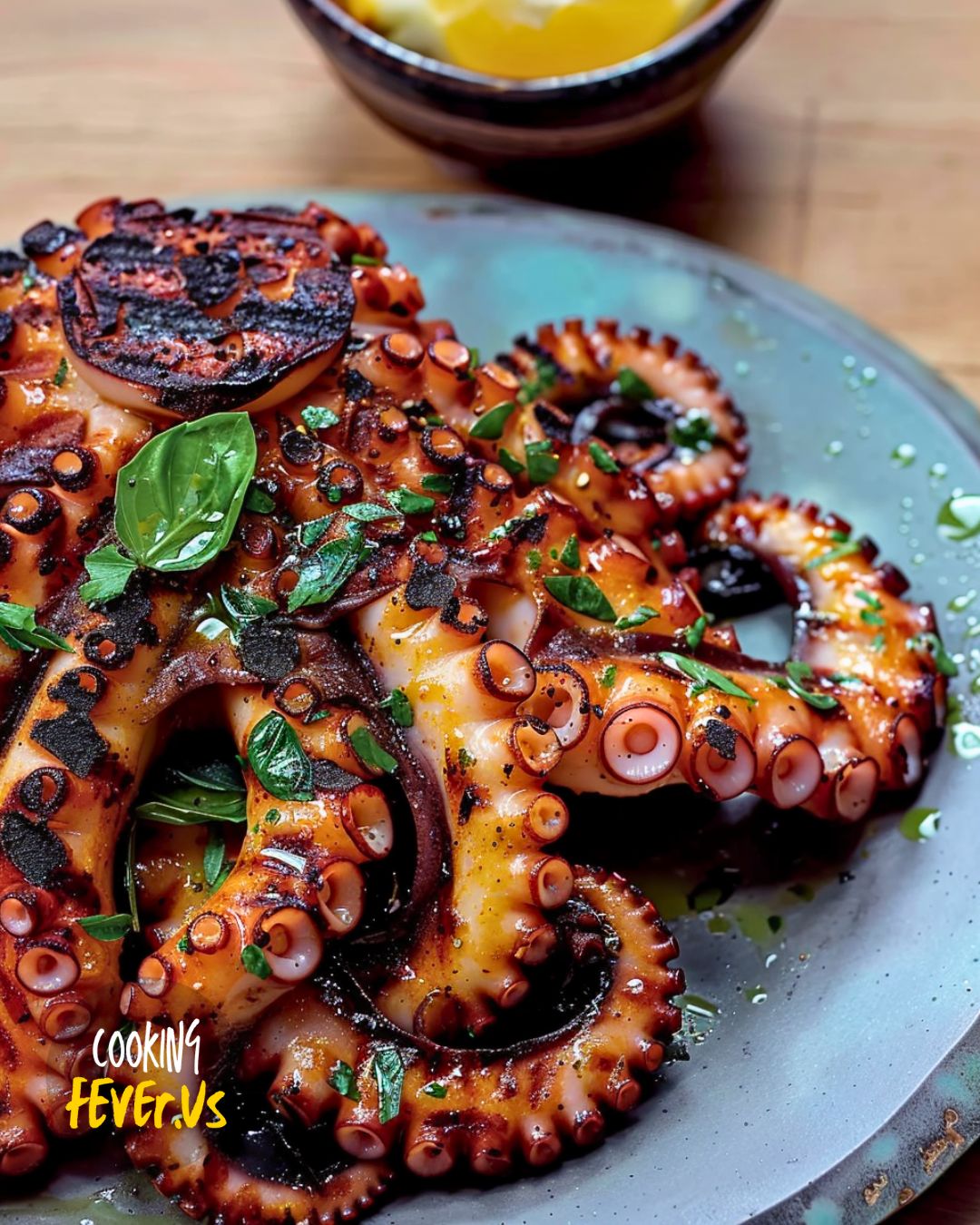


Why Choose Octopus? Octopus offers a unique texture and flavor profile that can elevate any meal. When cooked properly, it’s tender, slightly sweet, and boasts a delicate oceanic taste. It’s also a relatively healthy option, being low in fat and rich in essential nutrients.
Understanding Octopus Preparation: The Key to Tenderness The biggest concern when cooking octopus is achieving that perfect, tender texture. Overcooked octopus can become rubbery and unpleasant, while undercooked octopus can be tough. The key is understanding the techniques that break down the tough muscle fibers.
Freezing: Freezing octopus before cooking helps break down its muscle fibers, resulting in a more tender final product. If you buy fresh octopus, freeze it for at least 24 hours before preparing it.
Pounding: Lightly pounding the octopus with a meat mallet can also help tenderize it. Be careful not to overdo it, as you don’t want to damage the flesh.
Slow Cooking: Slow cooking methods, such as braising or simmering, are ideal for octopus. These methods allow the octopus to cook gently and evenly, resulting in a melt-in-your-mouth texture.
Recipe 1: Simple Grilled Octopus This recipe showcases the natural flavor of octopus with minimal ingredients. It’s perfect for a quick and easy weeknight meal.
- 1 pound octopus, cleaned
- 2 tablespoons olive oil
- 1 tablespoon lemon juice
- 1 clove garlic, minced
- Salt and pepper to taste
- If frozen, thaw the octopus completely. Pat it dry with paper towels.
- In a bowl, whisk together olive oil, lemon juice, minced garlic, salt, and pepper.
- Marinate the octopus in the mixture for at least 30 minutes.
- Preheat your grill to medium-high heat.
- Grill the octopus for 3-5 minutes per side, or until it is lightly charred and tender.
- Serve immediately with a squeeze of fresh lemon juice.
Recipe 2: Braised Octopus with Potatoes and Olives This hearty and flavorful dish is perfect for a cozy night in. The slow braising process ensures that the octopus is incredibly tender.
- 1.5 pounds octopus, cleaned
- 1 pound small potatoes, quartered
- 1 cup Kalamata olives, pitted
- 1 onion, chopped
- 2 cloves garlic, minced
- 1 (28-ounce) can crushed tomatoes
- 1/2 cup dry red wine
- 2 tablespoons olive oil
- 1 teaspoon dried oregano
- Salt and pepper to taste
- If frozen, thaw the octopus completely. Pat it dry with paper towels.
- Heat olive oil in a large pot or Dutch oven over medium heat.
- Add chopped onion and cook until softened, about 5 minutes.
- Add minced garlic and cook for another minute until fragrant.
- Add the octopus and cook for 5-7 minutes, until it changes color.
- Pour in red wine and let it simmer for a few minutes, scraping up any browned bits from the bottom of the pot.
- Add crushed tomatoes, potatoes, olives, oregano, salt, and pepper.
- Bring to a simmer, then reduce heat to low, cover, and cook for 1.5-2 hours, or until the octopus is very tender.
- Serve hot, garnished with fresh parsley (optional).
Recipe 3: Octopus Salad with Lemon and Herbs This refreshing and vibrant salad is perfect for a light lunch or appetizer. The tender octopus pairs beautifully with the bright flavors of lemon and fresh herbs.
- 1 pound octopus, cooked and cooled
- 1/2 cup chopped celery
- 1/4 cup chopped red onion
- 1/4 cup chopped fresh parsley
- 1/4 cup chopped fresh mint
- 2 tablespoons lemon juice
- 2 tablespoons olive oil
- Salt and pepper to taste
- If using pre-cooked octopus, skip to the next step. If cooking your own octopus, follow the braising instructions in Recipe 2 until tender, then let it cool completely.
- Cut the cooked octopus into bite-sized pieces.
- In a bowl, combine the octopus, celery, red onion, parsley, and mint.
- In a separate small bowl, whisk together lemon juice, olive oil, salt, and pepper.
- Pour the dressing over the octopus salad and toss gently to combine.
- Serve chilled.
Fresh vs. Frozen: Both fresh and frozen octopus can be excellent choices. Frozen octopus is often pre-tenderized, making it a convenient option for beginners. If buying fresh octopus, ensure it has a firm texture and a fresh, sea-like smell.
Size Matters: Smaller octopus tend to be more tender than larger ones. Look for octopus that are around 1-2 pounds in weight for the best results.
Cleaning Octopus: Most octopus sold at fish markets or grocery stores are already cleaned. However, if you need to clean it yourself, remove the beak (located in the center of the tentacles) and the ink sac (located inside the body cavity). Rinse the octopus thoroughly under cold water.
Overcooking: As mentioned earlier, overcooking is the biggest mistake when preparing octopus. Keep a close eye on the octopus as it cooks and test for tenderness frequently.
Skipping the Tenderizing Process: Don’t skip the freezing or pounding steps, as they significantly contribute to the final texture of the octopus.
Using Too Much Heat: High heat can cause the octopus to become tough and rubbery. Stick to slow cooking methods at low to medium heat.
Grilled octopus can be served as an appetizer with a drizzle of olive oil and a sprinkle of sea salt.
Braised octopus is delicious served over creamy polenta or mashed potatoes.
Octopus salad can be enjoyed on its own or as a topping for crostini or bruschetta.
Q: How do I know when octopus is cooked? A: The octopus is cooked when it is easily pierced with a fork and the flesh is tender and slightly translucent.
Q: How long can I store cooked octopus? A: Cooked octopus can be stored in the refrigerator for up to 3 days in an airtight container.
Q: Can I use baby octopus in these recipes? A: Yes, baby octopus can be used in these recipes. Reduce the cooking time accordingly, as they will cook much faster.
With these simple recipes and essential tips, you’re now equipped to confidently cook octopus at home. Don’t be afraid to experiment with different flavors and techniques to create your own signature octopus dishes. Enjoy the journey of discovering the delicious versatility of this incredible seafood!